
Trustee Removal and Surcharge Actions in Orange County & LA County
Top Ranked Trust & Probate Lawyers in California
☰ Quick Facts About This Page
- Removal requires strong court evidence
- Surcharge seeks trustee personal repayment
- Accountings often drive case strength
- Fiduciaries must act with integrity
- Delays can support removal requests
- Court petitions can force compliance
- Accountings can reveal mismanaged finances and hidden assets
- Real estate disputes are common
- Mediation can reduce legal costs
- Each county may have different court procedures
Removing a Trustee and Surcharge Reimbursement
Trustee removal, surcharge actions, and reimbursements are probate court remedies used when a trustee is not managing a trust correctly. Removal focuses on replacing the trustee. Surcharge focuses on financial accountability, meaning the trustee may be ordered to repay the trust for losses tied to a breach of duty. In California, trustee disputes are handled in probate court, and the outcome can change who controls the trust and whether a trustee faces personal financial liability.
In Orange County and Los Angeles County, these cases often start with the same pattern. Beneficiaries ask for information, the trustee delays or refuses, distributions stall, and the explanation does not match the records. Sometimes the trustee is simply overwhelmed. Other times, the facts point to mismanagement, conflicts of interest, or misuse of trust property.
An experienced trust litigation attorney from Max Alavi, Attorney at Law, APC helps beneficiaries and co trustees pursue removal and surcharge remedies when the facts support court intervention, including high value disputes in Orange County and Los Angeles County probate courts.
Our Trust Litigation Case Process

1. Case Evaluation
We begin with a full review of the trust, will, financial records, and family history. Our legal team will identify your rights, deadlines, and the best legal path before anything is filed.

2. Court Filings
The case formally begins when a probate petition or trust lawsuit is filed in California probate court, often in Orange County Superior Court. This step sets the legal issues, brings all parties into the case.

3. Discovery and Settlement
Both sides exchange documents, take depositions, and file motions to address disputes. Many trust and probate cases resolve here through settlement discussions or court ordered mediation.

4. Trial and Resolution
If no agreement is reached, the case proceeds to trial before a probate judge. After a ruling, the court orders distributions, removals of fiduciaries, or financial recovery, and we handle enforcement or appeals if needed.
Begin Your Free Case Evaluation Now
Call to schedule a free and confidential consultation with a trust litigation lawyer.
Common Trustee Issues That Leads to Removal or Surcharge Claims
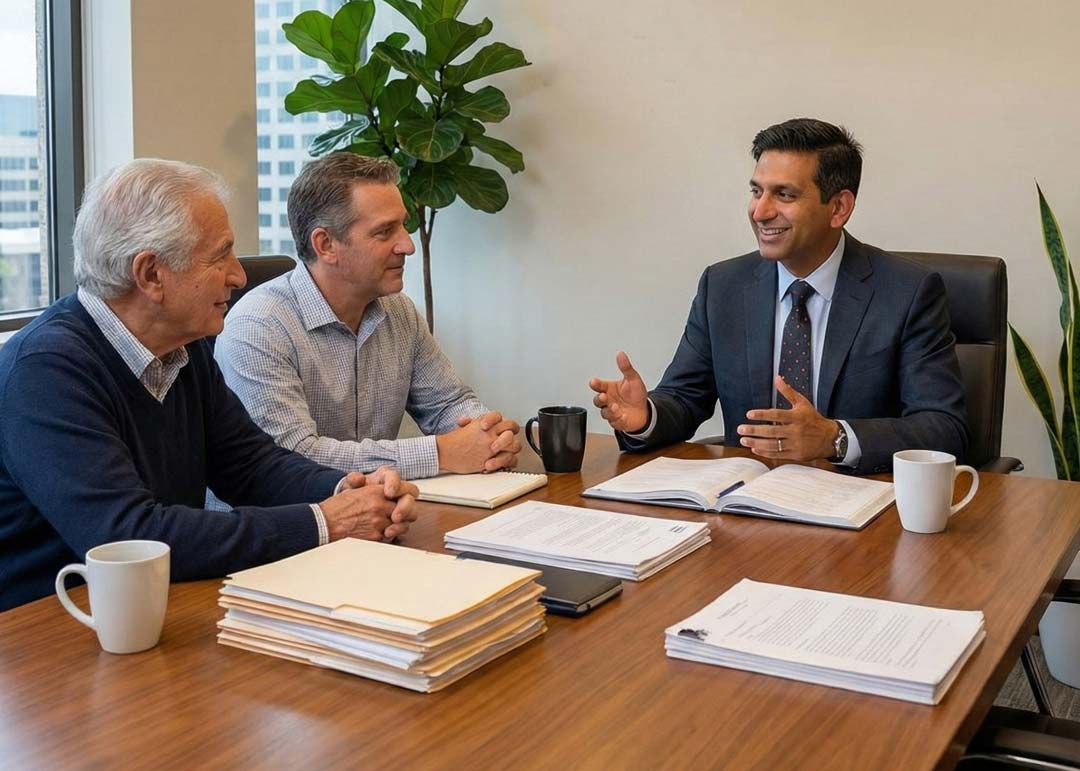
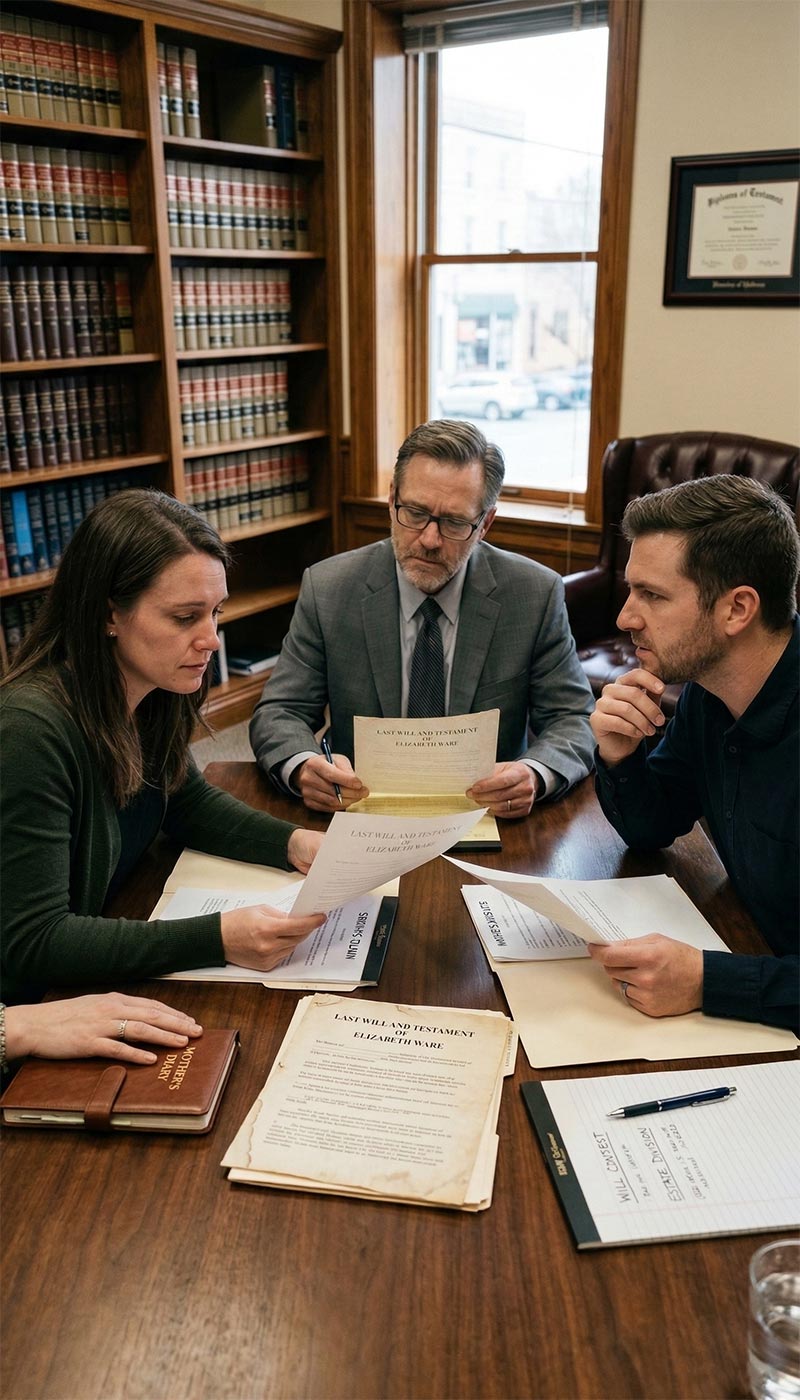
Trustee removal and surcharge cases often involve a mix of legal duties and practical problems. Our law firm and legal staff regularly represents clients in matters involving concerns like:
- No communication or refusal to answer questions
- No trust accounting, or an accounting that does not add up
- Suspicious spending, reimbursements, or withdrawals
- Trustee self dealing, or using trust assets personally
- Favoritism, unequal treatment, or hidden side deals
- Delayed distributions without a clear legal reason
- Real estate disputes, occupancy issues, or questionable sales
- Missing property, or assets titled outside the trust
- Failure to follow the trust terms or court instructions
California law imposes strict duties on trustees. Probate Code section 16000 addresses the duty to administer the trust according to its terms. When beneficiaries are left in the dark, Probate Code section 16060 covers the duty to keep beneficiaries reasonably informed. When an accounting is required, Probate Code section 16062 addresses when and how a trustee must account in many situations. Many removal and surcharge cases do not start with a single dramatic act. They start with a pattern, poor records, stonewalling, and decisions that do not appear neutral or reasonable.
Top FAQs About Removing a Trustee
When should I speak with a trust litigation attorney about removing a trustee?
If the trustee refuses transparency, delays administration without reason, or you see signs of self dealing or missing assets, it is smart to speak with counsel early. Waiting can allow records to disappear and problems to grow.
What is a surcharge action in a trust case?
A surcharge claim asks the court to hold the trustee personally responsible for financial harm tied to a breach of trust. It is designed to restore losses to the trust when the evidence supports liability.
Can the court remove a trustee in California?
Yes. Trustee removal is authorized under Probate Code section 15642 when the facts justify it. Removal cases are often filed through a trust petition under Probate Code section 17200.
Do I have a right to a trust accounting?
In many situations, yes. Trustees often must account under Probate Code section 16062, and beneficiaries can ask the court to compel a proper accounting when the trustee refuses.
What if trust property was taken or transferred out?
The probate court can determine ownership and order transfers back in the right case. Probate Code section 850 is commonly used to address property disputes, including missing or wrongly titled assets.
Who pays for the legal fees in a removal case?
If a trustee is found to have committed a serious breach of duty, the court may order them to pay your attorney fees. In many cases, the trustee is also prohibited from using trust money to pay for their own defense if their conduct was improper.
Do these cases always go to trial?
No. Many of these cases get resolved after disclosures and accountings make the facts clear, and mediation often leads to practical outcomes. The key is our attorneys are prepared to present the case in a contested hearing if settlement does not happen.

Petitions Used for Trustee Removal and Surcharge
Successfully removing a trustee requires more than just complaints, it requires a strategic legal filing supported by evidence like bank statements and depositions. We primarily use California Probate Code section 17200 to petition the court to intervene in the internal affairs of the trust. This allows us to ask the judge for accountings, instructions, and the immediate suspension of a trustee’s powers. When the evidence shows a clear breach of duty, we rely on California Probate Code section 15642 to request formal removal. Grounds for removal include a breach of trust, the trustee becoming unfit to act, or excessive friction between co trustees that prevents the trust from being administered.
To recover stolen or wasted money, we pursue surcharge remedies under California Probate Code section 16420 and section 16440. These statutes allow the court to calculate the exact financial loss caused by the trustee and order that individual to pay it back from their own pocket. In cases involving bad faith, we may also utilize California Probate Code section 859 to seek double damages against the bad actor. If the case involves property taken, concealed, or held in the wrong name, Probate Code section 850 is often used to ask the probate court to determine ownership and order a transfer back to the trust.
In bad faith situations, Probate Code section 859 can add double value liability when the court finds wrongful taking or concealment under the statute.
Issues and Remedies in Trustee Removal and Surcharge Actions
In cases where you feel a trustee is acting in bad faith, it requires strong evidence, clean timelines, and a clear solution for what the judge should order. We have helped many clients in California protect their interests by successfully removing fiduciaries who acted in bad faith.
Probate courts can issue orders that force transparency, protect trust assets, and correct trustee behavior. When the facts justify it, the court can remove the trustee, appoint a replacement, and order financial remedies tied to losses or improper gains.
Common Issues in Removal and Surcharge Cases |
Possible Remedies in Probate Court |
| No communication from trustee, beneficiaries ignored, vague answers, stalled updates | Orders compelling information, court deadlines, supervision orders |
| No accounting provided, incomplete records, expenses not explained | Order compelling accounting, objections process, transaction review |
| Suspicious spending, reimbursements, large payments, unexplained withdrawals | Surcharge requests, restitution orders, limits on future spending |
| Trustee self dealing, trustee uses trust assets for personal benefit | Removal, unwind transactions where possible, financial liability findings |
| Unequal or delayed distributions, one beneficiary paid, others delayed without explanation | Court instructions, distribution orders, clarification of trust terms |
| Real estate conflict, sale disputes, occupancy fights, buyout disagreements | Sale order, buyout structure, accounting for rent and expenses |
| Missing or wrongly titled property, assets held outside trust, transfers questioned | Probate Code 850 petition, turnover orders, ownership determinations |
| Ongoing conflict blocks administration, trustee cannot act neutrally, family hostility derails decisions | Removal and replacement trustee, court supervision, structured administration plan |
How Max Alavi Can Help With Trustee Removal and Surcharge Actions
Trustee removal and surcharge actions require an attorney who has experience in recognizing the signs of theft and the aggressive tactics used by unfit trustees. You need a litigator who can strategically discover evidence through meticulous investigation, depose hostile fiduciaries, and present a clear financial timeline to a probate judge. Max Alavi, Attorney at Law, APC has decades of experience handling complex trust disputes throughout California. The firm represents clients in high conflict matters involving significant assets, family owned businesses, and long standing family conflict.
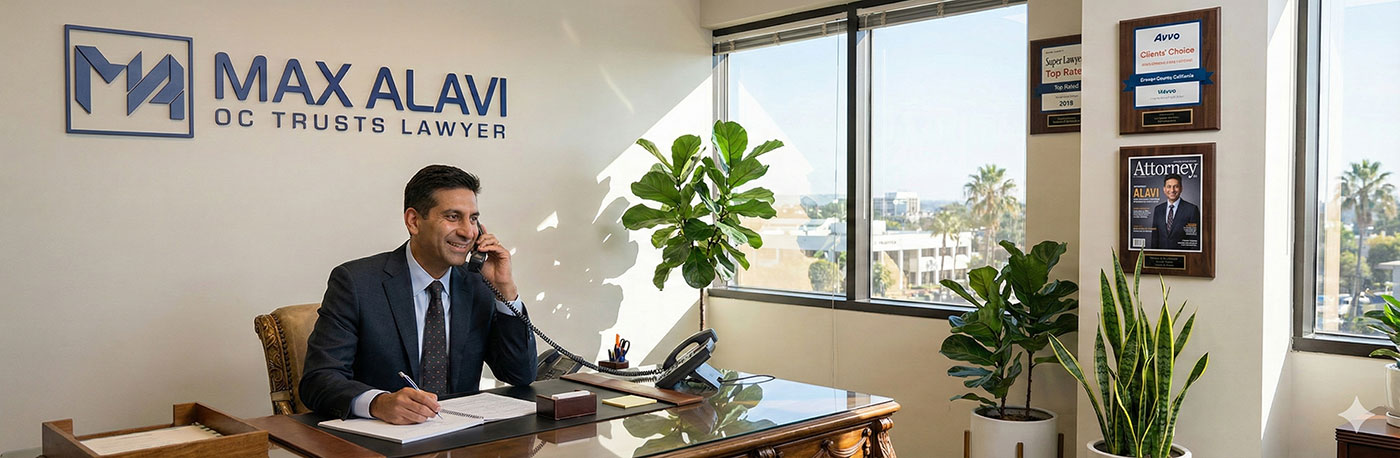
Honored by Super Lawyers and recognized as the “Best of OC” by Orange Coast Magazine’s Legal Category, Max Alavi is a highly trusted and well-known advocate in Southern California probate courts. Our firm is uniquely equipped to handle high stakes disputes involving massive liability. In a significant 2024 victory, we filed a petition against a trustee for breach of trust and failure to safeguard assets in a case involving 100 million dollars in potential damages. We have the resources and the courtroom experience to handle the most complex fiduciary disputes.
Whether the goal is removing a trustee, recovering losses through surcharge remedies, securing a proper accounting, or obtaining court orders that protect trust assets while the case is pending, Max Alavi, Attorney at Law, APC approaches each matter with a focus on protecting client rights and achieving practical results.
Trustee Removal
Areas We Serve
At Max Alavi, Attorney at Law, we have decades of experience in dealing with complex trust litigation matters throughout California. When you hire our legal team, you are bringing on the best and toughest litigators around to aggresively fight on your behalf.
Trustee Removal
Areas We Serve
At Max Alavi, Attorney at Law, we have decades of experience in dealing with complex trust litigation matters throughout California. When you hire our legal team, you are bringing on the best and toughest litigators around to aggresively fight on your behalf.
What Our Amazing Clients Have To Say


Why Clients Choose Max Alavi, APC
- Super Lawyers recognition based on peer review
- Extensive experience in California probate law
- Millions recovered in trust and probate litigation
- Strategic handling of trust and estate disputes
- Proven advocacy for surviving spouses and heirs
- Clear guidance through complex probate matters
- Outstanding dedication to every one of our clients


Let's Work Together - Tell Us Your Needs
At Max Alavi, Attorney at Law, APC, we understand the complexities of California probate law and are committed to providing solutions for trust and estate disputes. Contact us today to speak with one of our legal staff.