
Long Beach Trustee Removal Attorney
Top Ranked Trust & Probate Lawyers in California
5-Star Client Rating | Read Our Reviews
Long Beach Trustee Removal Lawyers
At Max Alavi, Attorney at Law, our Long Beach-based team specializes in Trustee Removal—providing personalized, effective legal solutions to protect your interests and your loved ones. With years of experience navigating complex trust disputes, our firm is known for its strategic approach, in-depth legal knowledge, and unwavering commitment to client service. We understand that every Trustee Removal matter is unique, so we take the time to listen, answer your questions, and pursue the best possible outcome for you.
- Proven expertise in Trustee Removal across a wide range of trust litigation scenarios
- Client-centered advocacy: your goals are always our priority
- Responsive communication—we keep you informed every step of the way
“When navigating the sensitive and complex process of Trustee Removal in Long Beach, you need a firm that combines experience with compassion. That’s exactly what you’ll find at Max Alavi, Attorney at Law.”
Our Trust Litigation Case Process

1. Case Evaluation
We begin with a full review of the trust, will, financial records, and family history. Our legal team will identify your rights, deadlines, and the best legal path before anything is filed.

2. Court Filings
The case formally begins when a probate petition or trust lawsuit is filed in California probate court, often in Orange County Superior Court. This step sets the legal issues, brings all parties into the case.

3. Discovery and Settlement
Both sides exchange documents, take depositions, and file motions to address disputes. Many trust and probate cases resolve here through settlement discussions or court ordered mediation.

4. Trial and Resolution
If no agreement is reached, the case proceeds to trial before a probate judge. After a ruling, the court orders distributions, removals of fiduciaries, or financial recovery, and we handle enforcement or appeals if needed.
Begin Your Free Case Evaluation Now
Call to schedule a free and confidential consultation with a trust litigation lawyer.


About Max Alavi, Attorney at Law
Established in Long Beach, Max Alavi, Attorney at Law is distinguished by its deep roots in the community and unwavering dedication to client service. While the firm is particularly recognized for its expertise in Trustee Removal, its practice extends to all facets of trust and estate law, including estate planning and probate litigation. Guided by Max Alavi’s decades of experience and personal dedication to his clients, the firm combines a wealth of legal knowledge with a strategic, detail-oriented approach. Max Alavi, Attorney at Law was founded on principles of integrity, clear communication, and a steadfast commitment to achieving the best possible outcomes for individuals and families facing complex legal challenges.
Throughout its history, Max Alavi, Attorney at Law in Long Beach has earned a reputation for personalized and compassionate representation. The firm’s values—rooted in respect, diligence, and strategic problem-solving—set it apart in handling sensitive Trustee Removal cases and beyond. Clients of Max Alavi, Attorney at Law benefit from a team that not only upholds the highest ethical standards, but also takes a hands-on approach, ensuring every legal matter receives the attention and expertise it deserves. This client-centered philosophy, paired with a comprehensive understanding of California trust law, has made the firm a trusted advocate for those seeking clarity, justice, and peace of mind during pivotal moments.
An Interesting Fact About Trustee Removal in Long Beach
While many assume that trustee removal in California is always driven by mismanagement or fraud, a lesser-known fact is that California probate courts—including those in Long Beach—can remove a trustee simply for creating persistent conflict among beneficiaries, even if the trustee acts in good faith. Courts view ongoing discord as detrimental to efficient trust administration, so maintaining beneficiary harmony is an important aspect of a trustee’s role under California law.
Overview of Trustee Removal Laws in Long Beach
Trustee removal in Long Beach is primarily governed by California Probate Code, which establishes the legal standards and court procedures for removing a trustee who may be failing in their fiduciary duties. According to insights from Max Alavi, Attorney at Law, grounds for removal can include a breach of trust, mismanagement of trust assets, failure to provide accurate accountings, or demonstrated inability to act impartially among beneficiaries. The local court process typically requires an interested party to formally petition the court for removal, providing clear evidence and legal reasoning for the request. Throughout these proceedings, the focus remains on the best interests of the beneficiaries and the effective management of trust assets.
- Common grounds for trustee removal include breach of fiduciary duty, neglect of duties, or conflict of interest.
- The petitioning process involves a detailed review by the court, which may also appoint a temporary trustee if necessary.
- Potential penalties for a trustee found at fault can include personal liability for losses or improper distributions.
"Every trustee must adhere to strict legal standards, and courts in Long Beach consider both the trustee's actions and potential remedies to restore trust integrity." – Insights from Max Alavi, Attorney at Law
With substantial experience in Long Beach, Max Alavi, Attorney at Law is well-versed in navigating the complexities of trustee removal cases. The firm offers in-depth guidance on local court procedures, including the preparation and filing of petitions, gathering of supporting documentation, and representation throughout court hearings. Their attorneys understand that trustee disputes often involve intertwined family or business dynamics and are prepared to advocate for efficient resolutions that preserve the value of the estate and the intent of the trust. Clients benefit from their familiarity with local judges’ approaches, common procedural pitfalls, and the full spectrum of possible outcomes—from negotiated removals to court-imposed sanctions against unfit trustees.
Other Services Available
Trust Litigation |
https://www.octrustslawyer.com/trust-litigation |
Contested Will and Trust |
https://www.octrustslawyer.com/trust-will-contests/ |
Beneficiary Representation |
https://www.octrustslawyer.com/beneficiary-representation/ |
Trustee Removal |
https://www.octrustslawyer.com/trustee-removal-surcharge-actions/ |
Effective Trustee Removal Representation by Orange County Trust Attorneys at Max Alavi, Attorney at Law
If you believe a trustee is not acting in the best interests of a trust or its beneficiaries, the experienced attorneys at Max Alavi, Attorney at Law can help. Our team will thoroughly evaluate every detail of your situation to build a strong case for trustee removal and protect your rights. Take the first step toward resolution—contact us at (949) 706-1919 for a free, 30-60 minute initial consultation. Let us provide you with professional guidance and peace of mind during this important process.
Long Beach Demographics
Long Beach, California is a populous coastal city in Los Angeles County, with an estimated population of approximately 454,000 residents as of the mid-2020s. The city is characterized by significant diversity, both in ethnicity and socioeconomic status. According to U.S. Census Bureau data and local demographic studies, Long Beach exhibits the following key characteristics:
- Population Size: Approximately 454,000 residents.
- Age Distribution: Median age is around 35 years. The city has a broad age distribution with about 21% under 18, 64% in the working-age bracket (18–64), and 15% aged 65 and older.
- Diversity: Long Beach is among California’s most ethnically diverse cities. Significant Hispanic or Latino (approx. 44%), White (28%), Black or African American (13%), Asian (13%), and smaller percentages of other groups contribute to a multicultural community profile.
- Socioeconomic Indicators:
- Median household income is approximately $73,000–$80,000, which is below the Los Angeles County median.
- Per capita income is approximately $36,000–$39,000.
- Notable economic disparity: Pockets of affluence in Belmont Shore, Bixby Knolls, and Naples, while other districts face elevated poverty rates.
- Poverty rate is approximately 15%, higher than state and county averages.
- Notable Trends:
- Slow population growth and increasing senior population due to aging.
- Rising housing costs leading to shifts in household composition and increasing renter rates.
- Ongoing focus on economic and educational equity across neighborhoods.
These factors contribute to distinctive legal needs in estate planning, probate, family law, and trust administration among Long Beach residents.
Long Beach Probate Court System
The probate and trust court matters for Long Beach residents fall under the jurisdiction of the Superior Court of California, County of Los Angeles. Probate and trust administration, including trustee removal actions, are processed through the following system:
- Primary Venue: Stanley Mosk Courthouse in downtown Los Angeles serves as the principal probate division for the county, including Long Beach cases.
- Key Probate Court Functions:
- Probate estate administration (with and without wills)
- Trust proceedings, including modifications, administration disputes, and trustee removal petitions
- Guardianships and conservatorships
- Issues involving elder and dependent adult protections
- Case Management:
- Matters commonly heard by specialized probate judges familiar with trust and estate complexities.
- Use of mandated forms under California Probate Code and local rules.
- Unique Local Features:
- The Probate Notes feature on the court’s website helps parties prepare for hearings and avoid delays.
- Public online case access for filings, case status, and motions.
- Matters involving trustee removal can be highly fact-specific and often benefit from experienced probate counsel familiar with Los Angeles County Probate Division procedures.
- Important Considerations for Legal Clients:
- Long Beach clients pursuing trustee removal must comply with notification, evidentiary, and procedural requirements imposed by the local court and the Probate Code.
- Remote appearances and electronic filing are increasingly common, facilitating access and efficiency.
Family law cases—including divorce, guardianship, custody, and support—are also administered by the Los Angeles County Superior Court, with the Long Beach Courthouse (Governor George Deukmejian Courthouse) serving as the designated facility for local filings and hearings in family law matters.
Family Demographics in Long Beach
Long Beach’s household and family demographics reflect urban diversity, mixed living arrangements, and a range of socioeconomic realities. Key data points include:
- Household Composition:
- Roughly 42% of households are family households; the remainder are singles or non-family arrangements.
- Average household size: approximately 2.7 persons; among family households, average family size exceeds 3.3.
- Significant number of multigenerational households, especially among immigrant families.
- Divorce Rates:
- Divorce rates are consistent with Los Angeles County averages, with significant annual filings.
- Cultural and economic diversity leads to varying experiences with marriage, dissolution, and cohabitation.
- Income Metrics:
- Median family income: Approximately $83,000–$85,000.
- Per capita income: Around $36,000–$39,000.
- Substantial differences in family income by neighborhood, reflecting the city’s broader patterns of economic diversity.
- Educational Context:
- Long Beach Unified School District (LBUSD) serves over 70,000 students and is noted for improvement initiatives, magnet programs, and high school graduation rates above state averages.
- LBUSD includes nationally recognized schools and comprehensive offerings in special education, college readiness, and extracurricular activities.
- Social Programs:
- Citywide youth and family centers focused on after-school programs, family counseling, and social services.
- Initiatives for economic security, housing stability, and childcare support—serving diverse family structures.
These factors shape the legal needs and context for residents seeking assistance with trustee removal, estate administration, family disputes, and related matters in Long Beach.
Trust Litigation
Areas We Serve
At Max Alavi, Attorney at Law, we have decades of experience in dealing with complex trust litigation matters throughout California. When you hire our legal team, you are bringing on the best and toughest litigators around to aggresively fight on your behalf.
What Our Amazing Clients Have To Say
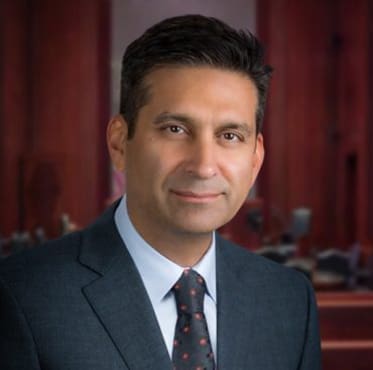


Why Clients Choose Max Alavi, APC
- Super Lawyers recognition based on peer review
- Extensive experience in California probate law
- Millions recovered in trust and probate litigation
- Strategic handling of trust and estate disputes
- Proven advocacy for surviving spouses and heirs
- Clear guidance through complex probate matters
- Outstanding dedication to every one of our clients




Let's Work Together - Tell Us Your Needs
At Max Alavi, Attorney at Law, APC, we understand the complexities of California probate law and are committed to providing solutions for trust and estate disputes. Contact us today to speak with one of our legal staff.