
Laguna Beach Trust Litigation Attorney
Top Ranked Trust & Probate Lawyers in California
5-Star Client Rating | Read Our Reviews
Laguna Beach Trust Litigation Experts
At Max Alavi, Attorney at Law, we are dedicated to providing insightful and solutions-driven trust litigation support to clients in Laguna Beach and the surrounding area. With years of focused experience, our firm skillfully represents individuals and families navigating the complexities of trust disputes, inheritance challenges, and fiduciary concerns. We believe in offering personalized attention to each client, ensuring every detail is handled with care and precision. Our unique strength lies in our combination of legal expertise and a compassionate, client-first approach, making us the preferred choice for trust litigation cases in Laguna Beach.
- Comprehensive trust litigation experience
- Results-focused and compassionate advocacy
- Personalized strategies designed for families in Laguna Beach
“Max Alavi, Attorney at Law is committed to protecting your interests and resolving trust disputes efficiently and effectively, so you can focus on what matters most.”
Our Trust Litigation Case Process

1. Case Evaluation
We begin with a full review of the trust, will, financial records, and family history. Our legal team will identify your rights, deadlines, and the best legal path before anything is filed.

2. Court Filings
The case formally begins when a probate petition or trust lawsuit is filed in California probate court, often in Orange County Superior Court. This step sets the legal issues, brings all parties into the case.

3. Discovery and Settlement
Both sides exchange documents, take depositions, and file motions to address disputes. Many trust and probate cases resolve here through settlement discussions or court ordered mediation.

4. Trial and Resolution
If no agreement is reached, the case proceeds to trial before a probate judge. After a ruling, the court orders distributions, removals of fiduciaries, or financial recovery, and we handle enforcement or appeals if needed.
Begin Your Free Case Evaluation Now
Call to schedule a free and confidential consultation with a trust litigation lawyer.

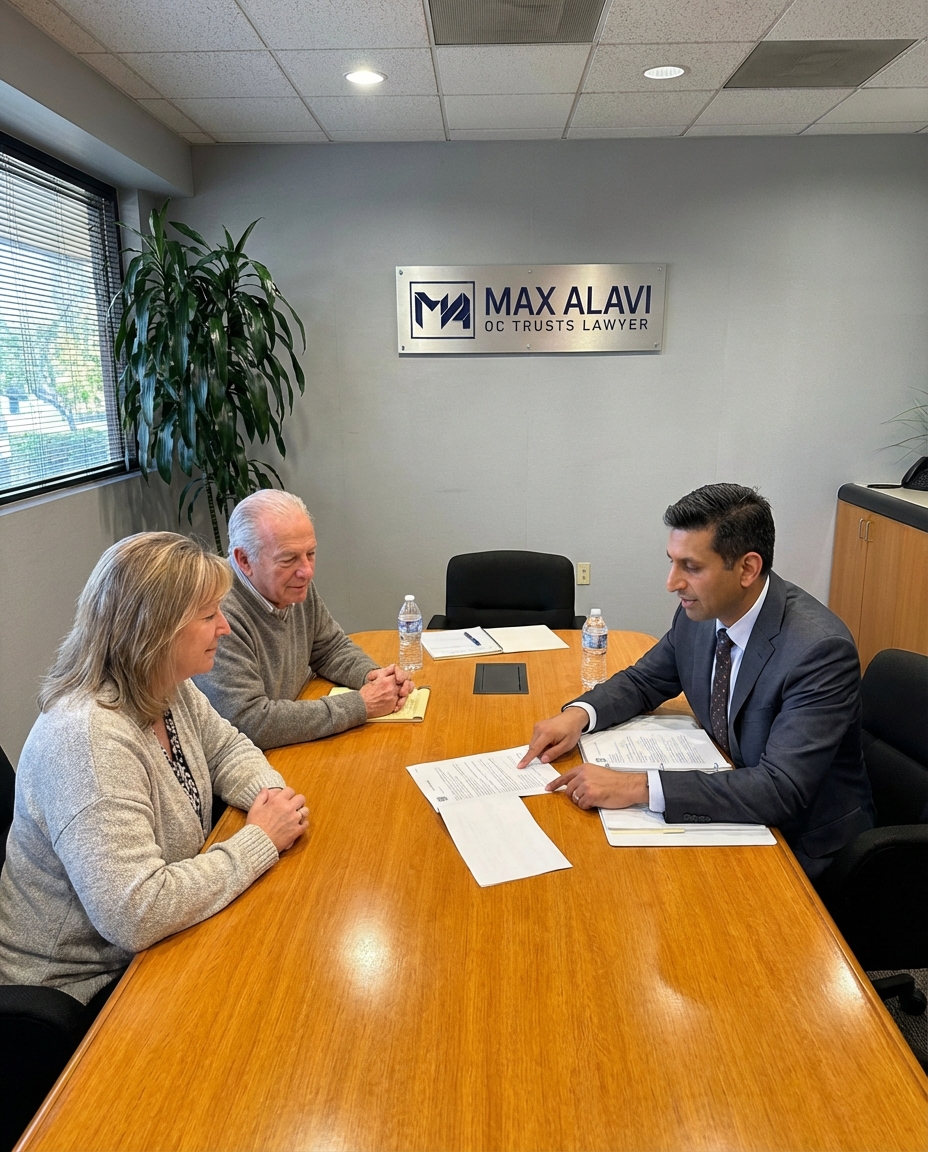
About Max Alavi, Attorney at Law
Max Alavi, Attorney at Law in Laguna Beach is recognized for its unwavering dedication to clients navigating complex legal challenges, with a particular focus on Trust Litigation. Drawing on years of experience and a stellar track record, the firm has earned a reputation for its thorough case preparation, attention to detail, and commitment to creative problem-solving. Established with the purpose of delivering client-centered legal counsel, Max Alavi, Attorney at Law combines individualized service with an in-depth understanding of California estate laws, ensuring that every client receives tailored strategies and hands-on support from initiation to resolution.
What truly distinguishes Max Alavi, Attorney at Law in Laguna Beach is its core philosophy of integrity, transparency, and compassion. Beyond excelling in Trust Litigation, the firm's team is devoted to upholding the highest ethical standards and fostering long-term client relationships. As highlighted on the firm's About webpage, their approachable manner and focus on education empower clients at every stage, while their passionate advocacy has allowed them to achieve favorable outcomes in and out of the courtroom. By combining time-honored values with innovative legal strategies, Max Alavi, Attorney at Law has become a trusted ally for individuals and families seeking guidance in estate and trust disputes, as well as other legal needs.
An Interesting Fact About Trust Litigation in Laguna Beach
A lesser-known but important fact about trust litigation in Laguna Beach, California, is that local courts often encounter disputes involving unique coastal assets—such as beachfront properties or private access rights—that can complicate trust administration. California’s laws require trustees to manage these high-value, location-specific assets prudently, and failing to consider coastal regulations or homeowners’ association rules can lead to substantial trust litigation. This local nuance makes Laguna Beach trust cases particularly intricate compared to other California regions.
Overview of Trust Litigation Laws in Laguna Beach
Trust litigation in Laguna Beach is shaped by California state laws that govern the creation, administration, and contesting of trusts. According to Max Alavi, Attorney at Law, intricate local rules and procedures come into play when disputes arise—whether over trustee conduct, allegations of mismanagement, or questions of beneficiary rights. Common scenarios leading to litigation include accusations of undue influence, challenges to the validity of a trust, or concerns about a trustee's accounting and distribution of assets. Those facing trust disputes in Laguna Beach can expect court processes that may involve mediation, evidentiary hearings, and, if unresolved, a formal trial before a probate judge.
- Trust litigation can be initiated by beneficiaries, trustees, or interested parties when disagreements occur regarding trust terms or administration.
- Potential penalties or outcomes include removal of a trustee, surcharge (monetary damages), changes to trust provisions, or even invalidation of the trust instrument.
- California Probate Code sets specific timelines and notice requirements for filing claims, making prompt action essential.
“Resolution options range from negotiated settlements to court-ordered remedies, each impacting the ultimate distribution of assets and parties’ legal rights.” — Insights from Max Alavi, Attorney at Law
The experienced team at Max Alavi, Attorney at Law emphasizes that navigating trust litigation in Laguna Beach demands both legal acumen and local expertise. They highlight the importance of understanding the interplay between state statutes, court protocols, and the unique facts of each case, which can significantly influence outcomes. Their approach includes thorough analysis of trust documents, investigation of fiduciary conduct, and vigorous representation in court proceedings. By leveraging their in-depth knowledge of Orange County probate courts and California trust law, the firm helps clients pursue fair resolutions—whether through negotiated settlements, alternative dispute resolution, or assertive courtroom advocacy, always with an eye toward protecting their clients’ interests and heritage.
Other Services Available
Trust Litigation |
https://www.octrustslawyer.com/trust-litigation |
Contested Will and Trust |
https://www.octrustslawyer.com/trust-will-contests/ |
Beneficiary Representation |
https://www.octrustslawyer.com/beneficiary-representation/ |
Trustee Removal |
https://www.octrustslawyer.com/trustee-removal-surcharge-actions/ |
Compassionate Trust Litigation Support from Orange County Trust Attorneys at Max Alavi, Attorney at Law
If you’re facing conflicts over a trust, Max Alavi, Attorney at Law is here to guide you through every step of the trust litigation process. Our experienced team will carefully review all aspects of your case to build the strongest defense possible, ensuring your interests are protected. We invite you to call (949) 706-1919 for a free, 30-60 minute initial consultation—there’s no cost or obligation. Trust your case to a team that’s approachable, thorough, and dedicated to your peace of mind.
Laguna Beach Demographics
Laguna Beach, located in southern Orange County, California, is a coastal city with distinctive demographic characteristics shaped by its seaside location, tourism economy, and residential desirability. According to the U.S. Census Bureau and recent city data, Laguna Beach’s estimated population in the mid-2020s is approximately 22,700 residents, reflecting relatively stable numbers over the past decade. The city has a median age of about 50 years, substantially older than both state and national averages, which is indicative of a sizable retirement-age population and fewer young families. Approximately 18% of residents are under 18, while more than 25% are aged 65 or older.
- Diversity: Laguna Beach’s population is predominantly White (over 85%), with smaller percentages of Hispanic or Latino, Asian, and other racial groups. The city is less ethnically diverse than many other Southern California cities.
- Socioeconomic Indicators:
- Median household income in Laguna Beach is among the highest in Orange County, exceeding $135,000 annually.
- Per capita income levels are similarly elevated, reflective of a community with significant residential wealth.
- Poverty rates are correspondingly low, with only about 5% of residents living below the poverty line.
- The cost of living, particularly housing costs, is notably high, shaping both resident demographics and local socioeconomic patterns.
- Trends: Population growth in Laguna Beach is limited by physical geography and strict local zoning, resulting in a community characterized by stability and a relatively affluent, established population. Housing turnover rates are modest, and many residents are long-term homeowners.
Laguna Beach Probate Court System
Probate and trust litigation matters for Laguna Beach residents are overseen by the Superior Court of California, County of Orange, which has countywide jurisdiction for all probate-related issues. Laguna Beach does not maintain its own municipal court; instead, residents utilize the Orange County Superior Court’s Probate Division, headquartered at:
- Lamoreaux Justice Center (primarily for family law, but probate matters are held at other designated facilities, such as the Central Justice Center in Santa Ana or the Costa Mesa Justice Complex).
The Probate Division of the Orange County Superior Court handles all matters relating to decedents’ estates, wills, trusts, and associated disputes, including:
- Estate administration and distribution
- Will contests and validation
- Trust litigation and disputes concerning trust administration or breaches of fiduciary duty
- Conservatorships and guardianships
- Accounting and removal proceedings for executors, administrators, and trustees
- Elder abuse restraining orders and related protective actions
Laguna Beach clients pursuing trust litigation will generally interact with Orange County’s centralized probate case system, which offers:
- Online case access for filings, dockets, and hearing schedules
- Designated courtrooms and staff specializing in probate and trust law
- Mandatory compliance with the California Probate Code and local Orange County probate rules
- Availability of Alternative Dispute Resolution (ADR) services to facilitate out-of-court settlements in trust disputes
Laguna Beach residents benefit from the court's robust infrastructure, comprehensive electronic filing, and access to experienced probate judicial officers. Parties should be mindful of unique local procedures, document standards, and timelines for petitions and evidentiary hearings, particularly for intricate trust or fiduciary litigation.
Family Demographics in Laguna Beach
Laguna Beach’s household composition reflects its mature, affluent character and coastal lifestyle. Based on the latest census and city survey data:
- Approximately 55% of Laguna Beach households are classified as family households, lower than the national average, while about 45% are single-person or non-family households.
- The average household size is approximately 2.1 persons, and the average family size is just under 2.7 persons, both lower than broader regional figures.
- Divorce rates, while not published specifically for Laguna Beach, are comparable to those of Orange County, where approximately 9%–10% of adults are divorced or separated according to regional data.
- Median family income is high, consistent with Laguna's elevated median household income, with most family households benefiting from homeownership and professional employment.
- Laguna Beach’s per capita income, estimated at over $95,000, is significantly higher than the Orange County norm.
The city is served by the Laguna Beach Unified School District, which includes one comprehensive high school and multiple elementary and middle schools noted for strong performance and low student-to-teacher ratios.
- Laguna Beach schools routinely score above state averages on standardized tests and graduation rates.
- Families enjoy access to recreational programs, senior services, and city-sponsored youth and family programs through the Community Services Department.
- Notable social initiatives in Laguna Beach include city-sponsored arts and culture programs, youth scholarships, and community grant programs directed toward education, health, and family support services.
Overall, Laguna Beach’s family demographics are shaped by smaller family sizes, a higher percentage of older adults, and economic affluence, resulting in unique family law and trust litigation considerations for residents and legal clients.
Trust Litigation
Areas We Serve
At Max Alavi, Attorney at Law, we have decades of experience in dealing with complex trust litigation matters throughout California. When you hire our legal team, you are bringing on the best and toughest litigators around to aggresively fight on your behalf.
What Our Amazing Clients Have To Say
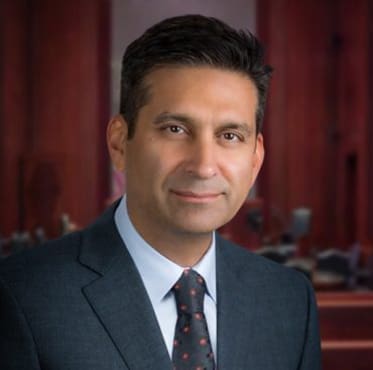


Why Clients Choose Max Alavi, APC
- Super Lawyers recognition based on peer review
- Extensive experience in California probate law
- Millions recovered in trust and probate litigation
- Strategic handling of trust and estate disputes
- Proven advocacy for surviving spouses and heirs
- Clear guidance through complex probate matters
- Outstanding dedication to every one of our clients




Let's Work Together - Tell Us Your Needs
At Max Alavi, Attorney at Law, APC, we understand the complexities of California probate law and are committed to providing solutions for trust and estate disputes. Contact us today to speak with one of our legal staff.