
Fountain Valley Trust Litigation Attorney
Top Ranked Trust & Probate Lawyers in California
5-Star Client Rating | Read Our Reviews
Fountain Valley Trust Litigation Services
At Max Alavi, Attorney at Law, we provide trusted, comprehensive Trust Litigation services for clients throughout Fountain Valley. Our firm is renowned for its deep expertise in resolving complex trust disputes, guiding clients with integrity and skill every step of the way. We understand that trust conflicts can be stressful and deeply personal, which is why our team offers a personalized, proactive approach to every case. When you choose Max Alavi, Attorney at Law, you benefit from:
- Years of specialized experience in Trust Litigation
- Client-focused advocacy tailored to your unique situation
- Proven results in both negotiation and courtroom settings
- Responsive communication and attention to detail
“Our commitment is to defend your rights, protect your interests, and deliver peace of mind throughout the trust litigation process in Fountain Valley.”
Our Trust Litigation Case Process

1. Case Evaluation
We begin with a full review of the trust, will, financial records, and family history. Our legal team will identify your rights, deadlines, and the best legal path before anything is filed.

2. Court Filings
The case formally begins when a probate petition or trust lawsuit is filed in California probate court, often in Orange County Superior Court. This step sets the legal issues, brings all parties into the case.

3. Discovery and Settlement
Both sides exchange documents, take depositions, and file motions to address disputes. Many trust and probate cases resolve here through settlement discussions or court ordered mediation.

4. Trial and Resolution
If no agreement is reached, the case proceeds to trial before a probate judge. After a ruling, the court orders distributions, removals of fiduciaries, or financial recovery, and we handle enforcement or appeals if needed.
Begin Your Free Case Evaluation Now
Call to schedule a free and confidential consultation with a trust litigation lawyer.


About Max Alavi, Attorney at Law
Established with a mission to provide personalized and effective legal solutions, Max Alavi, Attorney at Law in Fountain Valley is widely recognized for its outstanding service in Trust Litigation and a variety of related fields. The firm’s founder, Max Alavi, has cultivated an approach that blends deep legal experience with a genuine commitment to each client’s unique needs, guiding individuals and families through complex trust, probate, and estate planning matters. Since its inception, Max Alavi, Attorney at Law has earned the trust of the local community through unwavering professionalism, meticulous attention to detail, and a history of achieving positive outcomes in challenging legal disputes.
Headquartered in Fountain Valley, Max Alavi, Attorney at Law distinguishes itself by upholding the values of transparency, integrity, and compassionate advocacy. The firm’s dedicated team places a premium on clear communication, providing clients with the confidence and knowledge necessary to make informed legal choices—especially in sensitive Trust Litigation matters. With a diverse background in trust, probate, and estate law, Max Alavi, Attorney at Law uses a collaborative, client-centered approach, ensuring that dignity, privacy, and trust are honored in every engagement. This steadfast dedication to excellence and personalized service positions the firm as a leading advocate in the Fountain Valley legal community.
An Interesting Fact About Trust Litigation in Fountain Valley
In California, including Fountain Valley, trust litigation is sometimes triggered by a process known as a “no contest clause” challenge. While many believe these clauses always prevent beneficiaries from contesting a trust, California law allows certain exceptions—especially if the beneficiary brings a contest based on forgery, forced signature, or lack of proper execution. This means that in Fountain Valley, trust disputes may proceed in court even when a no contest clause exists, making it crucial to understand these legal nuances.
Overview of Trust Litigation Laws in Fountain Valley
Trust litigation in Fountain Valley is shaped by a collection of California probate codes and local court procedures designed to resolve disputes over the administration and distribution of trusts. As detailed by Max Alavi, Attorney at Law, these disputes can arise due to allegations of trustee misconduct, claims of undue influence, contested trust amendments, or disagreements among beneficiaries. Key regulations and statutes govern how and when interested parties can bring actions to challenge a trust, and what rights both beneficiaries and trustees hold during this process. Fountain Valley courts will oversee the resolution of these disputes, which often begin with petitions, followed by mediation, hearings, and potentially, a full trial if agreement cannot be reached through negotiation or alternative dispute resolution.
- California law mandates that trustees act in accordance with fiduciary duties—including loyalty, impartiality, and prudent management—not only to the trust creator’s wishes but also to all beneficiaries.
- Common grounds for trust litigation include breach of fiduciary duty, improper trust administration, lack of capacity, and financial elder abuse.
- Court processes in Fountain Valley can result in outcomes such as trustee removal, surcharge (monetary penalties), trust modification, or even full trust invalidation if wrongdoing is proven.
“With local regulation nuances, a knowledgeable attorney’s input is crucial. Our experience demonstrates that prompt legal intervention can resolve complex trust controversies and protect client interests.” – Insights from Max Alavi, Attorney at Law
Max Alavi, Attorney at Law, brings seasoned insight into both the statutory framework and procedural steps of trust litigation in Fountain Valley. Their practice emphasizes the importance of a tailored legal strategy, leveraging both negotiation and courtroom advocacy to meet clients’ goals. Thanks to their familiarity with local judges, court rules, and evidentiary standards, the firm is equipped to scrutinize all aspects of a trust dispute—from analyzing the validity of trust documents to questioning the actions of fiduciaries. Whether seeking removal of a problematic trustee or clarifying ambiguous trust terms, clients can rely on their expertise for guidance on potential resolutions, penalty risks, and proactive steps to safeguard estate interests throughout the litigation process.
Other Services Available
Trust Litigation |
https://www.octrustslawyer.com/trust-litigation |
Contested Will and Trust |
https://www.octrustslawyer.com/trust-will-contests/ |
Beneficiary Representation |
https://www.octrustslawyer.com/beneficiary-representation/ |
Trustee Removal |
https://www.octrustslawyer.com/trustee-removal-surcharge-actions/ |
Expert Guidance for Trust Litigation with Max Alavi, Attorney at Law
If you’re facing complex issues involving trust litigation, our experienced attorneys at Max Alavi, Attorney at Law, are here to help. We provide thorough evaluations of your case details to craft a strong defense and protect your interests. Our approachable and professional team is committed to guiding you every step of the way. Schedule your free 30-60 minute consultation by calling (949) 706-1919 and let us help secure the best possible outcome for your trust dispute.
Fountain Valley Demographics
Fountain Valley, California is a suburban city located in northwestern Orange County with an estimated population of approximately 56,500 residents based on recent U.S. Census Bureau data. The city’s age distribution reflects a balanced community: the median age is in the early 40s, with a sizeable population in both the working-age demographic and among retirees. Significant characteristics of Fountain Valley’s population include:
- Diversity: The city is ethnically diverse. The largest racial group is White (including a substantial number of residents of Vietnamese descent), followed by Asian (particularly Vietnamese), Hispanic or Latino, and smaller populations of African American and other groups.
- Socioeconomic Indicators: Median household income in Fountain Valley generally ranges in the $95,000–$105,000 range per year, above state and national averages. The local economy supports a comfortable middle-class lifestyle, with concentrations in healthcare, retail, professional services, and small businesses.
- Notable Trends: Fountain Valley has experienced gradual population growth and increasing diversity in recent years. Housing is characterized by established neighborhoods, with a strong rate of homeownership, though rental properties are also present.
- Poverty Rates: The city has a relatively low poverty rate compared to broader Orange County and state averages, though some pockets of economic vulnerability exist.
Fountain Valley Probate Court System
Probate and trust cases arising in Fountain Valley fall under the jurisdiction of the Superior Court of California, County of Orange. This court system provides specialized divisions and processes for probate, trust administration, and related matters. Key characteristics include:
- Primary Probate Venue: The majority of probate and trust litigation for Fountain Valley residents is handled at the Probate Division located in the Central Justice Center in Santa Ana and supported by the Costa Mesa Justice Complex.
- Case Types Handled:
- Probate of wills and administration of decedents’ estates
- Trust administration and trust litigation (including disputes regarding trustees, beneficiaries, and fiduciary duties)
- Guardianships of minors’ estates and conservatorships of incapacitated adults
- Determination of heirship, spousal property petitions, and related asset distribution matters
- Unique Features:
- The court offers electronic case filing and public access to probate calendars through an online portal, easing access for litigants and attorneys.
- Hearings, motions, and case management conferences are typically scheduled at centralized court locations, regardless of the city of residence.
- Local rules specific to the Orange County Superior Court govern filing procedures, statutory timelines, and notice requirements in probate and trust matters.
- Probate examiners provide pre‑review of filings, which can expedite or clarify requirements before hearings.
For Fountain Valley residents or families facing trust litigation or other probate-related disputes, it is important to recognize that all such matters are processed through the Orange County system, with Fountain Valley as part of this broader jurisdiction.
Family Demographics in Fountain Valley
Fountain Valley is known for its strong residential character and family-oriented environment. Demographic data and social features include:
- Household Composition:
- Approximately 73% of households are family households.
- The average family size is around 3.2 persons, while the average overall household size is about 2.9.
- A significant percentage of households are owner-occupied, with a stable population and a mix of long‑term residents and multi‑generational families.
- Divorce Rates:
- Reliable city-specific divorce rates are not independently published, but Orange County data indicates that a considerable number of dissolution cases are processed annually, reflecting statewide divorce trends.
- Economic Indicators:
- Median family income exceeds $100,000, with dual-income households common.
- Per capita income levels are above the national average, consistent with the city’s largely middle-class profile.
- Education and Social Programs:
- The Fountain Valley School District and the Huntington Beach Union High School District serve area families with multiple elementary, middle, and high schools; the districts report high graduation rates and solid academic performance historically.
- The city and local nonprofits offer a variety of family- and senior-oriented social programs, including youth sports, after-school programs, senior recreation, and community assistance initiatives.
- Community events and recreation centers play a key role in social cohesion.
Overall, Fountain Valley presents a family-friendly environment with favorable economic conditions and access to reputable public school education, which can be significant for individuals seeking family law or probate legal assistance.
Trust Litigation
Areas We Serve
At Max Alavi, Attorney at Law, we have decades of experience in dealing with complex trust litigation matters throughout California. When you hire our legal team, you are bringing on the best and toughest litigators around to aggresively fight on your behalf.
What Our Amazing Clients Have To Say
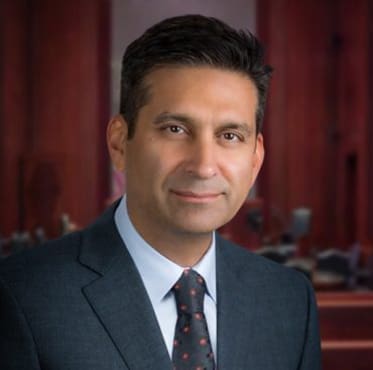


Why Clients Choose Max Alavi, APC
- Super Lawyers recognition based on peer review
- Extensive experience in California probate law
- Millions recovered in trust and probate litigation
- Strategic handling of trust and estate disputes
- Proven advocacy for surviving spouses and heirs
- Clear guidance through complex probate matters
- Outstanding dedication to every one of our clients




Let's Work Together - Tell Us Your Needs
At Max Alavi, Attorney at Law, APC, we understand the complexities of California probate law and are committed to providing solutions for trust and estate disputes. Contact us today to speak with one of our legal staff.