
Mission Viejo Trustee Removal Attorney
Top Ranked Trust & Probate Lawyers in California
5-Star Client Rating | Read Our Reviews
Mission Viejo Trustee Removal Attorneys
At Max Alavi, Attorney at Law, our Mission Viejo-based team is dedicated to providing expert Trustee Removal legal services with integrity, diligence, and compassion. We understand the complexities and emotional challenges that can arise from trustee disputes, and we’re committed to guiding clients through every step with professionalism and personal attention. Clients choose us for our:
- Proven expertise in Trustee Removal law
- Strategic legal approach tailored to each unique case
- Transparent communication and responsive support
"Every client at Max Alavi, Attorney at Law receives clear counsel and unwavering advocacy, ensuring your voice is heard and your interests are protected throughout the trustee removal process in Mission Viejo."
With a reputation for meticulous case preparation and a deep commitment to favorable outcomes, Max Alavi, Attorney at Law stands as a premier choice for anyone seeking trustee removal legal representation in Mission Viejo.
Our Trust Litigation Case Process

1. Case Evaluation
We begin with a full review of the trust, will, financial records, and family history. Our legal team will identify your rights, deadlines, and the best legal path before anything is filed.

2. Court Filings
The case formally begins when a probate petition or trust lawsuit is filed in California probate court, often in Orange County Superior Court. This step sets the legal issues, brings all parties into the case.

3. Discovery and Settlement
Both sides exchange documents, take depositions, and file motions to address disputes. Many trust and probate cases resolve here through settlement discussions or court ordered mediation.

4. Trial and Resolution
If no agreement is reached, the case proceeds to trial before a probate judge. After a ruling, the court orders distributions, removals of fiduciaries, or financial recovery, and we handle enforcement or appeals if needed.
Begin Your Free Case Evaluation Now
Call to schedule a free and confidential consultation with a trust litigation lawyer.


About Max Alavi, Attorney at Law
Established in the heart of Mission Viejo, Max Alavi, Attorney at Law has become a respected pillar in the legal community, serving clients with distinction for over a decade. The firm’s principal focus is on Trustee Removal, but its practice encompasses an extensive range of trust, probate, and estate-related legal services. Drawing from years of experience, Max Alavi, Attorney at Law is renowned for delivering meticulous, solutions-oriented counsel, guiding clients through complex matters with diligence and compassion. Founded on the bedrock principles of professionalism, transparency, and personalized attention, the firm has earned the trust of families and individuals seeking clarity and justice in challenging times.
Operating in Mission Viejo, Max Alavi, Attorney at Law stands apart for its unwavering commitment to ethical representation and client empowerment. The firm is dedicated to educating clients about their rights and options, ensuring they are fully informed at every stage of the legal process in matters such as Trustee Removal. With a reputation built on integrity and a deep-rooted respect for the sensitive nature of trust and estate issues, Max Alavi, Attorney at Law combines innovative strategies with compassionate service. Clients consistently value the firm's honest communication, steadfast advocacy, and its mission to offer peace of mind through tailored legal solutions.
An Interesting Fact About Trustee Removal in Mission Viejo
A notable aspect of trustee removal in Mission Viejo, California, is that courts may consider the trustee’s “hostility” with beneficiaries as grounds for removal—even if no financial harm has occurred. Under California Probate Code, persistent friction or a breakdown in communication between the trustee and beneficiaries can be sufficient basis for removal if it impairs trust administration. This is especially relevant in Mission Viejo, where family disputes often surface during trust proceedings.
Overview of Trustee Removal Laws in Mission Viejo
Trustee removal in Mission Viejo is guided by California state statutes as well as local court practices, ensuring the integrity of trust management and the interests of beneficiaries. According to information provided by Max Alavi, Attorney at Law, a trustee can be removed for reasons including breach of fiduciary duty, incapacity, failure to follow trust terms, self-dealing, or lack of cooperation with beneficiaries. California Probate Code outlines specific procedures for filing a trustee removal petition, which typically involves proving misconduct, negligence, or an inability to properly administer the trust. The local court process in Mission Viejo requires beneficiaries or co-trustees to file a formal petition, followed by hearings and the presentation of supporting evidence, with the ultimate decision resting with the presiding judge.
- Common grounds for trustee removal include mismanagement of assets, conflicts of interest, or failing to act in the beneficiaries' best interests.
- The court may order removal or replace the trustee with a suitable successor, depending on the circumstances and trust terms.
- Potential penalties for a removed trustee may include financial restitution or even litigation for damages.
"Each trustee removal case in Mission Viejo is unique and requires a nuanced understanding of local and state laws. Clients benefit from an attorney's ability to navigate complex legal procedures and present compelling evidence in court.” – Insights from Max Alavi, Attorney at Law
Max Alavi, Attorney at Law, brings substantial expertise in handling trustee removal matters in the Mission Viejo area. The firm emphasizes a thorough approach to both investigation and litigation, effectively representing beneficiaries and other interested parties. Their attorneys are skilled at assessing whether trustees have breached their fiduciary obligations and advising clients on every step of the local court process. With a detailed knowledge of California estate laws and insights into local judicial practices, Max Alavi, Attorney at Law, works to secure just outcomes—whether resolving issues through negotiation or litigating in court if necessary. This comprehensive expertise ensures clients are aware of their options and likely resolutions, which could range from removal and replacement of the trustee to recovery of damages or a negotiated settlement for the restoration of proper trust administration.
Other Services Available
Trust Litigation |
https://www.octrustslawyer.com/trust-litigation |
Contested Will and Trust |
https://www.octrustslawyer.com/trust-will-contests/ |
Beneficiary Representation |
https://www.octrustslawyer.com/beneficiary-representation/ |
Trustee Removal |
https://www.octrustslawyer.com/trustee-removal-surcharge-actions/ |
Effective Trustee Removal Services from Orange County Trust Attorneys at Max Alavi, Attorney at Law
If you are facing issues with a trustee who is failing in their duties, our experienced attorneys can help you seek trustee removal and protect your interests. We offer a free, 30-60 minute initial consultation in which the Max Alavi, Attorney at Law team will thoroughly evaluate the facts and develop a strong defense for your case. You can trust our firm to guide you with professionalism and compassion every step of the way. Contact us today at (949) 706-1919 to discuss your situation in confidence.
Mission Viejo Demographics
Mission Viejo is a master-planned community located in southern Orange County, California, with a mid-2020s population estimated at approximately 93,000 residents. As one of the county’s major suburban cities, Mission Viejo exhibits several notable demographic characteristics:
- Age Distribution: The median age in Mission Viejo is in the low-to-mid 40s, indicative of a mature residential community. Approximately 21% of residents are under 18, while about 19% are 65 and over, evidencing both family presence and a significant population of older adults.
- Diversity: The city’s population is primarily White (non-Hispanic or Latino), followed by Hispanic or Latino residents (about 22%), Asian Americans (over 14%), and smaller representations from African American and other groups. Mission Viejo is less diverse than some neighboring cities but reflects increasing multicultural trends.
- Socioeconomic Indicators: Median household income is comparatively high, estimated around $120,000. The per capita income surpasses $54,000, with poverty levels below 7%. The resident base skew professionally employed, with widespread homeownership and a stable economic environment.
- Educational Attainment: A majority of adults have completed some college, with over 45% holding a bachelor’s degree or higher, supporting the city’s skilled workforce.
- Demographic Trends: The city’s population has remained relatively stable in recent years, with minimal growth but increased diversification, especially among young families and retirees.
Mission Viejo Probate Court System
Probate and trust-related legal matters for Mission Viejo residents are handled by the Superior Court of California, County of Orange. Key details for legal clients include:
- Jurisdiction: All probate, trust, guardianship, and conservatorship matters for Mission Viejo fall under Orange County Superior Court jurisdiction.
- Probate Division Location: The central venue for probate matters is the Central Justice Center in Santa Ana (700 Civic Center Dr. W, Santa Ana, CA), where the Probate/Mental Health Division operates.
- Types of Cases: The Probate Division hears:
- Estate administration and probate
- Trust administration and disputes (including trustee removals)
- Guardianships and conservatorships
- Will contests, minor’s compromise actions, and related proceedings
- Unique Features for Legal Clients:
- Filings and pleadings are managed electronically (e-filing is mandatory for attorneys in probate matters).
- Case information and calendars are accessible online for public reference.
- The court follows local probate rules in conjunction with the California Probate Code, requiring familiarity with both for proper practice.
- Dedicated departments for mediation, alternative dispute resolution, and referee assignment in complex or contested cases.
- Probate Examiner’s Office: Assists with technical review of filings and ensures compliance with procedural requirements.
Family Demographics in Mission Viejo
Mission Viejo is characterized by a strong family orientation, with a substantial presence of married couples, multi-generational families, and community engagement. Family demographic highlights include:
- Household Composition: Of roughly 34,000 households, around 70% are family households, with married couples accounting for the majority. Single-person and non-family households comprise approximately 24% of the total.
- Family Size: The average household size is approximately 2.7 persons, with family households trending slightly larger, reflective of both younger families and “empty nester” couples.
- Divorce Rates: While precise city-specific divorce statistics are not published, Orange County overall maintains a moderate divorce rate, with thousands of filings annually. Mission Viejo typically sees lower divorce rates compared to more urbanized parts of the county, but family law matters remain an important local concern.
- Income Levels: Median family income in Mission Viejo exceeds $125,000, supported by dual-income households and professional employment. Per capita income levels also reflect the area’s relatively affluent status.
- School Systems:
- The city is served primarily by the highly-regarded Saddleback Valley Unified School District (SVUSD) and, for some neighborhoods, the Capistrano Unified School District (CUSD).
- Both districts offer multiple high-performing elementary, intermediate, and high schools.
- Graduation rates and standardized test performance are above state averages, with a broad array of extracurricular and enrichment programs.
- Popular Social Programs and Community Resources:
- Extensive recreation and youth enrichment offered through city-run programs, including athletics, arts, and after-school care.
- Senior services, family counseling resources, and community centers cater to diverse age groups and support family stability.
- Various nonprofit and city partnerships help facilitate access to health care, nutrition, and housing resources for those in need.
Trust Litigation
Areas We Serve
At Max Alavi, Attorney at Law, we have decades of experience in dealing with complex trust litigation matters throughout California. When you hire our legal team, you are bringing on the best and toughest litigators around to aggresively fight on your behalf.
What Our Amazing Clients Have To Say
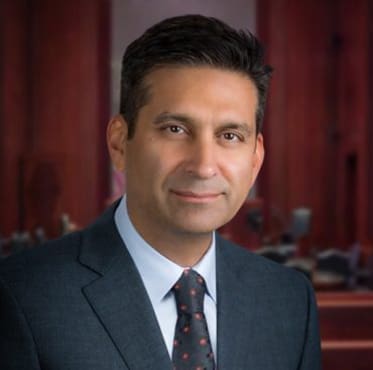


Why Clients Choose Max Alavi, APC
- Super Lawyers recognition based on peer review
- Extensive experience in California probate law
- Millions recovered in trust and probate litigation
- Strategic handling of trust and estate disputes
- Proven advocacy for surviving spouses and heirs
- Clear guidance through complex probate matters
- Outstanding dedication to every one of our clients




Let's Work Together - Tell Us Your Needs
At Max Alavi, Attorney at Law, APC, we understand the complexities of California probate law and are committed to providing solutions for trust and estate disputes. Contact us today to speak with one of our legal staff.