
Fountain Valley Trustee Removal Attorney
Top Ranked Trust & Probate Lawyers in California
5-Star Client Rating | Read Our Reviews
Fountain Valley Trustee Removal Expertise
At Max Alavi, Attorney at Law, our Fountain Valley-based legal team brings unparalleled expertise to complex Trustee Removal cases. We are dedicated to advocating for our clients’ rights with empathy, integrity, and a deep understanding of California trust law. Our commitment to client-focused service means you’ll always receive clear communication, strategic solutions, and personalized attention tailored to your unique circumstances.
“When you need steadfast guidance for Trustee Removal in Fountain Valley, trust Max Alavi, Attorney at Law to protect your interests every step of the way.”
- Specialized Trustee Removal: Extensive experience handling disputed and sensitive trustee matters
- Client-Centered Advocacy: We treat every client like family and prioritize your best outcome
- Responsive and Approachable: Fast, clear updates and easy access to your legal team
Whether you’re concerned about fiduciary misconduct or need advice on removing a trustee for any reason, Max Alavi, Attorney at Law stands ready to offer trusted counsel and vigorous representation in Fountain Valley.
Our Trust Litigation Case Process

1. Case Evaluation
We begin with a full review of the trust, will, financial records, and family history. Our legal team will identify your rights, deadlines, and the best legal path before anything is filed.

2. Court Filings
The case formally begins when a probate petition or trust lawsuit is filed in California probate court, often in Orange County Superior Court. This step sets the legal issues, brings all parties into the case.

3. Discovery and Settlement
Both sides exchange documents, take depositions, and file motions to address disputes. Many trust and probate cases resolve here through settlement discussions or court ordered mediation.

4. Trial and Resolution
If no agreement is reached, the case proceeds to trial before a probate judge. After a ruling, the court orders distributions, removals of fiduciaries, or financial recovery, and we handle enforcement or appeals if needed.
Begin Your Free Case Evaluation Now
Call to schedule a free and confidential consultation with a trust litigation lawyer.

About Max Alavi, Attorney at Law
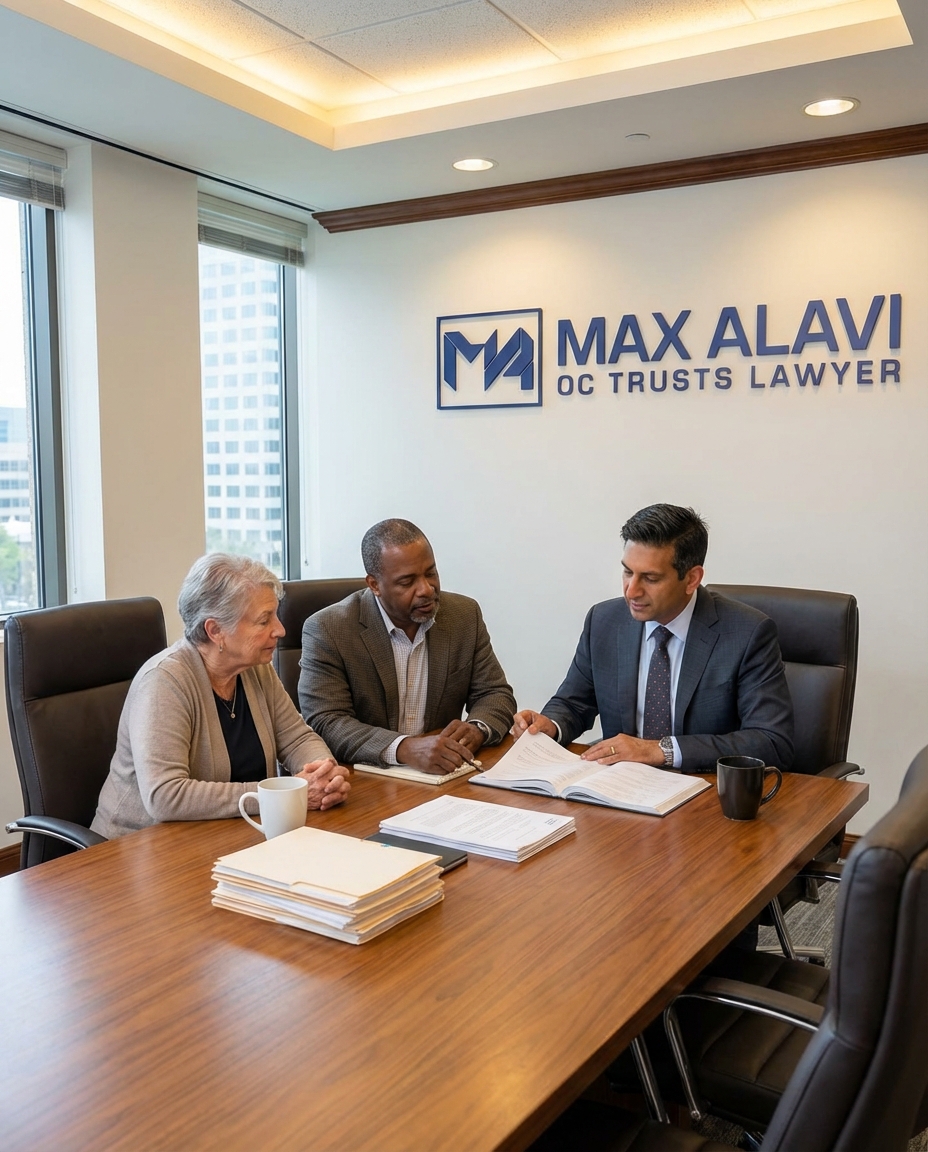
Max Alavi, Attorney at Law, based in Fountain Valley, is an esteemed legal practice known for its commitment to excellence and personalized service. While the firm holds distinguished expertise in Trustee Removal, its comprehensive approach enables clients to navigate various aspects of trust and estate law with confidence. The practice was founded on Max Alavi’s vision of delivering tailored solutions that safeguard clients’ assets and uphold their wishes. Drawing upon years of experience and a solid record of resolving complex legal matters, Max Alavi, Attorney at Law has earned a reputation for attentive advocacy, strategic guidance, and successful outcomes in both contentious and non-contentious probate cases.
Located centrally in Fountain Valley, Max Alavi, Attorney at Law stands out due to its unwavering dedication to integrity, clear communication, and a client-first philosophy. The firm’s legacy is built on a foundation of compassion, professionalism, and thorough legal acumen, particularly in the area of Trustee Removal. Max Alavi and his team take pride in empowering clients with knowledge, providing transparency throughout the legal process, and seeking the most favorable resolutions possible. Their unique approach combines sophisticated legal strategy with genuine care, making Max Alavi, Attorney at Law a trusted resource for those seeking skilled and compassionate representation in Fountain Valley and beyond.
An Interesting Fact About Trustee Removal in Fountain Valley
A lesser-known aspect of trustee removal in Fountain Valley, California, is that probate courts consider not only clear breaches of fiduciary duty but also situations where a trustee’s ongoing hostility or lack of cooperation with beneficiaries threatens proper trust administration. Under California law, courts can remove a trustee if the relationship between the trustee and beneficiaries compromises the trust’s purpose—even if there is no proven misconduct, illustrating California’s focus on effective trust management.
Overview of Trustee Removal Laws in Fountain Valley
Trustee removal in Fountain Valley is primarily governed by California’s Probate Code, which outlines the legal standards and procedures for the removal of a trustee due to misconduct, incapacity, or failure to act in the best interests of the beneficiaries. As explained by Max Alavi, Attorney at Law, local regulations require that individuals pursuing trustee removal demonstrate valid grounds—such as breach of fiduciary duty, mismanagement of trust assets, or conflicts of interest. The court process in Fountain Valley typically involves filing a petition in probate court, presenting evidence, and potentially engaging in mediation before a judge determines whether removal is warranted. An in-depth understanding of the region's court procedures and the nuances of state laws is critical for securing favorable outcomes.
- Common grounds for trustee removal include self-dealing, neglect of duty, incapacity, and failure to provide required accountings.
- Potential penalties for trustees found at fault may include personal liability for losses and restitution to beneficiaries.
- Resolutions may involve replacing the trustee, reinstating proper administration, or, in some cases, recovering misappropriated assets.
"Every trustee has a responsibility to act in the best interests of the trust and its beneficiaries. When a breach occurs, skilled representation is essential to ensure corrective actions are taken efficiently and in accordance with California law." – Insights from Max Alavi, Attorney at Law
The attorneys at Max Alavi, Attorney at Law draw on substantial expertise with trustee removal cases specific to Fountain Valley. Their knowledge of local probate court expectations, filing requirements, and evidentiary standards enables them to provide precise, strategic guidance to clients. Recognizing the emotional and financial complexities that often accompany these disputes, the firm is committed to advocating for beneficiaries’ rights, minimizing unnecessary litigation, and exploring all avenues for resolution—including settlement, replacement of the trustee, or full removal through judicial intervention. By combining a thorough knowledge of California estate laws with local courtroom insights, Max Alavi, Attorney at Law offers reassurance and results-driven advocacy for those navigating the trustee removal process in Fountain Valley.
Other Services Available
Trustee Removal |
https://www.octrustslawyer.com/trustee-removal-surcharge-actions/ |
Trust Litigation |
https://www.octrustslawyer.com/trust-litigation |
Contested Will and Trust |
https://www.octrustslawyer.com/trust-will-contests/ |
Beneficiary Representation |
https://www.octrustslawyer.com/beneficiary-representation/ |
Dedicated Trustee Removal Representation from Orange County Trust Attorneys at Max Alavi, Attorney at Law
If you need to remove a trustee due to mismanagement or breach of fiduciary duty, the experienced team at Max Alavi, Attorney at Law is here to guide you. Our attorneys will thoroughly investigate every detail and build a comprehensive defense for your case, ensuring your interests are protected. Take advantage of our free 30-60 minute initial consultation—call (949) 706-1919 today to discuss your legal options with a caring, professional advisor. We're ready to help you take the right steps with confidence.
Fountain Valley Demographics
Fountain Valley, California is a suburban city located in northern Orange County, with a population estimated to be approximately 57,000 as of the mid‑2020s. Demographic data from the U.S. Census Bureau and local sources reflect a stable population with modest growth over the past decade. The median age in Fountain Valley is approximately 44 years, slightly older than both state and national averages, indicating a sizable population of middle-aged and senior residents. Children under 18 make up about 18% of the population, while the senior population (age 65 and over) constitutes over 18%, emphasizing the city’s appeal to retirees and established families.
- Diversity: Fountain Valley is an ethnically diverse community. The largest racial groups include White (about 50%), Asian (over 35%, with a significant Vietnamese-American population), Hispanic or Latino (about 16%), and smaller percentages of African American and other groups.
- Socioeconomic Indicators: The city boasts median household incomes in the $95,000–$105,000 range, which is above both state and national averages. Per capita income is also high. Homeownership rates are robust, with around two-thirds of households owning their residence.
- Trends: Key trends include increasing diversity, strong homeownership, and a gradually aging population as younger generations move into more urban nearby areas.
Poverty rates in Fountain Valley remain lower than the statewide average, though the high cost of living and home values are important socioeconomic factors for residents considering legal matters such as estate planning, probate, and property disputes.
Fountain Valley Probate Court System
Probate and trust matters—including trustee removal, estate administration, and guardianships—are handled for Fountain Valley residents through the Superior Court of California, County of Orange.
- Primary Venue: The Probate/Mental Health Division operates out of the Central Justice Center located in Santa Ana, which has jurisdiction over all probate cases in Orange County, including those originating in Fountain Valley.
- Case Types:
- Decedent’s estates (with or without a will)
- Trust administration, including petitions for trustee removal or appointment
- Conservatorships (of adults and minors)
- Guardianships of minors’ estates or persons
- Elder abuse and dependent adult protection matters
- Accountings and petitions involving fiduciaries
- Relevant Procedures: Probate cases are governed by the California Probate Code, and local Orange County Superior Court rules may impact deadlines, notices, and filings. The court offers public access tools, including online case searches, calendars, and downloadable forms for the convenience of clients and attorneys.
- Unique Features: The Orange County Probate Court is recognized for its use of e-filing for most probate petitions and for maintaining dedicated probate clerks. Trustees, beneficiaries, and creditors seeking trustee removal or related relief will generally file appropriate petitions at the Central Justice Center and should be aware of the requirement for formal notice to interested parties as well as judicial hearings on removal requests.
For Fountain Valley residents, it is important to retain legal counsel familiar with Orange County probate procedures, local judicial preferences, and the specific nuances associated with trust and estate disputes in this jurisdiction.
Family Demographics in Fountain Valley
Fountain Valley’s household and family structure highlights its suburban character and relative stability. According to recent census data:
- Household Composition: Approximately 73% of the city's 19,500 households are classified as family households. Married-couple families constitute the majority, and multigenerational living is somewhat more common due to cultural influences, particularly among the city’s large Asian community.
- Average Family Size: The average family household consists of approximately 3.2 persons, slightly larger than many California cities, while nonfamily (single or unrelated) households make up the remainder.
- Divorce and Marriage Rates: While exact city-specific divorce rates are not published, Orange County overall displays a divorce rate in line with state averages. County courts process several thousand dissolution proceedings annually, which Fountain Valley residents can access through the Lamoreaux Justice Center in Orange.
- Family and Per Capita Income: Median family income is estimated at $110,000–$115,000 annually, indicating broad economic stability. Per capita income also exceeds state averages, in part due to high rates of dual-income households and professional employment.
- School Systems: Fountain Valley is served primarily by the well-regarded Fountain Valley School District (elementary and middle schools), as well as the Huntington Beach Union High School District for most high school students. Both districts are known for strong academic performance, high test scores, and established extracurricular offerings.
- Social Programs: The city offers a range of community programs including the Fountain Valley Community Center, senior services, and support for youth and families. Notably, the Fountain Valley Community Services Department administers recreational activities, family wellness programs, and support services aimed at enhancing the quality of life for all residents.
These characteristics make Fountain Valley a family-oriented city where legal assistance related to probate, trusts, estate planning, and family law is frequently needed, particularly for multigenerational households and aging residents.
Trust Litigation
Areas We Serve
At Max Alavi, Attorney at Law, we have decades of experience in dealing with complex trust litigation matters throughout California. When you hire our legal team, you are bringing on the best and toughest litigators around to aggresively fight on your behalf.
What Our Amazing Clients Have To Say


Why Clients Choose Max Alavi, APC
- Super Lawyers recognition based on peer review
- Extensive experience in California probate law
- Millions recovered in trust and probate litigation
- Strategic handling of trust and estate disputes
- Proven advocacy for surviving spouses and heirs
- Clear guidance through complex probate matters
- Outstanding dedication to every one of our clients




Let's Work Together - Tell Us Your Needs
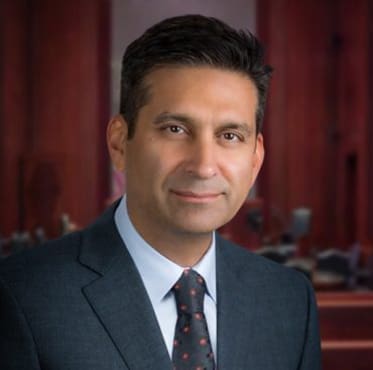
At Max Alavi, Attorney at Law, APC, we understand the complexities of California probate law and are committed to providing solutions for trust and estate disputes. Contact us today to speak with one of our legal staff.