
Los Angeles Trustee Removal Attorney
Top Ranked Trust & Probate Lawyers in California
5-Star Client Rating | Read Our Reviews
Los Angeles Trustee Removal Services
At Max Alavi, Attorney at Law, our dedicated Los Angeles team delivers exceptional legal representation in Trustee Removal matters. With years of focused experience, our firm guides clients through complex trust disputes, ensuring their rights and interests remain protected every step of the way. We take pride in our personalized approach, treating every case with the attention and diligence it deserves. Clients choose Max Alavi, Attorney at Law because of our proven track record, our unwavering commitment to client satisfaction, and our deep understanding of California trust law.
“Your trust, your legacy—protected by Los Angeles’ premier Trustee Removal advocate.”
- Comprehensive guidance on all aspects of trustee removal
- Client-centric, approachable service
- In-depth knowledge of Los Angeles courts and trust statutes
If you are seeking reliable and compassionate counsel for Trustee Removal in Los Angeles, Max Alavi, Attorney at Law stands ready to help you reclaim control and protect what matters most.
Our Trust Litigation Case Process

1. Case Evaluation
We begin with a full review of the trust, will, financial records, and family history. Our legal team will identify your rights, deadlines, and the best legal path before anything is filed.

2. Court Filings
The case formally begins when a probate petition or trust lawsuit is filed in California probate court, often in Orange County Superior Court. This step sets the legal issues, brings all parties into the case.

3. Discovery and Settlement
Both sides exchange documents, take depositions, and file motions to address disputes. Many trust and probate cases resolve here through settlement discussions or court ordered mediation.

4. Trial and Resolution
If no agreement is reached, the case proceeds to trial before a probate judge. After a ruling, the court orders distributions, removals of fiduciaries, or financial recovery, and we handle enforcement or appeals if needed.
Begin Your Free Case Evaluation Now
Call to schedule a free and confidential consultation with a trust litigation lawyer.

About Max Alavi, Attorney at Law
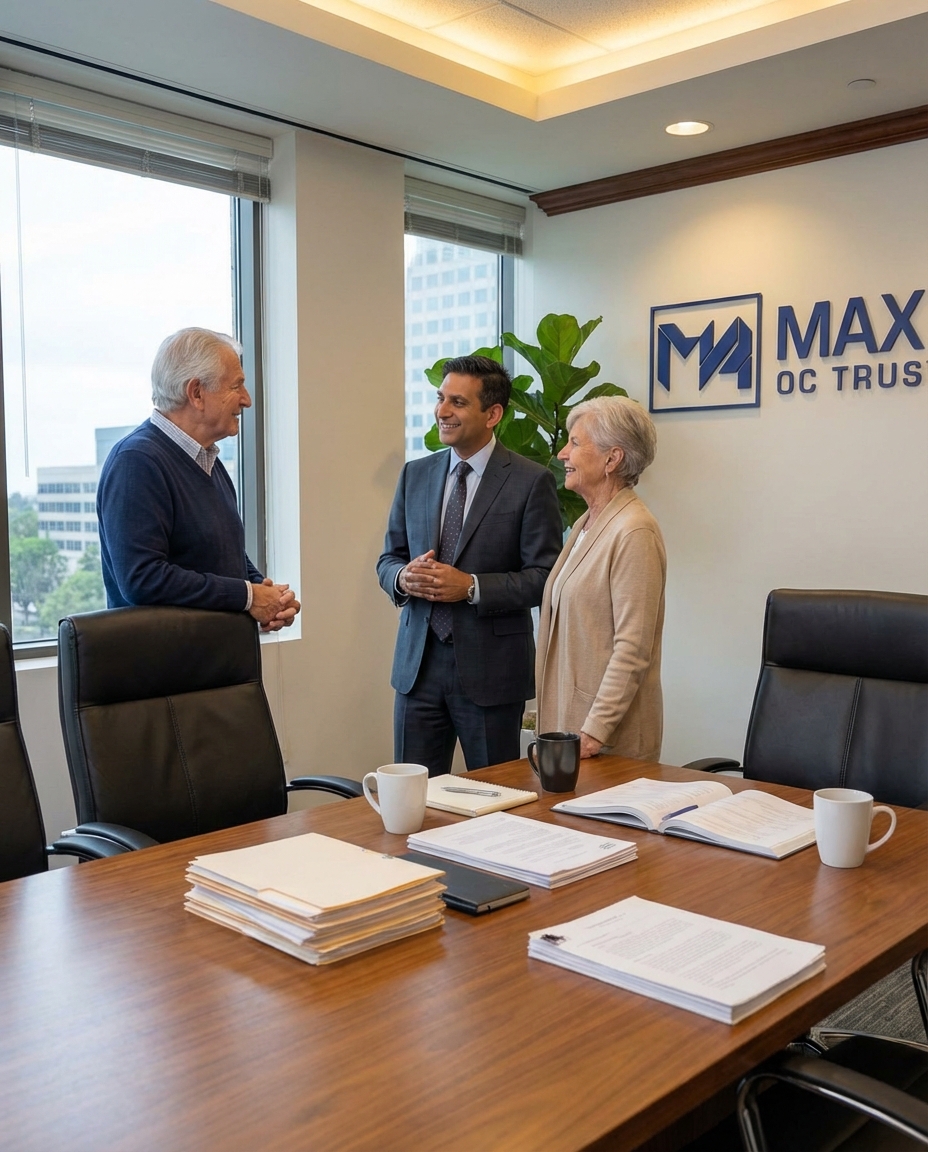
Max Alavi, Attorney at Law in Los Angeles has established itself as a beacon of integrity, personalized service, and legal expertise. The firm, while specializing in Trustee Removal, offers comprehensive legal support in trust and probate law, estate planning, and related matters. Since its inception, Max Alavi, Attorney at Law has rooted its practice in the conviction that each client deserves not only professional representation but also clear communication and compassionate guidance. By blending deep legal knowledge with a hands-on approach, the team has consistently delivered tailored solutions designed to meet the complex needs of individuals and families throughout California.
Situated in bustling Los Angeles, Max Alavi, Attorney at Law is driven by a commitment to excellence and a client-centered philosophy highlighted on their firm’s About Us page. With a focus on transparency, honesty, and unwavering advocacy in Trustee Removal cases and beyond, Max Alavi and his team stand out by prioritizing the well-being and peace of mind of those they represent. The firm’s history of successful outcomes is matched only by its dedication to fostering trust-based relationships and providing legal counsel that is as accessible as it is effective. At Max Alavi, Attorney at Law, every case is treated with the utmost diligence and respect, reflecting the values and integrity at the heart of their practice.
An Interesting Fact About Trustee Removal in Los Angeles
A lesser-known but important fact about trustee removal in Los Angeles is that California law allows beneficiaries to petition the court for trustee removal not only for clear financial misconduct, but also for persistent failure to communicate. In some cases, a trustee’s refusal to keep beneficiaries reasonably informed about trust affairs can justify their removal. The California Probate Code highlights the state’s commitment to transparency and accountability in trust administration, safeguarding beneficiaries’ interests beyond just financial issues.
Overview of Trustee Removal Laws in Los Angeles
Trustee removal in Los Angeles entails navigating a complex web of California probate laws, local court procedures, and specific standards of fiduciary duty. As detailed by Max Alavi, Attorney at Law, California Probate Code provides beneficiaries and interested parties the right to petition the court for trustee removal if grounds such as breach of trust, incapacity, mismanagement, or persistent failure to act are present. Local Los Angeles courts require clear evidence of misconduct or inability to properly manage trust assets before considering removal. The process typically involves filing a petition, notice to all parties, and a formal court hearing, where both sides can present arguments and evidence. Understanding these nuanced procedures—and ensuring compliance with strict legal requirements—is crucial for a successful outcome.
- The most common grounds for trustee removal include violation of fiduciary duties, conflicts of interest, and failure to provide required accountings.
- Los Angeles courts may appoint a temporary trustee during proceedings to protect trust assets.
- Potential penalties for a removed trustee include personal liability for losses or damages sustained by the trust.
“Effective navigation of the trustee removal process often hinges on prompt legal action and detailed knowledge of local judicial expectations.” – Insights from Max Alavi, Attorney at Law
With deep expertise in Los Angeles trust litigation, Max Alavi, Attorney at Law offers clients guidance through every stage—from evaluating the merits of a removal petition to advocating in court and safeguarding beneficiaries’ interests. The firm’s familiarity with local probate judges, procedures, and recent case law allows them to craft persuasive arguments and anticipate procedural hurdles, maximizing the odds of a favorable resolution. Whether clients are seeking to remove a negligent trustee or defend a trustee facing challenge, Max Alavi’s legal team provides tailored solutions, aiming for outcomes that restore integrity, protect assets, and ensure the efficient administration of trusts.
Other Services Available
Trust Litigation |
https://www.octrustslawyer.com/trust-litigation |
Contested Will and Trust |
https://www.octrustslawyer.com/trust-will-contests/ |
Beneficiary Representation |
https://www.octrustslawyer.com/beneficiary-representation/ |
Trustee Removal |
https://www.octrustslawyer.com/trustee-removal-surcharge-actions/ |
Guidance from a Trustee Removal Attorney at Max Alavi, Attorney at Law
If you believe a trustee is acting improperly or failing in their duties, our skilled team can help you pursue legal removal proceedings. At Max Alavi, Attorney at Law, we will thoroughly evaluate every detail of your case to build a strong defense for your interests. Take the first step—contact us for a free 30-60 minute consultation by calling (949) 706-1919. You can feel confident knowing our approachable and professional attorneys are dedicated to protecting your rights and guiding you through every step of the process.
Los Angeles Demographics
Los Angeles, California is the largest city in the state and the second-largest in the United States, with an estimated population of approximately 3.8 to 3.9 million residents as of the mid-2020s. The city exhibits considerable demographic diversity and dynamic population trends:
- Population Size and Growth: The population has remained relatively stable in recent years, reflecting patterns of urban migration, housing costs, and employment opportunities.
- Age Distribution: The median age is approximately 36 years, with roughly 21% of residents under age 18 and about 13% aged 65 or older, indicating a balanced mix of youth, working-age adults, and seniors.
- Ethnic and Racial Diversity: Los Angeles is one of the nation’s most diverse cities:
- Latino/Hispanic: ~48%
- White (Non-Hispanic): ~28%
- Asian: ~11%
- African American: ~8%
- Other/multiracial groups: various smaller percentages
- Socioeconomic Indicators:
- Median household income: Approximately $69,000 (Los Angeles City), slightly lower than California’s statewide median.
- Per capita income: Roughly $39,000.
- Poverty rate: Estimated between 17–18%, above the national average, reflecting significant economic disparities.
- The city includes both high-income neighborhoods and areas with persistent economic challenges.
- Notable Trends: Notable trends include moderate population growth in some neighborhoods, increasing ethnic diversity, and ongoing challenges related to housing affordability and economic inequality.
Los Angeles’ vibrant demographic profile supports a wide variety of cultural, community, and professional networks, directly shaping demand for legal services—including trust, estate, and family law matters.
Los Angeles Probate Court System
Probate and trust matters in Los Angeles are handled by the Superior Court of California, County of Los Angeles. This is the state’s largest trial-level court system, with a dedicated division for probate and trust administration:
- Key Probate Court:
- Stanley Mosk Courthouse (Downtown Los Angeles)—Primary location for probate matters.
- Probate Division—Handles all probate estate, trust, guardianship, conservatorship, and related proceedings for the county.
- Types of Cases Handled:
- Decedent’s estates (probate of wills, intestate estate administration)
- Trust litigation (including trustee removal, accounting, disputes among beneficiaries)
- Guardianships and conservatorships (minor and adult incapacitated persons)
- Elder and dependent adult abuse petitions
- Heirship determinations and will contests
- Unique Features:
- Complex, high-volume docket due to city size and population diversity.
- Probate Division utilizes CourtConnect and eFiling for greater accessibility and efficiency.
- Court-appointed counsel and Public Guardian services available for certain conservatorships.
- Local rules supplement the California Probate Code, including specialized procedures for trustee removal, trust accountings, objections, and petitions.
- Litigants and attorneys should be aware of strict notice, hearing, and procedural requirements—especially for trustee removal actions.
- Self-help resources and probate facilitators are provided at Stanley Mosk Courthouse and online.
Clients seeking legal assistance for trustee removal or other probate disputes benefit from understanding that Los Angeles County’s probate court system is robust, with experienced judicial officers, structured processes, and a large volume of matters—emphasizing the value of skilled legal representation.
Family Demographics in Los Angeles
Los Angeles is characterized by a wide variety of family structures, household types, and income distributions, all of which impact legal needs:
- Households:
- Total households: Approximately 1.35 million
- Family households: ~59%
- Non-family/single-person households: ~41%
- Average household size: ~2.8 persons
- Family Structure and Size:
- Married-couple families: ~38% of households
- Single-parent families (female householder): ~15%
- Average family size: 3.5 persons
- Divorce Rates:
- Los Angeles County records a divorce rate consistent with California averages (approximately 8 divorces per 1,000 married women annually; city-specific rates can vary).
- Family law courts see thousands of dissolution matters per year.
- Income Levels:
- Median family income: Approximately $72,000–$75,000 annually
- Significant disparities exist across communities, with affluent areas and neighborhoods experiencing higher poverty rates.
- Per capita income: ~ $39,000
- Education and School Systems:
- Served primarily by the Los Angeles Unified School District (LAUSD)—largest public school system in California, serving over 600,000 K–12 students across multifaceted urban neighborhoods.
- Educational attainment varies widely, influenced by neighborhood income and resources.
- Social Programs:
- Numerous publicly-funded initiatives support families, children, and low-income residents; these include CalWORKs, Medi-Cal, Head Start, afterschool programs, and local legal aid organizations.
- Community organizations offer specialized services for elderly family members, at-risk youth, and immigrant populations.
The diversity in Los Angeles’ family composition and socioeconomic status results in broad-ranging legal needs—from trust and estate planning to guardianships, conservatorships, divorce, child custody, and trustee litigation.
Trust Litigation
Areas We Serve
At Max Alavi, Attorney at Law, we have decades of experience in dealing with complex trust litigation matters throughout California. When you hire our legal team, you are bringing on the best and toughest litigators around to aggresively fight on your behalf.
What Our Amazing Clients Have To Say


Why Clients Choose Max Alavi, APC
- Super Lawyers recognition based on peer review
- Extensive experience in California probate law
- Millions recovered in trust and probate litigation
- Strategic handling of trust and estate disputes
- Proven advocacy for surviving spouses and heirs
- Clear guidance through complex probate matters
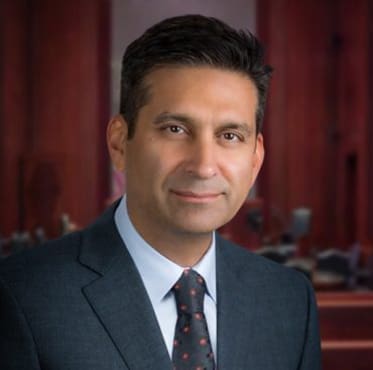
- Outstanding dedication to every one of our clients




Let's Work Together - Tell Us Your Needs
At Max Alavi, Attorney at Law, APC, we understand the complexities of California probate law and are committed to providing solutions for trust and estate disputes. Contact us today to speak with one of our legal staff.