
Yorba Linda Trustee Removal Attorney
Top Ranked Trust & Probate Lawyers in California
5-Star Client Rating | Read Our Reviews
Yorba Linda Trustee Removal Lawyer
At Max Alavi, Attorney at Law, we bring an unmatched level of expertise to Trustee Removal cases in Yorba Linda, helping clients navigate complex trust disputes with confidence and clarity. Our firm is dedicated to ensuring your interests are protected while upholding the highest standards of professionalism and integrity. Whether you suspect mismanagement, conflict of interest, or wrongful acts, our legal team leverages years of experience in Trustee Removal to provide decisive and effective advocacy.
“We believe every client deserves focused attention and strategic solutions tailored to their unique circumstances.”Choose Max Alavi, Attorney at Law for your Trustee Removal needs in Yorba Linda and benefit from our:
- Proven track record in resolving Trustee Removal disputes
- Personalized approach and consistent communication
- In-depth knowledge of local laws and court procedures
Our Trust Litigation Case Process

1. Case Evaluation
We begin with a full review of the trust, will, financial records, and family history. Our legal team will identify your rights, deadlines, and the best legal path before anything is filed.

2. Court Filings
The case formally begins when a probate petition or trust lawsuit is filed in California probate court, often in Orange County Superior Court. This step sets the legal issues, brings all parties into the case.

3. Discovery and Settlement
Both sides exchange documents, take depositions, and file motions to address disputes. Many trust and probate cases resolve here through settlement discussions or court ordered mediation.

4. Trial and Resolution
If no agreement is reached, the case proceeds to trial before a probate judge. After a ruling, the court orders distributions, removals of fiduciaries, or financial recovery, and we handle enforcement or appeals if needed.
Begin Your Free Case Evaluation Now
Call to schedule a free and confidential consultation with a trust litigation lawyer.


About Max Alavi, Attorney at Law
Located in Yorba Linda, Max Alavi, Attorney at Law has earned a stellar reputation for excellence in the field of Trustee Removal and broader trust and estate law. Established with a vision of delivering high-quality legal services in a personalized and accessible manner, the firm is led by Max Alavi, an attorney renowned for his compassionate yet assertive approach. Max Alavi, Attorney at Law prides itself on a commitment to transparency, integrity, and genuine client care. The firm’s history is marked by a continuous pursuit of tailored solutions that resolve even the most complex trust and probate disputes, distinguishing it as a trusted ally for families and individuals navigating transitions in life.
Serving the Yorba Linda community and beyond, Max Alavi, Attorney at Law stands out for its dedication to building meaningful client relationships and upholding the highest standards of professionalism. While trustee removal remains a core area of expertise, the firm’s comprehensive approach spans estate administration, probate litigation, and advanced estate planning. Every case is handled with meticulous attention to detail, empathy, and a deep understanding of both the legal and emotional stakes involved. By prioritizing clear communication and up-to-date legal knowledge, Max Alavi, Attorney at Law continues to set the benchmark for legal service and advocacy in Yorba Linda’s estate law community.
An Interesting Fact About Trustee Removal in Yorba Linda
A notable but often overlooked aspect of California trustee removal, particularly in Yorba Linda, is that courts will consider a trustee’s geographic location when evaluating petitions for removal. If a trustee resides out of state for an extended period, California courts may deem this a valid reason to remove them, as it could hinder effective trust administration. This underscores the state’s emphasis on local oversight and responsiveness in managing trusts for Yorba Linda beneficiaries.
Overview of Trustee Removal Laws in Yorba Linda
Trustee removal in Yorba Linda is governed by California probate law, which outlines specific circumstances under which a trustee can be removed for cause, such as breach of fiduciary duty, mismanagement of trust assets, or conflict of interest. As detailed by Max Alavi, Attorney at Law, local regulations require that beneficiaries or co-trustees seeking removal must present valid legal grounds and follow a formal court process. This often involves filing a petition with the appropriate probate court, providing evidence of wrongdoing, and potentially presenting testimony or documentation during a hearing. The court will consider whether the trustee’s continued service would be detrimental to the interests of the beneficiaries or the purpose of the trust before deciding on removal.
- Common grounds for removal include self-dealing, incapacity, failure to act, or refusal to provide required accountings.
- The court may appoint a successor trustee or temporarily suspend a trustee’s powers during litigation.
- Potential outcomes may involve not only removal but also personal liability for damages caused by mismanagement or breach of duty.
"Having experienced legal representation is essential for navigating the complexities of trustee removal in Yorba Linda. Our office offers detailed guidance through every stage of this process, from evaluating claims to presenting a strong case before the court.” – Insights from Max Alavi, Attorney at Law
With significant expertise in Yorba Linda trust and estate matters, Max Alavi, Attorney at Law assists clients in understanding their rights and the full scope of local probate procedures related to trustee removal. Their team is adept at identifying critical issues such as breaches of duty or mishandling of trust assets and crafting persuasive legal arguments to support removal petitions. Whether resolving cases through negotiated settlement or court trial, the firm’s in-depth knowledge of Yorba Linda's legal landscape enables clients to pursue effective remedies, protect beneficiary interests, and achieve efficient resolution even in complex trust disputes. Their strategic support ensures clients are well-prepared to navigate potential penalties, court requirements, and achieve favorable outcomes tailored to their unique circumstances.
Other Services Available
Trust Litigation |
https://www.octrustslawyer.com/trust-litigation |
Trust Contest |
https://www.octrustslawyer.com/trust-will-contests/ |
Trust Administration |
https://www.octrustslawyer.com/probate-trust-administration/ |
Beneficiary Representation |
https://www.octrustslawyer.com/beneficiary-representation/ |
Beneficiary |
https://www.octrustslawyer.com/beneficiary-representation/ |
Trustee Removal |
https://www.octrustslawyer.com/trustee-removal-surcharge-actions/ |
Compassionate Representation for Trustee Removal Cases by Max Alavi, Attorney at Law
If you believe a trustee is not acting in the best interests of a trust or its beneficiaries, Max Alavi, Attorney at Law, is here to help. Our dedicated team will thoroughly review every aspect of your trustee removal case to craft the strongest possible defense on your behalf. We understand how stressful these matters can be and offer a FREE 30-60 minute initial consultation so you can discuss your concerns confidently and without obligation. Contact us today at (949) 706-1919 to get peace of mind and experienced legal guidance.
Yorba Linda Demographics
Yorba Linda, located in the northeastern portion of Orange County, California, is a suburban community known for its high quality of life and desirable residential environment. According to recent estimates from the U.S. Census Bureau, Yorba Linda has a population of approximately 68,000 residents as of the mid-2020s. The median age in the city is around 44 years, reflecting a mature, family-oriented population with a significant proportion of adults in the 35–64 age range.
- Population Size: Approximately 68,000
- Median Age: 44 years
- Racial and Ethnic Diversity: Predominantly White and Asian, with smaller Hispanic/Latino and African American populations. Yorba Linda continues to see increased cultural diversity in recent years.
- Socioeconomic Indicators:
- Median household income is notably high, generally exceeding $135,000 annually, ranking among the highest in Orange County.
- Per capita income surpasses $57,000, reflective of a largely professional and managerial workforce.
- Poverty rates are low, typically below 4%.
- High rates of educational attainment; a significant proportion of adults hold a bachelor’s or advanced degree.
- Notable Trends:
- Gradual but stable population growth.
- Ongoing residential development in master-planned neighborhoods.
- Sustained appeal for families seeking top-tier schools and community safety.
Yorba Linda Probate Court System
Probate, trust, and estate matters for Yorba Linda residents fall under the jurisdiction of the Superior Court of California, County of Orange. Yorba Linda itself does not have a local courthouse; instead, residents access probate services through centralized court facilities serving all of Orange County. The primary venue for probate and trust cases—including trustee removal proceedings—is the Probate/Mental Health Division located at the:
- Costa Mesa Justice Complex (West Justice Center): 8141 13th Street, Westminster, CA 92683
- Types of Cases Handled:
- Decedent estate administration
- Trust proceedings, including petitions to remove or replace trustees
- Will contests
- Guardianships and conservatorships
- Appointment of executors, administrators, and fiduciaries
- Minor’s compromise hearings
- Elder and dependent adult protection cases
- Unique Features:
- Dedicated probate calendar and judicial officers experienced in trust and estate disputes.
- Electronic case access and filings via the Orange County Superior Court’s online system.
- Availability of probate notes, tentative rulings, and hearing schedules online for public access.
- Trustee removal actions must comply with procedural requirements set forth in the California Probate Code and local Orange County rules.
For legal clients in Yorba Linda, understanding that all probate business—including trustee removals—is consolidated at county-level facilities is essential. Legal counsel can assist with case strategy, evidentiary presentations, and compliance with filing and hearing procedures specific to the Orange County Superior Court.
Family Demographics in Yorba Linda
Yorba Linda is characterized by a predominantly family-oriented demographic profile, with household trends reflecting a strong emphasis on traditional family living arrangements.
- Household Structure:
- Approximately 80% of households are family households, with married couples comprising the majority.
- Average household size is about 3.1 persons per household, higher than the national average.
- A significant proportion of households have children under 18 living at home.
- Divorce Rates:
- While city-specific divorce rates are not published, Orange County’s divorce rate historically exceeds the statewide average, with thousands of dissolution filings annually.
- Family law cases—including divorce, custody, and support—for Yorba Linda residents are adjudicated at the Lamoreaux Justice Center in Orange.
- Family and Per Capita Income:
- Median family income is robust, generally at or above $150,000 per year.
- Per capita income is estimated at more than $57,000, illustrating strong individual earning power.
- School Systems:
- Yorba Linda is primarily served by the Placentia-Yorba Linda Unified School District (PYLUSD), featuring award-winning public elementary, middle, and high schools with high rankings in academics and graduation rates.
- Families are also served by respected private schools in the region, reflecting community investment in education.
- Popular Social Programs:
- Yorba Linda Community Center and city-supported recreational programs for youth and families.
- Access to Orange County social services, including family counseling, senior services, and support for children with special needs.
- Wide participation in local sports leagues, enrichment programs, and parent-teacher associations (PTAs).
Overall, Yorba Linda’s family demographics and community resources create an environment well-suited for stable family living, with ample support structures for residents navigating family law, probate, or trust matters.
Trust Litigation
Areas We Serve
At Max Alavi, Attorney at Law, we have decades of experience in dealing with complex trust litigation matters throughout California. When you hire our legal team, you are bringing on the best and toughest litigators around to aggresively fight on your behalf.
What Our Amazing Clients Have To Say
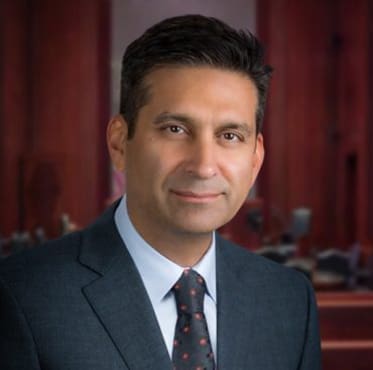


Why Clients Choose Max Alavi, APC
- Super Lawyers recognition based on peer review
- Extensive experience in California probate law
- Millions recovered in trust and probate litigation
- Strategic handling of trust and estate disputes
- Proven advocacy for surviving spouses and heirs
- Clear guidance through complex probate matters
- Outstanding dedication to every one of our clients




Let's Work Together - Tell Us Your Needs
At Max Alavi, Attorney at Law, APC, we understand the complexities of California probate law and are committed to providing solutions for trust and estate disputes. Contact us today to speak with one of our legal staff.