
Yorba Linda Trustee Defense Attorney
Top Ranked Trust & Probate Lawyers in California
5-Star Client Rating | Read Our Reviews
Yorba Linda Trustee Defense Experts
At Max Alavi, Attorney at Law in Yorba Linda, we deliver skilled, client-focused representation to individuals and families facing complex Trustee Defense matters. Our firm stands out for its deep knowledge of trust law, proactive approach to resolving disputes, and unwavering dedication to safeguarding our clients' interests. Whether you’re a trustee seeking to uphold your fiduciary responsibilities or facing allegations of wrongdoing, our tailored legal strategies and compassionate counsel empower you to move forward with confidence. Choose Max Alavi, Attorney at Law for your Trustee Defense in Yorba Linda and experience:
- Proven expertise: Years of experience handling Trustee Defense cases with successful outcomes
- Personalized attention: One-on-one guidance from knowledgeable attorneys committed to your peace of mind
- Problem-solving mindset: Focused on resolving disputes efficiently, often without costly litigation
"We recognize the trust you place in us and approach every Trustee Defense case in Yorba Linda with the dedication and diligence it deserves."
Our Trust Litigation Case Process

1. Case Evaluation
We begin with a full review of the trust, will, financial records, and family history. Our legal team will identify your rights, deadlines, and the best legal path before anything is filed.

2. Court Filings
The case formally begins when a probate petition or trust lawsuit is filed in California probate court, often in Orange County Superior Court. This step sets the legal issues, brings all parties into the case.

3. Discovery and Settlement
Both sides exchange documents, take depositions, and file motions to address disputes. Many trust and probate cases resolve here through settlement discussions or court ordered mediation.

4. Trial and Resolution
If no agreement is reached, the case proceeds to trial before a probate judge. After a ruling, the court orders distributions, removals of fiduciaries, or financial recovery, and we handle enforcement or appeals if needed.
Begin Your Free Case Evaluation Now
Call to schedule a free and confidential consultation with a trust litigation lawyer.


About Max Alavi, Attorney at Law
Max Alavi, Attorney at Law, based in Yorba Linda, has established itself as a trusted advocate for individuals and families navigating complex legal matters. With a particular focus on Trustee Defense, the firm also extends its seasoned expertise to trust and estate administration, trust and probate litigation, and comprehensive estate planning. Since its inception, Max Alavi, Attorney at Law has been distinguished by its commitment to personalized solutions, blending legal acumen with a deep understanding of clients' unique needs. The firm’s history is rooted in a client-first philosophy, emphasizing thorough communication, transparency, and a relentless pursuit of the best possible outcomes.
Situated in Yorba Linda, Max Alavi, Attorney at Law sets itself apart by treating every client with respect, compassion, and unwavering dedication. The firm's values are evident in its approach: each case is handled with care, confidentiality, and thoughtful legal strategy—whether advocating in the field of Trustee Defense or related trust matters. Clients of Max Alavi, Attorney at Law benefit from the firm’s blend of sophisticated experience and personalized support, as well as its reputation for integrity and diligent advocacy. This distinctive blend of expertise and client-centered service continues to be the hallmark that defines Max Alavi, Attorney at Law in the Yorba Linda legal community.
An Interesting Fact About Trustee Defense in Yorba Linda, California
A lesser-known but important fact about trustee defense in Yorba Linda, California, is that state law allows trustees to petition the court for instructions if they face unclear or disputed terms in a trust. This procedure helps trustees reduce personal liability and ensures compliance with California’s extensive fiduciary duties. By seeking judicial guidance—even before a legal challenge arises—trustees can better protect themselves and the trust’s beneficiaries, reflecting the proactive options available under California law.
Overview of Trustee Defense Laws in Yorba Linda
Trustee defense in Yorba Linda is governed by a combination of California state statutes and local court practices that place significant responsibilities on trustees managing estate assets. According to information provided by Max Alavi, Attorney at Law, trustees must adhere to a high fiduciary standard, acting in the best interests of beneficiaries while strictly following the terms of the trust. Key legal requirements include accurate accounting, prudent investment of trust property, timely distribution of assets, and avoidance of any conflicts of interest. The complexities of California probate law mean that even well-intentioned trustees can sometimes become the subject of disputes or legal actions initiated by beneficiaries who believe the trust has been mismanaged or their interests neglected.
- Trustees may face legal claims related to alleged breaches of duty, improper asset management, or failure to provide proper notifications to beneficiaries.
- Potential penalties in trustee disputes can range from removal of the trustee to financial liability for losses caused by errors or misconduct.
- The Yorba Linda court process typically involves detailed accountings, hearings, and opportunities for mediation or negotiated settlements.
“Trustees are often unaware of the full extent of their obligations or the potential legal risks they face. An experienced attorney can clarify these duties and develop strong defenses against unfounded claims.” – Insights from Max Alavi, Attorney at Law
With deep expertise in Yorba Linda probate and trust law, Max Alavi, Attorney at Law offers critical guidance for trustees who need to navigate disputes or defend their actions. The firm’s insights into local regulations and court processes allow them to effectively challenge questionable claims, resolve conflicts via mediation or court intervention, and seek favorable resolutions that protect both the trustee and the integrity of the trust. Their familiarity with common pitfalls, along with clear strategies for record-keeping and compliance, ensures clients receive comprehensive support throughout every phase of the trustee defense process.
Other Services Available
```html
Probate Litigation |
https://www.octrustslawyer.com/probate-litigation/ |
Trustee Defense |
https://www.octrustslawyer.com/trustee-defense/ |
Contested Will |
https://www.octrustslawyer.com/trust-will-contests/ |
Inheritance Disputes |
https://www.octrustslawyer.com/inheritance-disputes/ |
Conservatorship |
https://www.octrustslawyer.com/conservatorships/ |
Surviving Spouse Rights |
https://www.octrustslawyer.com/surviving-spouse-rights/ |
Protect Your Rights with an Experienced Trustee Defense Attorney at Max Alavi, Attorney at Law
If you are facing allegations or challenges as a trustee, you deserve a strong and thorough defense. The legal team at Max Alavi, Attorney at Law specializes in Trustee Defense, carefully evaluating every detail of your case to protect your reputation and interests.
Contact us today for a free 30-60 minute consultation to discuss your situation with an experienced attorney. Call (949) 706-1919 to get started and receive the expert guidance you need.
Yorba Linda Demographics
Yorba Linda, California is an affluent suburban community located in the northeastern part of Orange County. As of 2024, the city’s population is estimated to be approximately 68,000 residents. Yorba Linda exhibits the following demographic characteristics:
- Population Size & Growth: The city has experienced moderate growth over the past decade, largely due to new residential developments and strong community amenities.
- Age Distribution: The median age in Yorba Linda is around 43 years, indicative of a mature population with a significant number of working-age adults and a well-represented senior segment. Children and adolescents under 18 comprise roughly 23% of residents.
- Diversity: Yorba Linda is predominantly White, but has notable Asian and Hispanic or Latino communities, contributing to increasing cultural diversity. A growing number of international families have settled in recent years.
- Socioeconomic Indicators:
- Median household income is significantly above the state average, estimated at $135,000–$145,000 annually.
- Poverty rates are far lower than both county and statewide averages, and homeownership rates are among the highest in Orange County.
- Most residents are professionals or business owners, contributing to strong economic performance at the household level.
- Trends: Yorba Linda remains a desirable community for families and retirees seeking stable neighborhoods, good schools, and a high quality of life. Demographic trends show slow, steady population growth with continuing increases in diversity and education levels.
Yorba Linda Probate Court System
Probate and trust matters in Yorba Linda are handled through the Superior Court of California, County of Orange. Orange County’s centralized court structure services Yorba Linda residents for all probate, trust, conservatorship, and related estate matters. Key information about the probate court system includes:
- Jurisdiction: The Orange County Superior Court exercises jurisdiction for probate and trust cases arising out of Yorba Linda.
- Physical Location: The main venue for probate matters is the County’s Probate/Mental Health Division, located at the Central Justice Center in Santa Ana (700 Civic Center Dr. W, Santa Ana, CA 92701).
- Case Types Handled:
- Probate of wills and administration of estates
- Trust administration disputes, including trust contests and trustee defense
- Conservatorship and guardianship matters
- Litigated fiduciary controversies (breaches of duty, removal actions, accountings)
- Minor’s compromises and elder or dependent adult abuse petitions
- Features Relevant to Legal Clients:
- The court offers electronic filing and online case tracking for most probate matters, including trust disputes.
- Specialized Probate Examiners and law clerk teams review petitions for compliance with California Probate Code and Orange County Local Rules.
- Yorba Linda clients seeking trustee defense—such as beneficiaries challenging trustee conduct or trustees accused of breaching their duties—will have their disputes adjudicated under the Orange County Probate Rules with hearings at the Central Justice Center.
- Resources for mediation and court-appointed fiduciaries are available for complex or contested trust matters.
For family law matters, such as divorce, custody, and support, Yorba Linda residents typically utilize the Family Law Panel at the Lamoreaux Justice Center in Orange, which is a separate venue from the Probate Division.
Family Demographics in Yorba Linda
Yorba Linda’s household composition centers on families, with a significant percentage of larger, owner-occupied homes. Key indicators of the city’s family profile include:
- Household Structure:
- About 80% of Yorba Linda’s housing units are single-family homes.
- Approximately 75% of all households are classified as “family households”, exceeding the national average.
- The average household size is about 3.0 people, with many homes having children under age 18.
- Marriage and Divorce:
- The married-couple household rate is high; single-parent and single-person households make up a smaller proportion than in most nearby cities.
- Divorce rates in Yorba Linda are lower than the county and state average, although exact figures are not individually published for the city. Orange County generally posts a divorce rate between 8% to 10% for adults over age 15.
- Income and Economic Profile:
- Median household income for families: $145,000 (well above state and regional norms).
- Per capita income in Yorba Linda is estimated above $55,000.
- Poverty rates within family groups are notably low, contributing to overall community stability.
- Schools and Social Programs:
- Public schools are managed by the Placentia-Yorba Linda Unified School District (PYLUSD), known for high test scores, graduation rates, and diverse academic offerings.
- Key public schools include Yorba Linda High School, Glenknoll Elementary, and the award-winning Travis Ranch School.
- Social programs for families, youth, and seniors are coordinated through both city government and regional partnerships, including recreation programs, after-school care, and ongoing parent/family support services.
Yorba Linda continues to attract families seeking safety, strong public education, and a supportive, community-oriented environment, with many amenities directed toward multi-generational households.
Trust Litigation
Areas We Serve
At Max Alavi, Attorney at Law, we have decades of experience in dealing with complex trust litigation matters throughout California. When you hire our legal team, you are bringing on the best and toughest litigators around to aggresively fight on your behalf.
What Our Amazing Clients Have To Say
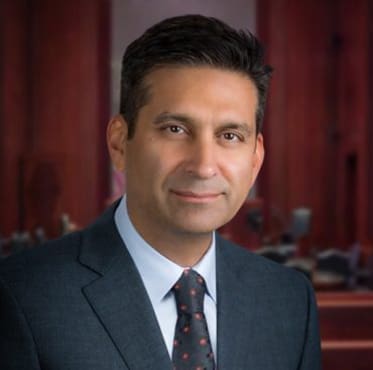


Why Clients Choose Max Alavi, APC
- Super Lawyers recognition based on peer review
- Extensive experience in California probate law
- Millions recovered in trust and probate litigation
- Strategic handling of trust and estate disputes
- Proven advocacy for surviving spouses and heirs
- Clear guidance through complex probate matters
- Outstanding dedication to every one of our clients




Let's Work Together - Tell Us Your Needs
At Max Alavi, Attorney at Law, APC, we understand the complexities of California probate law and are committed to providing solutions for trust and estate disputes. Contact us today to speak with one of our legal staff.