
Yorba Linda Estate Planning Attorney
Top Ranked Trust & Probate Lawyers in California
5-Star Client Rating | Read Our Reviews
Yorba Linda Estate Planning Lawyers
At Max Alavi, Attorney at Law, we bring a wealth of experience and personalized care to clients seeking estate planning services in Yorba Linda. Our dedicated team is passionate about helping individuals and families preserve their legacies with comprehensive, tailor-made strategies designed to address each client's unique goals and concerns. Choosing Max Alavi, Attorney at Law means partnering with professionals who are known for their responsiveness, in-depth knowledge of estate planning laws, and a commitment to clear, honest communication every step of the way.
- Customized estate plans to match your personal and financial goals
- Proven expertise in wills, trusts, probate, and asset protection
- A trustworthy resource for families and individuals in Yorba Linda
"We believe every family's legacy deserves protection. Experience peace of mind with Max Alavi, Attorney at Law."
Our Trust Litigation Case Process

1. Case Evaluation
We begin with a full review of the trust, will, financial records, and family history. Our legal team will identify your rights, deadlines, and the best legal path before anything is filed.

2. Court Filings
The case formally begins when a probate petition or trust lawsuit is filed in California probate court, often in Orange County Superior Court. This step sets the legal issues, brings all parties into the case.

3. Discovery and Settlement
Both sides exchange documents, take depositions, and file motions to address disputes. Many trust and probate cases resolve here through settlement discussions or court ordered mediation.

4. Trial and Resolution
If no agreement is reached, the case proceeds to trial before a probate judge. After a ruling, the court orders distributions, removals of fiduciaries, or financial recovery, and we handle enforcement or appeals if needed.
Begin Your Free Case Evaluation Now
Call to schedule a free and confidential consultation with a trust litigation lawyer.


About Max Alavi, Attorney at Law
Max Alavi, Attorney at Law in Yorba Linda has established itself as a premier law firm, recognized for its compassionate client service and in-depth expertise in Estate Planning. Founded by Max Alavi, whose distinguished legal career is rooted in decades of specialized practice, the firm’s mission centers on guiding individuals and families through complex life transitions with clarity and peace of mind. With a deep respect for each client’s unique needs, Max Alavi, Attorney at Law offers tailored solutions that address wills, trusts, probate matters, and asset protection, distinguishing itself through strategic planning and personalized legal counsel.
Located in Yorba Linda, Max Alavi, Attorney at Law is valued for its unwavering commitment to integrity, education, and advocacy. The firm’s team believes that every client deserves the highest level of respect, transparency, and confidentiality. Their core values—empathy, attentiveness, and legal precision—are evident in every case, from straightforward estate planning to complex trust administration and dispute resolution. By consistently prioritizing effective communication, thorough education, and meticulous attention to detail, Max Alavi, Attorney at Law has become a trusted resource for individuals and families seeking peace of mind and lasting protection for their most important assets.
An Interesting Fact About Estate Planning in Yorba Linda, California
While many think of wills and trusts as just documents, California law requires that, in Yorba Linda and throughout the state, a properly executed advance health care directive is a key part of estate planning. This legal document not only lets you appoint someone to make medical decisions on your behalf but also ensures compliance with California’s strict witnessing or notarization requirements, making it crucial for your end-of-life wishes to be followed accurately.
Overview of Estate Planning Laws in Yorba Linda
Estate planning in Yorba Linda is shaped by California state statutes and local county regulations, which outline how individuals can protect, preserve, and transfer their assets after death or in the event of incapacity. According to information provided by Max Alavi, Attorney at Law, key legal components of estate planning include wills, trusts, durable powers of attorney, and advanced healthcare directives. Yorba Linda residents should be aware that California’s probate process can be complex and time-consuming, potentially resulting in additional expenses and delays for heirs. By creating a comprehensive estate plan, individuals can help their loved ones avoid probate, minimize estate taxes, and ensure their wishes are clearly expressed and legally enforceable. The firm highlights the importance of keeping documentation current to account for legal changes, family dynamics, or significant life events.
- California law mandates specific requirements for valid wills and trusts, including proper witnessing and signatures.
- Without a valid estate plan, state intestacy laws determine asset distribution, which may not reflect personal wishes.
- Trusts can provide enhanced privacy and help bypass potentially lengthy probate proceedings.
"Effective estate planning is more than drafting documents—it's about anticipating challenges, tailoring solutions, and guiding families through the intricacies of California’s legal system." – Insights from Max Alavi, Attorney at Law
The insights and expertise of Max Alavi, Attorney at Law are critical for Yorba Linda clients facing questions about estate planning. The firm is adept at managing the local court processes, understanding Orange County’s probate system, and advising clients on strategies to minimize exposure to estate taxes and avoid litigation. Their approach involves a detailed consultation to identify unique family needs, asset profiles, and long-term goals. Max Alavi, Attorney at Law emphasizes that, through careful planning and professional guidance, clients can secure favorable resolutions—such as streamlined trust administration, successful probate avoidance, and the timely distribution of assets to beneficiaries. Addressing potential penalties like unnecessary taxation or misallocation of assets, the firm’s tailored counsel ensures compliance with both state and Yorba Linda area regulations while offering peace of mind for the future.
Other Services Available
```html
Probate Administration |
https://www.octrustslawyer.com/probate-trust-administration/ |
Estate Planning |
https://www.octrustslawyer.com/estate-planning/ |
Trusted Orange County Estate Planning Attorneys at Max Alavi, Attorney at Law
Planning for your family's future can feel overwhelming, but you don’t have to do it alone. Our skilled estate planning attorneys at Max Alavi, Attorney at Law will thoroughly evaluate your unique circumstances to create a tailored plan that protects your loved ones and assets. Schedule a free 30-60 minute consultation to get clear answers and a compassionate, professional partner on your side. Contact us today at (949) 706-1919 to get started.
Yorba Linda Demographics
Yorba Linda, California is an affluent suburban community located in northeastern Orange County, with an estimated population of approximately 68,000–69,000 residents as of the mid-2020s. The population has grown modestly in recent years, reflecting the city’s primarily residential character and controlled development policies. Key demographic features include:
- Age Distribution: Yorba Linda has a median age in the mid- to upper-40s, indicating a mature population profile with a significant proportion of established families and older adults. About 20% of residents are under age 18, while a considerable percentage of the population is in the 45 and older bracket.
- Diversity: While historically predominantly non-Hispanic White, Yorba Linda’s population now demonstrates increased diversity. Residents of Asian and Hispanic or Latino backgrounds have grown in share over recent decades, alongside smaller percentages of other racial and ethnic groups, enhancing the city’s multicultural character.
- Socioeconomic Indicators:
- High median household income, estimated at $140,000–$160,000, significantly exceeding both California and national averages.
- Per capita income is also well above state and county norms, reflecting an economically strong and well-educated community.
- Poverty rates are notably low, with less than 4% of residents estimated to be below the poverty line.
- Homeownership rates are high, with the majority of residents living in owner-occupied, single-family homes.
- Notable Trends: Yorba Linda continues to attract families and professionals seeking high-quality schools, safe neighborhoods, and strong community amenities; however, slow population growth and high housing prices reflect the desirability and stability of the area, as well as challenges related to affordability.
Yorba Linda Probate Court System
Probate and estate matters for Yorba Linda residents are handled by the Superior Court of California, County of Orange. The relevant probate division is centralized, primarily located at the Central Justice Center in Santa Ana, which serves all Orange County cities, including Yorba Linda.
- Key Court: Orange County Superior Court Probate/Mental Health Division (Central Justice Center)
- Types of Cases Handled:
- Probate of wills and administration of decedents' estates
- Trust proceedings, including disputes and accountings
- Conservatorship and guardianship proceedings
- Small estate and summary proceedings
- Elder and dependent adult protective proceedings
- Minor’s compromise and related petitions
- Unique Features Relevant to Legal Clients:
- All filings for probate and trust matters must comply with local court rules and Orange County-specific procedures.
- Remote access to dockets, filings, and schedule information is available via the county's online system, enabling clients and attorneys to review case status and documentation.
- Mandatory forms, document standards, and deadlines are strictly enforced as per California Probate Code and local Orange County rules.
- Initial filings and subsequent hearings for Yorba Linda residents occur in the same centralized division that handles all Orange County probate cases, not a city-specific court.
- Self-help resources, mediation services, and legal facilitators are available to assist parties with probate, trust, and guardianship matters.
Family Demographics in Yorba Linda
Yorba Linda is characterized by its strong family orientation and high standards of living, with demographic indicators reflecting stability and affluence. Key family demographic details include:
- Household Structure:
- Approximately 80% of Yorba Linda’s households are family households—a figure well above state and national averages.
- The city features a high proportion of married-couple households, as well as a significant number of households with children under 18.
- Single-person and non-family households are present but make up a smaller share of the overall housing stock.
- The average household size is about 3.1 persons, and average family size is close to 3.4 persons, indicating family-centric living arrangements.
- Divorce Rates:
- Yorba Linda consistently reports lower divorce rates than state and countywide averages, reflecting stability among family units.
- Divorce and related family law matters are heard at county family law courts, primarily the Lamoreaux Justice Center in Orange for Yorba Linda residents.
- Household and Family Income:
- The median family income generally ranges from $150,000–$170,000, illustrating the prevalence of dual-income and professional households.
- Per capita income is also comparatively high, supporting overall affluence and low poverty levels.
- School System:
- Yorba Linda is served by the highly respected Placentia-Yorba Linda Unified School District (PYLUSD).
- PYLUSD schools achieve high graduation rates, strong academic outcomes, and offer comprehensive educational and extracurricular programs.
- Many families select Yorba Linda for its reputation for educational excellence and safe, supportive school communities.
- Social Programs:
- The city and local organizations provide family-centered community resources, including youth sports leagues, after-school programs, child care initiatives, senior services, and counseling support.
- Recreational amenities—such as parks, hiking trails, and community centers—are widely used by families and enhance quality of life.
Trust Litigation
Areas We Serve
At Max Alavi, Attorney at Law, we have decades of experience in dealing with complex trust litigation matters throughout California. When you hire our legal team, you are bringing on the best and toughest litigators around to aggresively fight on your behalf.
What Our Amazing Clients Have To Say
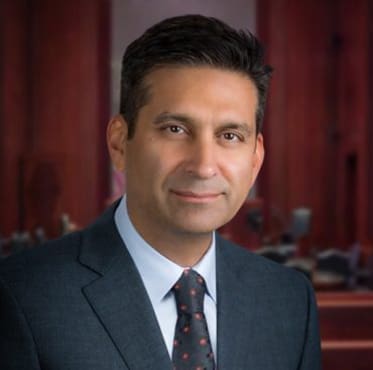


Why Clients Choose Max Alavi, APC
- Super Lawyers recognition based on peer review
- Extensive experience in California probate law
- Millions recovered in trust and probate litigation
- Strategic handling of trust and estate disputes
- Proven advocacy for surviving spouses and heirs
- Clear guidance through complex probate matters
- Outstanding dedication to every one of our clients




Let's Work Together - Tell Us Your Needs
At Max Alavi, Attorney at Law, APC, we understand the complexities of California probate law and are committed to providing solutions for trust and estate disputes. Contact us today to speak with one of our legal staff.