
Yorba Linda Beneficiary Representation Attorney
Top Ranked Trust & Probate Lawyers in California
5-Star Client Rating | Read Our Reviews
Beneficiary Representation in Yorba Linda
At Max Alavi, Attorney at Law, we pride ourselves on delivering expert Beneficiary Representation to clients in Yorba Linda who seek clarity, protection, and advocacy in estate and trust matters. With years of focused experience, our firm combines in-depth legal knowledge with a steadfast dedication to every client’s unique needs, ensuring your interests are protected at every stage of the legal process.
- Comprehensive guidance through complex beneficiary disputes
- Personalized attention for each client in Yorba Linda
- Thorough analysis of estates, trusts, and legal documents
- Compassionate yet assertive representation in negotiations and court
“Clients choose Max Alavi, Attorney at Law because we genuinely care about securing their rightful inheritance and easing their legal burdens during challenging times.”
Our Trust Litigation Case Process

1. Case Evaluation
We begin with a full review of the trust, will, financial records, and family history. Our legal team will identify your rights, deadlines, and the best legal path before anything is filed.

2. Court Filings
The case formally begins when a probate petition or trust lawsuit is filed in California probate court, often in Orange County Superior Court. This step sets the legal issues, brings all parties into the case.

3. Discovery and Settlement
Both sides exchange documents, take depositions, and file motions to address disputes. Many trust and probate cases resolve here through settlement discussions or court ordered mediation.

4. Trial and Resolution
If no agreement is reached, the case proceeds to trial before a probate judge. After a ruling, the court orders distributions, removals of fiduciaries, or financial recovery, and we handle enforcement or appeals if needed.
Begin Your Free Case Evaluation Now
Call to schedule a free and confidential consultation with a trust litigation lawyer.


About Max Alavi, Attorney at Law
Max Alavi, Attorney at Law in Yorba Linda is recognized for delivering high-caliber legal service with a primary focus on Beneficiary Representation, while skillfully navigating an expansive array of trust, probate, and estate planning matters. The firm’s roots are grounded in a legacy of excellence and compassionate advocacy, established by Max Alavi’s commitment to serving families and individuals through both straightforward and complex legal challenges. Backed by a team of seasoned professionals, Max Alavi, Attorney at Law leverages their wealth of knowledge to develop practical solutions, offering each client tailored strategies rooted in integrity and diligence.
Located in the vibrant community of Yorba Linda, Max Alavi, Attorney at Law sets itself apart by prioritizing clear communication, personal attention, and the highest standards of ethical practice. Clients can expect an approachable, yet rigorous, legal team dedicated to protecting their interests at every stage. The firm’s ongoing mission is to provide reliable guidance in Beneficiary Representation while fostering long-term relationships based on trust and transparency. With a steadfast dedication to client empowerment and legal excellence, Max Alavi, Attorney at Law is a respected partner and advocate for those navigating California’s complex legal landscape.
An Interesting Fact About Beneficiary Representation in Yorba Linda
A lesser-known aspect of beneficiary representation in Yorba Linda, California is that when trust or estate disputes arise, California courts can appoint a “guardian ad litem” specifically for a beneficiary who is a minor or legally incapacitated. This court-appointed representative’s sole responsibility is to safeguard that beneficiary’s interests during litigation, ensuring that the rights and voices of vulnerable beneficiaries are not overlooked as complex legal proceedings move forward in Yorba Linda probate court.
Key Laws Governing Beneficiary Representation in Yorba Linda
Beneficiary representation in Yorba Linda is primarily shaped by California’s robust estate planning and probate laws, which safeguard the rights of individuals named in wills, trusts, and other estate instruments. As detailed on the provided webpage by Max Alavi, Attorney at Law, beneficiaries in Yorba Linda are entitled to transparent communication, timely distribution of assets, and the right to contest any mishandling of estate administration. Local regulations require personal representatives and trustees to comply with formal accountings, notice obligations, and fiduciary duties as governed by the California Probate Code. The court process in Yorba Linda generally begins with the filing of a petition in the Orange County Superior Court, where issues such as validity of estate documents and alleged breaches of fiduciary duty are reviewed.
- Strict timelines are enforced for filing claims, objections, or challenges to a will or trust.
- Potential penalties for fiduciaries who breach their duties include removal from office, restitution to beneficiaries, and, in some cases, personal liability for losses.
- Disputes may arise over document interpretations, omitted assets, or suspected undue influence, all of which can be resolved through negotiation, mediation, or court intervention.
“Thorough understanding of probate and trust administration laws is essential for protecting beneficiaries’ interests and ensuring a fair process for all parties.” – Insights from Max Alavi, Attorney at Law
With extensive experience in Yorba Linda, Max Alavi, Attorney at Law offers significant expertise in guiding beneficiaries through every aspect of estate proceedings. The firm’s approach integrates deep knowledge of local court processes and California’s estate laws to advocate for beneficiaries—whether enforcing rights, contesting suspicious activity, or ensuring timely asset distributions. Clients working with the firm benefit from proactive case management, clear communication, and a strong commitment to reaching equitable resolutions, whether through litigation or alternative dispute solutions. This dedication to protecting clients’ interests ensures beneficiaries in Yorba Linda can approach probate and trust matters with confidence and support.
Other Services Available
```html
Trust Litigation |
https://www.octrustslawyer.com/trust-litigation |
Trust Contest |
https://www.octrustslawyer.com/trust-will-contests/ |
Trust Administration |
https://www.octrustslawyer.com/probate-trust-administration/ |
Beneficiary Representation |
https://www.octrustslawyer.com/beneficiary-representation/ |
Beneficiary |
https://www.octrustslawyer.com/beneficiary-representation/ |
Trustee Removal |
https://www.octrustslawyer.com/trustee-removal-surcharge-actions/ |
Supporting Beneficiaries with Beneficiary Representation by Max Alavi, Attorney at Law
If you're a beneficiary facing challenges or disputes over your inheritance rights, trust the attorneys at Max Alavi, Attorney at Law to advocate on your behalf. We provide experienced and dedicated beneficiary representation, thoroughly reviewing every detail to protect your interests and build a strong defense. Our team is here to guide you through each step with professionalism and care. Take the first step today—contact us for a free, 30-60 minute consultation at (949) 706-1919. Your peace of mind matters, and we’re ready to help.
Yorba Linda Demographics
Yorba Linda, California, located in northeastern Orange County, is home to an estimated population of approximately 68,000 residents as of the mid‑2020s, according to U.S. Census Bureau data. The city’s population growth has stabilized compared to previous decades, reflecting a mature, largely suburban community profile.
- Age Distribution: Yorba Linda has a median age in the low 40s. There is a balanced mix of age groups, though the community is noted for a comparatively higher proportion of middle-aged and older adults, with a significant share of residents under 18 reflecting many family households.
- Diversity: The city's demographic composition is primarily White and Asian, with Hispanic or Latino residents representing the next largest group. Additional representation comes from African American and other minority populations, contributing to growing diversity in recent years.
- Socioeconomic Indicators:
- Yorba Linda features a high standard of living relative to regional and state averages.
- Median household income exceeds $140,000 annually.
- Poverty rates are low.
- The cost of housing and living is high, reflecting its status as an affluent, predominantly residential community.
- Trends: The city’s demographics suggest modest ongoing diversification and a stability in population size, with high educational attainment rates and a strong focus on family-oriented amenities.
Yorba Linda Probate Court System
Probate and trust matters for residents of Yorba Linda fall under the jurisdiction of the Superior Court of California, County of Orange. While Yorba Linda itself does not have its own probate court, residents are served primarily through probate divisions centralized elsewhere in Orange County.
- Key Probate Court: Matters are typically handled at the Central Justice Center in Santa Ana and the Costa Mesa Justice Complex for probate and mental health proceedings.
- Matters Handled:
- Decedents' estates (probating wills and intestate estates)
- Trust administration and disputes
- Contested and uncontested petitions
- Guardianships for minors
- Conservatorships for incapacitated adults
- Minor’s compromise hearings and elder protections
- Unique Features for Legal Clients:
- Most filings, hearings, and case inquiries utilize the county’s e-filing and online case access systems.
- The court adheres to local Orange County rules and to the California Probate Code.
- Probate referees, mediators, and court-appointed investigators may be involved in trust or probate controversies.
- Attorneys representing beneficiaries, executors, trustees, or other interested parties interact primarily with these centralized courts for all probate and trust litigation or administration matters relevant to Yorba Linda residents.
Family Demographics in Yorba Linda
Yorba Linda is recognized for its strong orientation toward family living, providing a supportive environment for households and children.
- Household Composition:
- Over 80% of households are classified as family households, one of the highest such proportions in Orange County.
- A majority of these are married-couple families, often with children under 18 present.
- Average household size is approximately 2.9 persons.
- Divorce and Family Trends:
- Divorce rates in Yorba Linda are in line with broader Orange County levels, which consistently see several thousand dissolution cases annually. The city has a high rate of marital stability relative to state averages.
- Income Levels:
- Median family income is well above $140,000 annually, exceeding regional benchmarks.
- Per capita income is also well above state averages, reflecting a concentration of dual-income, professional households.
- Poverty rates and housing insecurity remain low but are affected by the high cost of living.
- Education and Social Programs:
- Served by the Placentia-Yorba Linda Unified School District (PYLUSD), considered one of the top-performing districts in Orange County, with numerous schools noted for academic achievement, extracurricular offerings, and high graduation rates.
- Access to private schools and early childhood education programs enhances options for families.
- Community programs include city-run youth sports leagues, recreational activities, family resource centers, and senior assistance programs.
- Local nonprofits and Orange County social services provide coordinated support for families dealing with financial, legal, or health challenges.
Trust Litigation
Areas We Serve
At Max Alavi, Attorney at Law, we have decades of experience in dealing with complex trust litigation matters throughout California. When you hire our legal team, you are bringing on the best and toughest litigators around to aggresively fight on your behalf.
What Our Amazing Clients Have To Say
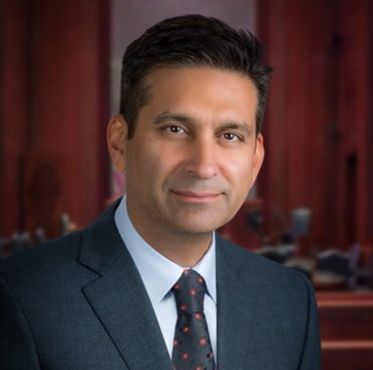


Why Clients Choose Max Alavi, APC
- Super Lawyers recognition based on peer review
- Extensive experience in California probate law
- Millions recovered in trust and probate litigation
- Strategic handling of trust and estate disputes
- Proven advocacy for surviving spouses and heirs
- Clear guidance through complex probate matters
- Outstanding dedication to every one of our clients




Let's Work Together - Tell Us Your Needs
At Max Alavi, Attorney at Law, APC, we understand the complexities of California probate law and are committed to providing solutions for trust and estate disputes. Contact us today to speak with one of our legal staff.