
Westminster Surviving Spouse Rights Attorney
Top Ranked Trust & Probate Lawyers in California
5-Star Client Rating | Read Our Reviews
Westminster Surviving Spouse Rights Legal Guidance
At Max Alavi, Attorney at Law, our team is dedicated to protecting and advocating for surviving spouse rights in Westminster. With years of specialized experience, we provide compassionate counsel and strategic legal solutions tailored to each client’s unique situation. Clients consistently choose us for our proven expertise and personalized approach, ensuring their interests are fully represented — whether in negotiations, estate administration, or probate litigation.
Your peace of mind matters. Let us navigate the complexities of surviving spouse rights with clarity and care.
- Comprehensive understanding of California spouse rights statutes
- Responsive and empathetic counsel from your first consultation through case resolution
- Proven track record of achieving favorable outcomes for Westminster clients
Choose Max Alavi, Attorney at Law for unwavering advocacy and trusted support when you need it most. If you’re seeking help with surviving spouse rights in Westminster, discover the difference a dedicated legal partner can make.
Our Trust Litigation Case Process

1. Case Evaluation
We begin with a full review of the trust, will, financial records, and family history. Our legal team will identify your rights, deadlines, and the best legal path before anything is filed.

2. Court Filings
The case formally begins when a probate petition or trust lawsuit is filed in California probate court, often in Orange County Superior Court. This step sets the legal issues, brings all parties into the case.

3. Discovery and Settlement
Both sides exchange documents, take depositions, and file motions to address disputes. Many trust and probate cases resolve here through settlement discussions or court ordered mediation.

4. Trial and Resolution
If no agreement is reached, the case proceeds to trial before a probate judge. After a ruling, the court orders distributions, removals of fiduciaries, or financial recovery, and we handle enforcement or appeals if needed.
Begin Your Free Case Evaluation Now
Call to schedule a free and confidential consultation with a trust litigation lawyer.

About Max Alavi, Attorney at Law
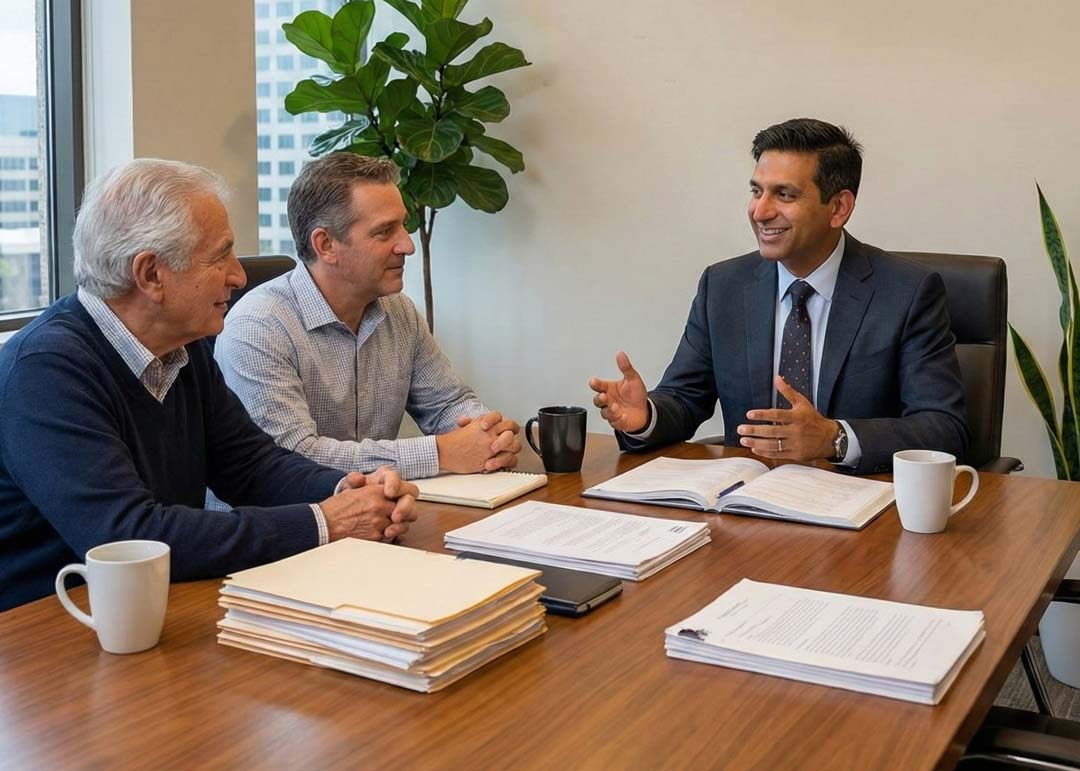
Max Alavi, Attorney at Law in Westminster is recognized for its commitment to excellence and sincere client advocacy, with a specialty in Surviving Spouse Rights. The firm was founded by Max Alavi, who brings a rich background and extensive experience in estate matters, and has steadily cultivated a reputation for integrity, personal service, and legal acumen. From its inception, Max Alavi, Attorney at Law has embraced a guiding philosophy of proactive planning, clear communication, and diligent problem-solving to protect the rights and interests of spouses and heirs. The firm's history is marked by successful representation in not only Surviving Spouse Rights cases but a broad array of trust and estate law matters spanning both straightforward and complex scenarios.
Serving the vibrant community of Westminster, Max Alavi, Attorney at Law distinguishes itself through a client-centric approach and unwavering dedication to ethical standards. The firm’s expertise is complemented by their ability to tailor solutions for families navigating emotionally challenging estate and trust disputes, ensuring peace of mind for clients at every stage. Max Alavi, Attorney at Law is driven by values of compassion, transparency, and relentless advocacy, seeking always to deliver clarity and comfort alongside outstanding legal results. With a tradition rooted in long-term relationships and proven success, the firm remains a trusted partner for those seeking guidance on Surviving Spouse Rights and wider estate-related challenges.
An Interesting Fact About Surviving Spouse Rights in Westminster, California
In California, including Westminster, a lesser-known aspect of surviving spouse rights is the legal concept of the "quasi-community property." Even assets acquired by either spouse while living outside California—but which would have been considered community property if acquired here—are treated as community property during probate. This means a surviving spouse in Westminster has important rights to property brought into California, potentially expanding their inheritance beyond what many residents realize.
Overview of Surviving Spouse Rights Laws in Westminster
Surviving spouse rights in Westminster are governed by a mixture of California state statutes and local court procedures, which can significantly impact estate distribution and inheritance matters. According to information provided by Max Alavi, Attorney at Law, surviving spouses are afforded certain legal protections, including entitlement to a share of the decedent’s estate—even if not explicitly mentioned in a will. California’s community property laws typically grant a surviving spouse rights to half of the marital property, while separate property distribution can depend on the presence of children or other surviving relatives. Local court processes in Westminster oversee the probate and administration of estates, ensuring spouses receive what they are entitled to under the law or through negotiation and settlement when disputes arise.
- Surviving spouses may have the right to claim an “elective share” of an estate, which may override some will provisions.
- Disputes can arise over characterization of property as community or separate, which are resolved through court intervention in Westminster.
- Potential resolutions for surviving spouses include negotiated settlements, buyout agreements, or receiving distributions via court order if necessary.
“Understanding your rights as a surviving spouse is crucial; with expert legal guidance, you can ensure your interests are protected during probate, trust administration, or in the event of a will contest.” – Insights from Max Alavi, Attorney at Law
With extensive experience in estate planning and probate matters specific to Westminster, Max Alavi, Attorney at Law offers personalized counsel to surviving spouses navigating these complex issues. The firm’s expertise encompasses evaluating unique family and property scenarios, interpreting the nuanced application of state law in local courts, and advising on both straightforward and contested cases. Clients benefit from the firm’s deep understanding of local regulations and court procedures, as well as their commitment to achieving fair resolutions—whether through litigation or alternative dispute resolution. By engaging a knowledgeable local attorney, surviving spouses ensure their legal rights are upheld while minimizing unnecessary delays, stress, and potential financial losses.
Other Services Available
Probate Litigation |
https://www.octrustslawyer.com/probate-litigation/ |
Trustee Defense |
https://www.octrustslawyer.com/trustee-defense/ |
Contested Will |
https://www.octrustslawyer.com/trust-will-contests/ |
Inheritance Disputes |
https://www.octrustslawyer.com/inheritance-disputes/ |
Conservatorship |
https://www.octrustslawyer.com/conservatorships/ |
Surviving Spouse Rights |
https://www.octrustslawyer.com/surviving-spouse-rights/ |
Compassionate Representation for Surviving Spouse Rights at Max Alavi, Attorney at Law
If you have concerns about your rights as a surviving spouse, you deserve knowledgeable legal support. At Max Alavi, Attorney at Law, our team will thoroughly evaluate every detail of your situation to safeguard your interests and build a strong defense. Your first consultation is free and lasts 30-60 minutes, so you can discuss your circumstances without obligation. Contact us today at (949) 706-1919 to ensure your rights are fully protected.
Westminster Demographics
Westminster, California, is a vibrant city in northwestern Orange County with an estimated population of approximately 89,000–91,000 residents as of the mid-2020s. Recent census data highlights Westminster’s diverse community and steady population profile, shaped by decades of immigration and suburban growth. The city’s median age is in the high 30s, reflecting a balanced distribution of younger families, working-age adults, and a growing senior population.
- Population Size: Approximately 90,000 residents
- Age Distribution:
- Under 18: Roughly 20%
- 18 to 64: About 61%
- 65 and over: Close to 19%
- Diversity: Westminster is a notably multicultural city, with Asian residents, primarily Vietnamese, comprising the largest ethnic group (over 40%), followed by Hispanic or Latino (about 30%), and White (about 20%). The city’s Little Saigon district is renowned nationally as a center for Vietnamese-American culture and commerce.
- Socioeconomic Indicators:
- Median Household Income: Approximately $72,000–$78,000, slightly below the Orange County median, with significant variability among neighborhoods.
- Per Capita Income: Estimated at $28,000–$32,000 annually.
- Poverty Rate: Around 13%, above the county average, reflecting economic challenges faced by some residents.
- Notable Trends:
- A maturing population, with a gradual increase in residents aged 65+
- Steady inflow of new immigrants, especially from Southeast Asia and Latin America
- Increasing linguistic diversity and multi-generational households
Westminster Probate Court System
Probate matters for Westminster residents fall within the jurisdiction of the Superior Court of California, County of Orange. The nearest probate courthouse for Westminster is the Central Justice Center located in Santa Ana, which handles probate filings from throughout the county.
- Key Court: Superior Court of California, County of Orange – Probate/Mental Health Division (Central Justice Center, Santa Ana)
- Case Types Handled:
- Probate of wills and administration of intestate estates
- Trust proceedings and disputes
- Conservatorships and guardianships
- Protective proceedings for elders and dependent adults
- Minor’s compromise petitions and orders for transfer of property
- Unique Features:
- Comprehensive case management with online access to dockets, hearings, and filings
- Dedicated probate examiners to review filings for statutory compliance
- Support services for non-English speakers, reflecting Westminster’s multicultural population
- Relevant for Legal Clients:
- Local rules of court and processing timelines are strictly enforced
- Mediation and alternative dispute resolution available for certain trust or estate disputes
- Surviving spouses can seek spousal property petitions, set-aside proceedings, and related relief under California Probate Code—all managed through the Central Justice Center
Family Demographics in Westminster
Westminster features a community oriented around family structure and multi-generational households, with unique characteristics shaped by its cultural diversity.
- Household Structure:
- Family households: Approximately 71% of all households
- Average household size: 3.2 persons, above state and county averages
- High prevalence of multi-generational households, particularly among Asian and Hispanic families
- Divorce Rates: While city-specific divorce statistics are unavailable, Orange County as a whole reports a moderate rate of dissolution cases annually, suggesting a stable but not negligible rate of divorce filings among Westminster families.
- Family and Per Capita Income:
- Median family income: Estimated at $80,000–$85,000 per year
- Per capita income: $28,000–$32,000
- Income varies by neighborhood and family composition, with dual-earner households tending to achieve higher income brackets
- Education and School Systems:
- Served chiefly by Westminster School District (elementary and middle schools) and Huntington Beach Union High School District for high schools
- Several elementary and intermediate schools ranked above state averages for performance
- Bilingual and English learner support programs widely available in public schools
- Popular Social Programs:
- City-sponsored youth and senior services
- Family resource centers, after-school programs, and cultural outreach serving immigrant communities
- Nonprofit organizations providing food security, housing assistance, and health programs, especially for lower-income and immigrant families
Trust Litigation
Areas We Serve
At Max Alavi, Attorney at Law, we have decades of experience in dealing with complex trust litigation matters throughout California. When you hire our legal team, you are bringing on the best and toughest litigators around to aggresively fight on your behalf.
What Our Amazing Clients Have To Say
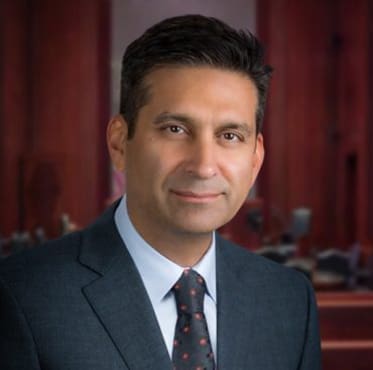


Why Clients Choose Max Alavi, APC
- Super Lawyers recognition based on peer review
- Extensive experience in California probate law
- Millions recovered in trust and probate litigation
- Strategic handling of trust and estate disputes
- Proven advocacy for surviving spouses and heirs
- Clear guidance through complex probate matters
- Outstanding dedication to every one of our clients




Let's Work Together - Tell Us Your Needs
At Max Alavi, Attorney at Law, APC, we understand the complexities of California probate law and are committed to providing solutions for trust and estate disputes. Contact us today to speak with one of our legal staff.