
Seal Beach Probate Litigation Attorney
Top Ranked Trust & Probate Lawyers in California
5-Star Client Rating | Read Our Reviews
Seal Beach Probate Litigation Experts
At Max Alavi, Attorney at Law, we are dedicated to providing skilled, compassionate legal representation to clients navigating the complexities of probate litigation in Seal Beach. Our firm combines decades of specialized experience with a personalized approach, ensuring your unique concerns are prioritized every step of the way. With an unwavering commitment to client success, we offer:
- Proven expertise in probate dispute resolution, will and trust contests, and fiduciary litigation
- Clear, proactive communication so you remain informed and confident throughout the process
- Local insight, leveraging deep roots in the Seal Beach legal community for effective advocacy
Our mission at Max Alavi, Attorney at Law is to guide and protect families during some of life’s most challenging transitions, delivering trusted, results-driven representation in every probate litigation case.If you are seeking experienced, results-oriented legal help in Seal Beach, trust Max Alavi, Attorney at Law for your probate litigation needs.
Our Trust Litigation Case Process

1. Case Evaluation
We begin with a full review of the trust, will, financial records, and family history. Our legal team will identify your rights, deadlines, and the best legal path before anything is filed.

2. Court Filings
The case formally begins when a probate petition or trust lawsuit is filed in California probate court, often in Orange County Superior Court. This step sets the legal issues, brings all parties into the case.

3. Discovery and Settlement
Both sides exchange documents, take depositions, and file motions to address disputes. Many trust and probate cases resolve here through settlement discussions or court ordered mediation.

4. Trial and Resolution
If no agreement is reached, the case proceeds to trial before a probate judge. After a ruling, the court orders distributions, removals of fiduciaries, or financial recovery, and we handle enforcement or appeals if needed.
Begin Your Free Case Evaluation Now
Call to schedule a free and confidential consultation with a trust litigation lawyer.
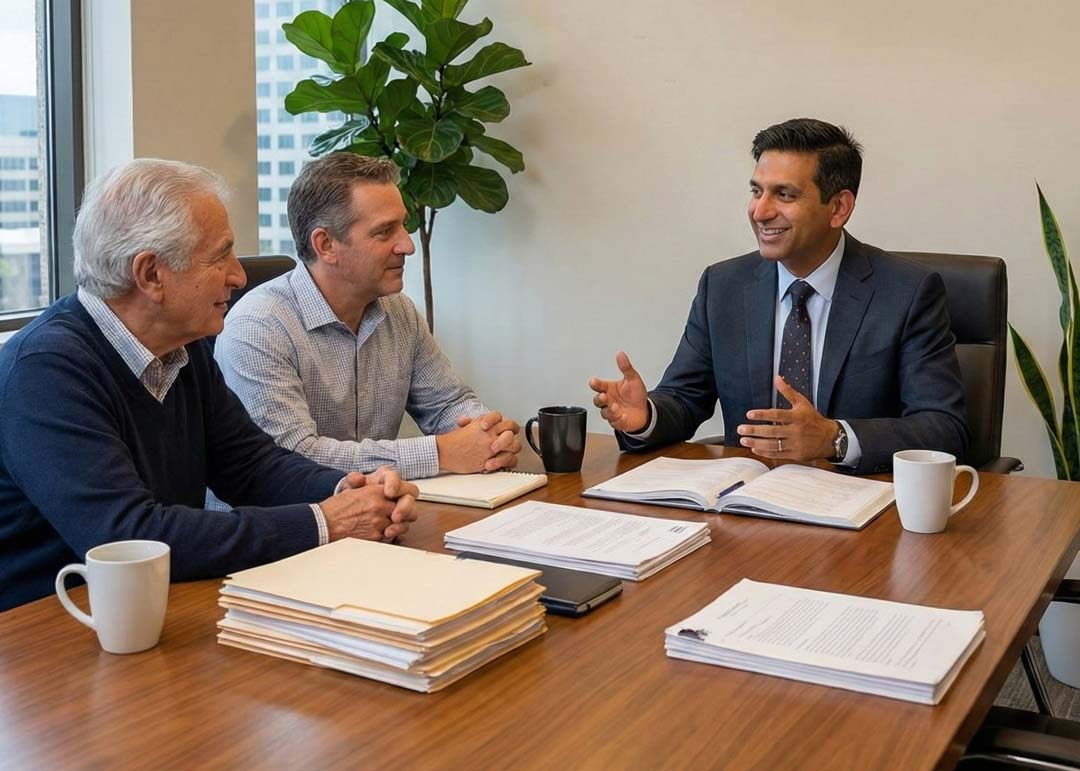

About Max Alavi, Attorney at Law
Max Alavi, Attorney at Law, based in Seal Beach, has established itself as a premier legal resource for individuals and families seeking guidance in Probate Litigation and related legal matters. With a foundation built on decades of experience, the firm upholds an unwavering dedication to excellence and client advocacy. Over the years, Max Alavi, Attorney at Law has expanded its practice to address a diverse range of estate, trust, and probate issues, while still prioritizing its unique emphasis on compassionate, accessible, and thorough legal service. This commitment shines through in the personalized approach and attention to detail extended to every client, fostering lasting client relationships and a reputation for trusted counsel in the Seal Beach community.
From the beginning, Max Alavi, Attorney at Law has placed a strong emphasis on integrity, professionalism, and education, guiding clients through the complexities of Probate Litigation with clarity and empathy. Situated in the heart of Seal Beach, the firm stands out through its deep ties to the local community and unwavering support for clients during often-challenging times. The firm’s team leverages a wealth of knowledge and a hands-on approach, ensuring that each matter receives careful attention and sophisticated strategy. By combining exceptional experience with a genuine commitment to transparency and client empowerment, Max Alavi, Attorney at Law continues to set the standard for legal excellence throughout Southern California.
An Interesting Fact About Probate Litigation in Seal Beach
In California, including Seal Beach, probate litigation often arises due to unique community property rules. A lesser-known aspect is that if a married couple’s assets haven’t been clearly characterized as separate or community property, disputes can persist even after both spouses pass away. This ambiguity can allow distant relatives or creditors to challenge the distribution of assets during probate litigation in Seal Beach, emphasizing the importance of accurate recordkeeping and property titling in California probate proceedings.
Overview of Probate Litigation Laws in Seal Beach
Probate litigation in Seal Beach is primarily governed by California state laws, specifically those outlined in the California Probate Code, which sets forth the requirements and procedures for the administration of estates and the resolution of disputes among heirs, beneficiaries, and executors. According to information provided by Max Alavi, Attorney at Law, probate litigation may arise over issues such as the validity of a will, breaches of fiduciary duty, disputes over asset distribution, and contested guardianships or conservatorships. In Seal Beach, local court procedures require that such disputes typically go through mediation or court hearings, depending on the complexity of the matter. The court process can include formal pleadings, discovery, motions, and, if necessary, a trial to resolve contested issues.
- Key regulations mandate strict adherence to time limits for filing claims and responding to court orders within the probate process.
- Potential penalties or outcomes may involve removal of executors, redistribution of estate assets, imposition of monetary sanctions, or invalidation of documents based on proven undue influence or incapacity.
- Local courts in Seal Beach often prioritize expedient resolution but have robust protocols for evidence and testimony to ensure fairness in contested matters.
"Navigating probate litigation can be complex, but with the guidance of Max Alavi, Attorney at Law, clients gain the advantage of seasoned professionals who understand the nuances of California’s probate laws and the specific procedures of Seal Beach courts." – Insights from Max Alavi, Attorney at Law
With extensive experience handling probate litigation in Seal Beach, Max Alavi, Attorney at Law is well-versed in both the substantive law and the procedural steps critical to these cases. The firm’s expertise includes evaluating the authenticity of wills or trusts, advising fiduciaries on their legal obligations, and representing interested parties in disputes over estate assets. By leveraging local insights—such as familiarity with how Seal Beach judges approach probate controversies and understanding when alternative resolutions like mediation may be effective—Max Alavi, Attorney at Law works closely with clients to maximize favorable results. Their personalized approach helps clients navigate not only the legal challenges but also the emotional complexities that often accompany family disputes during the probate process.
Guidance from an Orange County Probate Litigation Attorney at Max Alavi, Attorney at Law
Are you involved in a probate litigation dispute? Facing the complexities of probate can be overwhelming, but Max Alavi, Attorney at Law is here to protect your rights and interests. Our experienced attorneys will thoroughly examine every aspect of your case to build a strong legal defense. Contact us today for a free, 30-60 minute consultation by calling (949) 706-1919.
Seal Beach Demographics
Seal Beach is a coastal city in the westernmost corner of Orange County, California, with a population estimated at approximately 25,700–26,000 residents in the mid-2020s. The city’s demographic profile reflects a combination of established retirees, working adults, and families, contributing to a unique blend of age and lifestyle diversity.
- Population Size: ~25,700–26,000 residents
- Age Distribution:
- Median age is notably high, in the mid-to-upper 50s, with a substantial segment of residents aged 65 and older—largely due to Leisure World, one of the largest retirement communities in Southern California
- Younger population segments (under age 18) represent a smaller percentage compared to regional and state averages
- Diversity: Seal Beach’s population is predominantly White (non-Hispanic), with Asian, Hispanic or Latino, and smaller percentages of other racial/ethnic groups contributing to the city’s cultural fabric
- Socioeconomic Indicators:
- Median household income: $75,000–$85,000, with significant variation by neighborhood
- Per capita income exceeds $50,000, on par with regional averages
- Poverty rates remain lower than both national and state standards
- Cost of living is elevated, driven by real estate and proximity to the coast
- Notable Demographic Trends:
- Consistent population stability and an aging population, especially among homeowners in retirement communities
- Continued appeal for retirees, but also moderate influx of young families and professionals in certain neighborhoods
Seal Beach Probate Court System
Probate and trust matters for Seal Beach residents fall under the jurisdiction of the Superior Court of California, County of Orange. This court system oversees all probate proceedings, including those related to decedents' estates, trusts, guardianships, conservatorships, and related actions affecting Seal Beach residents.
- Key Court: Orange County Superior Court - Probate/Mental Health Division
- Principal Location: Probate proceedings are primarily conducted at the Central Justice Center in Santa Ana, which serves as the county seat for all major probate matters, including those filed from Seal Beach
- Case Types Handled:
- Estate administration and wills
- Trust litigation and trust administration
- Conservatorships (both of the person and estate)
- Guardianships of minors
- Elder and dependent adult protections, including financial abuse prevention
- Petitions for instructions, accountings, and distribution of assets
- Unique Features for Legal Clients:
- Dedicated probate calendar and experienced probate judges hearing all matters brought before the Probate Division
- Clerk’s office assistance for filings, access to records, and status inquiries is available at the Central Justice Center
- Electronic filing (e-filing) is mandatory in most probate cases, streamlining procedures for attorneys and self-represented parties
- Online case access allows parties to view filings, motions, and hearing schedules
- Local rules supplement the California Probate Code, influencing notice requirements, filing timelines, and presentation of evidence
Seal Beach residents with probate or trust matters must comply with countywide rules, deadlines, and forms. Legal representation familiar with both state and local probate procedures is highly recommended for efficient navigation of estate, trust, or incapacity proceedings.
Family Demographics in Seal Beach
Seal Beach’s family demographic profile reflects the city’s dual orientation as both a retirement haven and a residential community for families and professionals.
- Household Composition:
- Significant proportion of single-person households, particularly due to Leisure World (senior community)
- Family households make up roughly 45–48% of all households, with non-family (single, shared) households comprising the remainder
- Average household size: ~1.9–2.1 persons, lower than regional and state averages
- Family households with children under 18 constitute a relatively small share
- Family Size: Average family households are somewhat smaller than county norms, typically 2.5 persons per family
- Divorce Rates: Seal Beach’s divorce rate aligns with Orange County averages, though a substantial widowed population in senior communities impacts household statistics
- Income:
- Median family income exceeds $100,000 annually, with higher incomes among married-couple households
- Per capita income remains robust due to a mix of retirement assets and moderate employment rates
- School System: Seal Beach is served primarily by the highly regarded Los Alamitos Unified School District, known regionally for strong academic outcomes and diverse extracurricular programs. Portions of the city are also served by the Long Beach Unified School District.
- Social Programs:
- Active senior services, recreation, and wellness programs supported by the City of Seal Beach and regional agencies
- After-school and youth development programs for families offered through local community centers and nonprofit organizations
- Adult and senior resources include legal clinics, transportation services, and meal delivery for qualified residents
Seal Beach offers a stable, service-oriented environment for families and individuals, supported by strong public resources and proactive community programming tailored to both seniors and young families.
Trust Litigation
Areas We Serve
At Max Alavi, Attorney at Law, we have decades of experience in dealing with complex trust litigation matters throughout California. When you hire our legal team, you are bringing on the best and toughest litigators around to aggresively fight on your behalf.
What Our Amazing Clients Have To Say
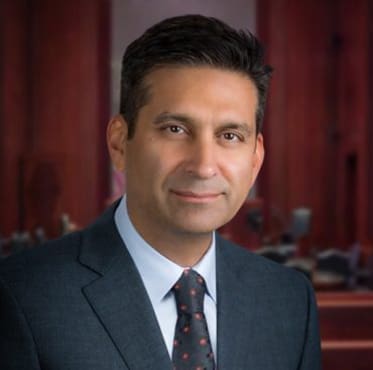


Why Clients Choose Max Alavi, APC
- Super Lawyers recognition based on peer review
- Extensive experience in California probate law
- Millions recovered in trust and probate litigation
- Strategic handling of trust and estate disputes
- Proven advocacy for surviving spouses and heirs
- Clear guidance through complex probate matters
- Outstanding dedication to every one of our clients




Let's Work Together - Tell Us Your Needs
At Max Alavi, Attorney at Law, APC, we understand the complexities of California probate law and are committed to providing solutions for trust and estate disputes. Contact us today to speak with one of our legal staff.