
Seal Beach Financial Elder Abuse Attorney
Top Ranked Trust & Probate Lawyers in California
5-Star Client Rating | Read Our Reviews
Financial Elder Abuse Attorneys in Seal Beach
At Max Alavi, Attorney at Law, we understand that financial elder abuse can have devastating consequences for both individuals and families in the Seal Beach community. Our dedicated team brings a wealth of experience and compassion to every case, providing personalized legal guidance tailored to the unique circumstances of each client. We are committed to protecting the rights and financial security of your loved ones, offering unwavering advocacy from initial consultation to resolution.
- Proven record of success in Financial Elder Abuse cases in Seal Beach
- Compassionate, client-focused approach ensuring peace of mind during challenging times
- Clear communication and tireless advocacy every step of the way
“We believe every client deserves both respect and relentless protection—especially when financial security is at risk.”
Choose Max Alavi, Attorney at Law for trusted expertise and a commitment to justice in Financial Elder Abuse matters throughout Seal Beach.
Our Trust Litigation Case Process

1. Case Evaluation
We begin with a full review of the trust, will, financial records, and family history. Our legal team will identify your rights, deadlines, and the best legal path before anything is filed.

2. Court Filings
The case formally begins when a probate petition or trust lawsuit is filed in California probate court, often in Orange County Superior Court. This step sets the legal issues, brings all parties into the case.

3. Discovery and Settlement
Both sides exchange documents, take depositions, and file motions to address disputes. Many trust and probate cases resolve here through settlement discussions or court ordered mediation.

4. Trial and Resolution
If no agreement is reached, the case proceeds to trial before a probate judge. After a ruling, the court orders distributions, removals of fiduciaries, or financial recovery, and we handle enforcement or appeals if needed.
Begin Your Free Case Evaluation Now
Call to schedule a free and confidential consultation with a trust litigation lawyer.


About Max Alavi, Attorney at Law
Max Alavi, Attorney at Law, centrally located in Seal Beach, is a distinguished law practice renowned for its expertise in Financial Elder Abuse as well as a broad spectrum of trust, probate, and estate litigation matters. Since its founding, the firm has remained steadfast in its mission to provide compassionate, personalized legal counsel rooted in integrity and a deep respect for every client’s unique situation. Max Alavi and his team bring to the table not only a profound understanding of California’s complex legal landscape, but also decades of hands-on experience navigating sensitive family disputes, contested wills, and the intricacies of fiduciary responsibility. This legacy of diligence and thorough preparation enables Max Alavi, Attorney at Law to secure consistently favorable results and engender enduring trust within the community.
With its offices in the vibrant community of Seal Beach, Max Alavi, Attorney at Law distinguishes itself through a client-centered approach that values honesty, transparent communication, and genuine empathy. Specializing in Financial Elder Abuse, the firm's attorneys understand the emotional and financial complexities involved in safeguarding the interests of elders and their families. According to their founding principles, every case is handled with utmost confidentiality, attention to detail, and a steadfast commitment to upholding the rights of those they represent. The collaborative spirit and innovative strategic thinking that define Max Alavi, Attorney at Law have generated a reputation for advocacy that is both tenacious and deeply ethical—making the firm a trusted ally in even the most challenging legal situations.
An Interesting Fact About Financial Elder Abuse in Seal Beach
California places special emphasis on protecting elders from financial abuse, and in Seal Beach, a little-known fact is that mandated reporters—including bank employees—must report suspected financial elder abuse. Unlike many other states, California law (specifically Welfare and Institutions Code §15630) requires certain professionals to notify law enforcement or adult protective services, even if the suspicion arises from seemingly minor irregularities. This proactive measure helps to uncover hidden cases of financial elder abuse throughout communities like Seal Beach.
Overview of Financial Elder Abuse Laws in Seal Beach
Financial elder abuse in Seal Beach is addressed through a combination of California state statutes and local regulations designed to safeguard seniors from exploitation. As highlighted by Max Alavi, Attorney at Law, these laws target acts where individuals wrongfully take or misuse an elder’s financial resources, often using deception, coercion, or undue influence. Under California’s Welfare & Institutions Code Section 15610.30, financial abuse occurs when a person or entity takes, secretes, or appropriates money or property belonging to someone aged 65 or older for wrongful use or with intent to defraud. Court processes in Seal Beach typically begin with the reporting of suspected abuse, followed by investigations that may involve Adult Protective Services or law enforcement, leading to civil litigation or, in some cases, criminal charges.
- Victims or their representatives can pursue lawsuits for recovery of losses and additional damages.
- Court proceedings may issue restraining orders or compel restitution for exploited assets.
- Violators may face both civil penalties and, in severe circumstances, criminal prosecution.
"Families should act swiftly if financial elder abuse is suspected, as timely intervention is key to asset recovery and minimizing further harm." – Insights from Max Alavi, Attorney at Law
With extensive experience in Seal Beach, Max Alavi, Attorney at Law provides vital guidance for those confronting financial elder abuse, drawing on deep understanding of local legal procedures and tailored solutions. The firm emphasizes the critical need for thorough documentation and prompt legal action to help victims reclaim misappropriated assets and prevent future exploitation. Their knowledgeable approach encompasses not only the nuances of California elder abuse laws but also practical guidance through the complex court processes unique to the region. By navigating negotiations, mediation, or formal litigation as appropriate, Max Alavi and his team diligently work to secure justice, appropriate penalties for perpetrators, and peace of mind for families seeking resolution.
Other Services Available
```html
Financial Elder Abuse |
https://www.octrustslawyer.com/financial-elder-abuse/ |
Compassionate Assistance from an Orange County Financial Elder Abuse Attorney at Max Alavi, Attorney at Law
If you suspect that you or a loved one is a victim of financial elder abuse, it is important to act quickly. The experienced attorneys at Max Alavi, Attorney at Law, will examine every aspect of your case to build a strong defense and protect your rights. Your first consultation is free and lasts 30-60 minutes, giving you confidential, professional guidance without any financial risk. Contact us today at (949) 706-1919 to explore your options and gain peace of mind.
Seal Beach Demographics
Seal Beach, California, is a coastal city located at the westernmost edge of Orange County, with an estimated population of approximately 24,000—25,000 residents as of the mid-2020s. The community maintains a relatively stable population size with little significant growth in recent years. The city’s demographic profile is notably older than many other Southern California cities. The median age in Seal Beach is approximately 58 years, largely owing to its sizable retirement population and the presence of the well-known Leisure World senior residential community. Seal Beach demonstrates the following demographic characteristics:
- Age Distribution: Over 40% of residents are aged 65 and above, with a much smaller proportion of children and young adults compared to regional and statewide averages.
- Diversity: The city is predominantly White (non-Hispanic), accounting for most residents, with smaller representations from Hispanic or Latino, Asian, and other ethnic groups. Recent years have seen modest growth in diversity.
- Socioeconomic Indicators: Median household income in Seal Beach is estimated between $75,000 and $80,000, which is slightly below the county average but reflects the prevalence of retirees and fixed-income households. The poverty rate is comparatively low, while homeownership is moderately high due to established neighborhoods.
- Notable Trends: Population aging continues to be a defining trend in Seal Beach, with services and infrastructure oriented toward older adults, retirees, and their families. The city attracts individuals seeking a coastal, community-oriented lifestyle and those requiring access to senior-friendly amenities.
Seal Beach Probate Court System
Seal Beach probate and trust matters fall within the jurisdiction of the Superior Court of California, County of Orange. The county’s centralized probate system handles all probate administration, conservatorships, guardianships, and trust proceedings. For Seal Beach residents, important details of the probate court system include:
- Primary Venue: Probate and related cases are heard at the Central Justice Center in Santa Ana, which houses the Probate/Mental Health Division.
- Case Types Handled:
- Decedent’s estates (with or without a will)
- Trust administration and disputes
- Conservatorships of the person and/or estate (especially relevant to elderly or incapacitated individuals)
- Guardianships for minors
- Elder and dependent adult abuse restraining orders, including financial elder abuse matters
- Minor’s compromise hearings
- Unique Features: Given Seal Beach’s older population, cases involving conservatorships and financial elder abuse are common. The court has dedicated processes for urgent elder abuse matters and offers resources for forensic accounting, investigations, and restraining orders to protect at-risk adults.
- Access and Filings: Probate filings, calendars, and case information are accessible online through the court’s case portal. Most filings and hearings are centralized and subject to Orange County Local Rules and the California Probate Code.
Family Demographics in Seal Beach
Family demographics in Seal Beach reflect its reputation as a hub for retirees and older adults, resulting in family and household characteristics that differ from the broader region:
- Household Composition: A significant portion of Seal Beach households are single-person or nontraditional households, many involving older adults living independently or in retirement communities. Approximately 45%–50% of households qualify as family households, while the remainder are non-family or single-occupant households.
- Family Size: Average household size is low, around 1.7–1.8 persons, compared to higher regional averages.
- Divorce Rates: Seal Beach’s divorce rates align closely with broader Orange County figures; however, the higher median age means there may be a larger population of divorced or widowed individuals. Divorce filings are processed at the Family Law Division, typically at the Lamoreaux Justice Center in Orange County.
- Family and Per Capita Income:
- Median family incomes are near $85,000–$90,000, with per capita income estimated between $55,000–$60,000 due to the presence of both retirees and working professionals.
- School Systems: The city is served by the Los Alamitos Unified School District, known for quality public education at the elementary and secondary levels. Because of the city’s age profile, direct demand on schools is less intense than in younger communities.
- Popular Social Programs:
- Seal Beach Senior Services provides adult day programs, social work counseling, and recreational activities tailored for seniors.
- A range of senior-focused nonprofit programs provide meals, medical transportation, and wellness checks.
- The city actively supports community-oriented programs for families, including recreation classes, youth sports, and community events, though seniors remain the primary beneficiaries of city-sponsored social services.
Trust Litigation
Areas We Serve
At Max Alavi, Attorney at Law, we have decades of experience in dealing with complex trust litigation matters throughout California. When you hire our legal team, you are bringing on the best and toughest litigators around to aggresively fight on your behalf.
What Our Amazing Clients Have To Say
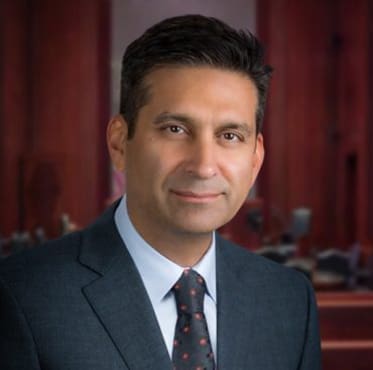


Why Clients Choose Max Alavi, APC
- Super Lawyers recognition based on peer review
- Extensive experience in California probate law
- Millions recovered in trust and probate litigation
- Strategic handling of trust and estate disputes
- Proven advocacy for surviving spouses and heirs
- Clear guidance through complex probate matters
- Outstanding dedication to every one of our clients




Let's Work Together - Tell Us Your Needs
At Max Alavi, Attorney at Law, APC, we understand the complexities of California probate law and are committed to providing solutions for trust and estate disputes. Contact us today to speak with one of our legal staff.