
Santa Monica Probate And Trust Administration Attorney
Top Ranked Trust & Probate Lawyers in California
5-Star Client Rating | Read Our Reviews
Santa Monica Probate And Trust Administration Experts
At Max Alavi, Attorney at Law, we proudly serve the Santa Monica community with unmatched expertise in Probate and Trust Administration. Our firm is dedicated to guiding clients through the complex legal processes of probate and trust matters with clarity, empathy, and efficiency. We offer:
- Extensive experience in local Santa Monica courts
- Personalized service tailored to your unique needs
- Transparent communication throughout every step
- A compassionate, client-first approach
Our commitment to you: At Max Alavi, Attorney at Law, your peace of mind is our top priority. We handle the legal details so you can focus on what matters most.
When you need knowledgeable and caring guidance in Probate and Trust Administration in Santa Monica, let Max Alavi, Attorney at Law, be your trusted partner every step of the way.
Our Trust Litigation Case Process

1. Case Evaluation
We begin with a full review of the trust, will, financial records, and family history. Our legal team will identify your rights, deadlines, and the best legal path before anything is filed.

2. Court Filings
The case formally begins when a probate petition or trust lawsuit is filed in California probate court, often in Orange County Superior Court. This step sets the legal issues, brings all parties into the case.

3. Discovery and Settlement
Both sides exchange documents, take depositions, and file motions to address disputes. Many trust and probate cases resolve here through settlement discussions or court ordered mediation.

4. Trial and Resolution
If no agreement is reached, the case proceeds to trial before a probate judge. After a ruling, the court orders distributions, removals of fiduciaries, or financial recovery, and we handle enforcement or appeals if needed.
Begin Your Free Case Evaluation Now
Call to schedule a free and confidential consultation with a trust litigation lawyer.


About Max Alavi, Attorney at Law
Max Alavi, Attorney at Law in Santa Monica has established itself as a trusted leader in Probate And Trust Administration, while also offering a wide spectrum of estate planning and related legal services. Since its inception, the firm has been committed to providing compassionate counsel and practical solutions tailored to each client’s unique needs. Backed by a seasoned legal team, Max Alavi, Attorney at Law is lauded for combining technical acumen with a personalized approach, ensuring that clients receive not only expert navigation through complex legal matters, but also the respect and attention they deserve. Over the years, the firm’s track record of effective representation and favorable outcomes reflects its deep-rooted values and dedication to the Santa Monica community.
Situated in the vibrant city of Santa Monica, Max Alavi, Attorney at Law stands apart for its unwavering integrity, attention to detail, and a guiding philosophy centered on building lasting client relationships. The firm takes pride in demystifying the intricacies of Probate And Trust Administration and providing clear, honest communication throughout every stage. Clients of Max Alavi, Attorney at Law benefit from a team that prioritizes informed decision-making, transparency, and an unwavering commitment to excellence. With a unique blend of innovation and tradition, the firm consistently upholds its mission of safeguarding client interests and securing peace of mind for families and individuals alike.
An Interesting Fact About Probate And Trust Administration in Santa Monica
Many people may not realize that in Santa Monica, California, probate and trust administration can involve "portability" of estate tax exemptions. This allows a surviving spouse to use any unused federal estate tax exemption from a deceased spouse, potentially doubling the amount of assets that can transfer tax-free. While this is a federal provision, its application in California probate and trust administration—including in Santa Monica—can significantly impact estate planning outcomes for local families.
Overview of Probate and Trust Administration Laws in Santa Monica
Probate and trust administration in Santa Monica are governed by California's extensive estate and trust laws, designed to ensure that the wishes of a deceased person are properly honored and their assets distributed according to state statutes and any established trusts. As highlighted by Max Alavi, Attorney at Law, probate is a court-supervised process where an individual's estate is inventoried, debts are paid, and remaining assets are transferred to beneficiaries. The probate process in Santa Monica involves navigating local court procedures, filing petitions, notifying heirs and creditors, and meeting strict deadlines as required by California law. Trust administration, on the other hand, allows for a private and often more expedited management of assets under the direction of a chosen trustee, limiting court intervention and streamlining the resolution of estate matters.
- Probate proceedings in California can be time-intensive and public, but they serve an important role in validating wills and settling outstanding financial matters.
- Trust administration generally avoids probate, allowing for quicker asset transfers and increased privacy for the family involved.
- Penalties for failing to comply with legal obligations during probate or trust administration may include court sanctions or personal liability for the administrator or trustee.
"Proper administration is essential to fully honor a decedent’s wishes and protect beneficiaries—mistakes or non-compliance can create costly delays or even litigation.” – Guidance from Max Alavi, Attorney at Law
Max Alavi, Attorney at Law brings years of experience and insightful guidance to clients facing probate and trust administration in Santa Monica. The team’s familiarity with local regulations, court procedures, and nuances in California probate law enables them to provide strategic advice, minimize unnecessary delays, and shield clients from legal pitfalls. Whether dealing with complex estates, trust disputes, or issues involving creditors or tax authorities, their comprehensive understanding ensures that clients receive practical counsel and effective representation throughout each phase of the administration process. This combination of local expertise and attentive client service helps families achieve timely resolutions and maintain peace of mind during what can often be a challenging time.
Other Services Available
```html
Probate Litigation |
https://www.octrustslawyer.com/probate-litigation/ |
Trustee Defense |
https://www.octrustslawyer.com/trustee-defense/ |
Inheritance Disputes |
https://www.octrustslawyer.com/inheritance-disputes/ |
Probate And Trust Administration |
https://www.octrustslawyer.com/probate-trust-administration/ |
Conservatorship |
https://www.octrustslawyer.com/conservatorships/ |
Surviving Spouse Rights |
https://www.octrustslawyer.com/surviving-spouse-rights/ |
Experienced Probate and Trust Administration Attorneys at Max Alavi, Attorney at Law
If you’re facing the complexities of probate or trust administration, you deserve compassionate and knowledgeable guidance. The attorneys at Max Alavi, Attorney at Law will thoroughly evaluate every detail to ensure your loved one’s estate is managed efficiently and in compliance with the law. Your initial 30-60 minute consultation is free, giving you the confidence to take the first step. Call (949) 706-1919 today to schedule your free consultation and discuss your next steps with a dedicated legal team by your side.
Santa Monica Demographics
Santa Monica, California is a prominent coastal city located within Los Angeles County, known for its diverse and vibrant community. As of the mid-2020s, Santa Monica's estimated population is approximately 90,000–92,000 residents. The city features a varied age distribution, with a median age in the early-to-mid 40s, reflecting a balanced mix of young professionals, families, and a notable population of older adults. Demographic highlights include:
- Ethnic Diversity: The population is predominantly White (non-Hispanic), but significant Hispanic or Latino, Asian, African American, and multiracial communities contribute to the city’s cosmopolitan character.
- Socioeconomic Indicators: The median household income in Santa Monica is high, regularly exceeding $100,000–$110,000 per year, with per capita income also surpassing county and national averages. However, income inequality persists and the city faces a relatively elevated cost of living and housing prices.
- Trends: Santa Monica has experienced stable population trends, with modest growth limited by development constraints and a focus on sustainability. The city is an educational and professional hub, attracting new residents seeking urban amenities and a coastal lifestyle.
- Educational Attainment: A very high proportion of residents hold bachelor’s or advanced degrees, supporting a workforce in sectors such as technology, education, healthcare, hospitality, and creative industries.
Overall, Santa Monica’s demographics reveal affluence, diversity, and a high degree of civic engagement, characteristics relevant to individuals and families planning for the future and considering estate or probate matters.
Santa Monica Probate Court System
Santa Monica residents access probate and trust administration services through the Superior Court of California, County of Los Angeles, which is responsible for adjudicating probate, trust, and related matters within the county. Although Santa Monica does not have its own separate probate court, most matters are handled at the nearby Los Angeles Superior Court – Stanley Mosk Courthouse in downtown Los Angeles. Key features of the court system include:
- Jurisdiction: Probate Division of the Superior Court of Los Angeles County oversees cases involving estate administration, probate of wills, trust administration, guardianships, conservatorships, and matters involving vulnerable adults.
- Types of Cases:
- Decedent estates and will contests
- Trust litigation and administration
- Guardianship of minors
- Conservatorships for the elderly and dependent adults
- Petitions for orders related to financial and health care powers of attorney
- Case Management: The Probate Division utilizes specialized probate judges and courtroom staff, and provides online case access, e-filing, and detailed local rules governing procedures, filings, and timelines.
- Unique Features: Los Angeles County’s probate system is one of the largest and most developed in California, offering extensive self-help resources and workshops. The court maintains strict local rules that can impact notice requirements, document format, and hearing protocols, which can be complex and necessitate experienced legal counsel.
Santa Monica residents seeking probate or trust administration services must comply with both state law and the local rules of the Los Angeles Superior Court Probate Division. Understanding court structure and requirements is essential for successful navigation of estate and trust matters.
Family Demographics in Santa Monica
Santa Monica’s household and family structure reflects its urban nature and high housing costs, resulting in a blend of family and non-family households:
- Household Types: Of the city’s approximately 45,000 households, roughly 40–45% are family households, while the remainder consist of individuals living alone or non-family groups.
- Average Family Size: Family households average about 2.7 persons, smaller than in more suburban municipalities.
- Marriage and Divorce: Marriage rates are moderate, and the divorce rate in Santa Monica is consistent with broader Los Angeles County figures, which are slightly above California's average. Several thousand new divorce and legal separation cases are filed countywide each year.
- Household and Family Income:
- Median household income: $100,000–$110,000
- Median family income: typically higher, due to dual-income professional households
- Per capita income: among the highest in Los Angeles County, upwards of $65,000
- School Systems: Served by the Santa Monica-Malibu Unified School District, which includes high-performing elementary, middle, and high schools recognized for academic excellence. The district also emphasizes arts, STEM, and athletics.
- Popular Social Programs:
- Santa Monica Cradle to Career (C2C) for family support and youth development
- Youth and Family Services through the city’s Human Services Division
- Senior services and caregiver support through local community centers
- Affordable housing initiatives and health programs aimed at children and families
Santa Monica’s family profile is characterized by diverse household types, high educational achievement, and robust public schools and social programs—factors that may influence estate planning and probate considerations for local residents.
Trust Litigation
Areas We Serve
At Max Alavi, Attorney at Law, we have decades of experience in dealing with complex trust litigation matters throughout California. When you hire our legal team, you are bringing on the best and toughest litigators around to aggresively fight on your behalf.
What Our Amazing Clients Have To Say
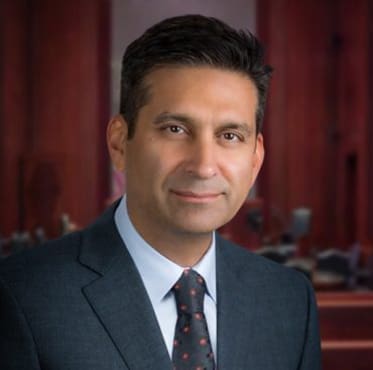


Why Clients Choose Max Alavi, APC
- Super Lawyers recognition based on peer review
- Extensive experience in California probate law
- Millions recovered in trust and probate litigation
- Strategic handling of trust and estate disputes
- Proven advocacy for surviving spouses and heirs
- Clear guidance through complex probate matters
- Outstanding dedication to every one of our clients




Let's Work Together - Tell Us Your Needs
At Max Alavi, Attorney at Law, APC, we understand the complexities of California probate law and are committed to providing solutions for trust and estate disputes. Contact us today to speak with one of our legal staff.