
Santa Monica Estate Planning Attorney
Top Ranked Trust & Probate Lawyers in California
5-Star Client Rating | Read Our Reviews
Santa Monica Estate Planning Expertise
At Max Alavi, Attorney at Law, we provide trusted Estate Planning services to clients throughout Santa Monica, guiding individuals and families with personalized, strategic solutions for peace of mind. Our firm leverages years of specialized experience to help clients preserve and transfer wealth, avoid probate, and protect their loved ones' futures. When you choose Max Alavi, Attorney at Law, you benefit from our commitment to attentive service and our reputation for clarity, compassion, and results.
With our client-first approach, we make every step of the estate planning process straightforward, confidential, and tailored to your needs.
- Comprehensive wills and trusts
- Asset protection strategies
- Advanced healthcare directives
- Power of attorney preparation
For individuals in Santa Monica seeking thoughtful, reliable estate planning, Max Alavi, Attorney at Law stands apart with responsive communication, in-depth legal knowledge, and a genuine dedication to the well-being of our clients and their families.
Our Trust Litigation Case Process

1. Case Evaluation
We begin with a full review of the trust, will, financial records, and family history. Our legal team will identify your rights, deadlines, and the best legal path before anything is filed.

2. Court Filings
The case formally begins when a probate petition or trust lawsuit is filed in California probate court, often in Orange County Superior Court. This step sets the legal issues, brings all parties into the case.

3. Discovery and Settlement
Both sides exchange documents, take depositions, and file motions to address disputes. Many trust and probate cases resolve here through settlement discussions or court ordered mediation.

4. Trial and Resolution
If no agreement is reached, the case proceeds to trial before a probate judge. After a ruling, the court orders distributions, removals of fiduciaries, or financial recovery, and we handle enforcement or appeals if needed.
Begin Your Free Case Evaluation Now
Call to schedule a free and confidential consultation with a trust litigation lawyer.


About Max Alavi, Attorney at Law
Founded on a passion for delivering premier legal guidance, Max Alavi, Attorney at Law in Santa Monica has established a distinguished reputation in the field of Estate Planning and related areas. Max Alavi, leveraging years of specialized legal experience, leads a client-centric team that combines seasoned insight with a personalized approach. The firm’s history is rooted in a deep commitment to building trust with clients, offering a comprehensive range of services designed to safeguard assets, honor legacies, and navigate complex family dynamics. At Max Alavi, Attorney at Law, clients benefit from meticulous attention to detail, a proven record in estate disputes, and the benefit of a practice that values integrity above all else.
Serving the vibrant community of Santa Monica, Max Alavi, Attorney at Law distinguishes itself by fostering lasting relationships and providing clarity throughout every step of the estate planning process. The firm’s unique strength lies in its blend of compassionate counsel and sophisticated legal strategy—qualities that extend well beyond Estate Planning into other related legal services. Committed to transparency, education, and advocacy, Max Alavi, Attorney at Law approaches each matter with a tailored strategy aimed at achieving the best possible outcome for clients. This unwavering focus on service and excellence has made the firm a trusted name in Santa Monica’s legal community.
An Interesting Fact About Estate Planning in Santa Monica
One lesser-known aspect of estate planning in Santa Monica, California, is the availability of a “small estate affidavit” for probate purposes. Under California law, if the total value of a decedent’s assets does not exceed $184,500, heirs can avoid formal probate by using this affidavit process. This streamlined approach significantly reduces paperwork, time, and costs, making estate settlement much simpler for qualifying families within Santa Monica and throughout California.
Overview of Estate Planning Laws in Santa Monica
Estate planning in Santa Monica is shaped by a combination of California state statutes and local court procedures that determine how estates are managed, transferred, and protected. According to Max Alavi, Attorney at Law, key aspects of estate planning include the preparation of wills, establishment of trusts (such as revocable living trusts), durable powers of attorney, and advance health care directives. California laws emphasize the importance of properly executed documents to avoid probate, ensure assets are distributed according to one’s wishes, and appoint trusted individuals to make financial or medical decisions if necessary. The court process for estate matters in Santa Monica typically involves probate filings, validation of documents, and, when contested, hearings to resolve disputes between heirs or beneficiaries.
- Properly planned trusts can help bypass the lengthy and public probate process, keeping affairs private and minimizing court involvement.
- Poorly drafted or outdated estate documents may result in costly litigation, unintended tax burdens, or assets being managed by court-appointed administrators.
- California imposes specific legal requirements for the validity of wills and trusts, making professional oversight essential.
“Thoughtful estate planning not only guards against probate delays and unnecessary expenses, but also ensures your legacy is preserved and directed precisely as you intend.” – Insights from Max Alavi, Attorney at Law
Drawing on years of focused experience in Santa Monica, Max Alavi, Attorney at Law brings deep knowledge of how local regulations and court processes may impact each client’s unique goals. The firm emphasizes that careful, customized estate planning can help clients avoid pitfalls such as probate penalties, family disputes, and unintended beneficiaries. From straightforward wills to sophisticated trust arrangements, Max Alavi’s expertise guides clients through the nuances of California law, ensuring that every legal instrument is both enforceable and tailored to meet individual family and financial circumstances.
Other Services Available
Estate Planning |
https://www.octrustslawyer.com/estate-planning/ |
Personalized Estate Planning with an Orange County Estate Planning Attorney at Max Alavi, Attorney at Law
Planning your estate can feel overwhelming, but you don’t have to face it alone. Max Alavi, Attorney at Law, offers trusted guidance to protect your assets, your loved ones, and your legacy. Our attorneys will thoroughly evaluate every detail of your situation to create a comprehensive, personalized estate plan that meets your needs. Schedule a free 30-60 minute initial consultation by calling (949) 706-1919 today—we’re here to help you secure your future with confidence.
Santa Monica Demographics
Santa Monica, located on California’s Pacific coast within Los Angeles County, is an established urban community with a vibrant economic and cultural profile. As of the mid-2020s, Santa Monica’s population is estimated at approximately 90,000 residents. The median age is just over 40 years, indicating a relatively mature population compared to countywide averages. The city’s demographics reflect notable diversity:
- Ethnic Composition: Predominantly White (non-Hispanic), with significant Hispanic or Latino, Asian, and African American communities.
- Age Distribution: Residents span all age groups, but there is a substantial proportion of professionals aged 25–54, as well as a sizable senior demographic (aged 65+).
- Socioeconomic Indicators: Santa Monica is characterized by high educational attainment and affluence. The city’s median household income is notably above both state and Los Angeles County averages, often exceeding $100,000 per year. Per capita income is high, and poverty rates are below regional and statewide averages, although Santa Monica’s cost of living—including housing—remains elevated.
- Trends: Santa Monica continues to attract young professionals, families, and retirees. The city is recognized for its commitment to sustainability, progressive policies, and a vibrant economy anchored by tourism, technology, and the creative sectors.
Santa Monica Probate Court System
Probate matters for Santa Monica residents are administered through the Superior Court of California, County of Los Angeles. Santa Monica does not have its own independent probate court; instead, probate cases are primarily heard at the Los Angeles Superior Court’s Central District (Stanley Mosk Courthouse) in downtown Los Angeles. The probate division’s key features include:
- Structure and Jurisdiction:
- All probate, trust, estate administration, guardianships, conservatorships, and related matters for Santa Monica are handled by the Los Angeles Superior Court—Probate Division.
- The Stanley Mosk Courthouse serves as the centralized location for all probate filings and hearings.
- Case Types Handled:
- Decedents’ estates (probate of wills, intestate succession)
- Trust proceedings and disputes
- Guardianships of the person and estate for minors
- Conservatorships for adults
- Matters involving the capacity and protection of vulnerable adults
- Claims against estates
- Unique Features:
- The probate court provides online case access, e-filing for most documents, and dedicated calendar departments for hearings and trials.
- Santa Monica clients should be aware that while filings can be initiated online, in-person proceedings or appearances are typically held at the Stanley Mosk Courthouse, subject to local rules and judicial assignments.
- Los Angeles County’s size and complexity sometimes result in longer timelines for probate administration and contested matters; familiarity with local rules, deadlines, and case management practices is essential.
Family Demographics in Santa Monica
Santa Monica’s household and family makeup reflects the city’s urban, coastal, and professional character:
- Household Composition:
- Total households: Approximately 47,000
- Family households make up about 40–45% of all households; the remainder are non-family (single, roommate, or unrelated householders).
- Average household size: ~2.1 persons, smaller than state and national averages due to a significant proportion of single-person and couples without children.
- Family Size: Family households average 2.7–3 persons, indicating a smaller typical family size within the city.
- Divorce Rates:
- Specific citywide divorce rates are not published, but Los Angeles County, including Santa Monica, reports thousands of new divorce filings annually, with rates in line with or slightly above the statewide average.
- Family Income and Per Capita Income:
- Median household income: Frequently in the range of $95,000–$110,000
- Median family income is higher, reflecting dual-income households and above-average professional attainment.
- Per capita income is significantly higher than the California average.
- Education and School Systems:
- Santa Monica is served by the Santa Monica-Malibu Unified School District (SMMUSD), which includes top-ranked elementary, middle, and high schools.
- The district enjoys strong graduation rates, broad curricular offerings, and robust extracurricular programs.
- Popular Social Programs:
- Family Services: Extensive early childhood education, after-school programs, and youth services supported by both SMMUSD and the City of Santa Monica.
- Social Support: Access to community centers, housing assistance, and senior support programs for qualifying families and individuals.
- Diversity & Inclusion Initiatives: City-led programs fostering equity and community engagement for local families.
Trust Litigation
Areas We Serve
At Max Alavi, Attorney at Law, we have decades of experience in dealing with complex trust litigation matters throughout California. When you hire our legal team, you are bringing on the best and toughest litigators around to aggresively fight on your behalf.
What Our Amazing Clients Have To Say
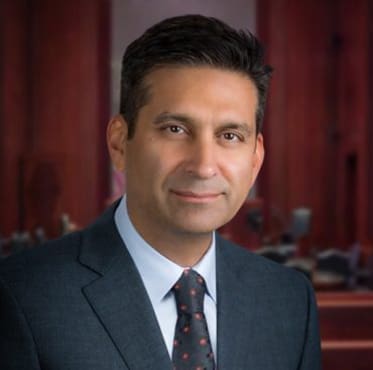


Why Clients Choose Max Alavi, APC
- Super Lawyers recognition based on peer review
- Extensive experience in California probate law
- Millions recovered in trust and probate litigation
- Strategic handling of trust and estate disputes
- Proven advocacy for surviving spouses and heirs
- Clear guidance through complex probate matters
- Outstanding dedication to every one of our clients




Let's Work Together - Tell Us Your Needs
At Max Alavi, Attorney at Law, APC, we understand the complexities of California probate law and are committed to providing solutions for trust and estate disputes. Contact us today to speak with one of our legal staff.