
Santa Clarita Probate Litigation Attorney
Top Ranked Trust & Probate Lawyers in California
5-Star Client Rating | Read Our Reviews
Santa Clarita Probate Litigation Expertise
At Max Alavi, Attorney at Law, navigating the complexities of probate litigation in Santa Clarita is our unwavering focus. With a deep understanding of local and state probate laws, our experienced team offers personalized legal strategies to protect your loved one's legacy and resolve disputes with clarity and compassion. We pride ourselves on:
- Proven track record in representing executors, beneficiaries, and heirs in even the most challenging probate conflicts
- Transparent, responsive communication so you always know where your case stands
- Dedication to client confidentiality, dignity, and positive outcomes
"Facing probate disagreements demands an advocate who listens, strategizes, and stands by your side through every stage. At Max Alavi, Attorney at Law, we combine skilled negotiation, attention to detail, and relentless advocacy to make a difference in your probate case in Santa Clarita."If you need trustworthy guidance and effective legal solutions for probate litigation in Santa Clarita, discover why so many clients turn to Max Alavi, Attorney at Law.
Our Trust Litigation Case Process

1. Case Evaluation
We begin with a full review of the trust, will, financial records, and family history. Our legal team will identify your rights, deadlines, and the best legal path before anything is filed.

2. Court Filings
The case formally begins when a probate petition or trust lawsuit is filed in California probate court, often in Orange County Superior Court. This step sets the legal issues, brings all parties into the case.

3. Discovery and Settlement
Both sides exchange documents, take depositions, and file motions to address disputes. Many trust and probate cases resolve here through settlement discussions or court ordered mediation.

4. Trial and Resolution
If no agreement is reached, the case proceeds to trial before a probate judge. After a ruling, the court orders distributions, removals of fiduciaries, or financial recovery, and we handle enforcement or appeals if needed.
Begin Your Free Case Evaluation Now
Call to schedule a free and confidential consultation with a trust litigation lawyer.
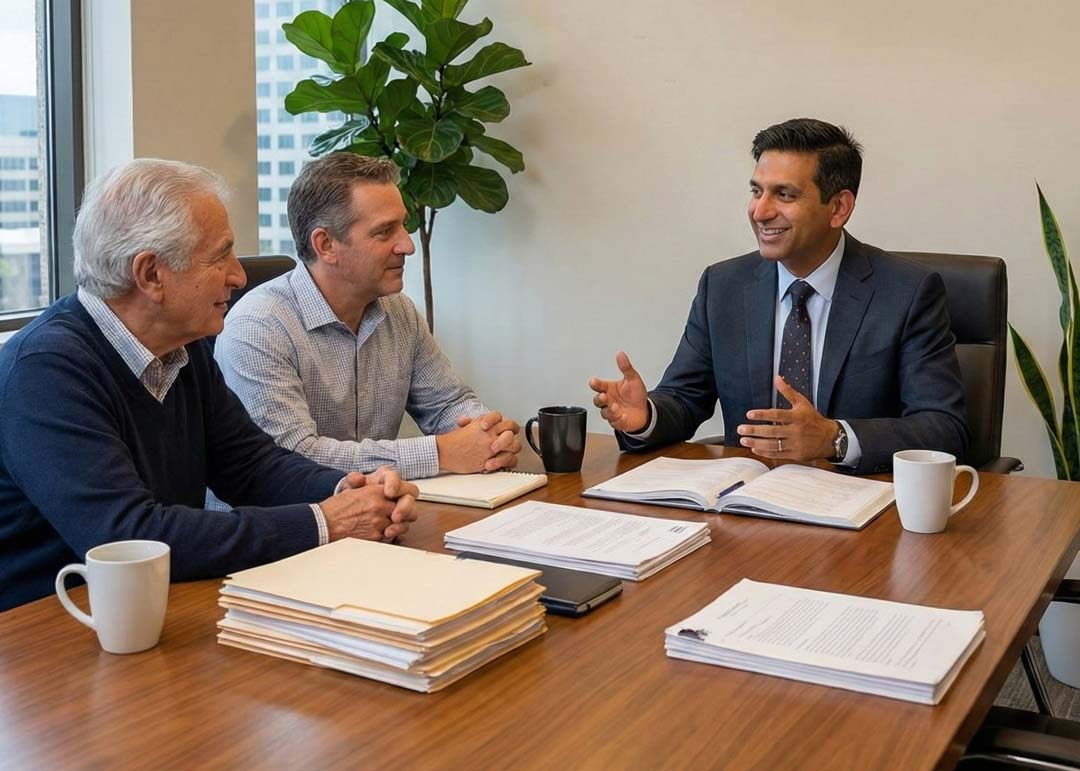

About Max Alavi, Attorney at Law
Max Alavi, Attorney at Law in Santa Clarita is a distinguished law firm recognized for its deep expertise in Probate Litigation, among a broad spectrum of estate and trust-related legal matters. Established on a foundation of integrity, professionalism, and client dedication, the firm has consistently offered strategic legal solutions tailored to each client’s unique needs. With a history marked by strong client relationships and successful outcomes, Max Alavi, Attorney at Law leverages years of focused experience to guide individuals and families through complex probate processes and estate disputes, prioritizing clear communication and mindful advocacy.
Located centrally in Santa Clarita, Max Alavi, Attorney at Law stands out for its commitment to personalized service and ethical practice. The firm emphasizes transparency, trustworthiness, and accessibility, ensuring that each client feels supported and empowered throughout their legal journey. While Probate Litigation remains a primary area of focus, the team’s comprehensive knowledge and compassionate approach set it apart in the legal community. By consistently upholding core values and adapting to the changing landscape of estate law, Max Alavi, Attorney at Law continues to be a trusted partner for clients seeking clarity and resolution in times of uncertainty.
An Interesting Fact About Probate Litigation in Santa Clarita
A lesser-known aspect of probate litigation in Santa Clarita, California, is the critical role of the "no contest" clause in wills and trusts. Under California Probate Code, these clauses are designed to discourage beneficiaries from challenging the terms of a will or trust by potentially disinheriting those who contest unsuccessfully. However, California law has strict guidelines on when "no contest" clauses are enforced, allowing certain legal challenges—such as those based on forgery or fraud—to proceed without penalty for the contestant.
Overview of Probate Litigation Laws in Santa Clarita
Probate litigation in Santa Clarita is subject to California’s comprehensive probate laws, which govern the process of resolving disputes or legal challenges related to the administration of estates and trusts. According to guidance from Max Alavi, Attorney at Law, common issues addressed in probate litigation include will contests, disputes among heirs and beneficiaries, challenges to the appointment or actions of executors or trustees, and the enforcement or interpretation of estate planning documents. The court process in Santa Clarita typically begins with the filing of a petition with the probate court and may involve hearings, discovery, mediation, or a full trial, depending on the complexity of the dispute. Local regulations prioritize the transparent and fair disposition of estate assets, ensuring that all involved parties have the opportunity to assert their rights and raise objections under the law.
- California Probate Code strictly outlines procedural requirements and deadlines for probate petitions and objections.
- Judges in Santa Clarita have wide discretion in resolving disputes and may order accountings, remove fiduciaries, or approve settlements to protect beneficiaries’ interests.
- Violations of fiduciary duties can result in significant financial penalties, trustee removal, or even personal liability for damages.
"Resolutions in probate litigation cases may range from negotiated settlements and mediation to formal court decisions, with the unique facts of each case shaping the potential outcomes." – Insights from Max Alavi, Attorney at Law
With extensive knowledge of Santa Clarita’s legal landscape, Max Alavi, Attorney at Law provides invaluable expertise in navigating the intricacies of probate litigation. Their team’s insights include conducting thorough reviews of estate planning documents, identifying undue influence or fraud, and advocating for clients at every stage of the court process. Leveraging their experience, they help clients understand how local court procedures and California regulations may impact their case, preparing them for potential outcomes such as the enforcement of a decedent’s last wishes, fair division of assets, or, when necessary, contestation of improper actions by executors or trustees. Their commitment to clear communication and strategic advocacy ensures clients are well-equipped to pursue the most favorable resolution available under Santa Clarita’s probate laws.
Other Services Available
Strategic Representation from an Orange County Probate Litigation Attorney at Max Alavi, Attorney at Law
If you’re facing a probate dispute or contest, the experienced attorneys at Max Alavi, Attorney at Law are here to protect your interests and guide you through every step. We thoroughly evaluate the facts and complexities of your case to craft a solid and effective defense. Gain peace of mind—your initial 30–60 minute consultation is completely free. Take the first step and contact us today at (949) 706-1919 to discuss your probate litigation matter.
Santa Clarita Demographics
Santa Clarita, located in northern Los Angeles County, is one of the largest and fastest-growing cities in Southern California. As of the most recent estimates, Santa Clarita’s population is approximately 230,000 residents. The city has experienced steady population growth over the last decade, fueled by ongoing residential development and its appeal to families and professionals.
- Age Distribution: The median age in Santa Clarita is about 36 years, with a balanced spread among children, young adults, and mature adults. Roughly 25% of the population is under 18, and those aged 65 and older account for about 12%.
- Diversity: The city is ethnically diverse, with substantial White (about 56%), Hispanic or Latino (approximately 34%), Asian (around 9%), and African American (about 4%) populations, reflecting broad multicultural representation.
- Socioeconomic Indicators:
- Median household income is notably above the national average, estimated near $110,000 per year.
- The per capita income is similarly strong, at around $41,000, with relatively low poverty rates compared to the Los Angeles County average.
- Housing in Santa Clarita is characterized by a high homeownership rate and ongoing new development, although rising housing costs remain a local concern.
- Notable Trends: Santa Clarita continues to attract young families and professionals due to its strong public safety record, recognized schools, and ample employment opportunities in the region.
Santa Clarita Probate Court System
Santa Clarita is served by the Los Angeles County Superior Court system, specifically through the North District courthouses. Probate and trust litigation matters for Santa Clarita residents are primarily heard at the Michael D. Antonovich Antelope Valley Courthouse and, for certain complex or high-value cases, at the Stanley Mosk Courthouse in downtown Los Angeles, which houses dedicated Probate Departments for the entire county.
- Key Courts:
- Stanley Mosk Courthouse – Probate Division: Central hub for probate, trust, conservatorship, and guardianship cases throughout Los Angeles County.
- Michael D. Antonovich Antelope Valley Courthouse: Handles select probate matters and is geographically closest to Santa Clarita.
- Case Types Handled:
- Probate of wills and intestate estates
- Trust litigation and administration
- Conservatorships and guardianships
- Will contests and fiduciary disputes
- Small estate administration and related matters
- Unique Features Relevant to Legal Clients:
- Dedicated Probate Department with judges and staff focused solely on probate, trust, and related matters.
- Mandatory online case filings (eFiling) for probate cases in accordance with local court rules.
- Available Online Case Access for tracking status, filings, and hearing dates.
- Specific local court rules and forms supplement California Probate Code requirements—legal clients must follow county rules on notice, timelines, and document submissions.
- The court offers self-help resources for probate, but complex trust and estate litigation generally benefits from specialized legal counsel.
Family Demographics in Santa Clarita
Santa Clarita’s population is strongly oriented toward families, resulting in a community profile that emphasizes family households, educational attainment, and youth services.
- Household Composition:
- Over 72% of households are classified as family households, demonstrating the city’s appeal to married couples and families with children.
- The average household size is approximately 3.0 persons, reflecting both nuclear and extended family arrangements.
- Owner-occupied housing makes up the majority of the real estate landscape, with single-family homes as the predominant housing type.
- Divorce Rates: Divorce rates in Santa Clarita are consistent with or slightly below the California state average; Los Angeles County processes a significant number of dissolution cases annually, but Santa Clarita itself maintains a stable rate of married-couple households.
- Family and Per Capita Income:
- Median family incomes are high, often exceeding $125,000 per year, a reflection of stable employment and a professional workforce.
- Per capita income is above $40,000, supporting strong consumer spending and community programs.
- School Systems:
- Santa Clarita is served by several top-rated school districts, including the William S. Hart Union High School District and the Saugus, Newhall, and Castaic Elementary School Districts.
- Schools in these districts are consistently recognized for academic performance, high graduation rates, and access to Advanced Placement (AP) and extracurricular programs.
- Popular Social Programs:
- Numerous youth-oriented programs, recreational resources, and family-centered social services are offered by both the city and Los Angeles County.
- The city provides outreach through its Family Services division, offering mental health resources, senior services, and legal aid access programs for residents.
- Community centers and afterschool programs are widely available, supporting children, teens, and working parents.
Trust Litigation
Areas We Serve
At Max Alavi, Attorney at Law, we have decades of experience in dealing with complex trust litigation matters throughout California. When you hire our legal team, you are bringing on the best and toughest litigators around to aggresively fight on your behalf.
What Our Amazing Clients Have To Say
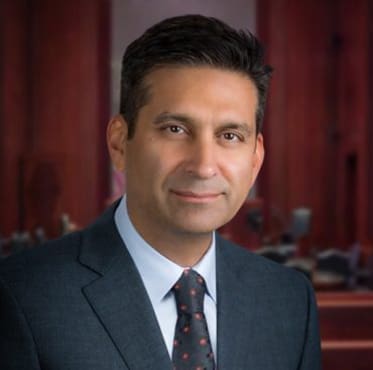


Why Clients Choose Max Alavi, APC
- Super Lawyers recognition based on peer review
- Extensive experience in California probate law
- Millions recovered in trust and probate litigation
- Strategic handling of trust and estate disputes
- Proven advocacy for surviving spouses and heirs
- Clear guidance through complex probate matters
- Outstanding dedication to every one of our clients




Let's Work Together - Tell Us Your Needs
At Max Alavi, Attorney at Law, APC, we understand the complexities of California probate law and are committed to providing solutions for trust and estate disputes. Contact us today to speak with one of our legal staff.