
Santa Clarita Probate And Trust Administration Attorney
Top Ranked Trust & Probate Lawyers in California
5-Star Client Rating | Read Our Reviews
Santa Clarita Probate And Trust Administration
At Max Alavi, Attorney at Law, we are dedicated to providing comprehensive and compassionate Probate And Trust Administration services in Santa Clarita. Our team combines years of specialized experience with a client-first approach, ensuring each case receives the utmost care and attention it deserves. Whether you are navigating a complex estate or need guidance through the probate process, our firm stands out for its commitment to clarity, efficiency, and achieving successful outcomes. We understand that these matters can be deeply personal and often overwhelming, which is why our expertise can make the difference when it matters most.
- Decades of focused Probate And Trust Administration experience
- Personalized strategies tailored to your needs
- Transparent communication every step of the way
“At Max Alavi, Attorney at Law, clients gain peace of mind knowing their sensitive legal matters are in trusted hands.”
Our Trust Litigation Case Process

1. Case Evaluation
We begin with a full review of the trust, will, financial records, and family history. Our legal team will identify your rights, deadlines, and the best legal path before anything is filed.

2. Court Filings
The case formally begins when a probate petition or trust lawsuit is filed in California probate court, often in Orange County Superior Court. This step sets the legal issues, brings all parties into the case.

3. Discovery and Settlement
Both sides exchange documents, take depositions, and file motions to address disputes. Many trust and probate cases resolve here through settlement discussions or court ordered mediation.

4. Trial and Resolution
If no agreement is reached, the case proceeds to trial before a probate judge. After a ruling, the court orders distributions, removals of fiduciaries, or financial recovery, and we handle enforcement or appeals if needed.
Begin Your Free Case Evaluation Now
Call to schedule a free and confidential consultation with a trust litigation lawyer.

About Max Alavi, Attorney at Law
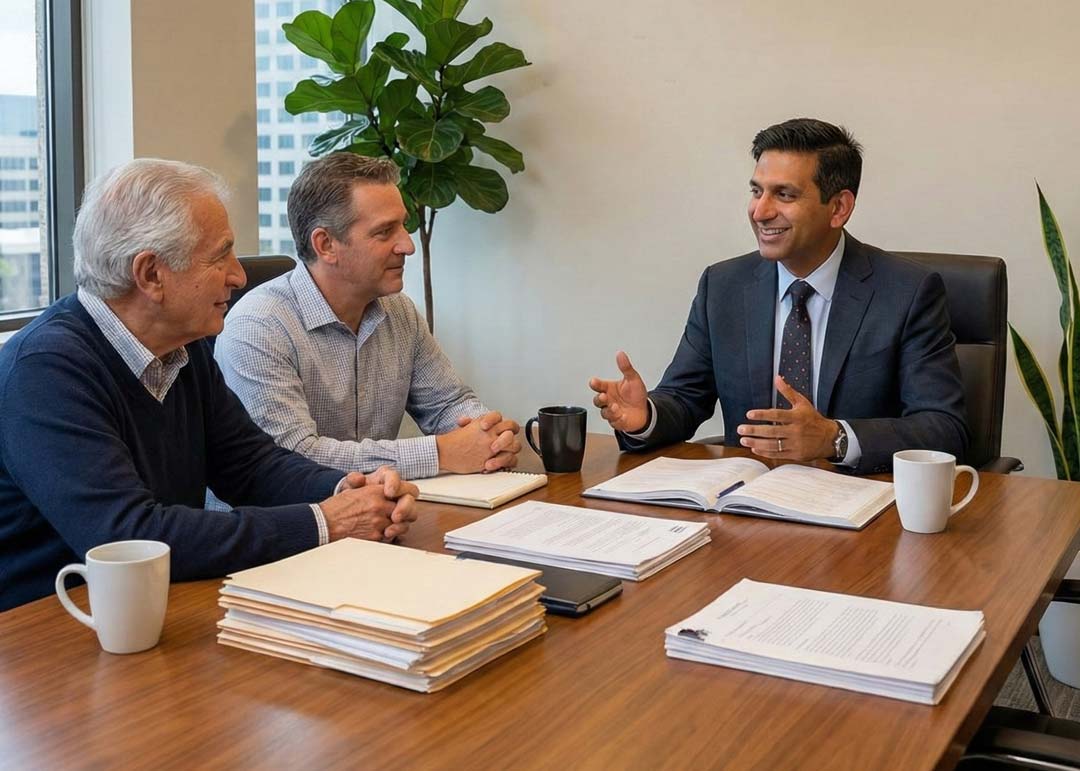
Max Alavi, Attorney at Law, serving the Santa Clarita community, is a distinguished law firm renowned for its commitment to excellence in Probate And Trust Administration, among other legal areas. Since its inception, the firm has cultivated a strong foundation built on integrity, legal acumen, and personalized client service. Led by Max Alavi, whose legal career is defined by a deep dedication to client advocacy and ethical practice, the firm prides itself on its meticulous approach to problem-solving and its track record of favorable results. Max Alavi, Attorney at Law has become synonymous with clear communication, thorough preparation, and a results-driven mindset—qualities that have shaped the firm's storied history within the Santa Clarita legal community.
Located in Santa Clarita, Max Alavi, Attorney at Law offers clients not just legal representation, but a partnership grounded in trust and respect. The firm's expertise in Probate And Trust Administration is complemented by its broader experience in estate planning and trust litigation, allowing the team to tackle the most complex cases with confidence. Max Alavi, Attorney at Law stands out for its client-centered values, fostering long-term relationships and ensuring every client receives attentive, honest, and compassionate counsel. The agency's unique blend of meticulous legal strategy, unwavering commitment to client welfare, and continuous pursuit of knowledge distinguishes the team as a trusted ally for families, individuals, and businesses throughout Santa Clarita.
An Interesting Fact About Probate And Trust Administration in Santa Clarita
A lesser-known fact about probate and trust administration in Santa Clarita, California, is that state law allows for a simplified probate process called a “spousal property petition.” This unique provision enables a surviving spouse or registered domestic partner to quickly transfer property without going through full probate, provided certain conditions are met. This process can save families considerable time and money, underscoring the importance of understanding California’s specific probate shortcuts available in Santa Clarita.
Overview of Probate and Trust Administration Laws in Santa Clarita
In Santa Clarita, the processes governing Probate and Trust Administration are primarily shaped by California state statutes, with important local considerations. According to insights provided by Max Alavi, Attorney at Law, probate is the formal court-supervised process of administering a deceased person’s estate, including proving the validity of a will, appointing an executor, identifying assets and debts, and distributing property to beneficiaries. For trusts, administration typically bypasses the probate court, enabling a more private and often expedited resolution as long as the trust is properly funded and executed. The law requires strict adherence to notice requirements, timelines, and reporting duties—failure to do so can result in personal liability for fiduciaries. The court will also intervene when disputes, challenges, or creditor claims arise, potentially leading to extended or contested proceedings before a local judge.
- California probate law mandates court oversight, including public filings and potential hearings, which can extend the duration and cost of estate settlement in Santa Clarita.
- Trust administration requires the trustee to act with impartiality and in the best interests of all beneficiaries, with comprehensive accountings and timely distributions.
- State and local regulations impact tax filings, property transfers, and creditor notifications, which can directly affect the estate's value and the parties' rights.
"Potential outcomes include streamlined distribution through proper planning or, conversely, substantial delays and litigation if statutory procedures are overlooked." – Insights from Max Alavi, Attorney at Law
Drawing from substantial expertise in Santa Clarita Probate and Trust Administration, Max Alavi, Attorney at Law provides nuanced guidance through each step of these intricate legal processes. The firm prioritizes accuracy in filings, upholds the highest standards of fiduciary integrity, and remains vigilant to changes in California law and local court preferences. Their comprehensive approach includes educating clients on options to minimize time in probate, mediating among beneficiaries, and directly addressing court requirements or contest issues. By leveraging local experience and an in-depth understanding of both probate and trust regulations, the team works diligently to offer efficient resolutions, protect assets, and preserve family legacies.
Other Services Available
Probate Litigation |
https://www.octrustslawyer.com/probate-litigation/ |
Trustee Defense |
https://www.octrustslawyer.com/trustee-defense/ |
Inheritance Disputes |
https://www.octrustslawyer.com/inheritance-disputes/ |
Probate And Trust Administration |
https://www.octrustslawyer.com/probate-trust-administration/ |
Conservatorship |
https://www.octrustslawyer.com/conservatorships/ |
Surviving Spouse Rights |
https://www.octrustslawyer.com/surviving-spouse-rights/ |
Experienced Guidance with Probate And Trust Administration at Max Alavi, Attorney at Law
If you need support navigating the complexities of probate and trust administration, our knowledgeable team is here to help. At Max Alavi, Attorney at Law, we offer a free 30-60 minute initial consultation to review your unique situation in detail and provide clear, practical options. Our attorneys will thoroughly evaluate every aspect of your case to ensure your loved ones’ wishes are honored and your rights are protected. Don’t face this process alone—call (949) 706-1919 for trusted assistance today.
Santa Clarita Demographics
Santa Clarita, California, is located in northern Los Angeles County and is recognized as one of the fastest-growing cities in the region. According to the U.S. Census Bureau and recent regional demographic reports:
- Population: Santa Clarita has a population of approximately 229,000 residents as of the mid-2020s, making it the third-largest city in Los Angeles County by population.
- Age Distribution:
- The median age in Santa Clarita is around 37 years.
- The population includes a balanced mix of children, working-age adults, and seniors, with approximately 25% of residents under age 18 and a growing segment of residents 65 and older.
- Diversity:
- The city is ethnically and racially diverse:
- White (Non-Hispanic): ~42%
- Hispanic or Latino: ~35%
- Asian: ~13%
- Black or African American: ~4%
- Other races and multiracial groups fill out the remainder.
- The city is ethnically and racially diverse:
- Socioeconomic Indicators:
- Median household income is estimated at approximately $110,000 to $115,000—substantially higher than the national median.
- Poverty rates are below statewide averages, at roughly 7–8%.
- Santa Clarita residents typically enjoy a high standard of living, though the cost of housing is also notably high.
- Trends: Population growth has slowed compared to earlier decades, but the city continues to attract families and professionals due to strong schools, public safety, and quality-of-life factors.
Santa Clarita Probate Court System
Probate and trust administration cases in Santa Clarita are processed through the Los Angeles County Superior Court system. Santa Clarita itself does not maintain a municipal or local probate court; instead, cases from the city are handled at county-level courthouses with jurisdiction over all probate and trust matters in the region.
- Primary Court: Most probate matters for Santa Clarita residents are handled at the Stanley Mosk Courthouse in downtown Los Angeles:
- Name: Superior Court of California, County of Los Angeles – Stanley Mosk Courthouse, Probate Division
- Address: 111 North Hill Street, Los Angeles, CA 90012
- Types of Cases Handled:
- Decedent estate proceedings (with or without a will)
- Trust administration issues and disputes
- Guardianship and conservatorship matters
- Petitions for probate, accountings, disputes, and settlements involving estates and trusts
- Elder and dependent adult protective orders (where related to estates and trusts)
- Unique Features:
- The Los Angeles County Probate Division provides detailed local rules, e-filing systems, and online case access for transparency and efficiency.
- Multiple probate departments operate within the Stanley Mosk Courthouse, each with rotating calendars and assigned judges.
- Cases sometimes involve mediation or non-adversarial resolutions, especially in trust administration disputes.
- Santa Clarita residents may need to travel to the Los Angeles courthouse for in-person hearings, though remote access and filings are increasingly available.
Clients in Santa Clarita seeking probate or trust administration legal services should be aware of Los Angeles County's centralized probate process, adherence to California state Probate Code, and the importance of meeting specific deadlines and procedural rules for successful case outcomes.
Family Demographics in Santa Clarita
Santa Clarita is characterized by its strong family-oriented community and robust educational systems. Key details regarding family structure and economic indicators include:
- Households:
- Approximately 70% of households in Santa Clarita are family households, with both traditional and blended families represented.
- The average household size is about 3.1 individuals, reflecting higher-than-average family size compared to state and national norms.
- Roughly 36% of households have children under 18 living at home.
- Household Composition:
- Married-couple households comprise a significant majority of family households.
- Single-parent families and multigenerational families are present, though in smaller numbers.
- Divorce and Marital Status:
- The divorce rate is roughly in line with or slightly below the California average; about 8% of adults over 15 are divorced.
- The city sees a steady but moderate number of divorce and separation legal filings each year, processed largely at the Los Angeles County Courthouse for Santa Clarita cases.
- Income:
- Median family income exceeds $120,000, with many dual-income households.
- Per capita income is estimated at around $44,000–$48,000.
- Poverty among families, particularly with children, is lower than statewide averages.
- Education and Social Programs:
- Santa Clarita is served by multiple highly-regarded public school districts, including the William S. Hart Union High School District and several elementary school districts known for strong performance and high graduation rates.
- Numerous social programs are available for families, such as youth services through the Santa Clarita Department of Parks and Recreation, family counseling, senior services, and child development programs.
- Private and charter school options, in addition to public education, are available to local families.
Overall, Santa Clarita’s family demographics indicate a stable, affluent, and family-centric community, supported by robust educational and social resources.
Trust Litigation
Areas We Serve
At Max Alavi, Attorney at Law, we have decades of experience in dealing with complex trust litigation matters throughout California. When you hire our legal team, you are bringing on the best and toughest litigators around to aggresively fight on your behalf.
What Our Amazing Clients Have To Say
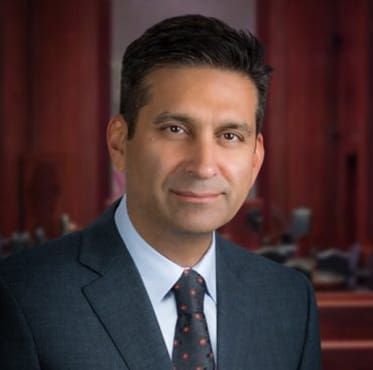


Why Clients Choose Max Alavi, APC
- Super Lawyers recognition based on peer review
- Extensive experience in California probate law
- Millions recovered in trust and probate litigation
- Strategic handling of trust and estate disputes
- Proven advocacy for surviving spouses and heirs
- Clear guidance through complex probate matters
- Outstanding dedication to every one of our clients




Let's Work Together - Tell Us Your Needs
At Max Alavi, Attorney at Law, APC, we understand the complexities of California probate law and are committed to providing solutions for trust and estate disputes. Contact us today to speak with one of our legal staff.