
Santa Clarita Financial Elder Abuse Attorney
Top Ranked Trust & Probate Lawyers in California
5-Star Client Rating | Read Our Reviews
Santa Clarita Financial Elder Abuse Attorneys
At Max Alavi, Attorney at Law, we are dedicated to protecting the financial well-being of elders in Santa Clarita with unwavering commitment and compassion. Our firm brings unparalleled expertise in Financial Elder Abuse, guiding clients and their families through complex issues such as asset exploitation, undue influence, and misappropriation of funds. We understand that these matters require not only legal acumen, but also empathy and sensitivity to the unique concerns of seniors and their loved ones.
- Decades of combined legal experience in Financial Elder Abuse
- Personalized, attentive legal counsel for every client
- Proven results defending the rights of seniors in Santa Clarita
"Protecting your loved ones and their legacy is our firm’s top priority. Trust Max Alavi, Attorney at Law to advocate with integrity and skill."
If you need a dedicated advocate to address concerns of Financial Elder Abuse in Santa Clarita, choose the firm focused on results, respect, and client care.
Our Trust Litigation Case Process

1. Case Evaluation
We begin with a full review of the trust, will, financial records, and family history. Our legal team will identify your rights, deadlines, and the best legal path before anything is filed.

2. Court Filings
The case formally begins when a probate petition or trust lawsuit is filed in California probate court, often in Orange County Superior Court. This step sets the legal issues, brings all parties into the case.

3. Discovery and Settlement
Both sides exchange documents, take depositions, and file motions to address disputes. Many trust and probate cases resolve here through settlement discussions or court ordered mediation.

4. Trial and Resolution
If no agreement is reached, the case proceeds to trial before a probate judge. After a ruling, the court orders distributions, removals of fiduciaries, or financial recovery, and we handle enforcement or appeals if needed.
Begin Your Free Case Evaluation Now
Call to schedule a free and confidential consultation with a trust litigation lawyer.

About Max Alavi, Attorney at Law
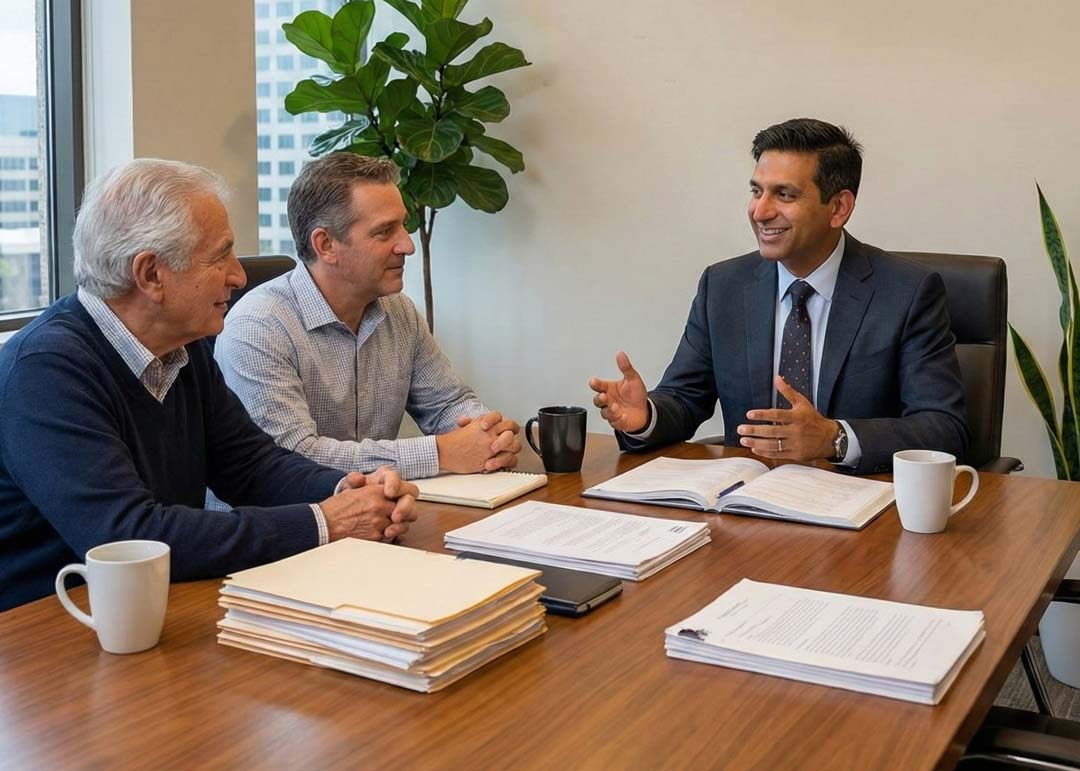
Max Alavi, Attorney at Law in Santa Clarita is renowned for dedication, integrity, and a client-centered approach to the practice of law. Established with the mission to provide exceptional legal counsel, the firm specializes in Financial Elder Abuse while also offering comprehensive expertise in probate matters, trust administration, and asset protection. With a proven history of serving the Southern California community, Max Alavi, Attorney at Law has cultivated a reputation built upon zealous advocacy, meticulous case preparation, and a compassionate, personable client experience that stands out in a complex field.
Rooted firmly in the belief that every client deserves individualized attention, Max Alavi, Attorney at Law in Santa Clarita approaches each matter with innovation, discretion, and an unwavering commitment to justice—especially in sensitive Financial Elder Abuse cases. The firm's core values revolve around reliability, clarity, and accessibility, reflecting Max Alavi’s personal philosophy of treating clients as partners throughout every stage of the legal process. This ethos, combined with years of specialized knowledge and a comprehensive understanding of California’s trust and elder law landscape, enables Max Alavi, Attorney at Law to deliver unmatched service and support, ensuring clients’ rights and assets are protected now and for the future.
An Interesting Fact About Financial Elder Abuse in Santa Clarita
In California, including Santa Clarita, financial elder abuse does not require direct theft or physical presence—simply “undue influence” over an elderly person’s financial decisions qualifies as abuse under the law. California’s Elder Abuse and Dependent Adult Civil Protection Act defines undue influence as excessive persuasion that causes an elder to act or refrain from acting, resulting in personal or financial harm, making cases of subtle manipulation subject to legal action even if assets have not actually been transferred.
Overview of Financial Elder Abuse Laws in Santa Clarita
Financial elder abuse in Santa Clarita is addressed by a robust network of California state regulations designed to protect seniors from exploitation or fraud involving their assets. Max Alavi, Attorney at Law explains that these laws define financial elder abuse as any illegal or improper act—such as fraud, undue influence, or theft—targeted at individuals aged 65 and older, often by someone in a position of trust. Local statutes are enforced in the Los Angeles County courts, where the court process typically involves investigations, evidentiary hearings, and potentially civil or criminal litigation. The expertise of a seasoned legal practice is indispensable, as the courts closely scrutinize transactions, testamentary documents (like wills and trusts), and any signs of incapacity or coercion when determining liability and appropriate remedies.
- California law allows for both civil and criminal penalties, including restitution, compensatory damages, fines, and in some instances, jail time.
- Common signs investigated include sudden changes in estate documents, unexplained asset transfers, or restricted access to bank accounts.
- Court resolutions may involve invalidating fraudulent transactions, restoring lost assets, or seeking injunctions against further abuse.
"At Max Alavi, Attorney at Law, our team leverages extensive estate planning experience to identify and challenge transactions that jeopardize seniors' financial security. We guide clients through the complexities of local court procedures, ensuring their rights and interests are protected every step of the way."
With a deep understanding of both estate planning and the specific legal safeguards in Santa Clarita, Max Alavi, Attorney at Law offers clients practical insights into preventing and addressing financial elder abuse. Their attorneys are well-versed in evaluating the validity of changes to trusts or powers of attorney, challenging improper influence, and representing clients at both settlement negotiations and trial. By staying current with evolving statutes and local court procedures as outlined in the referenced webpage, the firm ensures clients are aware of all available remedies—whether it's reclaiming diverted assets or pursuing punitive damages. Clients benefit from the firm's holistic approach, combining legal expertise with compassion for affected families navigating these sensitive matters.
Other Services Available
Financial Elder Abuse |
https://www.octrustslawyer.com/financial-elder-abuse/ |
Compassionate Guidance from an Orange County Financial Elder Abuse Attorney at Max Alavi, Attorney at Law
If you suspect financial elder abuse, you don’t have to face it alone—turn to Max Alavi, Attorney at Law, for experienced and dedicated legal support. Our attorneys will thoroughly evaluate every detail of your case to build a strong defense and protect your or your loved one’s assets. Take the first step by scheduling a free, 30-60 minute consultation—call (949) 706-1919 today. We’re here to provide the approachable and professional help you deserve.
Santa Clarita Demographics
Santa Clarita, located in Los Angeles County, is one of Southern California’s largest and fastest-growing cities, with a 2024 estimated population of approximately 231,000 residents. Growth in population has been steady, driven by household formation and migration from other regions of California. According to recent U.S. Census Bureau data and local government estimates, Santa Clarita exhibits the following demographic characteristics:
- Population Size: About 231,000 residents as of 2024.
- Age Distribution:
- Large youth and family segments: Approximately 24% under age 18.
- Adults 25–54 (prime working age) make up over 40% of the population.
- Seniors (age 65+) are about 13% and growing, highlighting the importance of elder legal services.
- Diversity:
- Ethnically diverse: White (non-Hispanic) make up about 46%; Hispanic or Latino approximately 34%.
- Asian (non-Hispanic) at roughly 13%; African American, Native American, and other groups make up the remainder.
- Santa Clarita’s foreign-born population is around 20%, contributing to its cultural diversity.
- Socioeconomic Indicators:
- Median household income is estimated at $110,000–$115,000, higher than the Los Angeles County average.
- Poverty rate is approximately 7%, notably lower than the countywide average.
- High rates of homeownership (over 70%).
- Trends:
- Continued population growth and suburban development.
- Increasing percentage of seniors, expanding the need for elder law and financial abuse prevention.
Santa Clarita’s demographic profile reveals a dynamic, affluent, and culturally varied community, with growing segments of both families and seniors—key considerations for legal services, especially in areas involving elder financial protection.
Santa Clarita Probate Court System
Probate and trust matters for Santa Clarita residents are handled through the Superior Court of California, County of Los Angeles. While Santa Clarita does not have its own dedicated probate courthouse, residents typically interact with the main Stanley Mosk Courthouse in downtown Los Angeles for probate matters. Key aspects of the probate court system relevant to individuals and families in Santa Clarita include:
- Primary Court:
- Stanley Mosk Courthouse, Central District, Los Angeles – the principal location for probate, trust, and estate matters for all of Los Angeles County, including Santa Clarita.
- Case Types Handled:
- Probate of decedent estates
- Trust administration and litigation
- Will contests
- Conservatorships and guardianships
- Issues of financial elder abuse and fiduciary duty breaches
- Minor’s compromises and claims involving incapacitated adults
- Unique Features:
- Centralized eFiling for probate case initiation and management
- Dedicated probate examiners and judges with expertise in elder financial abuse matters
- Robust case management, with public online case status access
- The California Probate Code and Los Angeles County Local Rules govern proceedings, including protective orders for vulnerable elders
For Santa Clarita residents seeking help with probate, trust disputes, or issues of financial elder abuse, understanding the structure and operations of the Los Angeles County probate system is critical. Local attorneys can facilitate navigation and representation in these matters, helping safeguard the interests of seniors and their families.
Family Demographics in Santa Clarita
Santa Clarita has a pronounced family orientation, with a significant share of households composed of married couples and families with children. The local social and economic environment is conducive to both family stability and multi-generational living, which is an important context for elder law concerns. Key family demographic highlights include:
- Household and Family Structure:
- Approximately 75% of households are family households; 55% are married-couple families.
- Average household size: about 3.0 persons.
- Households with children under 18 constitute around 35%.
- Single-person (non-family) households make up roughly 20% of the total.
- Family Size & Trends:
- Family households average 3.3 persons, often spanning multiple generations, making elder protection a community priority.
- Divorce Rates and Marital Status:
- Divorce rates for Santa Clarita are close to the California average; about 11% of adults are divorced or separated.
- Most households are led by married couples; however, legal filings for divorce, custody, and support are consistently processed in the Los Angeles County Family Courts.
- Family Income/Per Capita Income:
- Median family income: about $125,000–$130,000.
- Per capita income: approximately $42,000–$45,000.
- Dual-income and professional families are common.
- School Systems and Social Programs:
- Served by the William S. Hart Union High School District and several elementary districts, known for high graduation rates and above-average academic performance.
- Access to wide-ranging youth, senior, and family-focused programming through the City of Santa Clarita and Los Angeles County Department of Public Social Services.
- Notable programs include SCV Senior Center services, Meals on Wheels, and elder financial education initiatives.
Given the city’s substantial family and senior population, legal services touching on probate, trust administration, and protection against financial elder abuse are essential for Santa Clarita residents. Families and individuals benefit from robust local resources and support systems, complementing the services of experienced legal counsel.
Trust Litigation
Areas We Serve
At Max Alavi, Attorney at Law, we have decades of experience in dealing with complex trust litigation matters throughout California. When you hire our legal team, you are bringing on the best and toughest litigators around to aggresively fight on your behalf.
What Our Amazing Clients Have To Say


Why Clients Choose Max Alavi, APC
- Super Lawyers recognition based on peer review
- Extensive experience in California probate law
- Millions recovered in trust and probate litigation
- Strategic handling of trust and estate disputes
- Proven advocacy for surviving spouses and heirs
- Clear guidance through complex probate matters
- Outstanding dedication to every one of our clients




Let's Work Together - Tell Us Your Needs
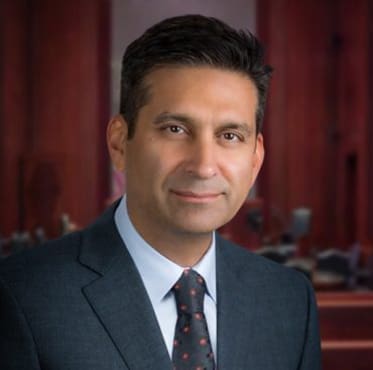
At Max Alavi, Attorney at Law, APC, we understand the complexities of California probate law and are committed to providing solutions for trust and estate disputes. Contact us today to speak with one of our legal staff.