
Santa Clarita Contested Will and Trust Attorney
Top Ranked Trust & Probate Lawyers in California
5-Star Client Rating | Read Our Reviews
Santa Clarita Contested Will and Trust Legal Services
At Max Alavi, Attorney at Law, we offer trusted and comprehensive legal representation in contested will and trust matters throughout Santa Clarita. Our team brings years of focused experience to every case, ensuring clients feel informed, supported, and empowered during challenging times. What sets us apart is our personalized approach to each dispute, meticulous case analysis, and dedicated advocacy, whether inside or outside of the courtroom. We recognize the urgency and sensitivity surrounding these issues, and our commitment is strong—to protect your rights, preserve family harmony when possible, and secure the outcome you deserve.
- Extensive expertise in contested will and trust litigation
- Personalized strategies tailored to each client's unique situation
- Responsive, compassionate guidance from consultation to resolution
“Our clients trust us to navigate high-stakes inheritance disputes, knowing their interests—and legacies—are in capable hands.”
Our Trust Litigation Case Process

1. Case Evaluation
We begin with a full review of the trust, will, financial records, and family history. Our legal team will identify your rights, deadlines, and the best legal path before anything is filed.

2. Court Filings
The case formally begins when a probate petition or trust lawsuit is filed in California probate court, often in Orange County Superior Court. This step sets the legal issues, brings all parties into the case.

3. Discovery and Settlement
Both sides exchange documents, take depositions, and file motions to address disputes. Many trust and probate cases resolve here through settlement discussions or court ordered mediation.

4. Trial and Resolution
If no agreement is reached, the case proceeds to trial before a probate judge. After a ruling, the court orders distributions, removals of fiduciaries, or financial recovery, and we handle enforcement or appeals if needed.
Begin Your Free Case Evaluation Now
Call to schedule a free and confidential consultation with a trust litigation lawyer.
About Max Alavi, Attorney at Law
Max Alavi, Attorney at Law, based in Santa Clarita, has garnered an esteemed reputation for excellence and unwavering advocacy in the field of Contested Will and Trust law. Founded by Max Alavi, whose dedication to client service and legal mastery has propelled the firm since its inception, the practice is centered on delivering personalized solutions to complex estate and trust disputes. Throughout its history, Max Alavi, Attorney at Law has continuously expanded its scope of expertise, demonstrating skill not only in contested will and trust matters, but also in probate administration and comprehensive estate planning. The team’s approach is characterized by meticulous attention to detail and a steadfast commitment to upholding clients’ rights, which has earned the firm recognition throughout Santa Clarita and beyond.
Operating within Santa Clarita, Max Alavi, Attorney at Law distinguishes itself through a core commitment to integrity, transparency, and responsiveness. The firm values building meaningful relationships with clients, maintaining a guiding philosophy that every case is unique and deserves creative, effective strategies tailored to individual goals. Drawing from extensive knowledge and hands-on experience in Contested Will and Trust disputes, the attorneys offer not only legal counsel, but also compassionate guidance through often emotionally charged situations. What sets Max Alavi, Attorney at Law apart is their unwavering dedication to client empowerment—ensuring each step taken is informed, thoughtful, and always in the client’s best interest.
An Interesting Fact About Contesting Wills and Trusts in Santa Clarita, California
A lesser-known yet important aspect of California will and trust contests, especially in Santa Clarita, involves the “no-contest clause.” California law allows testators and settlors to include a no-contest clause in their estate documents, which can penalize beneficiaries who unsuccessfully challenge the will or trust. However, such clauses are strictly interpreted under California Probate Code, and only certain types of challenges—like those made without probable cause—trigger enforcement, offering some protection for good-faith objections in Santa Clarita probate disputes.
Overview of Contested Will and Trust Laws in Santa Clarita
Contested will and trust cases in Santa Clarita are governed by a set of California state statutes and local regulations that outline the formalities for creating, administering, and disputing wills and trusts. As detailed by Max Alavi, Attorney at Law, these laws set forth who may contest a will or trust, the grounds for such challenges (including undue influence, lack of capacity, or fraud), and the strict procedural requirements for filing a contest. The Santa Clarita court process typically involves the filing of a petition within a specified statute of limitations, notice to interested parties, and often leads to mediation or formal hearings before a judge. The close adherence to statutory deadlines and evidentiary rules is critical, as failure to comply can forfeit the right to contest or impact the possible outcomes of the case.
- Grounds for contesting a will or trust include lack of mental capacity, undue influence, fraud, and improper execution.
- Potential resolutions can range from amendments and settlements to complete invalidation of the challenged document.
- Strict procedural timelines govern when and how contests can be filed; missing these can permanently bar legal recourse.
"Successfully contesting or defending a will or trust in Santa Clarita relies on meticulously prepared legal arguments, evidence, and an understanding of both local court procedures and California law.” – Insights from Max Alavi, Attorney at Law
With extensive experience handling contested will and trust matters in the Santa Clarita region, Max Alavi, Attorney at Law is adept at navigating the complex court procedures and advocating effectively for clients’ interests. The firm leverages a thorough understanding of estate litigation, gathering documentation, working with experts, and negotiating settlements when possible, while also being prepared to litigate aggressively when negotiations fail. By staying current on relevant legal developments and utilizing precise knowledge of local court expectations, Max Alavi, Attorney at Law, works to minimize client risk and maximize favorable outcomes—whether through alternative dispute resolution, settlement, or contested court proceedings.
Other Services Available
Trust Litigation |
https://www.octrustslawyer.com/trust-litigation |
Contested Will and Trust |
https://www.octrustslawyer.com/trust-will-contests/ |
Beneficiary Representation |
https://www.octrustslawyer.com/beneficiary-representation/ |
Trustee Removal |
https://www.octrustslawyer.com/trustee-removal-surcharge-actions/ |
Comprehensive Support for Contested Will and Trust Matters from Orange County Probate Attorneys at Max Alavi, Attorney at Law
If you’re facing challenges involving a contested will or trust, turn to Max Alavi, Attorney at Law for skilled legal guidance you can rely on. Our experienced attorneys will thoroughly evaluate every detail of your case to build a robust defense tailored to your situation. Take the uncertainty out of your future—contact us today at (949) 706-1919 to schedule your free initial consultation (30-60 minutes). We’re here to help you protect your rights and secure the best possible outcome.
Santa Clarita Demographics
Santa Clarita, California, is a prominent suburban city located in northern Los Angeles County. As of the mid-2020s, the city is home to an estimated population of approximately 228,000 residents. Census and community survey data provide the following insights into Santa Clarita’s demographic composition:
- Age Distribution: The median age is in the late 30s, with a balanced mix of children, working-age adults, and seniors. Over 25% of the population is under 18, while roughly 13% is aged 65 or older.
- Diversity: Santa Clarita is ethnically diverse:
- White (Non-Hispanic): ~43%
- Hispanic or Latino: ~34%
- Asian: ~13%
- African American: ~5%
- Other and multiracial residents make up the balance.
- Socioeconomic Indicators:
- Median household income exceeds $110,000, notably higher than the national average.
- Per capita income is roughly $42,000, reflecting a stable middle-class community.
- Poverty rates in Santa Clarita are below state and national levels, typically around 8%.
- The city retains a high rate of homeownership and a robust local employment base, with significant employment in education, healthcare, retail, and entertainment sectors.
- Notable Trends:
- Santa Clarita continues to experience steady population growth, driven in part by urban development and proximity to Los Angeles.
- The city’s family-friendly reputation attracts young families and professionals seeking suburban amenities and quality schools.
Santa Clarita Probate Court System
Santa Clarita is served by the Superior Court of California, County of Los Angeles, which provides jurisdiction over probate, trust, and contested will matters. The structure and relevant details for legal clients seeking assistance with contested wills and trusts are as follows:
- Key Courts: Probate cases for Santa Clarita residents are filed and heard at Los Angeles Superior Court’s Northeast District (Michael D. Antonovich Antelope Valley Courthouse) and, more commonly for probate matters, the central Stanley Mosk Courthouse (Downtown Los Angeles).
- Case Types Handled:
- Contested will and trust litigation
- Estate administration and probate of wills
- Trust administration, trust contests, and modifications
- Guardianships and conservatorships
- Accountings, disputes involving fiduciaries, and elder abuse restraining orders related to trusts and estates
- Unique Features:
- The Probate Division at Stanley Mosk Courthouse is one of the largest in the state, with dedicated judges and court staff specializing in complex estate and trust litigation.
- Online case access and e-filing are available, allowing parties to check status, file documents, and receive court notices electronically.
- Local probate procedures and deadlines are governed by both state law (California Probate Code) and Los Angeles County local rules.
- Mediation and alternative dispute resolution services are available for contested cases, helping resolve disputes efficiently.
- Special attention is given to contested matters—including undue influence, lack of capacity, and fraud claims—making experienced legal counsel essential for successful outcomes in will and trust disputes.
For Santa Clarita residents, probate and trust matters fall under the jurisdiction of the Los Angeles Superior Court. It is crucial to comply with court-specific procedures and deadlines, particularly in contested will and trust proceedings.
Family Demographics in Santa Clarita
Santa Clarita is recognized for its strong family orientation and high proportion of family households. Key family demographic data includes:
- Family vs. Single Households: Over 75% of households are family-based (married couples or single-parent families), reflecting a residential character focused on family living.
- Average Family Size: The average family consists of 3.3 persons, while the average household size is about 2.9.
- Divorce Rates: While precise city-specific data on divorce rates is limited, Los Angeles County generally tracks close to California’s state average of about 9-10% of adults being divorced or separated. Santa Clarita’s divorce rate is considered comparable or lower, in part due to strong community and family support systems.
- Family Income and Per Capita Income:
- Median family income in Santa Clarita exceeds $120,000, with dual-earner families common in the workforce.
- Per capita income aligns with regional affluence at approximately $42,000 annually.
- School Systems:
- Santa Clarita is served primarily by the William S. Hart Union High School District and several elementary districts (including Saugus, Newhall, Castaic, and Sulphur Springs School Districts).
- Public schools in Santa Clarita generally rank highly for academic performance, graduation rates, and college readiness.
- The city is also home to College of the Canyons, a well-known community college.
- Popular Social Programs:
- Extensive recreational programs through the City of Santa Clarita’s Community Services Department
- Family and youth support services, including after-school programs, counseling, and senior services
- Local nonprofit organizations provide additional resources for family wellness, housing assistance, youth development, and legal aid.
This strong family demographic and the presence of robust support systems make Santa Clarita an appealing and stable location for households considering legal services, such as contested will and trust matters.
Trust Litigation
Areas We Serve
At Max Alavi, Attorney at Law, we have decades of experience in dealing with complex trust litigation matters throughout California. When you hire our legal team, you are bringing on the best and toughest litigators around to aggresively fight on your behalf.
What Our Amazing Clients Have To Say
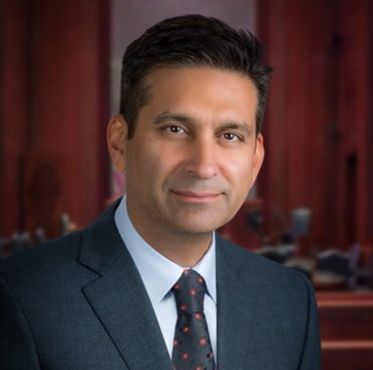


Why Clients Choose Max Alavi, APC
- Super Lawyers recognition based on peer review
- Extensive experience in California probate law
- Millions recovered in trust and probate litigation
- Strategic handling of trust and estate disputes
- Proven advocacy for surviving spouses and heirs
- Clear guidance through complex probate matters
- Outstanding dedication to every one of our clients




Let's Work Together - Tell Us Your Needs
At Max Alavi, Attorney at Law, APC, we understand the complexities of California probate law and are committed to providing solutions for trust and estate disputes. Contact us today to speak with one of our legal staff.