
Santa Clarita Beneficiary Representation Attorney
Top Ranked Trust & Probate Lawyers in California
5-Star Client Rating | Read Our Reviews
Beneficiary Representation in Santa Clarita
At Max Alavi, Attorney at Law, we dedicate our extensive knowledge and resources to offering outstanding Beneficiary Representation in Santa Clarita. Our firm combines in-depth legal expertise with a personalized approach, ensuring clients receive both effective solutions and compassionate guidance during complex estate and trust matters. As a reputable name in the Santa Clarita legal community, we are committed to advocating fiercely for beneficiaries’ rights and interests.
- Proven experience handling a wide range of beneficiary cases
- Transparent communication and honest legal advice
- Focused on resolving disputes efficiently and favorably
- Local knowledge, trusted throughout Santa Clarita
“Max Alavi, Attorney at Law stands out for relentless advocacy and personalized service—you’re never just another case; you’re a valued client.”
Choose Max Alavi, Attorney at Law for trusted Beneficiary Representation in Santa Clarita, and let us protect your interests every step of the way.
Our Trust Litigation Case Process

1. Case Evaluation
We begin with a full review of the trust, will, financial records, and family history. Our legal team will identify your rights, deadlines, and the best legal path before anything is filed.

2. Court Filings
The case formally begins when a probate petition or trust lawsuit is filed in California probate court, often in Orange County Superior Court. This step sets the legal issues, brings all parties into the case.

3. Discovery and Settlement
Both sides exchange documents, take depositions, and file motions to address disputes. Many trust and probate cases resolve here through settlement discussions or court ordered mediation.

4. Trial and Resolution
If no agreement is reached, the case proceeds to trial before a probate judge. After a ruling, the court orders distributions, removals of fiduciaries, or financial recovery, and we handle enforcement or appeals if needed.
Begin Your Free Case Evaluation Now
Call to schedule a free and confidential consultation with a trust litigation lawyer.

About Max Alavi, Attorney at Law
With a distinguished legacy of service in Santa Clarita, Max Alavi, Attorney at Law has cultivated a reputation for excellence in Beneficiary Representation while offering a comprehensive approach to trust, estate, and probate matters. Founded by Max Alavi, the firm prides itself on combining deep legal knowledge with personalized service, ensuring that every client receives attentive and effective guidance. The dedicated professionals at Max Alavi, Attorney at Law are committed to tailored solutions, advocating for beneficiaries with integrity and persistence. Their proven track record reflects the firm’s robust understanding of complex trust and estate issues, positioning them as steadfast allies for those seeking clarity and justice.
Situated in the vibrant community of Santa Clarita, Max Alavi, Attorney at Law stands out for its unwavering values of trust, transparency, and accessibility. The team is well-versed in all areas of Beneficiary Representation, always placing the client’s needs at the forefront and providing clear communication throughout every legal process. Firmly rooted in a philosophy of respect and personal attention, Max Alavi, Attorney at Law distinguishes itself by building long-lasting relationships and delivering outcomes that honor both the spirit and letter of the law. Passionate about serving their community, the firm remains a pillar of reliable and ethical legal advocacy in Santa Clarita.
An Interesting Fact About Beneficiary Representation in Santa Clarita
A lesser-known aspect of beneficiary representation in Santa Clarita, California, is that beneficiaries have the right to request a formal accounting from trustees under the California Probate Code. If a trustee fails to provide clear financial records or explanations, beneficiaries can petition the local probate court to compel an accounting. This protection ensures transparency and empowers beneficiaries to monitor the proper administration of the trust, reducing the risk of mismanagement or abuse by trustees in California trust matters.
Overview of Beneficiary Representation Laws in Santa Clarita
Beneficiary representation in Santa Clarita is governed by a body of California probate and estate planning laws designed to protect the rights and interests of those named in wills and trusts. As outlined on the webpage by Max Alavi, Attorney at Law, individuals who stand to benefit from an estate or trust must navigate a legal framework that addresses issues including the validity of testamentary documents, appropriate distribution of assets, and potential disputes among heirs. Local regulations require fiduciaries—such as trustees and executors—to adhere strictly to their legal duties, and beneficiaries are entitled to demand transparency, accounting, and fairness throughout the probate or trust administration process. The court process in Santa Clarita typically involves filing necessary petitions, notifying interested parties, and managing any contested issues through either negotiated resolution or judicial intervention, depending on the complexity of the case.
- California law mandates that beneficiaries be kept informed about the administration of the estate or trust.
- Probate and estate litigation may arise when disputes occur over asset distribution, document authenticity, or fiduciary misconduct.
- Potential resolutions include negotiated settlements, formal mediation, or court-ordered corrections and removal of fiduciaries when warranted.
"Protecting beneficiaries’ rights requires diligence, experience, and a thorough understanding of both local court processes and California probate laws." – Perspective from Max Alavi, Attorney at Law
With a nuanced understanding of Santa Clarita’s legal landscape, Max Alavi, Attorney at Law provides beneficiaries with dedicated representation tailored to the unique circumstances of their cases. The firm leverages deep knowledge of probate statutes and local court expectations to help clients secure rightful distributions, hold fiduciaries accountable, and resolve conflicts efficiently. Whether advocating for clients in negotiation or court proceedings, their team is committed to ensuring beneficiaries are protected from delays, improper conduct, or unjust outcomes. Beneficiaries rely on Max Alavi for strategic guidance, whether seeking to challenge the actions of a trustee or to defend their interests when faced with intra-family disputes or complex estate structures.
Other Services Available
Trust Litigation |
https://www.octrustslawyer.com/trust-litigation |
Contested Will and Trust |
https://www.octrustslawyer.com/trust-will-contests/ |
Beneficiary Representation |
https://www.octrustslawyer.com/beneficiary-representation/ |
Trustee Removal |
https://www.octrustslawyer.com/trustee-removal-surcharge-actions/ |
Protect Your Rights with an Experienced Beneficiary Representation Attorney at Max Alavi, Attorney at Law
If you are a beneficiary facing disputes or concerns relating to a trust or estate, you deserve knowledgeable advocacy on your side. At Max Alavi, Attorney at Law, our attorneys specialize in Beneficiary Representation, meticulously evaluating every aspect of your case to safeguard your interests and build a robust defense. Take the first step towards peace of mind—contact us today at (949) 706-1919 for a complimentary 30–60 minute initial consultation. We are here to guide you with clarity and unwavering support.
Santa Clarita Demographics
Santa Clarita, located in northern Los Angeles County, is the third-largest city in the county and one of the fastest-growing communities in Southern California. As of the early 2020s, the city’s estimated population is approximately 228,000 residents. Santa Clarita’s population growth has been steady, fueled by ongoing residential development, a strong local economy, and its appeal to families seeking suburban living within reach of Los Angeles.
- Age Distribution: The median age in Santa Clarita is around 36 years. The city maintains a balanced age profile, with approximately one-quarter of residents under 18 and a significant portion of working-age adults. The senior population (65 and older) is under 12%, although this segment continues to grow as the city matures.
- Diversity: Santa Clarita is diverse, with White (non-Hispanic) residents composing just under half the population. Hispanic or Latino residents constitute about 35%, while Asian, African American, and other racial groups represent the remainder, contributing to a vibrant multicultural community.
- Socioeconomic Indicators:
- Median household income is approximately $110,000, well above state and national averages.
- Per capita income is over $40,000.
- Poverty rates are relatively low (below 8%), reflecting a higher standard of living.
- The city’s employment base is diverse, with significant representation in education, healthcare, entertainment, retail, and manufacturing sectors.
- Notable Trends: Santa Clarita has seen consistent population increases, increasing housing stock, and ongoing investment in local infrastructure, amenities, and public safety.
Santa Clarita Probate Court System
Probate and trust matters for Santa Clarita residents fall under the jurisdiction of the Superior Court of California, County of Los Angeles. The court system is one of the largest unified trial courts in the United States, with a dedicated Probate Division handling trust, estate, and related fiduciary issues throughout the county.
- Key Probate Court:
- Most Santa Clarita probate cases are heard at the Stanley Mosk Courthouse in downtown Los Angeles, which serves as the central hub for probate proceedings in Los Angeles County.
- Case Types Handled:
- Decedent estate administration (with or without a will)
- Trust proceedings
- Conservatorships and guardianships
- Will contests and trust disputes
- Elder or dependent adult abuse petitions
- Minor’s compromise hearings and other related matters
- Unique Features for Legal Clients:
- Cases are filed and managed through the Los Angeles County e-filing system, providing electronic access to documents and case statuses.
- Santa Clarita residents may need to travel to central Los Angeles for hearings, though many routine filings and some proceedings can be conducted remotely.
- The Probate Division enforces both statewide and local rules, sometimes with additional local forms and procedures specific to Los Angeles County.
- Case information, hearings, and court calendars are accessible online, enhancing transparency for attorneys and beneficiaries.
Family Demographics in Santa Clarita
Santa Clarita is widely recognized for its family-oriented environment and consistently ranks as one of California’s best cities for families.
- Households:
- Approximately 70% of Santa Clarita households are classified as family households, higher than both state and national averages.
- The city has an average household size of about 3.0 persons, reflecting the prevalence of family and multi-generational living arrangements.
- A significant portion of homes are owner-occupied, with a stable real estate market catering to families.
- Family Composition:
- Most family households are married-couple families, often with children under 18 years of age.
- Single-parent households, particularly those headed by women, represent a notable minority but are supported by robust local social services.
- Divorce Rates:
- Divorce rates for Santa Clarita are moderately lower than Los Angeles County and California averages. The city’s stable economic base and family focus contribute to lower incidences of divorce compared to more urbanized regions.
- Family law issues, including divorce and custody, are handled at the Michael D. Antonovich Antelope Valley Courthouse and the Chatsworth Courthouse, which are accessible for Santa Clarita residents.
- Economic Characteristics:
- Median family income is slightly higher than general household income, often exceeding $120,000 annually for families, reflecting dual-income homes and professional employment sectors.
- Per capita income is strong for the region, contributing to overall economic security for most families.
- Education and Social Programs:
- The city is served by several highly rated school districts, including William S. Hart Union High School District and local elementary school districts such as Saugus Union, Newhall, and Castaic Union School Districts.
- Public schools in Santa Clarita consistently outperform state averages on academic metrics, making the city attractive for families prioritizing education.
- Santa Clarita provides a wide array of social programs, including youth recreation, senior services, after-school care, and community mental health resources, through both municipal agencies and local non-profits.
Trust Litigation
Areas We Serve
At Max Alavi, Attorney at Law, we have decades of experience in dealing with complex trust litigation matters throughout California. When you hire our legal team, you are bringing on the best and toughest litigators around to aggresively fight on your behalf.
What Our Amazing Clients Have To Say
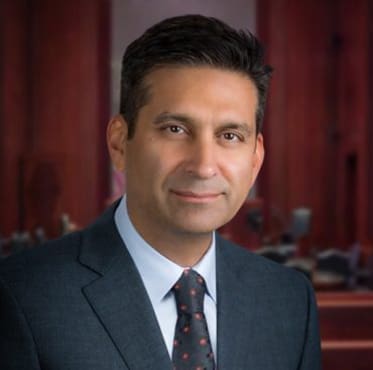


Why Clients Choose Max Alavi, APC
- Super Lawyers recognition based on peer review
- Extensive experience in California probate law
- Millions recovered in trust and probate litigation
- Strategic handling of trust and estate disputes
- Proven advocacy for surviving spouses and heirs
- Clear guidance through complex probate matters
- Outstanding dedication to every one of our clients




Let's Work Together - Tell Us Your Needs
At Max Alavi, Attorney at Law, APC, we understand the complexities of California probate law and are committed to providing solutions for trust and estate disputes. Contact us today to speak with one of our legal staff.