
Santa Ana Contested Will and Trust Attorney
Top Ranked Trust & Probate Lawyers in California
5-Star Client Rating | Read Our Reviews
Santa Ana Contested Will and Trust Legal Services
At Max Alavi, Attorney at Law, we provide dedicated legal representation for individuals facing contested will and trust matters in Santa Ana. With years of focused experience in probate disputes, our firm is known for its unwavering commitment to protecting our clients' interests and achieving fair outcomes. We combine deep legal knowledge with a personal approach, ensuring you receive tailored strategies and clear communication every step of the way.
Our mission is to guide you through complex will and trust disputes with compassion, skill, and tenacity.
- Extensive experience in contested will and trust litigation
- Personalized, hands-on attention to every case
- Proven record of successful outcomes in Santa Ana courts
Our Trust Litigation Case Process

1. Case Evaluation
We begin with a full review of the trust, will, financial records, and family history. Our legal team will identify your rights, deadlines, and the best legal path before anything is filed.

2. Court Filings
The case formally begins when a probate petition or trust lawsuit is filed in California probate court, often in Orange County Superior Court. This step sets the legal issues, brings all parties into the case.

3. Discovery and Settlement
Both sides exchange documents, take depositions, and file motions to address disputes. Many trust and probate cases resolve here through settlement discussions or court ordered mediation.

4. Trial and Resolution
If no agreement is reached, the case proceeds to trial before a probate judge. After a ruling, the court orders distributions, removals of fiduciaries, or financial recovery, and we handle enforcement or appeals if needed.
Begin Your Free Case Evaluation Now
Call to schedule a free and confidential consultation with a trust litigation lawyer.


About Max Alavi, Attorney at Law
Max Alavi, Attorney at Law in Santa Ana has been a pillar of legal service for individuals and families navigating the complexities of estate disputes and related matters. Founded on a commitment to compassionate advocacy, the firm has earned an outstanding reputation for resolving Contested Will and Trust cases as well as a broad range of trust administration and probate litigation. With decades of collective experience, the attorneys at Max Alavi, Attorney at Law pride themselves on providing each client with clarity, customized strategies, and steadfast support, making legal guidance approachable and results-driven. The firm’s refined approach and deep understanding of California trust law have led to a long track record of successfully safeguarding client interests and legacies.
Located in the heart of Santa Ana, Max Alavi, Attorney at Law distinguishes itself through a client-centered philosophy emphasizing integrity, transparency, and respect. The team is led by Max Alavi, whose belief in meticulous preparation and personal service is reflected throughout the firm's practice, especially in delicate Contested Will and Trust matters. Clients repeatedly commend the firm’s clear communication, ethical guidance, and tenacious advocacy. At Max Alavi, Attorney at Law, every case is handled with confidentiality and sensitivity, ensuring clients feel empowered and supported during some of life's most challenging transitions. These core values—combined with a legacy of trusted counsel—set the firm apart as a leading voice for justice in the realm of trust and estate law.
An Interesting Fact About Contested Will and Trust in Santa Ana
A lesser-known, yet crucial, aspect of California’s contested will and trust proceedings—especially in Santa Ana—is the impact of the “no-contest” clause. Under California law, these clauses are often included to discourage beneficiaries from challenging a will or trust. However, since state reforms in 2010, a no-contest clause is only enforceable under very specific circumstances, such as when a beneficiary files a contest without probable cause. This change has a significant effect on local estate disputes.
Overview of Contested Will and Trust Laws in Santa Ana
Contesting a will or trust in Santa Ana involves navigating a web of California probate and estate laws that require precise legal expertise. As outlined by Max Alavi, Attorney at Law, individuals who believe a loved one's will or trust does not accurately reflect their true intent may have standing to challenge these estate documents. Common grounds for contesting include allegations of undue influence, lack of capacity, fraud, or improper execution. In Santa Ana courts, the process often involves petition filings, evidence gathering, and hearings before a probate judge, all governed by the California Probate Code. Understanding local procedures is essential, as Santa Ana’s probate court enforces strict procedural requirements and deadlines, which can significantly affect the outcome of a contested will or trust case.
- California law recognizes only specific parties—such as heirs, beneficiaries, or those with a financial interest—as having standing to contest a will or trust.
- Key elements in local cases include examining the mental state of the decedent, the fairness of the drafting process, and any signs of coercion or fraud.
- Potential outcomes range from upholding the original document to modifying or invalidating its terms, depending on the court’s findings.
"Working with an attorney knowledgeable about the Santa Ana probate process helps ensure that your rights are protected and that your case is thoroughly prepared for court review." – Insights from Max Alavi, Attorney at Law
With significant experience in Santa Ana, Max Alavi, Attorney at Law is adept at guiding clients through every phase of a contested will or trust case, from initial consultations to courtroom advocacy. Their team thoroughly investigates the validity of estate documents, identifies key witnesses, and ensures all procedural requirements are met. Drawing from the information provided by the firm, clients benefit from a comprehensive approach that emphasizes early analysis of legal standing, critical evaluation of evidence, and robust representation in negotiations or at trial. Whether seeking to uphold a loved one’s wishes or to protect an inheritance from unlawful interference, clients in Santa Ana can rely on the insights and diligent advocacy of Max Alavi, Attorney at Law to navigate local regulations, court processes, and work toward favorable resolutions.
Other Services Available
Trust Litigation |
https://www.octrustslawyer.com/trust-litigation |
Contested Will and Trust |
https://www.octrustslawyer.com/trust-will-contests/ |
Beneficiary Representation |
https://www.octrustslawyer.com/beneficiary-representation/ |
Trustee Removal |
https://www.octrustslawyer.com/trustee-removal-surcharge-actions/ |
Contested Will and Trust Attorneys Protecting Your Rights at Max Alavi, Attorney at Law
If you’re facing a contested will or trust matter, our experienced attorneys at Max Alavi, Attorney at Law are ready to help you navigate these stressful disputes. We will meticulously review every detail of your case and develop a solid strategy to defend your interests. Our team is dedicated to providing clear guidance throughout the process, so you feel confident and protected. Call us today at (949) 706-1919 for your free 30-60 minute initial consultation, and let us go to work for you.
Santa Ana Demographics
Santa Ana, California, serves as the county seat of Orange County and is known for its vibrant urban environment and cultural diversity. As of the mid-2020s, Santa Ana's estimated population is approximately 310,000 residents, making it one of the most densely populated cities in the region. The city's demographic landscape is characterized by a youthful population, with a median age of around 32 years—lower than both the state and national averages—and a substantial proportion of residents under the age of 18. Santa Ana is recognized for its majority Hispanic or Latino population, which comprises more than three-quarters of the city’s total residents, followed by White, Asian, and smaller percentages of other ethnic groups.
- Population Size: Approx. 310,000
- Median Age: 32 years
- Ethnic Composition: 77%+ Hispanic or Latino, with remaining groups including White, Asian, and African American populations
- Socioeconomic Indicators:
- Median household income: Approximately $73,000, lower than the Orange County average
- Per capita income: Estimated around $23,000
- Poverty rate: Notably higher than the countywide figure, at about 16–18%
- Notable Trends:
- Steady population growth in recent decades
- Large proportion of foreign-born residents
- Increasing demand for family, educational, and support services
Santa Ana continues to experience dynamic changes due to its strong immigrant community, bustling workforce, and the ongoing revitalization of its downtown and residential areas. These trends shape both the social fabric and legal needs of the community.
Santa Ana Probate Court System
Probate and contested will or trust matters for Santa Ana residents are handled through the Superior Court of California, County of Orange, which operates key justice centers in and near Santa Ana. The primary venue for these matters is the Central Justice Center in downtown Santa Ana. This courthouse oversees the full spectrum of probate and trust-related cases. Notable aspects of the system include:
- Court Name: Superior Court of California, County of Orange – Central Justice Center
- Probate Division:
- Handles administration of decedents’ estates, will and trust contests, conservatorships, guardianships, elder law matters, and related fiduciary proceedings
- Contested will and trust cases are given particular attention, as they may involve complex hearings, jury or court trials, and mediation/settlement conferences
- Dedicated probate calendar aligned with California Probate Code and local rules
- Electronic case management system for online filings, document access, and status checks
- Special Features Relevant to Legal Clients:
- All filings, hearings, and supporting documentation for Santa Ana residents are managed locally at the Central Justice Center
- Availability of probate examiners and judicial officers skilled in handling family disputes, including high-conflict and high-asset cases
- Public access to probate records via the court’s web-based portal
- Mandatory settlement conferences for contested matters, streamlined mediation services to resolve disputes out of court when possible
The probate system in Santa Ana is designed for accessibility and transparency, helping residents and their legal counsel to navigate contested will and trust proceedings effectively under the supervision of experienced judicial officers.
Family Demographics in Santa Ana
Santa Ana's household structure is notably family-oriented. According to the latest census and regional data, a strong majority of households in Santa Ana are characterized as family households.
- Household Type:
- More than 80% of all households are family households (higher than the state and county averages)
- Large average family size: approx. 4.2 persons per household
- About 40% of households include children under 18
- Divorce and Marital Trends:
- Divorce rates in the city reflect both cultural patterns (with many multi-generational and intact family units) and broader county trends
- Santa Ana participates in Orange County’s family court system for divorce, support, and custody filings, with thousands of family law cases annually countywide
- Income Indicators:
- Median family income: approximately $74,000
- Per capita income: approximately $23,000
- Family poverty rate: higher than average for Orange County but below some nearby urban centers
- School Systems and Social Programs:
- Served by the Santa Ana Unified School District (SAUSD), one of the largest in California, with multiple elementary, intermediate, and high schools
- SAUSD provides access to magnet programs, dual-language immersion, and college-preparatory tracks
- Numerous city and county social service programs, including youth centers, family support services, affordable childcare, and after-school activities
- Active nonprofit sector supporting immigrant families, low-income households, and parental education
These family and educational structures provide critical resources and social stability for Santa Ana residents, and also guide the types of legal services often required, such as family law support, guardianship issues, and contested estate or trust matters.
Trust Litigation
Areas We Serve
At Max Alavi, Attorney at Law, we have decades of experience in dealing with complex trust litigation matters throughout California. When you hire our legal team, you are bringing on the best and toughest litigators around to aggresively fight on your behalf.
What Our Amazing Clients Have To Say
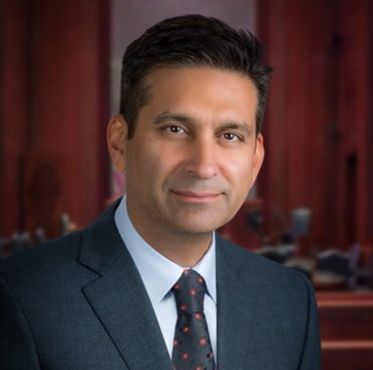


Why Clients Choose Max Alavi, APC
- Super Lawyers recognition based on peer review
- Extensive experience in California probate law
- Millions recovered in trust and probate litigation
- Strategic handling of trust and estate disputes
- Proven advocacy for surviving spouses and heirs
- Clear guidance through complex probate matters
- Outstanding dedication to every one of our clients




Let's Work Together - Tell Us Your Needs
At Max Alavi, Attorney at Law, APC, we understand the complexities of California probate law and are committed to providing solutions for trust and estate disputes. Contact us today to speak with one of our legal staff.