
Pasadena Surviving Spouse Rights Attorney
Top Ranked Trust & Probate Lawyers in California
5-Star Client Rating | Read Our Reviews
Pasadena Surviving Spouse Rights Expertise
At Max Alavi, Attorney at Law in Pasadena, we dedicate our practice to protecting and advocating for Surviving Spouse Rights with compassion, diligence, and extensive legal knowledge. Our firm stands out for its personalized approach, ensuring every client receives tailored solutions during life’s most challenging transitions. You can count on us for clear communication, thorough legal strategies, and unwavering support throughout your case. Here’s why Max Alavi, Attorney at Law is the preferred choice for Surviving Spouse Rights in Pasadena:
- Comprehensive understanding of California Surviving Spouse Rights law
- Client-centered counsel designed to protect your financial and emotional well-being
- Proven track record of favorable outcomes for Pasadena families
- Accessible, empathetic guidance every step of the way
“At Max Alavi, Attorney at Law, our commitment is to secure your rights and peace of mind as a surviving spouse in Pasadena.”
Our Trust Litigation Case Process

1. Case Evaluation
We begin with a full review of the trust, will, financial records, and family history. Our legal team will identify your rights, deadlines, and the best legal path before anything is filed.

2. Court Filings
The case formally begins when a probate petition or trust lawsuit is filed in California probate court, often in Orange County Superior Court. This step sets the legal issues, brings all parties into the case.

3. Discovery and Settlement
Both sides exchange documents, take depositions, and file motions to address disputes. Many trust and probate cases resolve here through settlement discussions or court ordered mediation.

4. Trial and Resolution
If no agreement is reached, the case proceeds to trial before a probate judge. After a ruling, the court orders distributions, removals of fiduciaries, or financial recovery, and we handle enforcement or appeals if needed.
Begin Your Free Case Evaluation Now
Call to schedule a free and confidential consultation with a trust litigation lawyer.

About Max Alavi, Attorney at Law
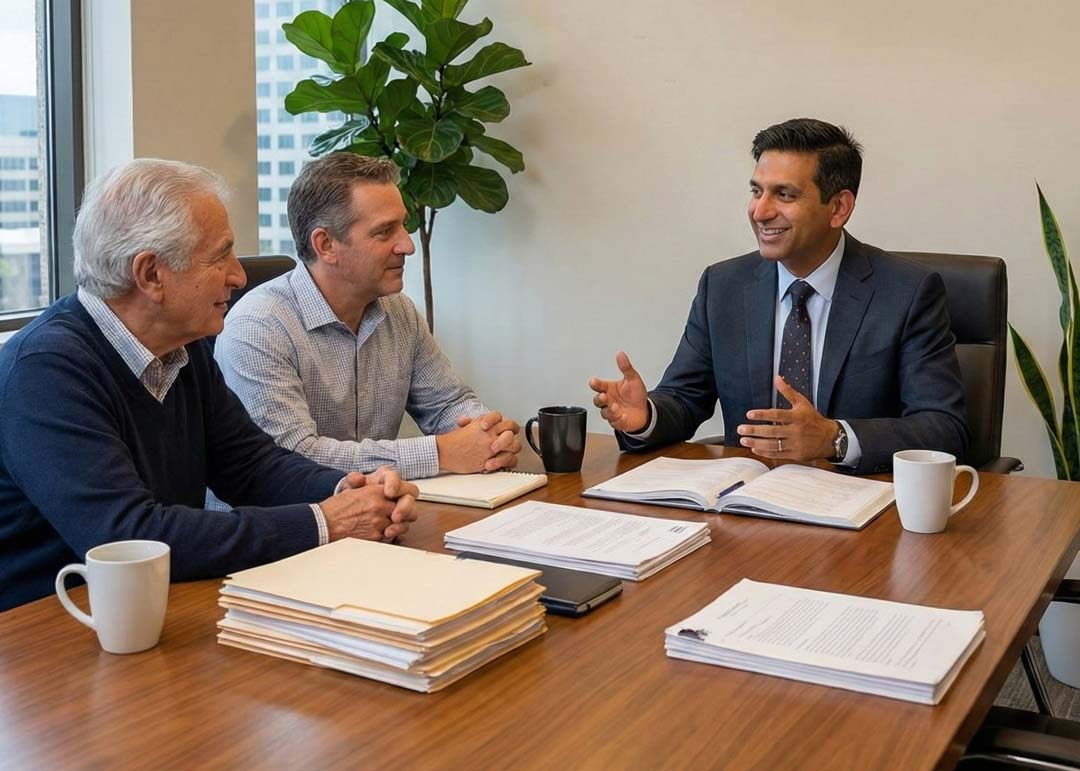
Max Alavi, Attorney at Law in Pasadena is guided by a long-standing tradition of client-focused advocacy and in-depth legal expertise. The firm is widely recognized for its proficiency in Surviving Spouse Rights, while also offering a full spectrum of estate planning, trust administration, and probate solutions. Established to provide clarity in often complex legal matters, Max Alavi, Attorney at Law is committed to delivering results through a combination of rigorous preparation and personalized service. With an unyielding dedication to upholding the highest professional standards, the firm has steadily built a reputation for trustworthiness, deep local roots, and a compassionate approach to every client’s unique needs.
Operating from a convenient Pasadena location, Max Alavi, Attorney at Law continues to distinguish itself by seamlessly blending tradition with innovation in the legal field. The firm’s strong foundation is rooted in values of integrity, clear communication, and a genuine commitment to protecting clients’ rights—especially in emotionally sensitive matters such as Surviving Spouse Rights. Every member of the team brings not only expertise but also empathy, guiding individuals and families with careful counsel and unwavering support. Through effective representation, strategic problem-solving, and an abiding respect for clients’ privacy, Max Alavi, Attorney at Law stands as a trusted partner for anyone navigating the complexities of trust law and estate administration in Pasadena.
An Interesting Fact About Surviving Spouse Rights in Pasadena
In California, including Pasadena, a lesser-known aspect of surviving spouse rights is the “quasi-community property” rule. This means that property acquired by either spouse during marriage, while living outside California, is generally treated as community property when the couple moves to California. As a result, a surviving spouse in Pasadena may inherit assets that were acquired elsewhere, reflecting California's commitment to equitable distribution even when property laws differ across states.
Overview of Surviving Spouse Rights Laws in Pasadena
In Pasadena, the rights of a surviving spouse are primarily governed by California’s Probate Code and local probate court procedures, which play a critical role in estate planning outcomes. According to information provided by Max Alavi, Attorney at Law, surviving spouses in Pasadena may be entitled to a substantial share of their late spouse’s estate, even if a will or trust is present. This includes community property interests, elective share rights, and the right to claim certain assets regardless of previous estate distributions. Navigating these regulations often involves complex court processes, such as filing for spousal property petitions, contesting aspects of a will or trust, or proving the validity of a marriage for inheritance purposes. The Pasadena probate courts enforce specific deadlines and documentation requirements, making professional guidance essential.
- Surviving spouses may assert claims to community property and seek to set aside any transfers that infringe upon their statutory rights.
- Courts may address conflicts among heirs, creditors, and surviving spouses, affecting both distribution timelines and final asset division.
- Potential penalties for improper estate handling include personal liability for fiduciaries and contested litigation that can delay distributions.
"With proper legal counsel, surviving spouses can safeguard their interests, minimize contentious litigation, and often resolve disputes through negotiation or strategic petition filings.” – Insights from Max Alavi, Attorney at Law
Drawing on extensive expertise in Pasadena estate law, Max Alavi, Attorney at Law offers tailored guidance to surviving spouses, ensuring compliance with California statutes and effective navigation of the local court system. The firm’s in-depth understanding of Pasadena’s unique probate landscape allows them to clarify entitlements, manage required filings, and advocate for resolutions that protect their clients’ interests. Whether the objective is to avoid litigation or assert a formal claim in difficult circumstances, their strategic approach helps surviving spouses address every challenge and safeguard their rightful inheritance, no matter how complex the estate may be.
Other Services Available
```html
Probate Litigation |
https://www.octrustslawyer.com/probate-litigation/ |
Trustee Defense |
https://www.octrustslawyer.com/trustee-defense/ |
Inheritance Disputes |
https://www.octrustslawyer.com/inheritance-disputes/ |
Probate And Trust Administration |
https://www.octrustslawyer.com/probate-trust-administration/ |
Conservatorship |
https://www.octrustslawyer.com/conservatorships/ |
Surviving Spouse Rights |
https://www.octrustslawyer.com/surviving-spouse-rights/ |
Compassionate Support for Surviving Spouse Rights from Max Alavi, Attorney at Law
If you're facing challenges understanding or asserting your rights as a surviving spouse, Max Alavi, Attorney at Law is here to guide you. Our dedicated attorneys will thoroughly evaluate every detail of your situation to build a strong and effective defense on your behalf. We offer a reassuring, personalized approach—starting with a free 30-60 minute consultation—so you can make informed decisions with confidence. Call us today at (949) 706-1919 for the support and expertise you deserve.
Pasadena Demographics
Pasadena, California, located in Los Angeles County, is a culturally vibrant and economically diverse city with an estimated population of approximately 135,000 residents as of the mid-2020s. Pasadena’s population density and well-established neighborhoods reflect its status as a mature urban center within the Los Angeles metropolitan area. Demographic highlights include:
- Age Distribution: The median age in Pasadena is approximately 38 years, with residents distributed across all major age groups. The city has significant populations of young professionals, families, and retirees.
- Diversity: Pasadena boasts rich ethnic diversity. Key groups include White (both non-Hispanic and Hispanic or Latino), Asian, African American, and other racial minorities. Multilingual households and a broad cultural mix are characteristic of the city’s neighborhoods.
- Socioeconomic Indicators: Median household income in Pasadena is estimated around $92,000, though income disparity is evident between different neighborhoods. Per capita income typically exceeds $50,000. The poverty rate stands at roughly 13%, higher than surrounding affluent suburbs but on par with similar-sized urban areas in California.
- Trends: Recent years show stable population numbers with gradual increases in diversity and growth in younger family and professional segments. Gentrification and rising housing costs remain ongoing local issues, influencing demographic and socioeconomic shifts.
Pasadena Probate Court System
Probate and trust matters in Pasadena fall within the jurisdiction of the Superior Court of California, County of Los Angeles, one of the largest trial court systems in the nation. Key features of the probate court system for Pasadena residents include:
- Principal Court Location: Pasadena Probate cases are generally handled at the Stanley Mosk Courthouse, located in downtown Los Angeles. Some civil services are available at the Pasadena Courthouse, but the primary probate division is at Stanley Mosk.
- Matters Handled:
- Decedent’s estates
- Will and trust administration
- Spousal rights and elections (including claims by surviving spouses)
- Guardianships and conservatorships
- Minor’s compromises and protective proceedings
- Elder and dependent adult abuse petitions
- Key Features:
- Probate cases are assigned to specialized probate judges familiar with California Probate Code and local court rules.
- The court provides access to remote hearings, electronic filing, and online case status systems for convenience and transparency.
- Unique to Los Angeles County, probate procedures often involve additional notice requirements and strict local rule compliance.
- For surviving spouses, the court adjudicates spousal property petitions, elective share rights, and disputes over omitted spouses and community property claims.
Family Demographics in Pasadena
Family structure and related socioeconomic factors in Pasadena reflect both its urban character and a strong presence of established households. Notable features include:
- Household Composition:
- Total number of households: approximately 55,000
- Family households represent about 57% of all households
- Single-person households and non-family shared living arrangements are common, especially among older adults and young professionals
- Average Family Size: Approximately 3.2 persons per family household
- Divorce Rate: Local, Pasadena-specific divorce data is not published, but Los Angeles County maintains one of the higher divorce filing rates in California, consistent with large urban areas. Many Pasadena residents utilize the county’s family law division for dissolution of marriage and related proceedings.
- Income:
- Median family income in Pasadena generally exceeds $120,000 per year, reflecting higher incomes among dual-earner households
- Per capita income remains well above the state average, though income disparity persists between northern and southern neighborhoods
- School Systems: Served primarily by the Pasadena Unified School District (PUSD), which includes several high-performing magnet and specialized schools. Private and parochial school options are also accessible.
- Popular Social Programs:
- City-sponsored afterschool care, parenting support initiatives, and various social service partnerships
- Community centers offering youth, family, and senior programming, including legal aid and counseling services
Trust Litigation
Areas We Serve
At Max Alavi, Attorney at Law, we have decades of experience in dealing with complex trust litigation matters throughout California. When you hire our legal team, you are bringing on the best and toughest litigators around to aggresively fight on your behalf.
What Our Amazing Clients Have To Say
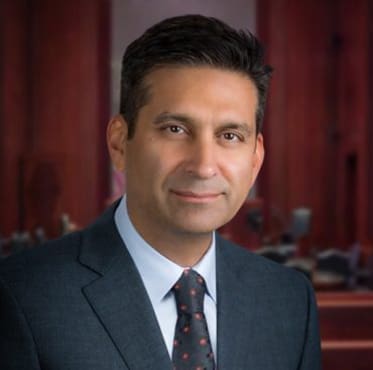


Why Clients Choose Max Alavi, APC
- Super Lawyers recognition based on peer review
- Extensive experience in California probate law
- Millions recovered in trust and probate litigation
- Strategic handling of trust and estate disputes
- Proven advocacy for surviving spouses and heirs
- Clear guidance through complex probate matters
- Outstanding dedication to every one of our clients




Let's Work Together - Tell Us Your Needs
At Max Alavi, Attorney at Law, APC, we understand the complexities of California probate law and are committed to providing solutions for trust and estate disputes. Contact us today to speak with one of our legal staff.