
Pasadena Probate And Trust Administration Attorney
Top Ranked Trust & Probate Lawyers in California
5-Star Client Rating | Read Our Reviews
Pasadena Probate And Trust Administration Expertise
At Max Alavi, Attorney at Law, we bring decades of focused experience in Probate And Trust Administration to clients throughout Pasadena. Our team understands the complexities families face during times of transition, and we are dedicated to guiding you through every aspect of your case with compassion, confidentiality, and clear communication. Clients trust us because we provide:
- Personalized strategies tailored to your unique estate and family situation
- Efficient, detail-oriented administration of trusts and probate matters
- Experienced guidance on reducing delays and minimizing costs
“The team at Max Alavi, Attorney at Law treated my family with respect and kept us informed every step of the way.”
When you choose Max Alavi, Attorney at Law for Probate And Trust Administration in Pasadena, you gain a trustworthy advocate devoted to protecting your interests and ensuring your loved ones’ legacies are handled with care.
Our Trust Litigation Case Process

1. Case Evaluation
We begin with a full review of the trust, will, financial records, and family history. Our legal team will identify your rights, deadlines, and the best legal path before anything is filed.

2. Court Filings
The case formally begins when a probate petition or trust lawsuit is filed in California probate court, often in Orange County Superior Court. This step sets the legal issues, brings all parties into the case.

3. Discovery and Settlement
Both sides exchange documents, take depositions, and file motions to address disputes. Many trust and probate cases resolve here through settlement discussions or court ordered mediation.

4. Trial and Resolution
If no agreement is reached, the case proceeds to trial before a probate judge. After a ruling, the court orders distributions, removals of fiduciaries, or financial recovery, and we handle enforcement or appeals if needed.
Begin Your Free Case Evaluation Now
Call to schedule a free and confidential consultation with a trust litigation lawyer.


About Max Alavi, Attorney at Law
Max Alavi, Attorney at Law, established in the vibrant community of Pasadena, has earned a distinguished reputation for providing comprehensive and compassionate legal guidance. With a primary focus on Probate And Trust Administration, the firm has dedicated itself to serving individuals and families with integrity, empathy, and attention to detail for over a decade. Drawing on Max Alavi’s substantial experience and legal insight, Max Alavi, Attorney at Law delivers solutions designed to effectively resolve clients’ most complex estate and trust matters, helping them navigate often challenging transitions and safeguard their legacies.
The core values at Max Alavi, Attorney at Law center around attentive client service, confidentiality, and a personalized approach to every case. Clients in Pasadena and beyond benefit from the firm’s strategic and individualized advocacy in Probate And Trust Administration, as well as its broader expertise across estate planning and trust litigation. The firm’s unique blend of professionalism and genuine concern for client well-being sets it apart, ensuring that every client receives informed guidance and steadfast support throughout their legal journey. Proud of its longstanding history and commitment to excellence, Max Alavi, Attorney at Law remains a trusted resource for those seeking to protect their assets and ensure their wishes are honored.
An Interesting Fact About Probate and Trust Administration in California
California’s probate and trust administration process has a unique provision allowing “summary probate”—a streamlined procedure for small estates. If the decedent’s assets in California are valued under $184,500 (as of 2024), qualified heirs can bypass the lengthy formal probate and instead use an affidavit to claim property. This accelerated process can help families in California avoid months of probate court proceedings and expedite the inheritance of assets, saving time and legal costs.
Overview of Probate and Trust Administration Laws in Pasadena
Probate and trust administration in Pasadena is governed by California state law, which outlines specific requirements for managing and distributing a decedent’s estate. As highlighted by Max Alavi, Attorney at Law, probate is the court-supervised process of transferring assets from a deceased person's estate to beneficiaries, ensuring that debts and taxes are properly handled. In Pasadena, probate can involve petitioning the local courts, notifying creditors and heirs, inventorying assets, and distributing property according to the will or, in the absence of a will, state intestacy laws. Trust administration, on the other hand, often bypasses the probate court, allowing a designated trustee to settle the trust privately but in strict accordance with California statutes.
- Probate in Pasadena typically requires court approval and can take several months, often resulting in additional court and legal fees.
- Trust administration is generally faster and more private but still subject to statutory notice requirements and fiduciary duties.
- Failure to comply with local procedures—such as proper notice or accurate asset appraisal—can result in legal disputes or penalties.
“Estate planning is not only about minimizing taxes, but also about streamlining asset transfers and protecting beneficiaries’ interests.” – Insights from Max Alavi, Attorney at Law
With years of experience serving the Pasadena community, Max Alavi, Attorney at Law offers in-depth knowledge of both the court-administered probate process and efficient trust administration strategies. The firm provides crucial guidance through every step, from preparing court documents to navigating potential disputes, ensuring compliance with local regulations while seeking to expedite resolution and minimize costs. Clients facing probate or trust administration can rely on Max Alavi’s insight into Pasadena’s legal landscape, including potential resolutions like negotiated settlements or dispute mediation, tailored to protect assets and honor the decedent’s wishes.
Other Services Available
Probate Litigation |
https://www.octrustslawyer.com/probate-litigation/ |
Trustee Defense |
https://www.octrustslawyer.com/trustee-defense/ |
Inheritance Disputes |
https://www.octrustslawyer.com/inheritance-disputes/ |
Probate And Trust Administration |
https://www.octrustslawyer.com/probate-trust-administration/ |
Conservatorship |
https://www.octrustslawyer.com/conservatorships/ |
Surviving Spouse Rights |
https://www.octrustslawyer.com/surviving-spouse-rights/ |
Comprehensive Probate and Trust Administration Services with Max Alavi, Attorney at Law
Managing the complexities of probate and trust administration can be overwhelming—let the experienced team at Max Alavi, Attorney at Law guide you every step of the way. Our attorneys take the time to evaluate every detail of your situation, ensuring your loved one's wishes are honored and your interests are fully protected. Schedule your free 30-60 minute initial consultation today by calling (949) 706-1919, and gain the peace of mind you deserve with dedicated, professional support.
Pasadena Demographics
Pasadena, California is a prominent city in Los Angeles County, known for its diverse population and dynamic economic landscape. As of the mid-2020s, the estimated population of Pasadena is approximately 135,000 residents, according to U.S. Census Bureau data. The city exhibits a balanced age distribution, with a median age around 39 years, reflecting a mix of working professionals, families, and a notable senior population. Key demographic highlights include:
- Diversity: Pasadena is ethnically and culturally diverse. The largest racial/ethnic groups are White (both non-Hispanic and Hispanic/Latino), Asian (notably Chinese and Filipino communities), Black or African American, and smaller representations of other backgrounds, mirroring the broader demographic mosaic of Southern California.
- Socioeconomic Indicators:
- Median household income: Approximately $90,000–$95,000, which is above national averages but slightly below overall Los Angeles County levels.
- Per capita income: About $55,000–$60,000.
- Poverty rate: Roughly 13–14%, with pockets of lower-income neighborhoods juxtaposed with affluent areas.
- Notable Trends:
- Pasadena continues to experience moderate population growth and increasing cultural diversity.
- There is a growing presence of older adults, reflecting national trends toward an aging population.
- The city sustains a strong base of higher-education institutions and is a hub for STEM professions and the arts, contributing to an educated workforce.
Pasadena Probate Court System
Probate and trust matters for Pasadena residents are administered by the Superior Court of California, County of Los Angeles. The probate division is headquartered at the Stanley Mosk Courthouse in downtown Los Angeles, which serves as the central venue for probate cases for all Los Angeles County residents, including those residing in Pasadena. Essential aspects of the probate court system for Pasadena include:
- Key Venue: Stanley Mosk Courthouse (Probate Division), located at 111 N. Hill Street, Los Angeles.
- Case Types Handled:
- Decedents’ estate administration (with or without a will)
- Trust administration and litigation
- Guardianships and conservatorships
- Elder and dependent adult protections (including abuse restraining orders)
- Petitions for accountings and trust disputes
- Minor’s compromise proceedings
- Unique Features:
- The Los Angeles County Probate Division is the largest in California, with specialized departments and resources for high-volume and complex estates, including those involving cross-jurisdictional interests.
- The Probate Notes System allows online access to case information, hearing dates, and court results, enhancing transparency and client access.
- Local rules and forms must be carefully followed, as Los Angeles County has distinct procedural requirements in probate and trust litigation.
- Remote and in-person court appearances are available for probate hearings, with e‑filing mandatory for many case types.
- Related Venues: While the Stanley Mosk Courthouse is the central location for probate cases, certain minor matters or document filings can be made at branch courthouses in Pasadena for convenience, but all hearings are generally set at the main probate division.
Clients in Pasadena should be aware that probate and trust matters are governed by California law as well as specific Los Angeles County local rules, affecting timelines, required notices, and court procedures.
Family Demographics in Pasadena
Family and household demographic data in Pasadena reveal a blend of traditional and non-traditional living arrangements, shaped by the city’s history, culture, and economic conditions:
- Household Composition:
- Approximately 57% of Pasadena households are family households, with the remainder comprised of single-person and non-family arrangements.
- The average family size is about 3.1 persons, while the average household size overall is approximately 2.4.
- Married-couple families represent the majority of family households, often with children under 18 present.
- Divorce and Marital Status:
- Divorce rates in Pasadena are consistent with state averages; about 11% of adults aged 15 and older are divorced or separated, reflecting regional family law trends.
- Many residents seek family law services in the Northeast District of the Los Angeles Superior Court, including the Pasadena Courthouse.
- Income and Socioeconomics:
- Median family income: $110,000–$120,000.
- Per capita income: in line with citywide averages at roughly $55,000–$60,000.
- There are significant differences in family income levels by neighborhood, with some areas notably affluent and others more economically challenged.
- Education and Social Programs:
- The Pasadena Unified School District serves the majority of student residents, operating numerous elementary, middle, and high schools, as well as alternative and charter schools.
- School quality ratings vary by location, but several schools are recognized for academic excellence and strong graduation rates.
- Popular social programs in Pasadena include after-school enrichment, youth and senior services, and health programs offered by the city and through local non-profits.
Overall, Pasadena offers a diverse and vibrant environment for families, with resources and services supporting a wide variety of household types and income levels.
Trust Litigation
Areas We Serve
At Max Alavi, Attorney at Law, we have decades of experience in dealing with complex trust litigation matters throughout California. When you hire our legal team, you are bringing on the best and toughest litigators around to aggresively fight on your behalf.
What Our Amazing Clients Have To Say
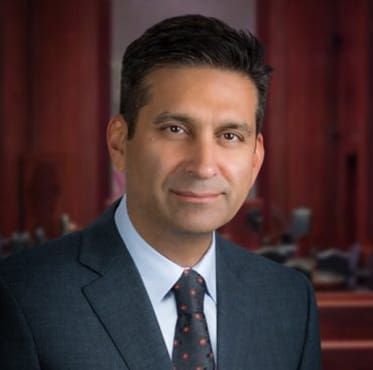


Why Clients Choose Max Alavi, APC
- Super Lawyers recognition based on peer review
- Extensive experience in California probate law
- Millions recovered in trust and probate litigation
- Strategic handling of trust and estate disputes
- Proven advocacy for surviving spouses and heirs
- Clear guidance through complex probate matters
- Outstanding dedication to every one of our clients




Let's Work Together - Tell Us Your Needs
At Max Alavi, Attorney at Law, APC, we understand the complexities of California probate law and are committed to providing solutions for trust and estate disputes. Contact us today to speak with one of our legal staff.