
Pasadena Financial Elder Abuse Attorney
Top Ranked Trust & Probate Lawyers in California
5-Star Client Rating | Read Our Reviews
Pasadena Financial Elder Abuse Legal Services
At Max Alavi, Attorney at Law, we are dedicated to protecting seniors and their families from financial elder abuse in Pasadena. With years of specialized experience, our team understands the sensitive nature of these cases and provides personalized legal guidance every step of the way. At our firm, your peace of mind and your loved one’s safety are always our top priorities.
"Max Alavi, Attorney at Law stands out in Pasadena for our compassionate client approach and tenacious advocacy against financial exploitation."Our clients choose us because we offer:
- Extensive expertise: Deep knowledge of the complexities surrounding financial elder abuse
- Proactive protection: Rapid assessment and intervention to safeguard assets and dignity
- Clear communication: Easy-to-understand legal advice and transparent case updates
Our Trust Litigation Case Process

1. Case Evaluation
We begin with a full review of the trust, will, financial records, and family history. Our legal team will identify your rights, deadlines, and the best legal path before anything is filed.

2. Court Filings
The case formally begins when a probate petition or trust lawsuit is filed in California probate court, often in Orange County Superior Court. This step sets the legal issues, brings all parties into the case.

3. Discovery and Settlement
Both sides exchange documents, take depositions, and file motions to address disputes. Many trust and probate cases resolve here through settlement discussions or court ordered mediation.

4. Trial and Resolution
If no agreement is reached, the case proceeds to trial before a probate judge. After a ruling, the court orders distributions, removals of fiduciaries, or financial recovery, and we handle enforcement or appeals if needed.
Begin Your Free Case Evaluation Now
Call to schedule a free and confidential consultation with a trust litigation lawyer.


About Max Alavi, Attorney at Law
With a proud tradition rooted in the heart of Pasadena, Max Alavi, Attorney at Law has become a trusted name for individuals and families facing complex legal issues. Established by Max Alavi, the firm offers a breadth of services, with a distinguished focus on Financial Elder Abuse, while also providing expert counsel in trust and estate law, probate, and trust litigation. Max Alavi, Attorney at Law is recognized for pairing meticulous attention to detail with a compassionate, client-centered approach. The firm’s foundation rests on integrity, diligence, and a deep-seated commitment to protecting the rights and interests of its clients throughout every phase of representation.
Delivering personal service backed by decades of legal experience, Max Alavi, Attorney at Law has built a reputation in Pasadena for excellence in tackling delicate and often high-stakes Financial Elder Abuse cases. The firm’s unique qualities, highlighted on its About page, include an unwavering dedication to understanding each client’s individual needs and educating them throughout the legal process. This commitment to accessibility and honesty ensures that clients feel empowered, well-informed, and supported. Guided by values of respect, transparency, and perseverance, Max Alavi, Attorney at Law remains steadfast in seeking justice and optimal outcomes for the communities it serves.
An Interesting Fact About Financial Elder Abuse in Pasadena
In California, financial elder abuse is not only prosecuted as a crime, but victims in Pasadena and across the state also have special protections under the California Welfare and Institutions Code. One lesser-known fact is that civil courts can freeze suspicious accounts or property during ongoing investigations, helping to prevent further losses while a case is pending. This powerful remedy can give vulnerable elders and their families immediate protection while the alleged abuse is thoroughly reviewed.
Overview of Financial Elder Abuse Laws in Pasadena
Financial elder abuse in Pasadena is addressed with a combination of state statutes and local regulations aimed at protecting senior citizens from fraud, coercion, or exploitation of their assets. As outlined by Max Alavi, Attorney at Law, California’s laws, including those found in the Welfare and Institutions Code and Probate Code, treat such abuse with particular seriousness. Key legal provisions define financial elder abuse as the unauthorized taking, appropriation, or use of an elder’s property by means of undue influence, deception, or threats. In Pasadena, suspected abuse cases may involve trustees, family members, or caregivers, and can lead to civil lawsuits or criminal charges. The court process typically starts with the identification and reporting of alleged abuse, followed by investigation, hearings, and, if necessary, trial proceedings, with local courts equipped to handle both emergency protective orders and restitution claims.
- Criminal penalties may include fines, imprisonment, and court-ordered restitution for victims.
- Civil remedies often involve compensatory damages, removal of responsible parties from estate management roles, and injunctions to prevent further abuse.
- Pursuing claims requires timely action to adhere to statutes of limitations and gather necessary evidence.
“Potential resolutions to elder abuse cases often include negotiated settlements, restitution of misappropriated funds, and removal of abusers from positions of trust.” – Expertise from Max Alavi, Attorney at Law
With deep experience serving the Pasadena community, Max Alavi, Attorney at Law leverages a thorough understanding of the legal nuances and court procedures related to financial elder abuse. Their team’s insights include a strategic approach to investigating complex financial records, interviewing key witnesses, and working closely with forensic experts to build strong cases for their clients. Importantly, the firm is adept at pursuing a range of outcomes, from aggressive courtroom advocacy for criminal penalties to mediated resolutions and asset recovery in civil court. They emphasize both the emotional and financial well-being of victims, guiding families through every stage of legal action while ensuring compliance with all local regulations and offering clear recommendations based on years of estate planning experience in Pasadena.
Other Services Available
Financial Elder Abuse |
https://www.octrustslawyer.com/financial-elder-abuse/ |
Experienced Support from an Orange County Financial Elder Abuse Attorney at Max Alavi, Attorney at Law
If you suspect financial elder abuse, you deserve compassionate and decisive legal protection. The attorneys at Max Alavi, Attorney at Law will meticulously examine every aspect of your case to pursue justice and safeguard your loved one’s interests. For a free, 30-60 minute initial consultation with caring professionals ready to defend your rights, contact us at (949) 706-1919.
Pasadena Demographics
Pasadena, California is a thriving city in Los Angeles County, recognized for its rich cultural heritage and diverse population. As of the mid-2020s, Pasadena’s estimated population is approximately 138,000 residents. The age distribution is relatively balanced, with a significant proportion of young adults, families, and seniors, reflecting a dynamic urban environment:
- Median age: Approximately 39 years
- Children (under 18): About 19% of the population
- Adults (18-64): Around 63%
- Seniors (65+): Approximately 18%
Pasadena is well-known for its multicultural and multiracial composition. According to recent U.S. Census Bureau estimates:
- White (Non-Hispanic): ~36%
- Hispanic or Latino: ~33%
- Asian: ~17%
- Black or African American: ~9%
- Other/multiracial: Remainder of the population
Socioeconomic indicators show a broadly middle- to upper-middle class population, with some economic disparities across neighborhoods:
- Median household income: Approximately $92,000
- Per capita income: Around $57,000
- Poverty rate: Roughly 14%, varying by area
- Notable trend: Rising cost of living and housing affordability are important considerations for residents, including seniors and vulnerable populations.
Pasadena’s population growth has stabilized in recent years, but the city continues to attract residents with its employment opportunities, cultural resources, and high quality of life. The significant proportion of older adults contributes to increased awareness and legal concerns regarding elder care and financial protection.
Pasadena Probate Court System
Pasadena’s probate and trust matters are handled through the Superior Court of California, County of Los Angeles. The primary facility for probate cases serving Pasadena and the surrounding San Gabriel Valley is the Los Angeles Superior Court – Pasadena Courthouse:
- Court Address: 300 East Walnut Street, Pasadena, CA 91101
- Jurisdiction: Probate Division (serving Pasadena and much of the San Gabriel Valley)
The Pasadena Probate Court system adjudicates a wide range of matters, including:
- Administration of decedents’ estates and wills
- Trust administration and litigation
- Guardianships and conservatorships (including for elderly and dependent adults)
- Petitions for spousal property, succession, and related matters
- Elder financial abuse restraining orders and contested proceedings
- Minor’s compromise proceedings
Unique features relevant to legal clients:
- The Los Angeles Superior Court operates specialized units for probate, with trained judges and staff overseeing conservatorships, trust disputes, and abuse prevention cases.
- Conservatorship and financial elder abuse cases are prioritized to safeguard the interests of vulnerable adults, with provisions for emergency hearings and protective orders.
- Online case access and e-filing services are available, improving transparency and efficiency for clients and attorneys handling probate and financial elder abuse matters.
- The probate division maintains compliance with the California Probate Code and specific Local Rules of Court for case management, notices, and filings.
Family law cases—including divorce, custody, and domestic issues—are similarly managed by the Superior Court’s Family Law Division at the same or neighboring courthouses. However, proceedings concerning elder abuse (such as undue influence or misappropriation of assets) are customarily addressed in Probate Court due to the intersection with conservatorships and trust law, making it an important forum for families, fiduciaries, and concerned parties in Pasadena.
Family Demographics in Pasadena
Family and household demographics in Pasadena highlight a blend of family-oriented and single-resident households, typical of urban environments in Southern California. Key data points include:
- Total households: Approximately 55,000
- Family households: Around 56% of total households
- Non-family (single or unrelated): Approximately 44%
- Average household size: About 2.4 persons
- Average family size: Roughly 3.1 persons
Divorce rates in Pasadena mirror those of Los Angeles County as a whole. Estimates indicate the county divorce rate typically ranges from 6–7 per 1,000 married individuals annually, and Pasadena residents use the local Superior Court for dissolution services.
- Estimated median family income: Around $120,000
- Per capita income: $57,000
Education and social infrastructure in Pasadena are robust:
- School district: Pasadena Unified School District (PUSD), operating multiple elementary, middle, and high schools, as well as specialized magnet schools.
- Private and parochial schools: Widely available in the city.
Popular social and community programs include:
- Pasadena Senior Center: Provides support, education, and socialization opportunities for older adults.
- Meals on Wheels and in-home support: Vital for elderly and disabled residents.
- Youth and family services: Offered through local nonprofits and city-sponsored programs, focusing on family stability and community engagement.
- Senior protection initiatives: Programs aimed at elder abuse prevention, financial literacy for older adults, and assistance with accessing legal aid.
These demographic and institutional resources, along with the city's economic diversity, create a demand for qualified legal services addressing estate planning, elder care, family law, and financial protection.
Trust Litigation
Areas We Serve
At Max Alavi, Attorney at Law, we have decades of experience in dealing with complex trust litigation matters throughout California. When you hire our legal team, you are bringing on the best and toughest litigators around to aggresively fight on your behalf.
What Our Amazing Clients Have To Say
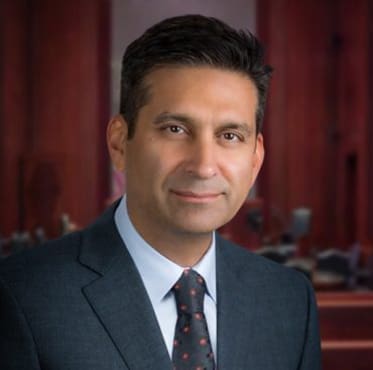


Why Clients Choose Max Alavi, APC
- Super Lawyers recognition based on peer review
- Extensive experience in California probate law
- Millions recovered in trust and probate litigation
- Strategic handling of trust and estate disputes
- Proven advocacy for surviving spouses and heirs
- Clear guidance through complex probate matters
- Outstanding dedication to every one of our clients




Let's Work Together - Tell Us Your Needs
At Max Alavi, Attorney at Law, APC, we understand the complexities of California probate law and are committed to providing solutions for trust and estate disputes. Contact us today to speak with one of our legal staff.