
Pasadena Contested Will and Trust Attorney
Top Ranked Trust & Probate Lawyers in California
5-Star Client Rating | Read Our Reviews
Pasadena Contested Will and Trust Legal Services
At Max Alavi, Attorney at Law, we understand the sensitive and complex nature of contested will and trust issues in Pasadena. Our experienced legal team combines in-depth knowledge of California probate law with a dedicated, client-first approach to help you navigate disputes with confidence. Clients choose us for our proven track record, open communication, and compassionate guidance during challenging times.
“When it comes to contested will and trust matters in Pasadena, Max Alavi, Attorney at Law stands out for personalized attention and skilled advocacy.”
- Decades of focused expertise in will and trust disputes
- Attentive, personalized service for every client
- Strategic solutions tailored to your unique needs in Pasadena
Let Max Alavi, Attorney at Law be your trusted partner in securing fair outcomes and protecting what matters most when it comes to contested will and trust litigation in Pasadena.
Our Trust Litigation Case Process

1. Case Evaluation
We begin with a full review of the trust, will, financial records, and family history. Our legal team will identify your rights, deadlines, and the best legal path before anything is filed.

2. Court Filings
The case formally begins when a probate petition or trust lawsuit is filed in California probate court, often in Orange County Superior Court. This step sets the legal issues, brings all parties into the case.

3. Discovery and Settlement
Both sides exchange documents, take depositions, and file motions to address disputes. Many trust and probate cases resolve here through settlement discussions or court ordered mediation.

4. Trial and Resolution
If no agreement is reached, the case proceeds to trial before a probate judge. After a ruling, the court orders distributions, removals of fiduciaries, or financial recovery, and we handle enforcement or appeals if needed.
Begin Your Free Case Evaluation Now
Call to schedule a free and confidential consultation with a trust litigation lawyer.

About Max Alavi, Attorney at Law
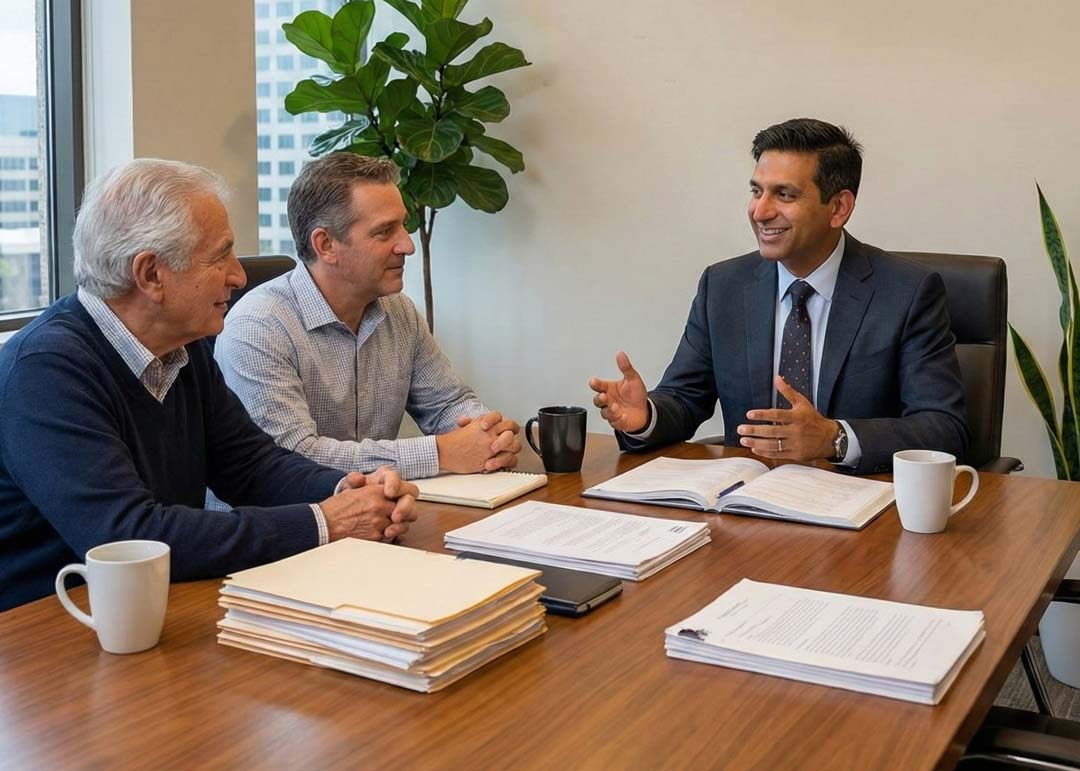
Max Alavi, Attorney at Law, located in Pasadena, has earned a reputation as a cornerstone of compassionate and effective legal guidance in Southern California. With a primary focus on Contested Will and Trust matters, the firm’s history is rooted in delivering personalized attention and unwavering advocacy for its clients. The founder, Max Alavi, built the practice on the belief that every client deserves rigorous representation coupled with thoughtful understanding of their unique circumstances. From its inception, Max Alavi, Attorney at Law has combined innovative legal strategies with a commitment to transparency and integrity, distinguishing itself in the complex landscape of estate litigation.
The team at Max Alavi, Attorney at Law in Pasadena extends its expertise well beyond Contested Will and Trust cases, offering a wide range of services within estate planning and probate law. The firm values honest communication, diligent case evaluation, and a relentless pursuit of justice for each client. Unique to its practice is the integration of heartfelt client support and thorough legal acumen, ensuring that individuals and families receive counsel that is both informed and deeply attentive. Guided by these principles, Max Alavi, Attorney at Law continues to be the trusted choice for those seeking clarity and results in matters affecting their legacy and future.
An Interesting Fact About California Contested Wills and Trusts
In California, a lesser-known but vital detail regarding contested wills and trusts is the existence of the “no-contest clause.” While these clauses are meant to discourage beneficiaries from challenging an estate plan, state law significantly limits their enforceability. For example, California probate courts will generally not enforce a no-contest clause if the contest is brought with “probable cause,” which means there’s a reasonable basis for the challenge. This nuance can impact inheritance disputes in Pasadena and statewide.
Overview of Contested Will and Trust Laws in Pasadena
Contested will and trust cases in Pasadena operate under a set of California state laws crafted to ensure clarity, fairness, and the integrity of estate distributions. As outlined by Max Alavi, Attorney at Law, these disputes often arise when heirs, beneficiaries, or other interested parties challenge the validity of a will or trust based on grounds such as undue influence, lack of capacity, fraud, or improper execution. Local regulations require strict adherence to procedural rules and deadlines, and Pasadena courts follow a detailed process for these matters, including the filing of petitions, preliminary hearings, the gathering of evidence, and, if unresolved, a trial. Key factors that can affect the outcome include the contents and structure of estate planning documents, the capacity of the decedent at the time of execution, and the formalities followed during their creation.
- Common grounds for contest include undue influence, fraud, duress, or lack of testamentary capacity.
- The Probate Court in Pasadena closely examines all supporting documentation and testimony before making a final determination.
- Potential outcomes range from upholding the original documents to partial or complete invalidation, or court-ordered settlements among disputing parties.
“Contested will and trust cases require a meticulous approach, as even small procedural errors or lapses in documentation can significantly impact the court’s decision.” – Insights from Max Alavi, Attorney at Law
With deep experience in Pasadena and throughout California, Max Alavi, Attorney at Law offers clients vital insight and representation for these complex disputes. The firm’s expertise encompasses not only understanding the unique dynamics of family relationships but also navigating the specific expectations and practices of local courts. By scrutinizing every relevant document, assessing the credibility of witnesses, and ensuring strict compliance with statutory requirements, their team is well-equipped to advocate for client interests. The process handled by Max Alavi, Attorney at Law may involve negotiating out-of-court settlements, presenting compelling legal arguments during trial, or exploring alternative dispute resolution methods—always with a focus on achieving the most favorable outcomes under Pasadena’s legal framework for contested will and trust matters.
Other Services Available
Trust Litigation |
https://www.octrustslawyer.com/trust-litigation |
Contested Will and Trust |
https://www.octrustslawyer.com/trust-will-contests/ |
Beneficiary Representation |
https://www.octrustslawyer.com/beneficiary-representation/ |
Trustee Removal |
https://www.octrustslawyer.com/trustee-removal-surcharge-actions/ |
Reliable Representation for Contested Will and Trust Matters – Contact Max Alavi, Attorney at Law
Facing a contested will or trust can be stressful, but you don’t have to navigate this alone. Max Alavi, Attorney at Law’s experienced attorneys are here to thoroughly evaluate every detail of your case and build a strong defense on your behalf. Take advantage of our free initial consultation, lasting 30-60 minutes, to get clear answers and professional guidance. Call us today at (949) 706-1919 for peace of mind and effective help with your contested will and trust concerns.
Pasadena Demographics
Pasadena, California, located in Los Angeles County, is a thriving and culturally diverse city recognized for its historic neighborhoods, educational institutions, and economic vitality. As of the mid-2020s, Pasadena's estimated population is approximately 135,000 residents. Demographic trends over recent decades show stable population numbers, with slight growth fueled by residential and economic development. The age distribution in Pasadena reflects a balanced mix of young professionals, families, and senior citizens:
- The median age is approximately 38 years, slightly above the national median, with adults aged 25–44 forming the largest age segment.
- Roughly 18% of residents are under 18, while about 15% are age 65 and older, illustrating a significant senior population relative to many Southern California cities.
Pasadena is highly diverse:
- Ethnic distribution includes approximately 35–40% White, 35% Hispanic or Latino, 17% Asian, and 10% African American residents, with smaller portions comprising multiracial and other groups.
Socioeconomic indicators in Pasadena highlight a moderate-to-high standard of living, though the city’s high cost of living influences economic accessibility:
- Median household income is estimated between $90,000 and $105,000 annually, above national averages but in line with the Greater Los Angeles region.
- The city features notable economic diversity, with sectors such as technology, healthcare, education, and research contributing to employment.
- Poverty rates hover around 12%, reflecting a segment of residents experiencing economic hardship despite overall affluence.
Notable demographic trends include steady population diversity, ongoing urban revitalization, and an increasing proportion of both affluent professionals and older adults. Pasadena’s socioeconomic and demographic composition is relevant to estate planning, probate, and contested trust and will matters, particularly in multi-generational and multiracial contexts.
Pasadena Probate Court System
Probate and contested trust and will matters for Pasadena residents fall under the jurisdiction of the Superior Court of California, County of Los Angeles – Probate Division. Key details include:
- The primary court handling probate and trust cases for Pasadena is the Stanley Mosk Courthouse, located in downtown Los Angeles.
- Cases may be assigned to Pasadena’s Northeast District for some related hearings or filings, but contested and complex matters are generally centralized at the Stanley Mosk Probate Division.
The Probate Division is responsible for adjudicating:
- Decedents’ estates, including probate administration and summary proceedings
- Contested will and trust matters, such as will contests, trust disputes, and challenges to the validity of testamentary documents
- Approval or removal of executors and trustees, creditor claims, and disputes involving heirs or beneficiaries
- Guardianship and conservatorship proceedings
- Mental health matters related to probate
Distinctive features of the Los Angeles County probate system relevant to legal clients include:
- Dedicated, experienced probate judges and staff with resources for managing complex and high-value estates
- Established procedures for mediation and alternative dispute resolution in contested matters
- Online access to probate case dockets, calendars, and forms, allowing parties and counsel to track case developments
- Strict adherence to California Probate Code and local court rules regarding filing deadlines, notice requirements, and evidentiary standards
For those involved in contested will and trust cases in Pasadena, understanding the centralized nature of Los Angeles County’s probate courts is crucial for efficiently navigating disputes, statutory requirements, and court-mandated procedures.
Family Demographics in Pasadena
Pasadena exhibits a diverse blend of family and non-family households, reflecting both its historic suburban roots and its modern urban character:
- Family households constitute roughly 55–60% of all households, while single-person and non-family households account for approximately 40–45%.
- The average household size is about 2.4 people, which is slightly below state averages, indicative of both small families and a sizable population of singles and couples without children.
- The average family size is approximately 3.1 members.
Divorce data specific to Pasadena is not published, but county statistics suggest that Los Angeles County experiences divorce rates comparable to statewide averages. Divorce, legal separation, and blended family issues are common, which can complicate probate and trust matters, especially in contested cases involving stepchildren, multiple marriages, or complex inheritances.
- Median family income is estimated between $110,000 and $125,000, while per capita income is around $54,000–$59,000.
- Pasadena is home to both affluent neighborhoods and areas with moderate income levels, supporting a range of family dynamics and financial circumstances.
Pasadena’s educational environment includes:
- The Pasadena Unified School District (PUSD), serving local families with elementary, middle, and high schools
- Reputable private and charter schools, as well as proximity to higher education institutions such as Caltech and Pasadena City College
Social programs available to Pasadena families include childcare assistance, youth development centers, and adult and senior services—resources often relevant in probate and family law contexts.
Trust Litigation
Areas We Serve
At Max Alavi, Attorney at Law, we have decades of experience in dealing with complex trust litigation matters throughout California. When you hire our legal team, you are bringing on the best and toughest litigators around to aggresively fight on your behalf.
What Our Amazing Clients Have To Say
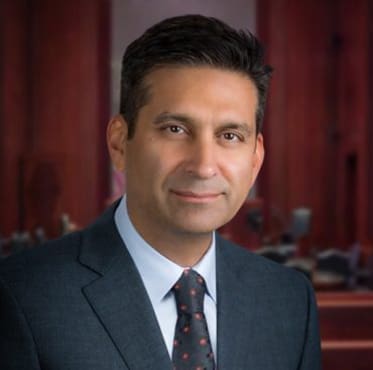


Why Clients Choose Max Alavi, APC
- Super Lawyers recognition based on peer review
- Extensive experience in California probate law
- Millions recovered in trust and probate litigation
- Strategic handling of trust and estate disputes
- Proven advocacy for surviving spouses and heirs
- Clear guidance through complex probate matters
- Outstanding dedication to every one of our clients




Let's Work Together - Tell Us Your Needs
At Max Alavi, Attorney at Law, APC, we understand the complexities of California probate law and are committed to providing solutions for trust and estate disputes. Contact us today to speak with one of our legal staff.