
Mission Viejo Trustee Defense Attorney
Top Ranked Trust & Probate Lawyers in California
5-Star Client Rating | Read Our Reviews
Mission Viejo Trustee Defense Experts
At Max Alavi, Attorney at Law, we focus exclusively on Trustee Defense, proudly serving individuals and fiduciaries in Mission Viejo with unmatched expertise and proactive legal strategies. Our deep understanding of California trust and probate law ensures that trustees receive clear, effective counsel for even the most complex trust administration challenges.
We empower our clients with knowledge, transparency, and unwavering advocacy from initial consultation to case resolution.Clients choose Max Alavi, Attorney at Law for our:
- Proven track record of resolving trustee disputes efficiently
- Personalized attention and clear communication every step of the way
- Dedication to protecting clients’ rights, reputations, and peace of mind
Our Trust Litigation Case Process

1. Case Evaluation
We begin with a full review of the trust, will, financial records, and family history. Our legal team will identify your rights, deadlines, and the best legal path before anything is filed.

2. Court Filings
The case formally begins when a probate petition or trust lawsuit is filed in California probate court, often in Orange County Superior Court. This step sets the legal issues, brings all parties into the case.

3. Discovery and Settlement
Both sides exchange documents, take depositions, and file motions to address disputes. Many trust and probate cases resolve here through settlement discussions or court ordered mediation.

4. Trial and Resolution
If no agreement is reached, the case proceeds to trial before a probate judge. After a ruling, the court orders distributions, removals of fiduciaries, or financial recovery, and we handle enforcement or appeals if needed.
Begin Your Free Case Evaluation Now
Call to schedule a free and confidential consultation with a trust litigation lawyer.


About Max Alavi, Attorney at Law
Max Alavi, Attorney at Law in Mission Viejo is a trusted boutique firm distinguished by a deep commitment to excellence and client well-being. Founded by Max Alavi, the practice has become well-known for its proficiency in Trustee Defense, while also handling a broad spectrum of trust, estate, and probate matters. Drawing from years of concentrated legal experience, the firm focuses on understanding each client’s unique circumstances, providing customized solutions, and guiding families through complex legal challenges with care and integrity. The firm was built on the principles of compassion and accessibility, and as such, Max Alavi and his team strive to ensure that every client is informed, supported, and empowered throughout their legal journey.
Located in the heart of Mission Viejo, Max Alavi, Attorney at Law stands out not only for its specialized expertise in Trustee Defense but also for its unwavering values of respect, transparency, and open communication. Clients appreciate the firm’s legacy of attentive, personal service and the peace of mind that comes from having a knowledgeable advocate by their side. Max Alavi’s philosophy centers on helping families protect their assets and legacies with clarity, efficiency, and a human touch. With a team that values lifelong relationships and community involvement, Max Alavi, Attorney at Law continues to be a pillar of trust and reliability for individuals and families across Southern California.
An Interesting Fact About Trustee Defense in Mission Viejo
When it comes to trustee defense in California, particularly in Mission Viejo, a lesser-known but important fact is that California law allows trustees to seek reimbursement from the trust for reasonable legal expenses incurred in their defense—even if beneficiaries challenge their actions. This provision recognizes the complexity of a trustee’s role under California law and helps ensure that trustees can access proper legal representation without bearing all financial risks personally, so long as their actions are in good faith and within their fiduciary duties.
Overview of Trustee Defense Laws in Mission Viejo
Trustee defense in Mission Viejo is governed by California's Probate Code and nuanced local court practices, ensuring that trustees act in good faith and fulfill their duties with diligence. According to insights from Max Alavi, Attorney at Law, trustees may face legal challenges when beneficiaries allege breaches such as mismanagement, self-dealing, or lack of transparency. Key regulations require trustees to provide detailed accountings, act impartially, and comply strictly with the trust's terms. The court process in Mission Viejo typically includes formal complaints, responses, potential mediation, and, if necessary, litigation to resolve disputes. Trustees found in violation may face removal, financial restitution, or even personal liability, highlighting the seriousness of these proceedings.
- Beneficiaries have the legal right to hold trustees accountable for alleged breaches of duty.
- Court involvement often centers around interpreting trust documents, determining intent, and verifying proper administration.
- Consequences for trustees can include removal, surcharge, or orders to remedy losses to the trust.
"Trustee defense strategies require in-depth knowledge of both the law and the specifics of Mission Viejo court procedures, ensuring that trustees' actions are fairly represented and vigorously defended." – Insights from Max Alavi, Attorney at Law
Drawing from extensive experience in Mission Viejo, Max Alavi, Attorney at Law offers invaluable guidance to trustees, navigating the intricate legal landscape and local requirements with skill. The firm's expertise encompasses evaluating beneficiary claims, preparing detailed defenses, and negotiating resolutions that protect clients' interests while meeting legal obligations. By understanding the potential repercussions—including removal from office or financial penalties—the firm's attorneys work proactively to minimize risks, resolve disputes efficiently, and uphold the trustee’s reputation and fiduciary standing. Their familiarity with local court processes allows them to anticipate challenges and craft strategies tailored to the unique expectations of Mission Viejo courts and beneficiaries alike.
Other Services Available
Probate Litigation |
https://www.octrustslawyer.com/probate-litigation/ |
Trustee Defense |
https://www.octrustslawyer.com/trustee-defense/ |
Inheritance Disputes |
https://www.octrustslawyer.com/inheritance-disputes/ |
Probate And Trust Administration |
https://www.octrustslawyer.com/probate-trust-administration/ |
Conservatorship |
https://www.octrustslawyer.com/conservatorships/ |
Surviving Spouse Rights |
https://www.octrustslawyer.com/surviving-spouse-rights/ |
Proven Trustee Defense from Orange County Trust Attorneys at Max Alavi, Attorney at Law
If you are a trustee facing legal challenges or accusations, Max Alavi, Attorney at Law can help you protect your rights and fulfill your duties with confidence. Our experienced attorneys provide dedicated trustee defense, thoroughly examining every aspect of your situation to build the strongest possible case. Don’t face this alone—contact us today at (949) 706-1919 to schedule your free, 30-60 minute consultation and learn how we can defend your position effectively.
Mission Viejo Demographics
Mission Viejo, located in southern Orange County, California, is a master-planned community known for its suburban character and high quality of life. According to recent U.S. Census Bureau estimates, the city has a population of approximately 93,000 residents as of the mid-2020s. Mission Viejo exhibits gradual population growth and remains a predominantly residential area with the following demographic features:
- Population Size: Approximately 93,000 residents.
- Age Distribution: The median age is about 45 years, which is higher than the state and national averages. The city has a sizable population of both families with children and active older adults.
- Diversity: Mission Viejo is racially and ethnically diverse. Nearly two-thirds of residents identify as White (non-Hispanic), while Hispanic or Latino, Asian, and smaller African American and multi-racial communities are present.
- Socioeconomic Indicators:
- Median Household Income: Estimates range from $120,000 to $130,000, well above California averages.
- Per Capita Income: Approximately $55,000–$60,000.
- Poverty Rate: Low compared to county and statewide levels—generally under 6% of the population.
- Homeownership: Over 70% of households own their homes, indicating residential stability.
- Notable Trends: Mission Viejo continues to attract families and professionals, offering a high quality of life, excellent amenities, and robust community services. The city’s population reflects both sustained family residency and an aging, affluent demographic.
Mission Viejo Probate Court System
Mission Viejo falls under the jurisdiction of the Superior Court of California, County of Orange for all probate, trust, and estate matters. Legal clients seeking representation in trustee defense—or related probate cases—should be aware of the following procedural and structural elements:
- Court Jurisdiction: All probate and trust cases, including trustee defense matters, are handled by the Probate Division of the Orange County Superior Court.
- Primary Location for Probate Matters:
- Costa Mesa Justice Complex (Lamoreaux Justice Center): 341 The City Drive South, Orange, CA 92868.
- Case Types Handled:
- Decedents’ estate administration (with or without a will)
- Trust administration and disputes, including trustee defense, breach of fiduciary duty, and accounting actions
- Guardianships and conservatorships
- Elder or dependent adult abuse protective proceedings
- Minor’s compromise and settlement of claims
- Unique Features Relevant to Legal Clients:
- Robust online case access and e-filing systems for case initiation, filings, calendar management, and document access
- Published local rules and guidelines supplementing the California Probate Code
- Dedicated Probate Investigators and Court Examiners for case review and compliance
- Public access to probate calendars and hearing dockets
- Probate Process Overview: The court follows established statutory procedures for all probate, trust, and related matters, including notice requirements, hearings, court-supervised administration, and avenues for dispute resolution or mediation when required.
Individuals and families in Mission Viejo requiring trustee defense services will work with legal professionals who represent trustees in all phases of litigation and court proceedings, in accordance with both California Probate Code and local Orange County Super Court rules.
Family Demographics in Mission Viejo
Mission Viejo’s household profile and family composition reflect its character as a desirable residential area with a significant orientation toward families and established households. Key demographic highlights include:
- Household Composition:
- Approximately 67% of all households are classified as family households (versus non-family or single-person households).
- Married-couple households are predominant, with significant numbers of households including children under 18 and multi-generational families.
- The average household size is around 2.7 persons while the average family size approaches 3.2 persons.
- Divorce Rates: Divorce rates in Mission Viejo are generally in line with statewide figures, but detailed city-level data is not published. Orange County overall tends to report thousands of new dissolution cases annually, with a divorce rate near the state average.
- Income Levels:
- Median family income in Mission Viejo is estimated at $135,000–$140,000 per year, reflecting the predominance of dual-income and professional households.
- Per capita income is consistently above $55,000, supporting high living standards and robust local consumer markets.
- School Systems and Education:
- Mission Viejo is served by the Capistrano Unified School District and the Saddleback Valley Unified School District, both recognized for strong academic performance and comprehensive student programs.
- The city’s public schools routinely achieve high graduation rates and offer diverse academic and extracurricular resources for students.
- Social Programs and Community Services:
- Mission Viejo offers numerous family-oriented recreational, wellness, and youth development programs through its Community Services Department.
- Local resources include sports leagues, senior services, health and wellness initiatives, and accessible mental health support programs for individuals and families in need.
Mission Viejo’s strong family orientation, high income levels, and access to quality schools and community services contribute to its reputation as a family-friendly city with stable, affluent households. These demographic and institutional features ensure that families facing probate, trust, or family law matters can access stable local resources and high-quality legal counsel.
Trust Litigation
Areas We Serve
At Max Alavi, Attorney at Law, we have decades of experience in dealing with complex trust litigation matters throughout California. When you hire our legal team, you are bringing on the best and toughest litigators around to aggresively fight on your behalf.
What Our Amazing Clients Have To Say
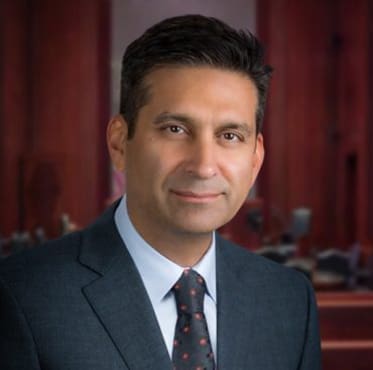


Why Clients Choose Max Alavi, APC
- Super Lawyers recognition based on peer review
- Extensive experience in California probate law
- Millions recovered in trust and probate litigation
- Strategic handling of trust and estate disputes
- Proven advocacy for surviving spouses and heirs
- Clear guidance through complex probate matters
- Outstanding dedication to every one of our clients




Let's Work Together - Tell Us Your Needs
At Max Alavi, Attorney at Law, APC, we understand the complexities of California probate law and are committed to providing solutions for trust and estate disputes. Contact us today to speak with one of our legal staff.