
Mission Viejo Surviving Spouse Rights Attorney
Top Ranked Trust & Probate Lawyers in California
5-Star Client Rating | Read Our Reviews
Below is your requested single-column table with anchor (hop) links, styled as instructed. The table uses heading tags for each item (H3) and blue-color hyperlinks. The table itself has a 2px shadow and 10px left padding on each cell. The code also appends the code snippet at the end.
Quick Navigation:
Introduction |
About Max Alavi, Attorney at Law |
Surviving Spouse Rights in Mission Viejo |
Related Practice Areas |
Mission Viejo Demographics |
Directions from Mission Viejo |
Mission Viejo Surviving Spouse Rights Legal Guidance
At Max Alavi, Attorney at Law, we understand the sensitive and complex nature of Surviving Spouse Rights in Mission Viejo, and we are dedicated to providing compassionate, knowledgeable counsel to help you navigate this challenging time. With years of focused experience, our team is committed to securing the protections and entitlements you deserve. Clients trust us for our transparent communication and personalized approach, ensuring every unique situation is met with expert strategy and unwavering support.
- Comprehensive knowledge of California inheritance and probate law
- Personalized strategy, tailored to your family's needs
- Clear guidance through every legal step
"At Max Alavi, Attorney at Law, your peace of mind is our priority—we stand by you when it matters most."
Our Trust Litigation Case Process

1. Case Evaluation
We begin with a full review of the trust, will, financial records, and family history. Our legal team will identify your rights, deadlines, and the best legal path before anything is filed.

2. Court Filings
The case formally begins when a probate petition or trust lawsuit is filed in California probate court, often in Orange County Superior Court. This step sets the legal issues, brings all parties into the case.

3. Discovery and Settlement
Both sides exchange documents, take depositions, and file motions to address disputes. Many trust and probate cases resolve here through settlement discussions or court ordered mediation.

4. Trial and Resolution
If no agreement is reached, the case proceeds to trial before a probate judge. After a ruling, the court orders distributions, removals of fiduciaries, or financial recovery, and we handle enforcement or appeals if needed.
Begin Your Free Case Evaluation Now
Call to schedule a free and confidential consultation with a trust litigation lawyer.


About Max Alavi, Attorney at Law
Max Alavi, Attorney at Law, based in Mission Viejo, is a distinguished legal practice renowned for its strength in Surviving Spouse Rights among a broader array of estate, trust, and probate law matters. With a rich history that traces back over a decade, the firm was founded with a clear vision—to deliver personalized, results-driven legal counsel rooted in compassion, integrity, and professionalism. At Max Alavi, Attorney at Law, clients receive the benefit of a focused team that brings both deep legal expertise and a robust commitment to protecting family legacies, ensuring each client’s interests are fiercely advocated for with nuanced and strategic representation.
Located in the heart of Mission Viejo, Max Alavi, Attorney at Law stands out for its dedication to building lasting, trust-based relationships with every client, particularly those facing sensitive challenges related to Surviving Spouse Rights. Committed to clear communication and ethical guidance, the firm harnesses a wealth of experience to help clients navigate complex legal landscapes with confidence. By embracing a collaborative approach, Max Alavi, Attorney at Law assures every client receives personal attention, honest counsel, and tailored strategies that reflect both the firm’s legal acumen and its unwavering commitment to serving the community.
An Interesting Fact About Surviving Spouse Rights in Mission Viejo
California law grants unique protections to a surviving spouse in Mission Viejo, including the right to petition for a "probate homestead," allowing the spouse to remain in the decedent's primary residence even if the property is subject to probate. This right exists regardless of whether the deceased spouse left a will, and it can delay the sale or transfer of the home, providing essential stability during the probate process.
Overview of Surviving Spouse Rights Laws in Mission Viejo
In Mission Viejo, surviving spouse rights are anchored in California’s Probate Code as well as local regulations, ensuring that a spouse is fairly considered in matters of estate planning and inheritance. As detailed by Max Alavi, Attorney at Law, surviving spouses in California may have claims to significant portions of their deceased spouse’s estate, regardless of what is stipulated in the decedent’s will or trust. Community property laws ensure that assets acquired during the marriage are jointly owned, with the surviving spouse typically entitled to one-half of community property. The court process for asserting these rights may involve filing petitions for a spousal property determination, navigating probate proceedings, or addressing any challenges to the validity of a will or trust. Local statutes and probate courts in Mission Viejo play a pivotal role in interpreting and enforcing these protections.
- California law generally entitles surviving spouses to a share of community property, even if they are not explicitly named in estate documents.
- The probate process in Mission Viejo includes filing appropriate forms, presenting evidence of marital status, and, when necessary, contesting undue influence or fraud.
- Potential resolutions range from amicable settlements to court-ordered distributions or the invalidation of conflicting will provisions.
"California’s community property protections and nuanced probate rules require attention to detail and strategic advocacy—especially when safeguarding surviving spouse rights." – Insights from Max Alavi, Attorney at Law
Clients in Mission Viejo benefit from the extensive knowledge of Max Alavi, Attorney at Law, whose experience in estate planning and probate gives clients confidence as they approach complex legal proceedings. The firm provides guidance on local regulations, tailored estate plan reviews, and representation in probate court to ensure the fair treatment of surviving spouses. Whether negotiating settlements or advancing claims through litigation, their insights help clients understand the potential penalties, remedies, or alternative resolutions specific to Mission Viejo. Armed with a detailed understanding of how local courts interpret spousal rights, Max Alavi, Attorney at Law, helps families navigate sensitive estate matters with clarity and compassion.
Other Services Available
Probate Litigation |
https://www.octrustslawyer.com/probate-litigation/ |
Trustee Defense |
https://www.octrustslawyer.com/trustee-defense/ |
Inheritance Disputes |
https://www.octrustslawyer.com/inheritance-disputes/ |
Probate And Trust Administration |
https://www.octrustslawyer.com/probate-trust-administration/ |
Conservatorship |
https://www.octrustslawyer.com/conservatorships/ |
Surviving Spouse Rights |
https://www.octrustslawyer.com/surviving-spouse-rights/ |
Experienced Guidance for Surviving Spouse Rights at Max Alavi, Attorney at Law
If you're facing challenges in securing your rights as a surviving spouse, you deserve clear answers and strong support. The attorneys at Max Alavi, Attorney at Law will thoroughly evaluate every detail of your situation to build a solid defense and protect what you're entitled to. Schedule your free, 30-60 minute consultation today by calling (949) 706-1919, and let us put our experience to work for you with compassion and professionalism.
Mission Viejo Demographics
Mission Viejo is a master-planned community in southern Orange County, California, with an estimated population of approximately 93,000 as of the mid-2020s. Demographic data from the U.S. Census Bureau and regional municipal sources provide the following community profile:
- Population Size: About 93,000 residents, with stable population trends in recent years.
- Age Distribution: Median age is approximately 45 years, reflecting a mature community. There are sizable segments of both families with children and older adults/retirees. Approximately 19% of the population is under 18, while over 18% is 65 or older.
- Diversity: Mission Viejo is predominantly White (about 62%), with notable Hispanic or Latino (around 20%), Asian (12%), and smaller percentages of other groups, reflecting increasing diversity.
- Socioeconomic Indicators:
- Median household income ranges from $115,000–$125,000, above state and national averages.
- Low poverty rate (around 6%), indicating relative affluence.
- High rates of home ownership and stable residential patterns.
- Notable Trends: The city has experienced an increase in older adult residents, with gradual demographic shifts toward greater ethnic diversity and a continued focus on family living and long-term residency.
Mission Viejo Probate Court System
Probate and trust matters for residents of Mission Viejo are administered through the Superior Court of California, County of Orange. Key details for prospective legal clients include:
- Principal Venue: Probate cases are heard at the Orange County Superior Court’s Probate/Mental Health Division, primarily located at the Central Justice Center (Santa Ana), with associated services at other regional courthouse locations.
- Case Types Handled:
- Decedent estates (probate of wills and intestacy proceedings)
- Trust administration and disputes
- Guardianships and conservatorships
- Petitions for surviving spouse rights and related determinations
- Elder abuse and dependent adult protective proceedings
- Compromise of claim matters involving minors or incapacitated adults
- Unique Features:
- Mission Viejo falls under the Orange County unified court system, meaning local residents are subject to countywide probate rules and procedures.
- Surviving spouse rights, including spousal property petitions and rights to estate assets, are handled efficiently through streamlined petition processes governed by the California Probate Code and specific local practices.
- Online access is available for case status, dockets, and filings through the court’s portal; in-person clerk services are also accessible.
- All legal notices, filings, and hearings must comply with the county’s local rules and standard probate timelines.
For family law matters, including divorce and child custody, legal proceedings are handled by the Family Law Division of the Orange County Superior Court, mainly at the Lamoreaux Justice Center in Orange.
Family Demographics in Mission Viejo
Mission Viejo is known for its family-oriented character, residential stability, and access to quality services. Current data show:
- Household Composition:
- Approximately 70% of households in Mission Viejo are classified as family households, with the remainder primarily single-person or non-family households.
- The average household size is about 2.7 persons.
- Family Size: Typical family size ranges from 3.1–3.2 individuals, reflecting a prevalence of nuclear and multi-generational family living.
- Divorce Rates: City-specific divorce data is not published; however, Orange County as a whole reports divorce rates above state average, with several thousand dissolution cases filed annually.
- Income Levels:
- Median family income exceeds $130,000, with many dual-income households and a significant proportion of residents employed in professional, managerial, and technical fields.
- Per capita income is estimated at over $55,000, matching Orange County’s high standards.
- School Systems:
- Served primarily by the Capistrano Unified School District and Saddleback Valley Unified School District, both known for well-performing K–12 public schools, high graduation rates, and a variety of extracurricular offerings.
- Numerous private and charter schools are also available, serving diverse educational needs.
- Popular Social Programs:
- The city offers youth sports, senior services, community centers, after-school programs, and extensive parks and recreation initiatives.
- Family wellness and support services are coordinated through the city’s Community Services Department and various nonprofit partners aimed at enriching family life and supporting residents across all ages.
Trust Litigation
Areas We Serve
At Max Alavi, Attorney at Law, we have decades of experience in dealing with complex trust litigation matters throughout California. When you hire our legal team, you are bringing on the best and toughest litigators around to aggresively fight on your behalf.
What Our Amazing Clients Have To Say
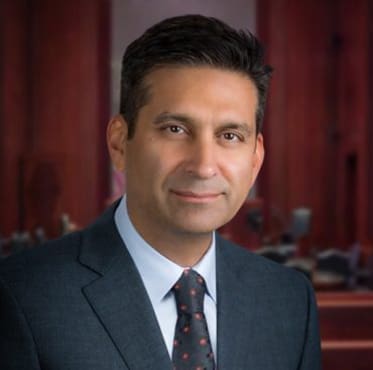


Why Clients Choose Max Alavi, APC
- Super Lawyers recognition based on peer review
- Extensive experience in California probate law
- Millions recovered in trust and probate litigation
- Strategic handling of trust and estate disputes
- Proven advocacy for surviving spouses and heirs
- Clear guidance through complex probate matters
- Outstanding dedication to every one of our clients




Let's Work Together - Tell Us Your Needs
At Max Alavi, Attorney at Law, APC, we understand the complexities of California probate law and are committed to providing solutions for trust and estate disputes. Contact us today to speak with one of our legal staff.