
Mission Viejo Financial Elder Abuse Attorney
Top Ranked Trust & Probate Lawyers in California
5-Star Client Rating | Read Our Reviews
Mission Viejo Financial Elder Abuse Attorneys
At Max Alavi, Attorney at Law, we understand the sensitive nature of Financial Elder Abuse and how it can impact families and loved ones in Mission Viejo. With years of dedicated experience, our firm stands out for our unwavering commitment to protecting vulnerable seniors and holding wrongdoers accountable. Clients rely on our compassionate counsel, sharp legal insight, and thorough advocacy. We take pride in delivering personalized attention, responding promptly, and crafting strategic solutions tailored to each client’s circumstances.
- Extensive expertise in Financial Elder Abuse law in Mission Viejo
- Compassionate guidance for families and seniors
- Proven record of successful outcomes and client satisfaction
"At Max Alavi, Attorney at Law, every client is our top priority—because peace of mind matters most."
Our Trust Litigation Case Process

1. Case Evaluation
We begin with a full review of the trust, will, financial records, and family history. Our legal team will identify your rights, deadlines, and the best legal path before anything is filed.

2. Court Filings
The case formally begins when a probate petition or trust lawsuit is filed in California probate court, often in Orange County Superior Court. This step sets the legal issues, brings all parties into the case.

3. Discovery and Settlement
Both sides exchange documents, take depositions, and file motions to address disputes. Many trust and probate cases resolve here through settlement discussions or court ordered mediation.

4. Trial and Resolution
If no agreement is reached, the case proceeds to trial before a probate judge. After a ruling, the court orders distributions, removals of fiduciaries, or financial recovery, and we handle enforcement or appeals if needed.
Begin Your Free Case Evaluation Now
Call to schedule a free and confidential consultation with a trust litigation lawyer.


About Max Alavi, Attorney at Law
Founded in Mission Viejo, Max Alavi, Attorney at Law has become a trusted guide for individuals and families seeking clarity and confidence in matters of Financial Elder Abuse and related legal services. With a legacy rooted in personalized attention and hands-on care, the firm's founder, Max Alavi, has cultivated a practice known for blending experience, compassion, and tenacity. Drawing from a robust history in trust, estate, and probate law, the firm is dedicated to not only protecting seniors but also securing peace of mind for every client, treating each case with integrity and diligence. For years, Max Alavi, Attorney at Law has remained steadfast in delivering professional excellence while navigating the intricacies of the legal landscape.
Operating at the core of the Mission Viejo community, Max Alavi, Attorney at Law distinguishes itself through a client-centered approach that values clear communication, accessibility, and unwavering advocacy. The firm’s practice extends beyond solely Financial Elder Abuse, offering a broad spectrum of trust and estate planning solutions tailored to diverse client needs. With a philosophy anchored in respect, transparency, and ethical standards, Max Alavi and his team strive to empower clients and protect their interests at every turn. This human touch, combined with a formidable understanding of the law, positions Max Alavi, Attorney at Law as a pillar of reliability and guidance within Mission Viejo and beyond.
An Interesting Fact About Financial Elder Abuse in Mission Viejo
A noteworthy but often overlooked aspect of financial elder abuse in California, including Mission Viejo, is that suspected abuse can be reported not only by family members but also by financial institutions under California’s mandatory reporting laws. Banks and credit unions in Mission Viejo are legally required to report any suspicious activity involving an elder’s account, enhancing protections for seniors and increasing the chances of early intervention to prevent larger financial losses due to abuse.
Overview of Financial Elder Abuse Laws in Mission Viejo
Financial elder abuse in Mission Viejo is a serious legal matter governed by a combination of California state statutes specifically designed to safeguard seniors against exploitation and unfair financial practices. As detailed by Max Alavi, Attorney at Law, financial elder abuse can occur when someone improperly takes or uses an elder’s assets or property for their own benefit through fraud, coercion, or undue influence. In Mission Viejo, courts strictly consider both the intent and the impact of alleged abuse, and California’s Elder Abuse and Dependent Adult Civil Protection Act provides powerful remedies for victims, including civil penalties, recovery of lost assets, and possible restraining orders against perpetrators. Legal proceedings often involve an investigation into the source of funds, will validity, and any suspicious changes to estate planning documents.
- Local courts in Mission Viejo may grant emergency protective orders for at-risk elders.
- Civil penalties, asset recovery, and possible criminal prosecution can result from substantiated financial abuse claims.
- Resolution options include mediation, restoration of assets, or court-ordered damages.
"Financial elder abuse cases frequently hinge on nuanced details regarding mental capacity, intent, and fiduciary duty. Our firm’s experience navigating these sensitive issues helps ensure clients receive both protection and justice." – Insights from Max Alavi, Attorney at Law
With a deep understanding of both estate planning and elder law, Max Alavi, Attorney at Law offers vital expertise to Mission Viejo clients facing financial elder abuse concerns. Their team is skilled at identifying the warning signs of abuse and guiding clients through every stage of the legal process—from gathering documentation and initiating protective actions to representing clients in court or negotiating favorable resolutions. Their insights are grounded in the complexities of local statutes and court procedures, ensuring that each case is approached with sensitivity and vigor. For families confronting the threat of financial elder abuse, the guidance of a trusted local firm with proven success in this field is invaluable.
Other Services Available
Financial Elder Abuse |
https://www.octrustslawyer.com/financial-elder-abuse/ |
Compassionate Support from an Experienced Financial Elder Abuse Attorney at Max Alavi, Attorney at Law
If you or a loved one suspect financial elder abuse, it's critical to act swiftly and with the right legal guidance. Max Alavi, Attorney at Law offers dedicated representation, thoroughly evaluating every aspect of your case to build a strong defense and protect your interests. Our attorneys approach your situation with empathy, professionalism, and a commitment to achieving the best possible outcome.
Your first consultation is free and lasts 30-60 minutes—call us today at (949) 706-1919 for immediate support and personalized guidance.
Mission Viejo Demographics
Mission Viejo is a suburban city located in southern Orange County, California, with a population estimated at approximately 93,000 residents as of the mid‑2020s. The city has seen stable population growth, with demographic data reflecting a mature, established residential community.
- Population Size: Approximately 93,000 residents.
- Age Distribution:
- Median age: Approximately 46 years, notably higher than both state and national averages.
- Significant proportion (over 21%) of residents are aged 65 and above, characterizing Mission Viejo as a community with a strong presence of retirees and older adults.
- Children and adolescents (under 18) represent about 19% of the population.
- Diversity:
- The city is predominantly White (approximately 65%), with notable representation of Hispanic or Latino (about 19%), Asian (9%), and smaller percentages of African American and multiracial residents.
- Socioeconomic Indicators:
- Median household income exceeds $121,000 per year, above both state and national averages.
- Per capita income is estimated to be over $53,000 annually.
- Poverty rates remain low (about 6%), and the city consistently ranks among the safest cities in the region.
- Notable Trends:
- An aging population, with continued growth in the number of older adults and seniors.
- Steady diversification by ethnicity and country of origin.
- High homeownership rates and well-developed residential neighborhoods contributing to a stable, family-oriented living environment.
Mission Viejo Probate Court System
Probate and trust matters for Mission Viejo are adjudicated through the Superior Court of California, County of Orange, which holds jurisdiction over all probate proceedings throughout the county.
- Key Court Facilities:
- Costa Mesa Justice Complex – Probate/Mental Health Division: Primary location for probate case filings, hearings, and administration for Mission Viejo residents.
- Case Types Handled:
- Decedents’ estates
- Trust proceedings
- Probate of wills
- Guardianships of minors
- Conservatorships for incapacitated or dependent adults, including matters related to elder financial abuse
- Minor’s compromise hearings
- Elder financial exploitation matters
- Unique Features Relevant to Legal Clients:
- Orange County’s Probate Court offers an online case access system for public dockets, enabling families and attorneys to track filings and scheduled hearings.
- Specialized procedures, filings, and resources exist for cases involving financial elder abuse, including restraining orders and emergency conservatorship petitions.
- Local Probate Examiner offices assist with case processing, and the court adheres to California Probate Code as well as Orange County Local Rules of Court.
- Hearings may occur in‑person or remotely via approved electronic systems, improving accessibility for elderly or out-of-state family members.
Family Demographics in Mission Viejo
Mission Viejo’s household landscape is family-centric, with a high proportion of owner-occupied homes and stable, multi-generational residency.
- Household Composition:
- Over 70% of households are classified as family households.
- The average household size is approximately 2.7 persons, and average family size is just over 3 persons.
- Owner-occupancy rate is high, with more than 76% of homes being owner-occupied.
- Single-person households, often older adults living alone, represent a meaningful portion of residents, reflecting the city’s aging demographic.
- Divorce Rates and Family Structure:
- Estimated divorce rates are in line with Orange County averages (12–13%), though Mission Viejo’s longstanding family stability is reflected in lower-than-average single-parent household rates.
- Many households feature two-generational or multigenerational family arrangements, common in areas with significant senior populations.
- Income Dynamics:
- Median family income exceeds $130,000 annually, with dual-income professional households common.
- Per capita income is high, and overall economic security in family units is strong.
- School Systems:
- Mission Viejo is served by the Saddleback Valley Unified School District and Capistrano Unified School District, both of which offer a range of K–12 options rated highly for academic performance and graduation rates.
- The presence of several parochial and private schools further supports diverse educational choices.
- Popular Social Programs:
- City-sponsored senior services (e.g., recreation, transportation, wellness checks)
- Family resource centers providing counseling, legal aid, and support for children and the elderly
- Active Council on Aging and regional Area Agency on Aging programs supporting legal and financial protections for older adults, including education about preventing elder abuse and fraud
Trust Litigation
Areas We Serve
At Max Alavi, Attorney at Law, we have decades of experience in dealing with complex trust litigation matters throughout California. When you hire our legal team, you are bringing on the best and toughest litigators around to aggresively fight on your behalf.
What Our Amazing Clients Have To Say
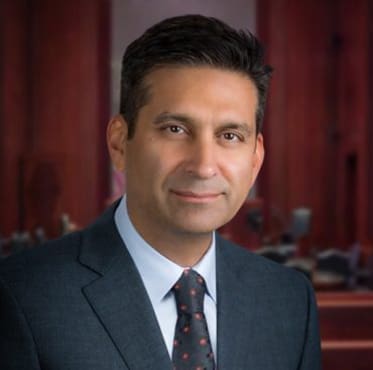


Why Clients Choose Max Alavi, APC
- Super Lawyers recognition based on peer review
- Extensive experience in California probate law
- Millions recovered in trust and probate litigation
- Strategic handling of trust and estate disputes
- Proven advocacy for surviving spouses and heirs
- Clear guidance through complex probate matters
- Outstanding dedication to every one of our clients




Let's Work Together - Tell Us Your Needs
At Max Alavi, Attorney at Law, APC, we understand the complexities of California probate law and are committed to providing solutions for trust and estate disputes. Contact us today to speak with one of our legal staff.