
Malibu Trustee Defense Attorney
Top Ranked Trust & Probate Lawyers in California
5-Star Client Rating | Read Our Reviews
Malibu Trustee Defense: Max Alavi, Attorney at Law
At Max Alavi, Attorney at Law, we proudly serve Malibu by providing trusted, effective, and knowledgeable Trustee Defense representation. Backed by years of experience in this specialized field, our firm delivers tailored legal strategies to protect the interests of trustees facing complex legal challenges. We understand that serving as a trustee can be demanding and often stressful, which is why our team is committed to providing responsive, thorough, and compassionate support throughout the entire process.
“We make it our mission to stand by Malibu’s trustees, delivering clarity and confidence at every stage of your case.”
- Proven expertise in Trustee Defense
- Client-centered service with clear communication
- Personalized legal solutions for every unique case
- Deep-rooted ties and reputation within the Malibu community
When you choose Max Alavi, Attorney at Law, you can trust that your trustee defense needs in Malibu will be handled with professionalism, discretion, and unwavering dedication.
Our Trust Litigation Case Process

1. Case Evaluation
We begin with a full review of the trust, will, financial records, and family history. Our legal team will identify your rights, deadlines, and the best legal path before anything is filed.

2. Court Filings
The case formally begins when a probate petition or trust lawsuit is filed in California probate court, often in Orange County Superior Court. This step sets the legal issues, brings all parties into the case.

3. Discovery and Settlement
Both sides exchange documents, take depositions, and file motions to address disputes. Many trust and probate cases resolve here through settlement discussions or court ordered mediation.

4. Trial and Resolution
If no agreement is reached, the case proceeds to trial before a probate judge. After a ruling, the court orders distributions, removals of fiduciaries, or financial recovery, and we handle enforcement or appeals if needed.
Begin Your Free Case Evaluation Now
Call to schedule a free and confidential consultation with a trust litigation lawyer.


About Max Alavi, Attorney at Law
Max Alavi, Attorney at Law, based in Malibu, is renowned for its unwavering dedication to empowering clients with effective legal solutions in Trustee Defense and other complex trust and probate matters. With a legacy built on integrity, personalized attention, and a strong commitment to client success, the firm has established itself as a cornerstone of trust-based legal advocacy throughout the Malibu area. Guided by founder Max Alavi’s extensive knowledge and decades of experience, the practice leverages a results-oriented methodology, focusing on clarity, transparency, and the careful advancement of each client’s best interests. Max Alavi, Attorney at Law takes great pride in demystifying the legal process, ensuring clients feel informed and supported every step of the way.
Rooted in the core values of compassion, meticulous preparation, and innovative problem-solving, Max Alavi, Attorney at Law embraces each client’s unique circumstances, providing creative solutions backed by a proven record in Trustee Defense. The firm’s personalized approach means legal strategies are always tailored to match the individual goals and challenges that clients face in Malibu and beyond. At the heart of the firm’s reputation is a client-first philosophy—delivering exceptional service, ethical guidance, and steadfast commitment to achieving the most favorable outcomes. As a trusted legal partner, Max Alavi, Attorney at Law stands as an advocate for the Malibu community’s legal needs, confidently guiding clients through the intricacies of trust law and estate-related disputes.
An Interesting Fact About Trustee Defense in Malibu
In California trustee defense cases, especially in Malibu, a trustee may seek reimbursement from the trust for legal fees spent defending actions taken in their fiduciary role—even if the litigation outcome is unfavorable, as long as the court determines the defense was reasonable and in good faith. This unique aspect of California trust law gives Malibu trustees an important protection, encouraging them to diligently perform their duties without fear of personal financial ruin from legal challenges.
Overview of Trustee Defense Laws in Malibu
Trustee defense in Malibu is governed by comprehensive California probate statutes, which set forth the responsibilities and duties of trustees managing a trust. As outlined by Max Alavi, Attorney at Law, trustees must act in the best interest of beneficiaries, adhere to the terms of the trust, and fulfill specific fiduciary duties such as loyalty, impartiality, and prudent management of assets. Local regulations in Malibu stipulate that trustees must provide regular accounting, maintain transparency, and avoid self-dealing. When a trustee is accused of breaching these duties, legal action—such as a petition in probate court—may be initiated by beneficiaries or interested parties, triggering a formal legal process to determine the validity of the claims and the appropriate remedies.
- California law defines trustee violations as breaches of fiduciary duty, failure to account, or mismanagement of trust assets.
- The court process in Malibu involves formal petitions, discovery, and hearings where both sides can present evidence and arguments.
- Potential penalties may include removal of the trustee, orders to reimburse the trust, or other court-mandated remedies to protect beneficiaries.
“Trustee defense cases often hinge on the details—such as proper accounting records, communication with beneficiaries, and evidence of good faith actions.” – Insights from Max Alavi, Attorney at Law
Drawing upon extensive experience in Malibu, Max Alavi, Attorney at Law offers crucial expertise in navigating trustee defense matters. The firm understands the nuances of the local probate court and employs strategic approaches to defend trustees against unfounded claims, negotiate settlements, or resolve misunderstandings through mediation. With a thorough grasp of California trust law and Malibu's specific legal landscape, the firm assists clients in responding to allegations, preparing court documents, and presenting compelling evidence to achieve favorable outcomes. Their personalized guidance ensures that trustees comply with all legal obligations and mitigate potential penalties or liabilities, securing both their position and the integrity of the trust.
Other Services Available
Probate Litigation |
https://www.octrustslawyer.com/probate-litigation/ |
Trustee Defense |
https://www.octrustslawyer.com/trustee-defense/ |
Inheritance Disputes |
https://www.octrustslawyer.com/inheritance-disputes/ |
Probate And Trust Administration |
https://www.octrustslawyer.com/probate-trust-administration/ |
Conservatorship |
https://www.octrustslawyer.com/conservatorships/ |
Surviving Spouse Rights |
https://www.octrustslawyer.com/surviving-spouse-rights/ |
Protect Yourself with Dedicated Trustee Defense Attorneys at Max Alavi, Attorney at Law
If you are facing allegations or challenges as a trustee, it’s important to secure experienced legal representation right away. The attorneys at Max Alavi, Attorney at Law will thoroughly evaluate every detail of your situation to build a strong and effective defense. Reach out today for a free 30-60 minute consultation to discuss your case and gain clarity on your legal options. Contact us at (949) 706-1919—we are here to help you protect your interests.
Malibu Demographics
Malibu, California, is a highly sought-after coastal city in western Los Angeles County with a population estimated at approximately 10,600–10,800 residents as of the mid-2020s. Despite its international reputation, Malibu’s population size remains modest. The area is characterized by a mature population, with a median age of approximately 49–50 years—significantly higher than statewide and Los Angeles County averages—indicating a predominance of middle-aged and older adults. About 17% of residents are under 18, while 23% are aged 65 and over. Malibu’s population is predominantly White non-Hispanic, with smaller proportions of Hispanic/Latino, Asian, and other racial and ethnic groups, reflecting less diversity than nearby Los Angeles communities.
- Population: ~10,700
- Median Age: ~49–50
- Diversity: Predominantly White; smaller Asian, Hispanic/Latino, and multiracial populations
- Socioeconomics: Malibu is one of the wealthiest small cities in the United States, with a median household income well above Los Angeles County averages. Many residents hold advanced degrees, and employment is dominated by professions in entertainment, law, technology, and independent business ownership.
- Notable Trends: The population is stable or slightly declining due to high property values, limited housing stock, and zoning restrictions. Malibu is renowned for its exclusive beachfront properties and rural canyon estates, resulting in a high cost of living and limited affordable housing.
Malibu’s small yet affluent population combines a mature, established community with a significant number of second-home owners and seasonal residents, contributing to distinct socioeconomic dynamics and population trends.
Malibu Probate Court System
Probate matters for Malibu residents fall under the jurisdiction of the Superior Court of California, County of Los Angeles. While Malibu does not have its own dedicated courthouse, residents primarily utilize the probate divisions located at the Stanley Mosk Courthouse in downtown Los Angeles for probate, trust, and related estate matters.
- Key Court: Stanley Mosk Courthouse (Central District of the Los Angeles Superior Court)
- Case Types Handled:
- Probate and administration of decedent’s estates
- Trust litigation and administration
- Wills and testamentary issues
- Conservatorships for incapacitated adults
- Guardianships for minors
- Elder and dependent adult protective cases
- Unique Features for Legal Clients:
- Los Angeles County employs an electronic filing (eFiling) system for probate documents, allowing attorneys and self-represented parties to file pleadings, petitions, and evidence online.
- Probate cases are managed using an online case access portal, providing public viewing of case status, filings, and upcoming hearing dates.
- For Malibu residents, most probate hearings are conducted in Los Angeles proper, though limited remote appearance options are available for certain proceedings.
- The court applies citywide and countywide local rules and the California Probate Code. It is important for clients to work with attorneys familiar with both statewide and Los Angeles County–specific probate procedures.
Complex estate, trust, and trustee defense matters arising in Malibu typically require navigation of these centralized county probate court resources, ensuring case filings and proceedings comply with stringent regional and state legal standards.
Family Demographics in Malibu
Malibu’s household profile shows a predominance of non-family households and smaller family sizes, consistent with its status as both a luxury residential community and a destination for affluent singles and couples.
- Number of Households: Roughly 4,000 total, with approximately 48% classified as family households
- Average Family Size: 2.8 persons per family; household size overall is about 2.2
- Married Couples: Married-couple households form the majority of family groupings, although single-person and non-family households are also significant, including many retirees and seasonal residents
- Divorce Rate: Malibu’s divorce rate closely tracks that of affluent coastal California cities and is slightly above the national average, in line with Los Angeles County trends. However, detailed city-specific rates are not regularly published.
- Family Income: Median family income is well above both state and county averages, commonly exceeding $200,000 for many households. Per capita income is among the highest in California due to substantial home equity and high-value assets.
- School Systems: Malibu is served by the Santa Monica-Malibu Unified School District (SMMUSD), featuring high-performing public elementary, middle, and high schools. The district is recognized for strong academic achievement, diverse extracurricular activities, and robust civic engagement by local families.
- Social Programs: Community organizations and local agencies provide a variety of services and programs, including youth development resources, after-school programs, senior services, and disaster readiness initiatives. The Malibu Community Resource Center and local nonprofits support family health, education, and well-being, and the city actively promotes emergency preparedness due to wildfire and natural disaster risks.
Malibu’s demographic and socioeconomic profile reflects a unique blend of affluence, mature population, and family as well as non-family households—elements that influence estate planning, probate, and family law needs for legal clients in the area.
Trust Litigation
Areas We Serve
At Max Alavi, Attorney at Law, we have decades of experience in dealing with complex trust litigation matters throughout California. When you hire our legal team, you are bringing on the best and toughest litigators around to aggresively fight on your behalf.
What Our Amazing Clients Have To Say
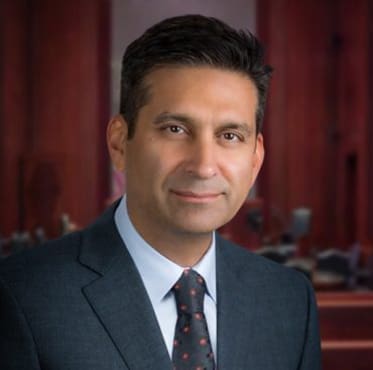


Why Clients Choose Max Alavi, APC
- Super Lawyers recognition based on peer review
- Extensive experience in California probate law
- Millions recovered in trust and probate litigation
- Strategic handling of trust and estate disputes
- Proven advocacy for surviving spouses and heirs
- Clear guidance through complex probate matters
- Outstanding dedication to every one of our clients




Let's Work Together - Tell Us Your Needs
At Max Alavi, Attorney at Law, APC, we understand the complexities of California probate law and are committed to providing solutions for trust and estate disputes. Contact us today to speak with one of our legal staff.