
Malibu Probate And Trust Administration Attorney
Top Ranked Trust & Probate Lawyers in California
5-Star Client Rating | Read Our Reviews
Malibu Probate and Trust Administration Expertise
At Max Alavi, Attorney at Law, our Malibu-based firm is dedicated to delivering exceptional guidance and personalized solutions in Probate and Trust Administration. With years of focused experience, our team understands the complexities and emotional challenges clients face during estate administration. We pride ourselves on our client-centric approach, providing clear communication and steadfast advocacy every step of the way.
- Extensive knowledge of California probate and trust laws
- Tailored strategies for simple and complex estates
- Responsive, compassionate legal support
"At Max Alavi, Attorney at Law, you’re not just a case—you’re part of our community. We are here to protect your legacy and ensure your peace of mind."
Our Trust Litigation Case Process

1. Case Evaluation
We begin with a full review of the trust, will, financial records, and family history. Our legal team will identify your rights, deadlines, and the best legal path before anything is filed.

2. Court Filings
The case formally begins when a probate petition or trust lawsuit is filed in California probate court, often in Orange County Superior Court. This step sets the legal issues, brings all parties into the case.

3. Discovery and Settlement
Both sides exchange documents, take depositions, and file motions to address disputes. Many trust and probate cases resolve here through settlement discussions or court ordered mediation.

4. Trial and Resolution
If no agreement is reached, the case proceeds to trial before a probate judge. After a ruling, the court orders distributions, removals of fiduciaries, or financial recovery, and we handle enforcement or appeals if needed.
Begin Your Free Case Evaluation Now
Call to schedule a free and confidential consultation with a trust litigation lawyer.


About Max Alavi, Attorney at Law
Max Alavi, Attorney at Law, based in Malibu, is distinguished by its unwavering dedication to providing comprehensive legal guidance in Probate And Trust Administration and related practice areas. With years of experience at the helm, Max Alavi has cultivated a law firm known for its personalized service, strategic acumen, and deep understanding of estate law complexities. The firm’s story began with a simple mission: to help clients navigate life’s most sensitive transitions with clarity and confidence. Through a combination of professional insight, meticulous attention to detail, and genuine compassion, Max Alavi, Attorney at Law has become a trusted partner for families and individuals seeking to preserve their legacy and protect their interests.
Operating out of Malibu, Max Alavi, Attorney at Law upholds a commitment to excellence rooted in honesty, integrity, and client empowerment. The team’s proficiency in Probate And Trust Administration is complemented by a broader background in complex estate planning and related disputes. The firm’s client-focused values are evident in every interaction—prioritizing timely communication, transparent counsel, and tailored solutions designed to meet unique challenges. Whether navigating the intricacies of the probate process or advising on trust matters, Max Alavi, Attorney at Law stands out for blending exceptional legal skill with a warm, responsive approach that has defined its reputation throughout the region.
An Interesting Fact About Probate and Trust Administration in Malibu
California probate and trust administration in Malibu often involves addressing unique issues tied to valuable beachfront properties and high-value estates. A lesser-known fact is that California allows for the use of the “Heggstad petition,” which can enable certain assets—such as Malibu real estate accidentally left out of a trust—to be transferred into the trust without formal probate. This process can significantly streamline administration, saving beneficiaries time and reducing court involvement.
Overview of Probate and Trust Administration Laws in Malibu
In Malibu, probate and trust administration are governed by California's complex statutes and local court procedures, which are designed to ensure the orderly transfer of assets after death and proper management of estates. As detailed by Max Alavi, Attorney at Law, probate involves a court-supervised process to validate a will, appoint an executor, and oversee asset distribution to beneficiaries. Trust administration typically sidesteps probate altogether, allowing assets to be managed and distributed privately according to the trust’s terms. Both processes in Malibu require careful attention to state-specific filing deadlines, notification requirements, and meticulous inventory of estate assets. The court’s involvement can vary based on whether a valid estate plan is in place or if disputes among heirs arise.
- Failing to follow probate procedures may result in costly delays, legal challenges, or personal liability for administrators.
- Trust administration obligations include notification of beneficiaries, asset valuation, paying debts and taxes, and detailed accounting.
- Potential penalties for errors range from court sanctions to removal as a fiduciary, emphasizing the need for precise compliance.
“Strategic guidance throughout probate and trust administration helps ensure that court processes run smoothly and reduces the risk of inheritance disputes or tax complications.” – Insights from Max Alavi, Attorney at Law
With extensive experience in Malibu, Max Alavi, Attorney at Law offers skilled counsel in navigating both probate and trust administration matters. Their team is adept at handling every phase, from preparing and filing the initial court documents to resolving contested issues and managing complex asset transfers. By blending legal know-how with a practical understanding of local regulations, they enable clients to avoid common pitfalls and achieve efficient, stress-free settlements. Whether the situation calls for representation in probate court or guidance through a trust administration, clients benefit from tailored strategies that respect their interests and comply fully with California law.
Other Services Available
```html
Probate Litigation |
https://www.octrustslawyer.com/probate-litigation/ |
Trustee Defense |
https://www.octrustslawyer.com/trustee-defense/ |
Inheritance Disputes |
https://www.octrustslawyer.com/inheritance-disputes/ |
Probate And Trust Administration |
https://www.octrustslawyer.com/probate-trust-administration/ |
Conservatorship |
https://www.octrustslawyer.com/conservatorships/ |
Surviving Spouse Rights |
https://www.octrustslawyer.com/surviving-spouse-rights/ |
Personalized Guidance for Probate and Trust Administration with Max Alavi, Attorney at Law
Navigating probate and trust administration can be overwhelming, but you don’t have to face it alone. Max Alavi, Attorney at Law, offers compassionate, detail-oriented support to help you efficiently resolve estate matters while protecting your interests. Our attorneys thoroughly evaluate every aspect of your situation to build a strong, effective legal strategy. Contact us today for a free, no-obligation consultation—lasting 30 to 60 minutes—by calling (949) 706-1919.
Malibu Demographics
Malibu, California is a coastal city in western Los Angeles County, known for its scenic shoreline, affluent community, and unique blend of residential and resort life. According to the U.S. Census Bureau and local estimates, Malibu’s population is approximately 10,000-11,000 residents in the mid-2020s. The city’s population density is notably low, reflecting its large lots, oceanfront properties, and significant stretches of natural space.
- Age Distribution: Malibu has a mature demographic, with a median age in the mid-to-upper 40s. A sizable proportion of the population is comprised of adults aged 45 and above, with a moderate share of families and children under 18.
- Diversity: The city is predominantly White (non-Hispanic), though it maintains cultural diversity with residents identifying as Hispanic or Latino, Asian, and smaller percentages of other backgrounds.
- Socioeconomic Indicators:
- Malibu consistently ranks among the most affluent cities in California, with a median household income well above $150,000 and significant concentrations of high-net-worth households.
- Per capita income is considerably higher than Los Angeles County and statewide averages.
- Poverty rates in Malibu are very low, though there is some economic diversity, including households with more moderate incomes in certain neighborhoods.
- Population Trends: The city’s population has remained relatively stable, with modest fluctuations due to development patterns and the appeal of coastal living. There is an ongoing trend of affluent retirees, families, and professionals investing in Malibu’s luxury real estate market.
Malibu Probate Court System
Probate and trust administration matters for Malibu residents are overseen by the Superior Court of California, County of Los Angeles. Malibu does not have a dedicated probate court within the city; instead, cases are typically handled at regional courthouses, primarily the Stanley Mosk Courthouse in Downtown Los Angeles, which houses the central Probate Division for Los Angeles County.
- Primary Venue: Stanley Mosk Courthouse, 111 North Hill Street, Los Angeles, CA 90012.
- Case Types Handled:
- Decedent estates (with or without a will)
- Trust matters and trust administration
- Conservatorships and guardianships
- Petitions for interpretation or modification of wills and trusts
- Minor’s compromises and settlements
- Elder and dependent adult protections
- Unique Features:
- Los Angeles County’s Probate Division provides robust online case tracking, e-filing, and document access services, which can be especially useful for estate representatives and beneficiaries residing out-of-area.
- Specialized local rules govern probate practice, including required forms, notice procedures, and hearing schedules, making it essential for legal clients to consult with professionals familiar with L.A. County’s requirements.
- Other Relevant Courts: While probate cases are generally centralized, certain related family law matters (such as divorce or child custody) affecting Malibu residents may be heard at the Van Nuys or Santa Monica Regional Courthouses, depending on case type and domicile.
Legal clients engaging in probate and trust administration in Malibu interact with county-wide court systems rather than a local Malibu courthouse. The complexity, value, and diversity of Malibu estates often necessitate skilled legal guidance familiar with both high-value assets and the procedural nuances of L.A. County Probate Court.
Family Demographics in Malibu
Malibu’s households reflect a blend of family and single-person living arrangements, consistent with the city’s mix of luxury estates, beach homes, and condominium complexes.
- Household Composition:
- Approximately 60-65% of households are classified as family households, typically married couples, with or without children.
- The remainder includes single-person households and non-family groupings, which are common due to Malibu’s popularity among artists, retirees, and professionals.
- The average household size is about 2.2–2.5 persons, below state averages due to higher rates of single-occupant and couple-only residencies.
- Divorce Rates:
- Malibu-specific divorce rates are not separately published, but Los Angeles County reports indicate that divorce and marital dissolution rates are generally on par with other affluent Southern California communities.
- Family and Per Capita Income:
- Median family incomes in Malibu exceed $200,000 in many census tracts, reflecting dual-earning households and significant investment income.
- Per capita income is among the highest in California, regularly surpassing $100,000.
- School System:
- Malibu is served by the Santa Monica-Malibu Unified School District (SMMUSD), which includes Malibu Elementary School, Webster Elementary, Malibu Middle School, and Malibu High School.
- The district is recognized for strong academic performance, high college matriculation rates, and robust extracurricular programs.
- Social Programs and Community Services:
- The Malibu Community Services Department offers family-focused recreation, arts and enrichment programs, and senior services.
- Local nonprofit organizations provide additional social support, including counseling, family resources, and youth development programs.
Malibu’s family and socioeconomic profile is characterized by high affluence, smaller average household sizes, and exclusive access to educational and community amenities. These indicators are relevant for those navigating probate, trust, or family legal matters involving significant or multi-generational assets.
Trust Litigation
Areas We Serve
At Max Alavi, Attorney at Law, we have decades of experience in dealing with complex trust litigation matters throughout California. When you hire our legal team, you are bringing on the best and toughest litigators around to aggresively fight on your behalf.
What Our Amazing Clients Have To Say
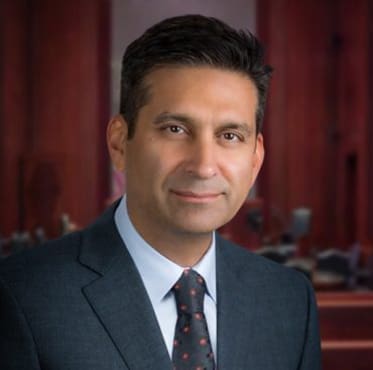


Why Clients Choose Max Alavi, APC
- Super Lawyers recognition based on peer review
- Extensive experience in California probate law
- Millions recovered in trust and probate litigation
- Strategic handling of trust and estate disputes
- Proven advocacy for surviving spouses and heirs
- Clear guidance through complex probate matters
- Outstanding dedication to every one of our clients




Let's Work Together - Tell Us Your Needs
At Max Alavi, Attorney at Law, APC, we understand the complexities of California probate law and are committed to providing solutions for trust and estate disputes. Contact us today to speak with one of our legal staff.