
Malibu Inheritance Disputes Attorney
Top Ranked Trust & Probate Lawyers in California
5-Star Client Rating | Read Our Reviews
Malibu Inheritance Disputes Lawyers
At Max Alavi, Attorney at Law, we bring in-depth expertise and unwavering dedication to clients navigating the complexities of inheritance disputes in Malibu. Whether you’re facing contested wills, trust disagreements, or beneficiary conflicts, our experienced team offers strategic counsel tailored to your specific situation. What sets our firm apart?
- Proven success in resolving sensitive family and financial issues
- Personalized legal strategies focused on minimizing stress and maximizing results
- Responsive communication and proactive guidance throughout your case
“Every client deserves clarity and peace of mind—our commitment is to deliver both while fiercely protecting your interests.”If you’re searching for trusted legal support with inheritance disputes in Malibu, discover the difference a compassionate, client-focused firm like Max Alavi, Attorney at Law can make.
Our Trust Litigation Case Process

1. Case Evaluation
We begin with a full review of the trust, will, financial records, and family history. Our legal team will identify your rights, deadlines, and the best legal path before anything is filed.

2. Court Filings
The case formally begins when a probate petition or trust lawsuit is filed in California probate court, often in Orange County Superior Court. This step sets the legal issues, brings all parties into the case.

3. Discovery and Settlement
Both sides exchange documents, take depositions, and file motions to address disputes. Many trust and probate cases resolve here through settlement discussions or court ordered mediation.

4. Trial and Resolution
If no agreement is reached, the case proceeds to trial before a probate judge. After a ruling, the court orders distributions, removals of fiduciaries, or financial recovery, and we handle enforcement or appeals if needed.
Begin Your Free Case Evaluation Now
Call to schedule a free and confidential consultation with a trust litigation lawyer.


About Max Alavi, Attorney at Law
Max Alavi, Attorney at Law, based in Malibu, has established itself as a trusted leader in the field of Inheritance Disputes and a variety of other trust and estate law matters. With a rich history built on integrity, experience, and client advocacy, the firm is known for providing clear guidance, compassionate support, and creative legal solutions to families and individuals navigating complex legal challenges. The legal team at Max Alavi, Attorney at Law leverages years of specialized experience and a wealth of legal knowledge to achieve positive outcomes, always prioritizing the needs and rights of each client.
Max Alavi, Attorney at Law distinguishes itself in Malibu through a genuine commitment to personalized service and a core belief in educating clients throughout their legal journey. The firm’s unmatched expertise in Inheritance Disputes is complemented by a broader proficiency in estate planning, trust administration, and probate matters. What truly sets the practice apart is its dedication to transparency, integrity, and building lasting client relationships—values that are at the heart of everything the firm does. Above all, Max Alavi, Attorney at Law has earned a reputation in the community for thoughtful counsel and strategic advocacy, empowering families to protect their legacies with confidence.
An Interesting Fact About Inheritance Disputes in Malibu
A lesser-known yet significant aspect of inheritance disputes in Malibu, California, involves the interplay between state community property laws and inherited assets. In California, inherited property—such as real estate or financial accounts—typically remains the separate property of the heir, even in marriage. However, if inherited assets are commingled with marital property or used for joint purposes, disputes may arise regarding ownership. This nuance often complicates probate proceedings and underscores the importance of careful asset management in Malibu inheritance cases.
Overview of Inheritance Dispute Laws in Malibu
Inheritance disputes in Malibu are primarily governed by California’s probate and estate laws, which are designed to ensure fair administration of estates and resolution of contested matters among heirs or beneficiaries. According to insights from Max Alavi, Attorney at Law, these disputes can arise over the validity of wills or trusts, alleged undue influence, or disagreements regarding asset distribution. Local regulations in Malibu require strict adherence to procedural filing deadlines and documentation; cases are typically heard at the Los Angeles County probate courts, where both mediation and litigation options are considered. The court process encompasses several key stages such as the filing of petitions, discovery of evidence, hearings before a judge, and, if unresolved, a formal trial to determine rightful inheritance.
- Common grounds for inheritance disputes include lack of mental capacity, undue influence, fraud, or improper execution of testamentary documents.
- Court-imposed penalties can involve reversal of transfers, disinheritance of certain parties, or financial surcharges against wrongdoers.
- Resolutions may include settlement agreements, mediation, or court orders clarifying the intentions behind estate plans.
“A proactive legal approach is crucial for a successful outcome in inheritance disputes—meticulous document review and negotiation strategies often result in more favorable and expedient resolutions.” – Max Alavi, Attorney at Law
Drawing on significant expertise representing Malibu clients, Max Alavi, Attorney at Law provides in-depth guidance and robust advocacy in inheritance dispute cases. The firm’s knowledge of both the local probate court procedures and broader California statutes positions clients for effective claims management, whether defending their rights or contesting an unfair will or trust. Their team conducts thorough investigations into testamentary capacity, evaluates the legitimacy of contested documents, and pursues every available avenue for resolution, including negotiation and courtroom representation. Leveraging their experience, the firm ensures personalized strategies tailored to the specific circumstances of each dispute, offering peace of mind and clarity as clients navigate complex legal landscapes.
Other Services Available
Probate Litigation |
https://www.octrustslawyer.com/probate-litigation/ |
Trustee Defense |
https://www.octrustslawyer.com/trustee-defense/ |
Inheritance Disputes |
https://www.octrustslawyer.com/inheritance-disputes/ |
Probate And Trust Administration |
https://www.octrustslawyer.com/probate-trust-administration/ |
Conservatorship |
https://www.octrustslawyer.com/conservatorships/ |
Surviving Spouse Rights |
https://www.octrustslawyer.com/surviving-spouse-rights/ |
Resolve Your Inheritance Disputes with Experienced Attorneys at Max Alavi, Attorney at Law
If you are facing an inheritance dispute, don’t navigate this complex process alone—trust the skilled team at Max Alavi, Attorney at Law to guide you. Our attorneys provide attentive, thorough case evaluations to uncover every important detail and craft a strong, effective defense for your rights and interests. Take the first step with a free, 30-60 minute consultation—call us today at (949) 706-1919 to get the answers and support you need.
Malibu Demographics
Malibu, California, is a coastal city situated in western Los Angeles County, known for its scenic beauty, affluent communities, and distinct residential character. According to recent estimates from the U.S. Census Bureau, Malibu has a population of approximately 10,400–10,650 residents. The city’s population exhibits a unique demographic profile compared to many Southern California cities:
- Age Distribution: The median age in Malibu is in the mid-50s, indicating an older-than-average population. A significant proportion of residents are age 45 and older, with fewer children and young adults than county or state averages.
- Diversity: Malibu’s population is predominantly White (non-Hispanic), though there is representation from Hispanic or Latino, Asian, and other racial and ethnic groups. The community is less diverse than much of Los Angeles County.
- Socioeconomic Indicators:
- The median household income in Malibu ranges from $150,000 to $170,000 annually, far surpassing county and state averages.
- Home values are among the highest in California, with median single-family home prices often above $3 million.
- Unemployment and poverty rates are significantly lower than regional benchmarks.
- Notable Trends: Malibu continues to attract high-net-worth individuals, retirees, and professionals, particularly those seeking a coastal lifestyle. Many homes are second or vacation properties, resulting in fluctuating part-time residency which impacts full-time population counts.
Malibu Probate Court System
Malibu residents are served by the Superior Court of California, County of Los Angeles for probate, trust, and estate administration matters. Probate cases are not heard at a dedicated Malibu courthouse, but are handled primarily at the Stanley Mosk Courthouse in downtown Los Angeles. Key information relevant to legal clients includes:
- Court Name: Stanley Mosk Courthouse, Probate Division (Los Angeles Superior Court)
- Jurisdiction: All probate-related matters for residents and property holders in Malibu fall under the authority of this countywide division.
- Case Types:
- Decedent’s estates (with and without wills)
- Trust administration and disputes
- Conservatorships and guardianships
- Will contests and inheritance disputes
- Elder abuse petitions and related protective proceedings
- Unique Features:
- Given Malibu’s high-value real estate and substantial personal asset holdings, probate cases often involve complex property, tax, and inheritance issues.
- The court maintains a public eFiling and case information system for probate proceedings, allowing clients and attorneys to monitor case status and access court records online.
- Local rules and procedures of the Los Angeles Superior Court govern all probate filings, notices, deadlines, and hearings.
- Specialized probate judges handle contested inheritance disputes, will validity challenges, and high-value trust litigations.
For Malibu residents, engaging a legal professional familiar with the Los Angeles County probate system is crucial for navigating inheritance disputes and complex estate matters efficiently.
Family Demographics in Malibu
Family and household structures in Malibu reflect both the city’s residential exclusivity and its desirability for affluent families and individuals:
- Family vs. Single Households:
- Fewer than half of all households are family households; a high proportion are married couples without children, singles, and older adults living alone.
- Households with children under 18 constitute a smaller share than county or state averages.
- Family Size: Average household size in Malibu is approximately 2.2–2.4 persons, reflecting smaller family units and the prevalence of single-occupant homes.
- Divorce Rates: While Malibu does not publish specific divorce rates, Los Angeles County overall sees moderate to high rates of divorce. Malibu’s older demographic may result in a somewhat higher proportion of divorced or widowed adults compared to some neighboring cities.
- Income Indicators:
- Median family incomes exceed $170,000, and per capita income for Malibu residents is among the top in the region.
- Low poverty rates and high property values suggest overall economic stability.
- Education and Social Programs:
- Malibu is served by the acclaimed Santa Monica-Malibu Unified School District, with Malibu High School and several elementary schools recognized for strong academic performance.
- Access to both public and private education is a draw for families seeking high-quality schooling.
- Local organizations and city-supported initiatives provide select youth, family, and senior programs, though Malibu’s scale means social support services are less extensive than in larger neighboring cities.
Understanding the composition of Malibu’s households and the elevated economic profile can be especially important in legal contexts involving inheritance disputes, as family structure and wealth distribution issues frequently arise in local probate and trust litigation.
Trust Litigation
Areas We Serve
At Max Alavi, Attorney at Law, we have decades of experience in dealing with complex trust litigation matters throughout California. When you hire our legal team, you are bringing on the best and toughest litigators around to aggresively fight on your behalf.
What Our Amazing Clients Have To Say
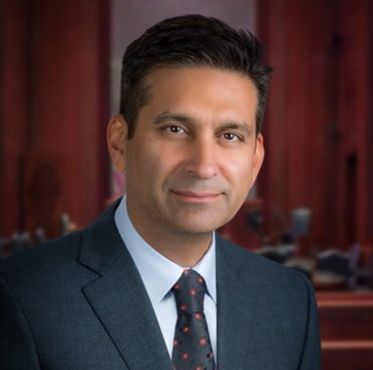


Why Clients Choose Max Alavi, APC
- Super Lawyers recognition based on peer review
- Extensive experience in California probate law
- Millions recovered in trust and probate litigation
- Strategic handling of trust and estate disputes
- Proven advocacy for surviving spouses and heirs
- Clear guidance through complex probate matters
- Outstanding dedication to every one of our clients




Let's Work Together - Tell Us Your Needs
At Max Alavi, Attorney at Law, APC, we understand the complexities of California probate law and are committed to providing solutions for trust and estate disputes. Contact us today to speak with one of our legal staff.