
Malibu Financial Elder Abuse Attorney
Top Ranked Trust & Probate Lawyers in California
5-Star Client Rating | Read Our Reviews
Malibu Financial Elder Abuse Legal Help
At Max Alavi, Attorney at Law, we are dedicated to protecting the financial security and dignity of seniors in Malibu. With deep expertise in Financial Elder Abuse cases, our firm offers compassionate counsel and vigorous advocacy to clients facing exploitation or manipulation. We understand the complexities of elder law and have a proven track record of standing up for vulnerable elders and their families.
"Our clients trust us to handle sensitive matters with discretion, empathy, and the utmost professionalism."
- Extensive experience in Financial Elder Abuse litigation and prevention
- Personalized legal strategies tailored to each client's unique situation
- Committed to securing justice and safeguarding assets for elders in Malibu
Choose Max Alavi, Attorney at Law for skilled, honest, and attentive representation in all Financial Elder Abuse matters in Malibu.
Our Trust Litigation Case Process

1. Case Evaluation
We begin with a full review of the trust, will, financial records, and family history. Our legal team will identify your rights, deadlines, and the best legal path before anything is filed.

2. Court Filings
The case formally begins when a probate petition or trust lawsuit is filed in California probate court, often in Orange County Superior Court. This step sets the legal issues, brings all parties into the case.

3. Discovery and Settlement
Both sides exchange documents, take depositions, and file motions to address disputes. Many trust and probate cases resolve here through settlement discussions or court ordered mediation.

4. Trial and Resolution
If no agreement is reached, the case proceeds to trial before a probate judge. After a ruling, the court orders distributions, removals of fiduciaries, or financial recovery, and we handle enforcement or appeals if needed.
Begin Your Free Case Evaluation Now
Call to schedule a free and confidential consultation with a trust litigation lawyer.


About Max Alavi, Attorney at Law
Max Alavi, Attorney at Law, based in Malibu, has forged a distinguished path as a trusted advisor and advocate in the complex realm of Financial Elder Abuse and related legal fields. With a history rooted in integrity, expertise, and genuine commitment to client well-being, the firm stands as a beacon for those navigating sensitive estate, trust, and probate matters. From its inception, Max Alavi, Attorney at Law has earned a reputation for practical, results-oriented solutions that honor clients’ unique circumstances—whether drafting an estate plan, defending financial interests, or litigating high-stakes disputes. The firm's philosophy is built on attention to detail and long-standing expertise, ensuring that every client receives tailored legal support based on their individual goals and concerns.
Max Alavi, Attorney at Law proudly calls Malibu home, distinguishing itself through a deep-seated belief in respect, responsiveness, and the pursuit of justice for the most vulnerable. The team’s experience with Financial Elder Abuse cases is complemented by a broader foundation in trust and estate law, providing a full spectrum of services while remaining flexible and accessible. The firm’s unique qualities include direct attorney involvement in every case and a commitment to upholding the highest ethical standards, as highlighted on its About page. At Max Alavi, Attorney at Law, clients are more than just case numbers—they are valued partners whose peace of mind and futures matter profoundly to the firm’s mission and daily practice.
An Interesting Fact About Financial Elder Abuse in Malibu
Many people might not realize that California law specifically recognizes “undue influence” as a key element in financial elder abuse cases, especially in communities like Malibu with high-value assets. This means that someone can be held liable for manipulating a senior to transfer money or property—without overt threats or physical force—if authorities determine the actions deprived the elder of their free will. This broad definition offers crucial protection for Malibu's aging population and their estates.
Overview of Financial Elder Abuse Laws in Malibu
Financial elder abuse in Malibu is governed by California state laws that are specifically designed to protect seniors and dependent adults from financial exploitation. According to insights provided by Max Alavi, Attorney at Law, financial elder abuse occurs when someone—often a family member, caregiver, or trusted individual—illegally or unethically obtains, uses, or controls an elder’s assets or property. In Malibu, the law defines an elder as anyone aged 65 or older, and any abuse against them is treated seriously by local law enforcement and the courts. The legal process typically involves investigation by Adult Protective Services or local authorities, followed by potential civil litigation or criminal charges. Local court procedures focus on the quick preservation of assets and protection of elders from further harm.
- California’s Elder Abuse and Dependent Adult Civil Protection Act provides robust remedies, including restraining orders and restitution.
- Penalties for financial elder abuse often include repayment of stolen assets, significant fines, and up to four years in state prison for felony convictions.
- The law allows concerned parties to initiate civil lawsuits to recover assets and to seek punitive damages against the abuser.
“Many cases can be resolved through mediation or negotiated settlements, but egregious violations may require aggressive litigation to safeguard the elder’s financial wellbeing.” – Insights from Max Alavi, Attorney at Law
With significant experience handling Financial Elder Abuse matters in the Malibu area, Max Alavi, Attorney at Law brings valuable expertise in navigating these complex cases. The firm is well-versed in local regulations, court requirements, and the nuances of resolving elder financial abuse cases—including the filing of emergency restraining orders, asset tracing, and representation in both civil and probate courts. Drawing on their deep knowledge of California elder law, the attorneys equip clients with effective strategies to halt ongoing abuse, pursue recovery of misappropriated funds, and prevent future exploitation. For families and elders in Malibu, partnering with Max Alavi, Attorney at Law means having an advocate capable of guiding them through the intricacies of the local legal landscape, from initial filings to final resolutions or court judgments.
Other Services Available
Financial Elder Abuse |
https://www.octrustslawyer.com/financial-elder-abuse/ |
Trusted Legal Support for Financial Elder Abuse from Orange County Elder Abuse Attorneys at Max Alavi, Attorney at Law
If you or your loved one is facing a financial elder abuse situation, you deserve knowledgeable and compassionate support. At Max Alavi, Attorney at Law, our attorneys thoroughly evaluate every detail to ensure your rights are protected and build a strong defense on your behalf. Schedule your free 30-60 minute consultation today by calling (949) 706-1919—there is no risk and every call is confidential. Let our approachable and experienced team help you safely address financial exploitation concerns.
Malibu Demographics
Malibu, California is a coastal city in western Los Angeles County, renowned for its scenic Pacific coastline, affluence, and exclusive residential communities. As of recent estimates, Malibu’s population is approximately 10,500–11,000 residents. The city has experienced modest growth over the last decade, consistent with trends for established, higher-income coastal communities.
- Age Distribution: The median age in Malibu is in the upper 40s, higher than the Los Angeles County average, reflecting a community with a significant proportion of middle-aged and older adults. Roughly 20% of residents are aged 65 and over, and about 16% are under age 18.
- Diversity: Malibu is less racially and ethnically diverse than greater Los Angeles. The majority of residents identify as White (non-Hispanic), with smaller percentages of Hispanic or Latino, Asian, African American, and other backgrounds.
- Socioeconomic Indicators: Malibu is an affluent city. The median household income generally exceeds $160,000 per year, with per capita income over $100,000. The poverty rate is low compared to county and state averages, although the cost of living and real estate prices are substantial.
- Trends: Malibu attracts both long-term residents and second-home owners. The city’s population skews older, and there is a high incidence of owner-occupied, single-family homes. The area’s appeal as a retirement destination and its concentration of older residents is especially relevant for issues such as estate planning and elder law.
Malibu Probate Court System
Probate and trust cases for Malibu residents are governed by the Los Angeles County Superior Court system, the largest unified trial court in California. Malibu is served by several court locations, but most probate matters are centralized at the:
- Stanley Mosk Courthouse (Central District, Los Angeles): The primary venue for all probate administration, trust litigation, estate matters, conservatorships, guardianships, and related proceedings for Los Angeles County residents, including those from Malibu.
The Probate Division handles a range of matters for Malibu clients:
- Decedent estates (with or without a will), trust administration, and testamentary disputes
- Conservatorships and guardianships, including for elder adults and incapacitated individuals
- Claims of elder or dependent adult financial abuse (including petitions seeking remedies or accounting)
- Protective orders, capacity determinations, and removal or appointment of fiduciaries
- Administration of special needs trusts and minor’s compromise petitions
Probate in Los Angeles County is conducted according to the California Probate Code, with additional local rules and case management procedures. Hearings are typically held in person or virtually, depending on case type and court policies. The court offers public access to probate records and dockets online, facilitating transparency and ease of monitoring for legal professionals and families.
Cases involving allegations of financial elder abuse often proceed in Probate Division if they concern a decedent's estate or court-appointed conservatorship. Clients in Malibu should be aware that protective legal remedies—including emergency orders—are accessible through the probate court system, with dedicated judicial officers familiar with issues unique to elder law and financial exploitation.
Family Demographics in Malibu
Malibu’s family structure reflects its status as both a residential and vacation community:
- Household Types: The city includes roughly 4,500–4,600 households, of which about 48–52% are family households and the remainder are non-family or single-person households.
- Family Size: The average household size hovers around 2.2 persons, with family households averaging 2.7 persons, somewhat below national averages due to the high number of single-person and older adult households.
- Divorce Rates: Specific local divorce rates are not regularly published, but Malibu patterns generally align with those of Los Angeles County as a whole. The area sees both longstanding and seasonal residents, which may impact household composition changes.
- Family and Per Capita Income: Malibu’s median family income exceeds $200,000, reflecting high property values and a professional, retired, or entrepreneurial resident base. Per capita incomes are among the highest in Southern California.
- School System: Malibu is served primarily by the Santa Monica-Malibu Unified School District (SMMUSD). The district operates several top-performing public schools, including Malibu High School and Malibu Elementary, both recognized for strong academics.
- Social Programs: Malibu offers a range of social services for families and older adults, including:
- The Malibu Senior Center, providing community activities and informational resources on elder- and dependent-adult services
- Supportive programs through SMMUSD, such as special education, counseling, and family wellness outreach
- County-level access to programs for seniors, including elder protection services, mental health, and caregiving support
The combination of a substantial older adult population and ample wealth highlights the importance of vigilance against financial elder abuse in the community. Probate and family law practitioners frequently support clients on issues related to legacy planning, guardianships, trust administration, and protective actions for vulnerable adults.
Trust Litigation
Areas We Serve
At Max Alavi, Attorney at Law, we have decades of experience in dealing with complex trust litigation matters throughout California. When you hire our legal team, you are bringing on the best and toughest litigators around to aggresively fight on your behalf.
What Our Amazing Clients Have To Say
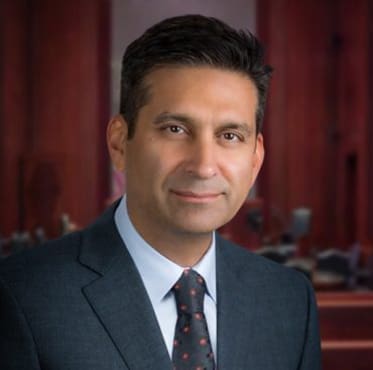


Why Clients Choose Max Alavi, APC
- Super Lawyers recognition based on peer review
- Extensive experience in California probate law
- Millions recovered in trust and probate litigation
- Strategic handling of trust and estate disputes
- Proven advocacy for surviving spouses and heirs
- Clear guidance through complex probate matters
- Outstanding dedication to every one of our clients




Let's Work Together - Tell Us Your Needs
At Max Alavi, Attorney at Law, APC, we understand the complexities of California probate law and are committed to providing solutions for trust and estate disputes. Contact us today to speak with one of our legal staff.