
Malibu Estate Planning Attorney
Top Ranked Trust & Probate Lawyers in California
5-Star Client Rating | Read Our Reviews
Malibu Estate Planning Services
At Max Alavi, Attorney at Law, we bring trusted Estate Planning experience to Malibu, helping individuals and families safeguard their assets and secure their future. Our firm stands apart through a personalized approach, ensuring every client receives tailored strategies that address their unique needs. From comprehensive will and trust preparation to advanced planning for business succession, Max Alavi, Attorney at Law delivers clarity, confidence, and peace of mind at every step.
- Decades of dedicated Estate Planning experience in Malibu
- Personalized, client-focused legal strategies
- Proven track record for reliable, compassionate counsel
"We believe in proactive planning that protects your legacy and honors your wishes—today and for generations to come."
Our Trust Litigation Case Process

1. Case Evaluation
We begin with a full review of the trust, will, financial records, and family history. Our legal team will identify your rights, deadlines, and the best legal path before anything is filed.

2. Court Filings
The case formally begins when a probate petition or trust lawsuit is filed in California probate court, often in Orange County Superior Court. This step sets the legal issues, brings all parties into the case.

3. Discovery and Settlement
Both sides exchange documents, take depositions, and file motions to address disputes. Many trust and probate cases resolve here through settlement discussions or court ordered mediation.

4. Trial and Resolution
If no agreement is reached, the case proceeds to trial before a probate judge. After a ruling, the court orders distributions, removals of fiduciaries, or financial recovery, and we handle enforcement or appeals if needed.
Begin Your Free Case Evaluation Now
Call to schedule a free and confidential consultation with a trust litigation lawyer.


About Max Alavi, Attorney at Law
Max Alavi, Attorney at Law in Malibu has cultivated a reputation for delivering insightful and comprehensive legal counsel, particularly in the field of Estate Planning, while also providing guidance in other trust, probate, and related legal matters. Founded on a commitment to serving families and individuals with meticulous care, the firm’s experienced attorneys apply decades of legal acumen to help clients meet their goals and protect their legacies. With a focus on responsiveness and integrity, Max Alavi, Attorney at Law draws on a strong tradition of ethical advocacy and personalized service, empowering clients with information and planning strategies tailored to their unique needs.
Operating at the forefront of legal innovation in Malibu, Max Alavi, Attorney at Law distinguishes itself through its client-centered philosophy and unwavering dedication to high ethical standards. The firm excels not only in Estate Planning, but also in complex trust administration and dispute matters, consistently striving for practical solutions that reflect each client’s best interests. Prioritizing compassion, clear communication, and community trust, Max Alavi, Attorney at Law has become a valued resource for individuals and families seeking steadfast legal representation and peace of mind for their most important personal and financial affairs.
An Interesting Fact About Estate Planning in Malibu, California
A lesser-known but important aspect of estate planning in Malibu, California, is the significant role played by Proposition 13 in property inheritance. Under this law, when a property is transferred between parents and children, the property tax basis may stay the same—meaning the new owner could pay far less in property taxes than the property's current market value suggests. However, recent changes through Proposition 19 have added restrictions, making this an evolving and complex issue for Malibu residents planning their estates.
Overview of Estate Planning Laws in Malibu
Estate planning in Malibu is dictated by a blend of California state laws and local regulations, making it essential for individuals and families to have a tailored legal strategy. According to insights from Max Alavi, Attorney at Law, effective estate planning in Malibu includes the creation of wills, trusts, advance healthcare directives, and durable powers of attorney to ensure your assets and personal wishes are respected both during your life and after. California’s probate system can be complex, especially in high-value communities like Malibu, and cases often require in-depth understanding of both property laws and inheritance tax implications. The court process may involve formal probate hearings, validation of wills, the appointment of executors or trustees, and can result in substantial legal fees and lengthy timelines if not properly managed in advance.
- Without an updated estate plan, California’s intestacy laws govern asset distribution, which may not reflect personal wishes.
- Proper use of living trusts can help Malibu residents avoid probate entirely, streamlining the transfer of assets to beneficiaries.
- Advance directives and powers of attorney are critical for appointing trusted decision-makers in case of incapacity.
"Resolving estate matters efficiently and honoring a client’s wishes requires up-to-date legal documents and a deep understanding of both state regulations and local Malibu nuances." – Guidance from Max Alavi, Attorney at Law
Drawing from substantial expertise in estate planning, Max Alavi, Attorney at Law delivers guidance that reflects the unique property laws and court procedures found in Malibu. The firm proactively addresses potential pitfalls such as unclear asset titles, outdated wills, or improper trust funding that can trigger costly probate proceedings or family conflict. By integrating advanced strategies—like trust formation and comprehensive incapacity planning—Max Alavi helps clients minimize tax burdens and court intervention, while ensuring their legacies are preserved in line with their goals. Leveraging thorough knowledge of local and state processes, the firm offers personalized solutions and strong representation, giving Malibu residents peace of mind regardless of the complexity of their estate.
Comprehensive Estate Planning Guidance from Orange County Estate Planning Attorneys at Max Alavi, Attorney at Law
Planning your estate is a crucial step for securing your legacy and protecting your loved ones’ futures. The dedicated attorneys at Max Alavi, Attorney at Law provide tailored estate planning services—ensuring every detail is thoroughly evaluated to safeguard your wishes. We offer a free 30-60 minute initial consultation to discuss your unique needs and answer any questions. Take the first step toward peace of mind: contact us today at (949) 706-1919.
Malibu Demographics
Malibu, California, is a coastal city in Los Angeles County renowned for its scenic Pacific coastline and affluent residential community. As of the most recent U.S. Census estimates, Malibu has a population of approximately 10,500–11,000 residents. The city's population growth has remained relatively stable over the past decade due to land use regulations and limited residential development, maintaining its low-density, semi-rural character.
- Age Distribution: Malibu skews older than many neighboring communities, with a median age typically in the mid- to late 40s, and a significant proportion of residents aged 45 and up. Children and younger adults constitute a smaller share compared to state and county averages.
- Diversity: Malibu’s population is predominantly White (Non-Hispanic), comprising about 85–88% of residents according to recent census data. Hispanic/Latino residents, Asian residents, and other racial groups each account for smaller proportions, reflecting limited but present diversity.
- Socioeconomic Indicators:
- Median household incomes are substantially above county and national averages, with most recent estimates ranging from $150,000 to over $200,000 per year.
- Poverty rates are low, generally under 8%, and unemployment is likewise below county averages.
- Homeownership is high, with the majority of households living in owner-occupied residences.
- Notable Trends:
- Population stability is a defining demographic trait due to restrictive development and high property values.
- There is a significant presence of high-net-worth individuals and families, as well as a transient demographic of seasonal residents.
Malibu Probate Court System
Probate and estate matters in Malibu are administered through the Superior Court of California, County of Los Angeles. Malibu does not have its own, stand-alone probate court; instead, residents access the centralized Los Angeles Superior Court – Probate Division, primarily located at the Stanley Mosk Courthouse in downtown Los Angeles. This division has jurisdiction over all probate and trust proceedings for residents of Malibu and greater Los Angeles County.
- Key Courts:
- Stanley Mosk Courthouse (Principal Probate Location)
- Los Angeles Superior Court – Probate Division
- Case Types Handled:
- Probate of wills and estate administration (decedents’ estates)
- Trust administration and disputes
- Guardianships of minors and conservatorships of adults
- Minor’s compromises
- Petitions for orders regarding property, accountings, and other fiduciary matters
- Unique Features Relevant to Legal Clients:
- The Los Angeles County probate division operates the nation’s largest probate court system, with specialized judges and staff for complex estate and fiduciary matters.
- An online Case Access portal allows parties, attorneys, and the public to view case status, filings, and hearing dates.
- Local rules and procedures apply, including requirements for notice, filings, and timelines under both the California Probate Code and county-specific rules.
- Given Malibu's affluent demographic, the court is experienced in handling high-value and complex estates, trusts, and tax-sensitive planning issues.
Family Demographics in Malibu
Malibu’s household composition and family demographics are shaped by its residential character and high cost of living.
- Household Composition:
- The majority of Malibu’s households are family households, though single-person households and couples without children are notably common.
- The average household size is approximately 2.2–2.5 persons, reflecting many smaller or “empty nest” families.
- Owner-occupied residences make up the bulk of all homes, complemented by seasonal or part-time occupancy.
- Divorce Rates:
- City-specific divorce rates are not published; however, Los Angeles County reports a slightly higher-than-average divorce rate when compared to state averages, with thousands of divorce cases filed annually.
- Income:
- Median family incomes in Malibu consistently exceed $200,000 per year, with dual- and single-income high earners prevalent.
- Per capita income is also significantly above state averages, reportedly near or above $100,000 annually.
- School Systems:
- Malibu is served by the Santa Monica-Malibu Unified School District (SMMUSD), which operates Malibu Elementary School, Webster Elementary School, Malibu Middle School, and Malibu High School.
- SMMUSD schools in Malibu are recognized for their strong academic performance, robust extracurricular activities, and a high level of parental and community involvement.
- Popular Social Programs:
- Local organizations and city-run programs support youth development, recreation, and cultural enrichment. Examples include the Malibu Community Services Department’s after-school programs, senior services, and the Boys & Girls Club of Malibu.
- Targeted support is available for seniors, including counseling, health, and wellness activities coordinated through the Malibu Senior Center.
Trust Litigation
Areas We Serve
At Max Alavi, Attorney at Law, we have decades of experience in dealing with complex trust litigation matters throughout California. When you hire our legal team, you are bringing on the best and toughest litigators around to aggresively fight on your behalf.
What Our Amazing Clients Have To Say
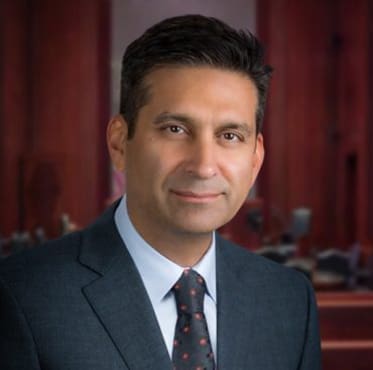


Why Clients Choose Max Alavi, APC
- Super Lawyers recognition based on peer review
- Extensive experience in California probate law
- Millions recovered in trust and probate litigation
- Strategic handling of trust and estate disputes
- Proven advocacy for surviving spouses and heirs
- Clear guidance through complex probate matters
- Outstanding dedication to every one of our clients




Let's Work Together - Tell Us Your Needs
At Max Alavi, Attorney at Law, APC, we understand the complexities of California probate law and are committed to providing solutions for trust and estate disputes. Contact us today to speak with one of our legal staff.