
Los Angeles Surviving Spouse Rights Attorney
Top Ranked Trust & Probate Lawyers in California
5-Star Client Rating | Read Our Reviews
Los Angeles Surviving Spouse Rights Expertise
At Max Alavi, Attorney at Law, we are dedicated to protecting and enforcing Surviving Spouse Rights for families throughout Los Angeles. Our firm brings years of focused experience in estate planning and probate matters, ensuring every client receives compassionate guidance and tailored legal strategies during challenging times. We understand the sensitive nature of these cases and pride ourselves on exceptional communication and accessibility, so you are never left in the dark. When you choose Max Alavi, Attorney at Law, you benefit from:
- Deep knowledge of California laws governing Surviving Spouse Rights
- Personalized, attentive representation for each client’s unique needs
- A proven record of advocating for clients in and out of court
“You deserve an ally who is committed to ensuring your rights and future security are protected every step of the way in Los Angeles.”Our approachable, results-oriented team is ready to help you achieve peace of mind and clarity in all matters related to Surviving Spouse Rights.
Our Trust Litigation Case Process

1. Case Evaluation
We begin with a full review of the trust, will, financial records, and family history. Our legal team will identify your rights, deadlines, and the best legal path before anything is filed.

2. Court Filings
The case formally begins when a probate petition or trust lawsuit is filed in California probate court, often in Orange County Superior Court. This step sets the legal issues, brings all parties into the case.

3. Discovery and Settlement
Both sides exchange documents, take depositions, and file motions to address disputes. Many trust and probate cases resolve here through settlement discussions or court ordered mediation.

4. Trial and Resolution
If no agreement is reached, the case proceeds to trial before a probate judge. After a ruling, the court orders distributions, removals of fiduciaries, or financial recovery, and we handle enforcement or appeals if needed.
Begin Your Free Case Evaluation Now
Call to schedule a free and confidential consultation with a trust litigation lawyer.


About Max Alavi, Attorney at Law
Established as a pillar of legal excellence in Los Angeles, Max Alavi, Attorney at Law is known for its unwavering commitment to providing skilled and compassionate representation. With a primary focus on Surviving Spouse Rights, the firm leverages a wealth of experience in trust, probate, and estate planning law to navigate complex family and financial circumstances. Founded by Max Alavi, an attorney deeply dedicated to protecting clients’ legacies, the firm has built its reputation on professionalism, strategic counsel, and a hands-on approach that guides clients through each stage of the legal process. The history of Max Alavi, Attorney at Law is rooted in personal attention and a belief that every client’s future deserves steadfast advocacy.
Operating in the vibrant city of Los Angeles, Max Alavi, Attorney at Law distinguishes itself by upholding the highest ethical standards and a client-first philosophy. The firm values clear communication, transparency, and personalized legal solutions—ensuring that those navigating Surviving Spouse Rights and related areas receive reliable, empathetic support. With a team that emphasizes accessibility and a meticulous attention to detail, Max Alavi, Attorney at Law is uniquely equipped to address each matter with the expertise, integrity, and innovation required to secure the best possible outcomes. The firm’s long-standing relationships and proven track record underscore a legacy of excellence within the legal community.
An Interesting Fact About Surviving Spouse Rights in Los Angeles
Many people are surprised to learn that under California law, surviving spouses in Los Angeles may have specific rights to claim a share of their deceased spouse’s estate, even if they are omitted from the will. California’s “omitted spouse” statute allows a spouse who married the decedent after the will was created to inherit certain portions of the estate, unless they were intentionally disinherited or certain legal exceptions apply. This protects spouses from unintentional disinheritance and can complicate estate planning.
Overview of Surviving Spouse Rights Laws in Los Angeles
In Los Angeles, the rights of a surviving spouse are safeguarded by California’s probate and estate planning laws, which detail entitlements to estate property, community assets, and allowances even when a proper will or trust exists. As outlined by Max Alavi, Attorney at Law, California is a community property state—meaning assets acquired during the marriage are generally split evenly between spouses. Local regulations further protect spouses from being entirely disinherited, ensuring that, at a minimum, the survivor receives their fair share as dictated by law or pursuant to a properly executed estate plan. The probate process in Los Angeles courts involves reviewing the decedent’s estate plan, validating wills or trusts, and confirming the surviving spouse’s right to inherit or claim certain exemptions, such as the family home or a spousal property petition.
- Surviving spouses in Los Angeles may be entitled to a mandatory share of the estate, regardless of the will's provisions.
- Court processes often include spousal property petitions and possible litigation over the interpretation of trusts or prenuptial agreements.
- Potential penalties or complications can arise from improperly executed estate planning documents or unclear asset ownership.
“Every family and estate presents unique nuances, but the law consistently offers important protections and legal remedies for surviving spouses, whether by statutory right or through strategic estate planning.” – Insights from Max Alavi, Attorney at Law
With deep expertise in the Los Angeles area, Max Alavi, Attorney at Law advises that careful estate planning can help surviving spouses avoid unexpected court battles or financial distress. The firm’s insights highlight how local court procedures, spousal rights petitions, and careful drafting of living trusts or wills can help clients ensure clarity and security for themselves and their loved ones. By proactively addressing survivorship rights and reviewing any existing marriage, property, or inheritance clauses, clients can better prepare for the complexities of probate in Los Angeles and safeguard their rightful inheritance under California law.
Other Services Available
Probate Litigation |
https://www.octrustslawyer.com/probate-litigation/ |
Trustee Defense |
https://www.octrustslawyer.com/trustee-defense/ |
Inheritance Disputes |
https://www.octrustslawyer.com/inheritance-disputes/ |
Probate And Trust Administration |
https://www.octrustslawyer.com/probate-trust-administration/ |
Conservatorship |
https://www.octrustslawyer.com/conservatorships/ |
Surviving Spouse Rights |
https://www.octrustslawyer.com/surviving-spouse-rights/ |
Reliable Representation for Surviving Spouse Rights from Max Alavi, Attorney at Law
Are you concerned about your rights as a surviving spouse? The attorneys at Max Alavi, Attorney at Law are here to stand by your side, ensuring you receive the protection and benefits you deserve. Our team will examine every detail of your situation to build a thorough, strategic defense on your behalf.
Take the first step with confidence—your initial consultation is free and lasts 30-60 minutes. Contact us today at (949) 706-1919 for experienced and compassionate legal support.
Los Angeles Demographics
Los Angeles is the largest city in California and the second most populous city in the United States, with an estimated population of approximately 3.8 million as of the mid‑2020s. The city is characterized by significant demographic diversity, representing a robust mix of cultural, ethnic, and socioeconomic backgrounds. Notable trends and demographic indicators include:
- Population Size: Around 3.8 million residents, with steady growth over the past decade.
- Age Distribution: The median age in Los Angeles is approximately 36 years. About 21% of residents are under age 18, while nearly 13% are over age 65.
- Diversity:
- Latino/Hispanic residents comprise about 49% of the population.
- White (non-Hispanic): 28%
- Asian: 11%
- African American: 8%
- Other races and multiracial: 4%
- Socioeconomic Indicators:
- Median household income: Approximately $70,000
- Per capita income: About $36,000
- Poverty rate: Around 17%, with notable variation between neighborhoods
- Cost of living: High, with significant variation depending on district
- Notable Trends:
- Ongoing immigration and cultural diversification
- Gentrification and housing affordability concerns
- Shifting age structure with growth in both young professional and senior populations
Los Angeles Probate Court System
The probate and trust matters in Los Angeles are managed by the Superior Court of California, County of Los Angeles, one of the largest and most comprehensive judicial systems in the nation. The probate court is responsible for handling a wide range of cases, including those affecting the rights of surviving spouses. Key features include:
- Primary Court Location: Stanley Mosk Courthouse, 111 North Hill Street, Los Angeles, CA 90012
- Probate Division:
- Handles decedent’s estates, trusts, will contests, guardianships, conservatorships, minor’s compromise matters, and elder or dependent adult protections
- Specialized in addressing claims related to surviving spouse rights, including spousal property petitions, omitted spouse claims, and family allowance matters
- Structure and Process:
- Dedicated probate departments with specialized judges and staff
- Case management through online platforms (e.g., LACourtConnect and court case search)
- Mandatory requirements for filings, deadlines, notice to interested parties, and court hearings
- Availability of resources such as self-help clinics and probate examiners for procedural questions
- Unique Features for Legal Clients:
- Los Angeles Probate Court’s large volume of cases allows for significant judicial expertise in complex estate, trust, and spousal rights claims
- Availability of bilingual support services and interpreter assistance given the city’s diversity
- Compliance with California Probate Code and local rules, with variations for document requirements and contested hearings
- File access and case tracking available online, increasing transparency for parties and counsel
Family Demographics in Los Angeles
Los Angeles exhibits a wide spectrum of family arrangements and household characteristics which shape its community and drive demand for family legal services. Highlights include:
- Households:
- Total households: Over 1.4 million
- Family households: Approximately 61%
- Single-person/non-family households: Roughly 39%
- Average household size: 2.8 persons
- Average family size: ~3.4 persons
- Divorce Rates:
- Divorce rates in Los Angeles County generally track California state averages, with an estimated 8–10% of adults being divorced
- Family law cases, including dissolution, custody, and support, are managed by the Family Law Division of the Superior Court of Los Angeles County
- Income Levels:
- Median family income: About $81,000
- Per capita income: Approximately $36,000 (slightly below county average due to high variance across regions)
- Significant income disparity among neighborhoods, with both affluent and underserved communities
- Education and Social Programs:
- School Districts: Served primarily by Los Angeles Unified School District (LAUSD), one of the largest and most diverse in the U.S., providing K–12 education through hundreds of elementary, middle, and high schools
- Notable magnet, charter, and specialized programs focusing on STEM, arts, language immersion, and college readiness
- Active city and county social programs providing family and youth services, such as childcare assistance, after-school programs, family counseling, food assistance, and public health initiatives
- Specialized legal aid resources for family cohesion, domestic violence prevention, and support for low‑income or at‑risk families
Trust Litigation
Areas We Serve
At Max Alavi, Attorney at Law, we have decades of experience in dealing with complex trust litigation matters throughout California. When you hire our legal team, you are bringing on the best and toughest litigators around to aggresively fight on your behalf.
What Our Amazing Clients Have To Say
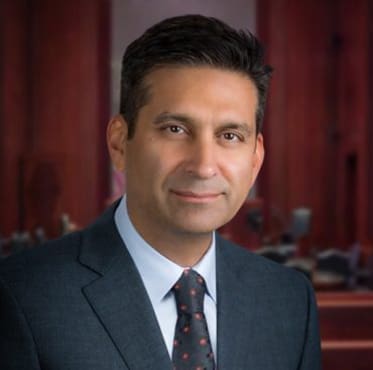


Why Clients Choose Max Alavi, APC
- Super Lawyers recognition based on peer review
- Extensive experience in California probate law
- Millions recovered in trust and probate litigation
- Strategic handling of trust and estate disputes
- Proven advocacy for surviving spouses and heirs
- Clear guidance through complex probate matters
- Outstanding dedication to every one of our clients




Let's Work Together - Tell Us Your Needs
At Max Alavi, Attorney at Law, APC, we understand the complexities of California probate law and are committed to providing solutions for trust and estate disputes. Contact us today to speak with one of our legal staff.