
Los Angeles Financial Elder Abuse Attorney
Top Ranked Trust & Probate Lawyers in California
5-Star Client Rating | Read Our Reviews
Financial Elder Abuse Lawyers in Los Angeles
At Max Alavi, Attorney at Law, our Los Angeles-based team is dedicated to providing compassionate, results-driven legal help to victims and families facing financial elder abuse. With extensive experience and deep knowledge in this sensitive area of law, we skillfully protect seniors’ rights and assets, offering clear guidance every step of the way. Our commitment to client care distinguishes us in the Los Angeles legal community—your peace of mind is our top priority.
- Proven track record in recovering misappropriated assets
- Personalized, confidential consultations
- Comprehensive understanding of unique challenges facing Los Angeles seniors
"At Max Alavi, Attorney at Law, your loved ones’ safety and dignity come first—trust our experience in financial elder abuse to deliver the advocacy you deserve."
Our Trust Litigation Case Process

1. Case Evaluation
We begin with a full review of the trust, will, financial records, and family history. Our legal team will identify your rights, deadlines, and the best legal path before anything is filed.

2. Court Filings
The case formally begins when a probate petition or trust lawsuit is filed in California probate court, often in Orange County Superior Court. This step sets the legal issues, brings all parties into the case.

3. Discovery and Settlement
Both sides exchange documents, take depositions, and file motions to address disputes. Many trust and probate cases resolve here through settlement discussions or court ordered mediation.

4. Trial and Resolution
If no agreement is reached, the case proceeds to trial before a probate judge. After a ruling, the court orders distributions, removals of fiduciaries, or financial recovery, and we handle enforcement or appeals if needed.
Begin Your Free Case Evaluation Now
Call to schedule a free and confidential consultation with a trust litigation lawyer.


About Max Alavi, Attorney at Law
Max Alavi, Attorney at Law, proudly serves the Los Angeles community, offering compassionate and highly skilled legal services with a primary focus on Financial Elder Abuse. Established on a foundation of dedication and client-centered values, the firm has earned a reputation for guiding families and individuals through complex legal terrain with integrity and expertise. Drawing upon decades of experience, Max Alavi and his team bring unique insight to trust and probate litigation, as well as related facets of estate and elder law, assuring clients receive wise counsel and unwavering advocacy at every stage. At Max Alavi, Attorney at Law, each case receives attentive analysis and a tailored strategy designed to uphold both immediate needs and long-term peace of mind.
Operating in the vibrant city of Los Angeles, Max Alavi, Attorney at Law distinguishes itself not only through profound knowledge of Financial Elder Abuse matters but also through a heartfelt commitment to respect, honesty, and responsive communication. The firm's history is marked by a steady record of favorable outcomes, driven by a philosophy that places clients’ interests at the forefront and emphasizes transparency and accessibility throughout the legal process. With bilingual capabilities, cultural sensitivity, and a personalized approach to every case, Max Alavi, Attorney at Law remains a trusted partner for those navigating the sensitive challenges of Elder Law and beyond in Southern California.
An Interesting Fact About Financial Elder Abuse in California
A lesser-known aspect of financial elder abuse cases in California is that state law extends protection beyond direct theft—such abuse can also include “undue influence,” where someone manipulates an elder into changing legal documents like wills, trusts, or powers of attorney. The California Welfare and Institutions Code allows courts to set aside such changes, even if no physical assets were taken, recognizing the profound impact of psychological and emotional manipulation.
Overview of Financial Elder Abuse Laws in Los Angeles
Financial elder abuse in Los Angeles is addressed under specific California state statutes designed to safeguard seniors from exploitation, fraud, and the misappropriation of their assets. According to insights shared by Max Alavi, Attorney at Law, California’s Welfare and Institutions Code Section 15610.30 explicitly defines financial elder abuse as occurring when someone takes or retains the real or personal property of an elder or dependent adult for wrongful use or with intent to defraud. Local regulations make it clear that these cases often involve undue influence, predatory lending, or fraudulent estate planning tactics. The Los Angeles court process for such claims typically includes investigation by Adult Protective Services, civil lawsuits for asset recovery, and sometimes concurrent criminal prosecution, depending on the severity of the abuse and evidence available.
- Victims may pursue civil remedies, including restitution and compensation, as well as statutory damages under California law.
- Court cases can involve detailed reviews of financial records, wills, trusts, and power of attorney documents.
- Penalties for perpetrators range from financial restitution to criminal penalties, including jail time in serious cases.
“Common resolutions may involve asset recovery through negotiated settlements, court-ordered restitution, or protective court injunctions to prevent further harm.” – Insights from Max Alavi, Attorney at Law
Drawing from years of focused experience in Los Angeles, Max Alavi, Attorney at Law offers expert guidance for clients navigating the complexities of financial elder abuse cases. The firm’s attorneys stress the importance of swift action—initiating legal steps early can significantly impact the recovery of assets and protection of vulnerable elders. Their comprehensive approach includes forensic analysis of financial transactions, challenging unlawful actions within estate planning documents, and advocating effectively in both civil and probate courts. Thanks to their deep understanding of local legal requirements and the nuances of elder abuse litigation, clients benefit from clear strategies tailored to the Los Angeles area, helping to achieve favorable resolutions and restore peace of mind for affected families.
Other Services Available
Financial Elder Abuse |
https://www.octrustslawyer.com/financial-elder-abuse/ |
Protecting Seniors from Financial Elder Abuse with Max Alavi, Attorney at Law
If you suspect financial elder abuse affecting you or a loved one, Max Alavi, Attorney at Law, is here to help. Our dedicated attorneys will thoroughly evaluate your unique situation, ensuring every detail is considered to build a strong defense and safeguard your loved one’s interests. Take the first step by calling (949) 706-1919 for a free, 30-60 minute consultation—our team is ready to provide clarity, support, and peace of mind during this challenging time.
Los Angeles Demographics
Los Angeles, California is the largest city in the state and the second most populous city in the United States, with an estimated population exceeding 3.8 million as of the mid‑2020s. The population displays a wide age distribution: about 22% are under age 18, while the proportion of residents aged 65 and older has steadily increased, reflecting both longevity and national aging trends. The median age is approximately 36 years, slightly younger than the national average, attributable to the city’s large share of young adults and working-age residents.
- Diversity: Los Angeles is one of the most ethnically and culturally diverse cities in the world. Latino or Hispanic residents represent the largest group, followed by White, Asian, African American, and other racial or multiracial populations.
- Socioeconomic Indicators: Median household income in Los Angeles hovers around $70,000, though there is significant variation across neighborhoods. Per capita income is approximately $37,000. Around 18% of residents live below the poverty line, with income inequality and disparities evident among demographic groups and neighborhoods.
- Notable Trends: The city has experienced steady population growth due to both domestic and international migration. Multilingualism is common, with over half of households speaking a language other than English at home.
Los Angeles Probate Court System
Probate and trust matters in Los Angeles are administered by the Superior Court of California, County of Los Angeles. This is the principal trial court handling all probate, estate, guardianship, conservatorship, and trust cases for residents of Los Angeles. Matters are primarily heard at the Stanley Mosk Courthouse, located in downtown Los Angeles, which is recognized as the central site for probate division hearings and filings.
- Types of Cases Handled:
- Decedent estates (probate of wills and intestate succession)
- Trust proceedings, including disputes and administration
- Guardianships and conservatorships (adults and minors)
- Elder and dependent adult protection matters, including financial abuse cases
- Minor’s compromise and settlements
- Structure and Process:
- The Los Angeles probate court operates several dedicated departments to address the high volume and complexity of probate matters.
- Clerks can assist with filings, document requests, and case information.
- Hearings for contested matters, accountings, and petitions occur regularly, and may be attended in person or virtually through the court’s approved platforms.
- Attorneys and parties can access case information online via the court’s electronic filing and docket access system.
- Unique Features Relevant to Legal Clients:
- Dedicated resources for financial elder abuse, including expedited proceedings and specified court investigators
- Mandatory electronic filing (eFiling) for most probate petitions and pleadings
- The court offers public and professional resources on guardianship, conservatorship, and protection for vulnerable adults
- Coordination with Adult Protective Services for cases involving elder financial exploitation or abuse
Clients seeking assistance for probate, trust, or financial elder abuse matters in Los Angeles will interact with the probate division under local court rules and procedures, which supplement the California Probate Code.
Family Demographics in Los Angeles
Los Angeles exhibits a diverse array of household types and family structures, reflective of its multicultural population and large urban scale.
- Family vs. Single Households: Out of approximately 1.4 million total households, about 60% are considered family households, while the remainder are non‑family or single-person households.
- Average Family Size: The average family household size in Los Angeles is approximately 3.7 persons, higher than the national average due to the prevalence of multigenerational households and cultural factors.
- Divorce Rates: Los Angeles experiences a moderately high rate of divorce, consistent with state averages. The Los Angeles Superior Court processes thousands of divorce and custody filings each year.
- Family Income & Per Capita Income:
- Median family income is approximately $80,000–$90,000, reflecting both high‑income and low‑income groups within the city.
- Per capita income stands at about $37,000, reflecting considerable economic stratification.
- Educational Systems:
- Los Angeles is served by the Los Angeles Unified School District (LAUSD), one of the largest school systems in the nation.
- LAUSD oversees hundreds of elementary, middle, and high schools, as well as specialized magnet and charter programs.
- The city is also home to major universities and community colleges.
- Popular Social Programs:
- Child and Family Services through the LA County Department of Children and Family Services
- Senior and elder care programs, including Adult Protective Services, which address financial elder abuse and the welfare of vulnerable adults
- Community programs targeting food insecurity, childcare subsidies, and afterschool enrichment
- Legal aid resources for families, seniors, and individuals facing economic hardship
The diversity, size, and resources of Los Angeles mean that individuals and families can access a broad spectrum of legal support and social services, ensuring varied legal needs are addressed by local courts and community organizations.
Trust Litigation
Areas We Serve
At Max Alavi, Attorney at Law, we have decades of experience in dealing with complex trust litigation matters throughout California. When you hire our legal team, you are bringing on the best and toughest litigators around to aggresively fight on your behalf.
What Our Amazing Clients Have To Say
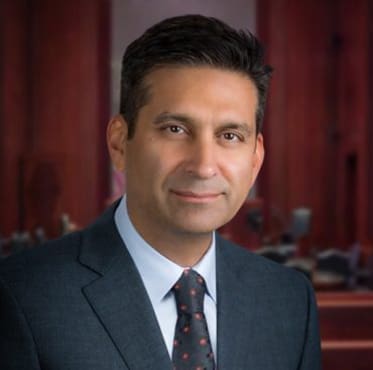


Why Clients Choose Max Alavi, APC
- Super Lawyers recognition based on peer review
- Extensive experience in California probate law
- Millions recovered in trust and probate litigation
- Strategic handling of trust and estate disputes
- Proven advocacy for surviving spouses and heirs
- Clear guidance through complex probate matters
- Outstanding dedication to every one of our clients




Let's Work Together - Tell Us Your Needs
At Max Alavi, Attorney at Law, APC, we understand the complexities of California probate law and are committed to providing solutions for trust and estate disputes. Contact us today to speak with one of our legal staff.