
Long Beach Trustee Defense Attorney
Top Ranked Trust & Probate Lawyers in California
5-Star Client Rating | Read Our Reviews
Long Beach Trustee Defense Services
At Max Alavi, Attorney at Law, we are dedicated to providing exceptional Trustee Defense services tailored to meet the needs of our Long Beach community. With years of focused experience, our team expertly navigates complex trust administration issues, always prioritizing our clients' peace of mind. Whether you are facing allegations of breach of fiduciary duty or require guidance on fulfilling your trustee obligations, you can rely on us for practical, transparent, and compassionate counsel.
“Our unwavering commitment to clients and depth of knowledge set us apart as Long Beach’s trusted name in trustee defense.”
- Comprehensive trustee representation in and out of court
- Proven record of resolving disputes efficiently
- Personalized legal strategies for every client
Choose Max Alavi, Attorney at Law to partner with a Long Beach firm that truly understands the nuances of Trustee Defense and is committed to protecting your interests every step of the way.
Our Trust Litigation Case Process

1. Case Evaluation
We begin with a full review of the trust, will, financial records, and family history. Our legal team will identify your rights, deadlines, and the best legal path before anything is filed.

2. Court Filings
The case formally begins when a probate petition or trust lawsuit is filed in California probate court, often in Orange County Superior Court. This step sets the legal issues, brings all parties into the case.

3. Discovery and Settlement
Both sides exchange documents, take depositions, and file motions to address disputes. Many trust and probate cases resolve here through settlement discussions or court ordered mediation.

4. Trial and Resolution
If no agreement is reached, the case proceeds to trial before a probate judge. After a ruling, the court orders distributions, removals of fiduciaries, or financial recovery, and we handle enforcement or appeals if needed.
Begin Your Free Case Evaluation Now
Call to schedule a free and confidential consultation with a trust litigation lawyer.


About Max Alavi, Attorney at Law
Max Alavi, Attorney at Law in Long Beach has established itself as a trusted authority in the field of Trustee Defense, while also skillfully handling a broad spectrum of estate planning and trust law matters. From its inception, the firm has been driven by a mission to empower clients with clear counsel and effective legal strategies tailored to each unique situation. Led by Max Alavi, whose extensive expertise is backed by years of practicing complex trust and probate cases, the firm is known for its responsiveness, meticulous attention to detail, and a high standard of ethical service. The team at Max Alavi, Attorney at Law places a premium on building lasting relationships, ensuring clients are guided and supported at every stage of the process.
Proudly serving the Long Beach community, Max Alavi, Attorney at Law is distinguished by its commitment to transparency, communication, and client education—core values highlighted throughout the firm’s history. The firm's unique approach combines diligent legal analysis with a compassionate understanding of the stresses clients face when navigating challenging Trustee Defense and trust litigation scenarios. Every client benefits from the personal attention of Max Alavi himself, whose hands-on style and proven advocacy have earned both industry recognition and the gratitude of families across Southern California. At Max Alavi, Attorney at Law, each matter is handled with integrity and a steadfast dedication to protecting clients’ interests and legacies.
An Interesting Fact About Trustee Defense in Long Beach
In California, including Long Beach, trustee defense cases often involve a nuanced aspect of the Probate Code: trustees who act in good faith and with reasonable care may be entitled to reimbursement for legal fees incurred defending their actions. This protection, which is sometimes overlooked, encourages proper trust administration while providing trustees with critical financial support when facing allegations of breach. The specific procedures for trustee fee recovery in California make this a vital consideration during trust-related disputes.
Overview of Trustee Defense Laws in Long Beach
Trustee defense in Long Beach is shaped by California's complex Probate Code, which outlines the legal duties and obligations of trustees managing trusts. According to the information provided by Max Alavi, Attorney at Law, trustees are held to strict fiduciary standards, meaning they must manage trust assets solely in the interest of beneficiaries, act prudently, and provide regular accountings. Disputes can arise when beneficiaries allege breaches such as mismanagement, failure to distribute assets, or self-dealing. Local regulations mean that trustees facing such claims may be required to appear in the Long Beach probate courts, where the process typically involves investigation, mediation, and, if necessary, litigation. The expertise of Max Alavi, Attorney at Law, is crucial in navigating these proceedings—ensuring trustees understand their rights, fulfill their obligations, and build a strong defense against unfounded allegations.
- California law mandates trustees to act with impartiality, transparency, and in accordance with the trust’s terms.
- Possible penalties for breach include removal as trustee, personal liability for losses, and reimbursement of misused assets.
- Resolution options include mediated settlements, negotiated modifications, court-approved accountings, or formal exoneration in court.
"Trustees facing accusations must be proactive in their defense—an experienced attorney ensures all actions are well-documented and that trust administration aligns with both the law and the trust instrument." – Insights from Max Alavi, Attorney at Law
Max Alavi, Attorney at Law, leverages extensive experience in the Long Beach area to provide tailored trustee defense solutions, guiding clients through every phase of the court process. Their approach includes rigorous analysis of trust documents, meticulous reconstruction of trust activities, and advocacy during court or alternative dispute resolution proceedings. By combining local insight with in-depth knowledge of California’s evolving trust laws, the firm helps trustees minimize exposure to penalties, streamline asset administration, and, whenever possible, resolve disputes before they escalate. Whether facing aggressive litigation or informal beneficiary concerns, clients benefit from the firm’s commitment to protecting trustee rights and ensuring fair process under Long Beach’s legal framework.
Other Services Available
Probate Litigation |
https://www.octrustslawyer.com/probate-litigation/ |
Trustee Defense |
https://www.octrustslawyer.com/trustee-defense/ |
Inheritance Disputes |
https://www.octrustslawyer.com/inheritance-disputes/ |
Probate And Trust Administration |
https://www.octrustslawyer.com/probate-trust-administration/ |
Conservatorship |
https://www.octrustslawyer.com/conservatorships/ |
Surviving Spouse Rights |
https://www.octrustslawyer.com/surviving-spouse-rights/ |
Expert Trustee Defense with Orange County Trust Attorneys at Max Alavi, Attorney at Law
If you are facing claims or challenges as a trustee, Max Alavi, Attorney at Law offers determined Trustee Defense to protect your rights and reputation. Our attorneys will thoroughly evaluate every detail of your situation and craft a strong, strategic defense on your behalf. Take advantage of a free initial consultation (30–60 minutes) to discuss your case—call us today at (949) 706-1919 for professional guidance and peace of mind.
Long Beach Demographics
Long Beach, California is a major urban center in Los Angeles County, with an estimated population of approximately 450,000–470,000 residents according to recent U.S. Census Bureau data. The city is characterized by significant cultural, economic, and generational diversity. Key demographic indicators include:
- Age Distribution: The median age in Long Beach is approximately 35–36 years, with about 22% of residents under age 18 and around 13% age 65 or older, reflecting a relatively balanced distribution of both young families and older adults.
- Ethnic and Racial Diversity: Long Beach is among the most diverse cities in the region:
- Latino or Hispanic: ~44%
- White (Non-Hispanic): ~27%
- Black or African American: ~12%
- Asian (primarily Cambodian, Filipino, and Vietnamese): ~13%
- Other/multiracial: smaller percentages
- Socioeconomic Indicators:
- Median household income: ~$72,000–75,000 (slightly below the Los Angeles County average)
- Per capita income: ~$33,000–34,000
- Poverty rate: ~16%, higher than the state average, with notable variation by neighborhood
- Population Trends: Steady, modest population growth with ongoing urban renewal, gentrification in select areas, and an influx of both young professionals and immigrant families.
Long Beach Probate Court System
Probate and trust cases for Long Beach residents fall within the jurisdiction of the Superior Court of California, County of Los Angeles. This court system is one of the largest in the nation and oversees all probate, trust, and related estate matters affecting Long Beach individuals and families.
- Primary Probate Venue:
- Stanley Mosk Courthouse (Downtown Los Angeles) – Central hub for probate, trust administration, conservatorships, guardianships, and related matters.
- Long Beach Courthouse – Handles limited filings and select preliminary probate matters; most hearings, case management, and trials are centralized at the Stanley Mosk Courthouse.
- Case Types Handled:
- Decedent estates (with or without wills)
- Trust administration disputes and trustee defense/claims
- Conservatorships and guardianships of adults and minors
- Elder abuse, fiduciary accountings, estate contests
- Heirship and intestate succession proceedings
- Unique Features for Legal Clients:
- Extensive online case access system for filings, calendar searches, and document retrieval
- Strict local court rules for probate and trust matters, including notice, filing deadlines, and ex parte standards
- Dedicated probate examiners and judicial officers with expertise in complex trust litigation and trustee defense
- Alternatives to full probate available for small estates, as permitted under California law
For clients seeking trustee defense or probate litigation representation, it is important to recognize that most hearings, trials, and evidentiary proceedings are conducted at the central probate courthouse in Los Angeles, with experienced staff and judicial resources dedicated to resolving complex fiduciary matters relevant to Long Beach clients.
Family Demographics in Long Beach
Long Beach exhibits a dynamic mix of family and non-family households, reflecting its status as both a family-friendly city and a center for young professionals and retirees. Key family demographic highlights include:
- Household Composition:
- Family households: ~62% of total households (with the remainder being single-person or non-family households)
- Average household size: 2.7–2.9 persons
- Family Size and Structure:
- Married-couple families make up a significant proportion, but single-parent households—particularly female-headed—are more common than state averages.
- Blended and nontraditional family structures are also present.
- Divorce Rates:
- Divorce rates in Long Beach track closely to county and state levels; Los Angeles County processes thousands of dissolution filings annually, with an estimated divorce rate of 8–9 per 1,000 married population per year.
- Income and Economic Indicators:
- Median family income: ~$80,000–$85,000
- Notable income disparities between neighborhoods, with coastal areas and newly developed districts showing higher averages
- Family poverty rate: approximately 13%
- Per capita income: roughly $33,000–34,000
- Education and Social Programs:
- Served by the Long Beach Unified School District (LBUSD), one of California’s largest and most respected districts, offering comprehensive K-12 education with specialty magnet and International Baccalaureate programs
- Multiple Head Start, afterschool care, and special education programs available
- Popular local initiatives include family support centers, public library outreach, food assistance programs, and youth engagement projects
These indicators reflect a diverse and evolving urban family landscape, with strong resources for education, family support, and community involvement. Families and individuals in Long Beach seeking legal services—whether related to estate planning, trustee defense, or family law—should be aware of the varied socioeconomic context and availability of significant public resources.
Trust Litigation
Areas We Serve
At Max Alavi, Attorney at Law, we have decades of experience in dealing with complex trust litigation matters throughout California. When you hire our legal team, you are bringing on the best and toughest litigators around to aggresively fight on your behalf.
What Our Amazing Clients Have To Say
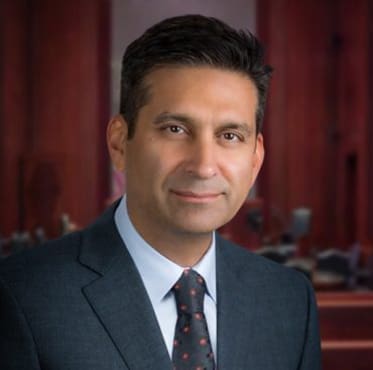


Why Clients Choose Max Alavi, APC
- Super Lawyers recognition based on peer review
- Extensive experience in California probate law
- Millions recovered in trust and probate litigation
- Strategic handling of trust and estate disputes
- Proven advocacy for surviving spouses and heirs
- Clear guidance through complex probate matters
- Outstanding dedication to every one of our clients




Let's Work Together - Tell Us Your Needs
At Max Alavi, Attorney at Law, APC, we understand the complexities of California probate law and are committed to providing solutions for trust and estate disputes. Contact us today to speak with one of our legal staff.