
Long Beach Probate And Trust Administration Attorney
Top Ranked Trust & Probate Lawyers in California
5-Star Client Rating | Read Our Reviews
Long Beach Probate And Trust Administration Experts
When it comes to navigating the intricacies of Probate And Trust Administration in Long Beach, Max Alavi, Attorney at Law stands out as a trusted leader committed to your peace of mind. With a proven track record of guiding clients through complex legal processes, our firm blends personalized attention with in-depth knowledge to ensure your estate matters are managed smoothly and efficiently.
"At Max Alavi, Attorney at Law, we believe every family and beneficiary deserves clear, proactive support through every stage of probate and trust administration."
- Decades of specialized experience in Long Beach probate and trust law
- Responsive communication and compassionate counsel
- Customized strategies tailored to each client’s unique needs
Choose Max Alavi, Attorney at Law for exceptional Probate And Trust Administration services in Long Beach—where your future and family are always our top priorities.
Our Trust Litigation Case Process

1. Case Evaluation
We begin with a full review of the trust, will, financial records, and family history. Our legal team will identify your rights, deadlines, and the best legal path before anything is filed.

2. Court Filings
The case formally begins when a probate petition or trust lawsuit is filed in California probate court, often in Orange County Superior Court. This step sets the legal issues, brings all parties into the case.

3. Discovery and Settlement
Both sides exchange documents, take depositions, and file motions to address disputes. Many trust and probate cases resolve here through settlement discussions or court ordered mediation.

4. Trial and Resolution
If no agreement is reached, the case proceeds to trial before a probate judge. After a ruling, the court orders distributions, removals of fiduciaries, or financial recovery, and we handle enforcement or appeals if needed.
Begin Your Free Case Evaluation Now
Call to schedule a free and confidential consultation with a trust litigation lawyer.

About Max Alavi, Attorney at Law
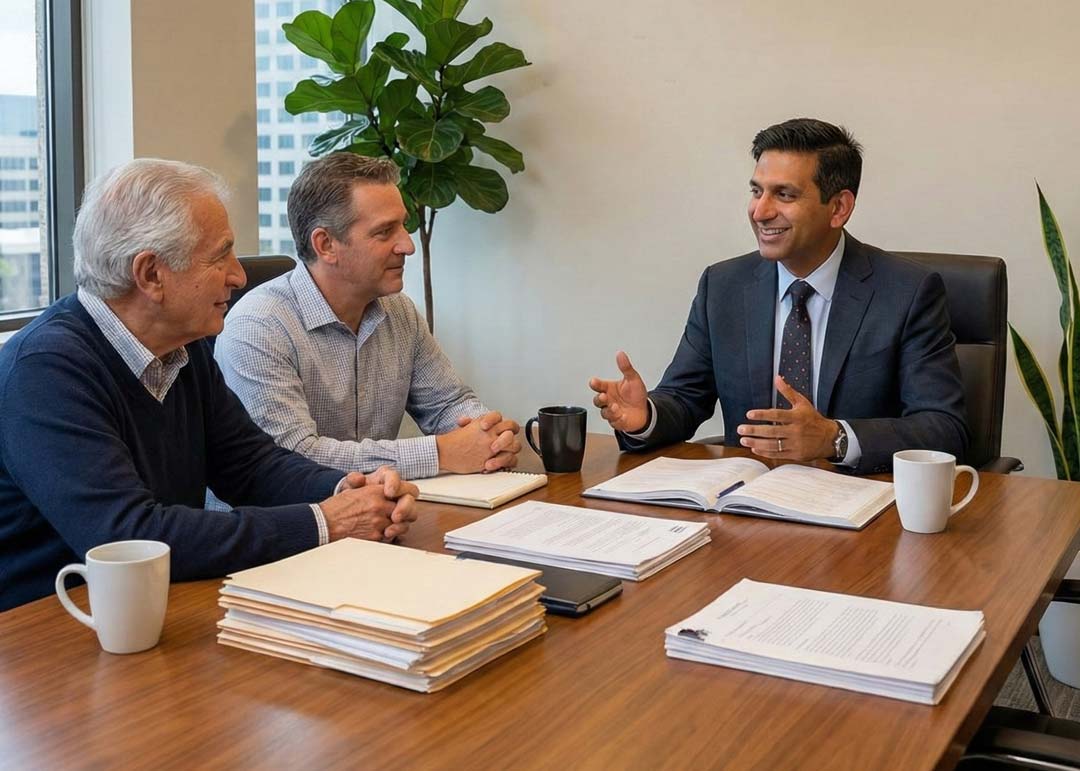
Max Alavi, Attorney at Law in Long Beach has distinguished itself as a trusted leader in Probate And Trust Administration, while delivering comprehensive solutions for all estate-related legal needs. With a history rooted in a commitment to excellence and personal integrity, the firm is guided by Max Alavi’s extensive expertise in complex trust and probate matters. The team’s collaborative approach ensures every client receives tailored advice and effective strategies grounded in years of experience and a passion for protecting beneficiaries' and trustees' interests. As detailed on the firm’s About page, Max Alavi, Attorney at Law leverages deep legal knowledge and advanced planning techniques to simplify even the most challenging cases, reflecting a tradition of outstanding advocacy and careful attention to detail.
Serving clients across Long Beach, Max Alavi, Attorney at Law stands apart for its steadfast client-centric philosophy and transparent communication. The firm values fairness, compassion, and responsiveness, taking the time to understand each client’s unique objectives and concerns—whether the matter involves routine Probate And Trust Administration or more intricate estate disputes. As highlighted on the firm’s webpage, Max Alavi’s unwavering dedication to ethical practice and his commitment to positive client outcomes have established the practice as a pillar in the community. Max Alavi, Attorney at Law continues to build lasting relationships and empower clients through clarity, knowledgeable counsel, and steadfast legal support every step of the way.
An Interesting Fact About Probate and Trust Administration in California
Many people are surprised to learn that California probate law provides for a "small estate" exemption, allowing certain estates valued under $184,500 to bypass the formal probate process altogether. In Long Beach and throughout California, heirs can use simplified affidavits to claim assets without going to court, significantly reducing both time and costs. This streamlined approach aims to ease the administrative burden on families when dealing with smaller estates.
Overview of Probate and Trust Administration Laws in Long Beach
Probate and trust administration in Long Beach are governed by California’s probate code, which sets procedures for the orderly distribution of a deceased person’s estate and the administration of trusts. As highlighted by Max Alavi, Attorney at Law, probate is the court-supervised process through which assets are identified, creditors are paid, and remaining assets are distributed according to a will or, in the absence of a will, by California’s intestate succession laws. In Long Beach, the probate process can vary in complexity depending on the size of the estate, whether a valid will exists, and if any disputes arise among heirs or beneficiaries. The court plays a significant role in overseeing this process to ensure legal compliance, from appointing executors or administrators to approving the final distribution of assets.
- California law may allow for simplified probate procedures for smaller estates, reducing time and expense for families.
- Executors and trustees must follow strict fiduciary duties under state law, including proper notice to beneficiaries, inventorying assets, and accounting for all transactions.
- Failure to comply with court processes or mismanagement can result in personal liability or removal by the court.
“The process of probate and trust administration can involve complex filings, contested matters, and strict timelines. Getting knowledgeable assistance is crucial to protecting your interests and avoiding errors.” – Insights from Max Alavi, Attorney at Law
Max Alavi, Attorney at Law brings deep expertise in guiding clients through the nuances of probate and trust administration in Long Beach. Their firm emphasizes careful compliance with all local regulations and court requirements to minimize delays and disputes. With a thorough understanding of the potential pitfalls—from tax concerns and creditor claims to disagreements among heirs—their team provides clarity and support through each step of the process. Clients working with Max Alavi benefit from personalized strategies designed to reach favorable outcomes, whether that means efficient estate administration, negotiation of contested matters, or exploring resolutions such as mediation or settlement. Their dedication ensures each matter is handled with professionalism, making a difficult process more manageable for families and fiduciaries alike.
Other Services Available
Probate Litigation |
https://www.octrustslawyer.com/probate-litigation/ |
Trustee Defense |
https://www.octrustslawyer.com/trustee-defense/ |
Inheritance Disputes |
https://www.octrustslawyer.com/inheritance-disputes/ |
Probate And Trust Administration |
https://www.octrustslawyer.com/probate-trust-administration/ |
Conservatorship |
https://www.octrustslawyer.com/conservatorships/ |
Surviving Spouse Rights |
https://www.octrustslawyer.com/surviving-spouse-rights/ |
Compassionate Guidance in Probate and Trust Administration from Max Alavi, Attorney at Law
If you need help navigating the complex process of probate and trust administration, Max Alavi, Attorney at Law, is here to provide clear and reassuring legal support. Our experienced attorneys thoroughly evaluate every aspect of your situation to ensure that your loved one’s wishes are respected and your interests are fully protected. Schedule a complimentary 30–60 minute initial consultation to discuss your needs and receive tailored guidance—simply call us today at (949) 706-1919. Let our professional team handle the details and guide you with confidence through every step of the process.
Long Beach Demographics
Long Beach, California, is a major coastal city located in Los Angeles County, with an estimated population of approximately 455,000 residents as of the mid-2020s, making it one of the largest cities in the Greater Los Angeles region. The population has experienced modest growth over the past decade, with continuing shifts reflective of broader regional trends. Key aspects of Long Beach demographics include:
- Age Distribution: The median age in Long Beach is around 35 years, with substantial representation across all age groups. About 20% of residents are under 18, and a significant proportion falls within the young adult and working-age brackets.
- Diversity: Long Beach is recognized for its ethnic and racial diversity. The population comprises approximately 42% Hispanic or Latino, 27% White (non-Hispanic), 13% African American, 13% Asian, and smaller percentages of multiracial and other backgrounds. This diversity is reflected in many cultural festivals, community events, and local institutions.
- Socioeconomic Indicators:
- Median household income in Long Beach is estimated at roughly $70,000–$75,000 per year, which aligns closely with statewide averages, though significant income variation exists between neighborhoods.
- Per capita income is approximately $35,000–$36,000.
- The poverty rate is about 14%, slightly higher than the county average and indicative of economic disparities within the city.
- Notable Trends: Recent years have seen increasing investment in downtown redevelopment, the expansion of the port and related industries, and ongoing efforts to increase affordable housing. The city maintains a strong presence of both long-term residents and a dynamic influx of newcomers, supporting a vibrant urban environment.
Long Beach Probate Court System
Probate and trust proceedings for Long Beach residents are managed by the Superior Court of California, County of Los Angeles. While Long Beach is a distinct municipality, legal cases—including those concerning estates, trusts, guardianships, and related matters—are subject to countywide administration and oversight. Key characteristics of the probate court system in Long Beach include:
- Primary Venue: The Los Angeles Superior Court – Central District (Stanley Mosk Courthouse) in downtown Los Angeles is the primary location for probate and trust administration filings and hearings applicable to Long Beach residents.
- Types of Cases Handled:
- Probate of wills and administration of decedents’ estates
- Trust administration and litigation
- Guardianship and conservatorship matters
- Petitions for compromise of minors’ claims
- Elder and dependent adult abuse restraining orders
- Will and trust contests, accountings, and related fiduciary proceedings
- Unique Features:
- The Los Angeles Superior Court provides an extensive online system (“Case Access”) for case lookup, scheduling, and filing status—enabling efficient access for clients and attorneys.
- Local probate rules and procedures apply, some of which are unique to Los Angeles County, including detailed requirements on notices, filings, and court-supervised administration.
- While the Stanley Mosk Courthouse is the central hub, satellite self-help centers and filing locations are also available throughout the county for certain probate-related documents and services.
Clients in Long Beach seeking probate or trust administration should be aware that while local legal offices can assist with preparation and representation, most probate hearings and filings are centralized at the county level, specifically at the Stanley Mosk Courthouse.
Family Demographics in Long Beach
The family demographic profile of Long Beach reflects the city’s diversity and urban character. According to recent census and municipal data, the following characteristics are notable:
- Household Structure:
- Approximately 62% of Long Beach households are classified as family households, with the remaining 38% non-family (single-person, roommates, etc.).
- The average family size is about 3.4 persons, while the average overall household size is about 2.7 persons.
- Marital Status and Divorce Rates:
- A significant percentage of households are headed by married couples, but single-parent and blended family structures are also common.
- Divorce rates within Long Beach generally mirror those of Los Angeles County, where approximately 9%–10% of adults are divorced, with thousands of new filings each year through the Superior Court's Family Law division.
- Family Income and Per Capita Income:
- Median family income in Long Beach typically ranges from $80,000 to $90,000, with considerable variance by neighborhood.
- Dual-income households and multigenerational living arrangements are prevalent, reflecting both economic necessity and cultural preferences.
- School Systems:
- The Long Beach Unified School District (LBUSD) serves the majority of families in the city. LBUSD is one of the largest school districts in California, consistently recognized for its innovative programs, high graduation rates, and commitment to student achievement.
- Social Programs:
- Long Beach provides a wide array of social services, including family assistance programs, public health initiatives, housing support, after-school youth programs, and senior services. The city partners with nonprofit organizations to enhance support for vulnerable populations.
- Recreational and community centers are distributed throughout the city, offering activities for children, teens, and families of all backgrounds.
These demographic and institutional features are essential considerations for individuals and families navigating probate, trust, and related legal matters in Long Beach.
Trust Litigation
Areas We Serve
At Max Alavi, Attorney at Law, we have decades of experience in dealing with complex trust litigation matters throughout California. When you hire our legal team, you are bringing on the best and toughest litigators around to aggresively fight on your behalf.
What Our Amazing Clients Have To Say
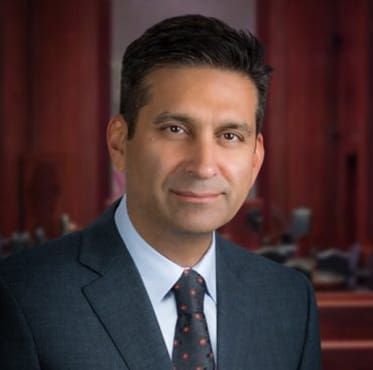


Why Clients Choose Max Alavi, APC
- Super Lawyers recognition based on peer review
- Extensive experience in California probate law
- Millions recovered in trust and probate litigation
- Strategic handling of trust and estate disputes
- Proven advocacy for surviving spouses and heirs
- Clear guidance through complex probate matters
- Outstanding dedication to every one of our clients




Let's Work Together - Tell Us Your Needs
At Max Alavi, Attorney at Law, APC, we understand the complexities of California probate law and are committed to providing solutions for trust and estate disputes. Contact us today to speak with one of our legal staff.