
Long Beach Contested Will and Trust Attorney
Top Ranked Trust & Probate Lawyers in California
5-Star Client Rating | Read Our Reviews
Long Beach Contested Will and Trust Attorneys
If you are facing the uncertain waters of a contested will or trust in Long Beach, Max Alavi, Attorney at Law is your trusted partner for experienced legal guidance. Our firm is renowned for its dedication to resolving even the most complex estate disputes with clarity, compassion, and precision. We take pride in blending extensive knowledge of probate law with personalized attention, ensuring your voice is heard and your rights are protected every step of the way.
“We believe every client deserves a resolute advocate who treats their case as a top priority.”
- Decades of focused experience in contested will and trust cases
- A proven track record of successful settlements and verdicts in Long Beach courts
- Client-centered approach—empathetic communication and tailored strategies
Our Trust Litigation Case Process

1. Case Evaluation
We begin with a full review of the trust, will, financial records, and family history. Our legal team will identify your rights, deadlines, and the best legal path before anything is filed.

2. Court Filings
The case formally begins when a probate petition or trust lawsuit is filed in California probate court, often in Orange County Superior Court. This step sets the legal issues, brings all parties into the case.

3. Discovery and Settlement
Both sides exchange documents, take depositions, and file motions to address disputes. Many trust and probate cases resolve here through settlement discussions or court ordered mediation.

4. Trial and Resolution
If no agreement is reached, the case proceeds to trial before a probate judge. After a ruling, the court orders distributions, removals of fiduciaries, or financial recovery, and we handle enforcement or appeals if needed.
Begin Your Free Case Evaluation Now
Call to schedule a free and confidential consultation with a trust litigation lawyer.

About Max Alavi, Attorney at Law
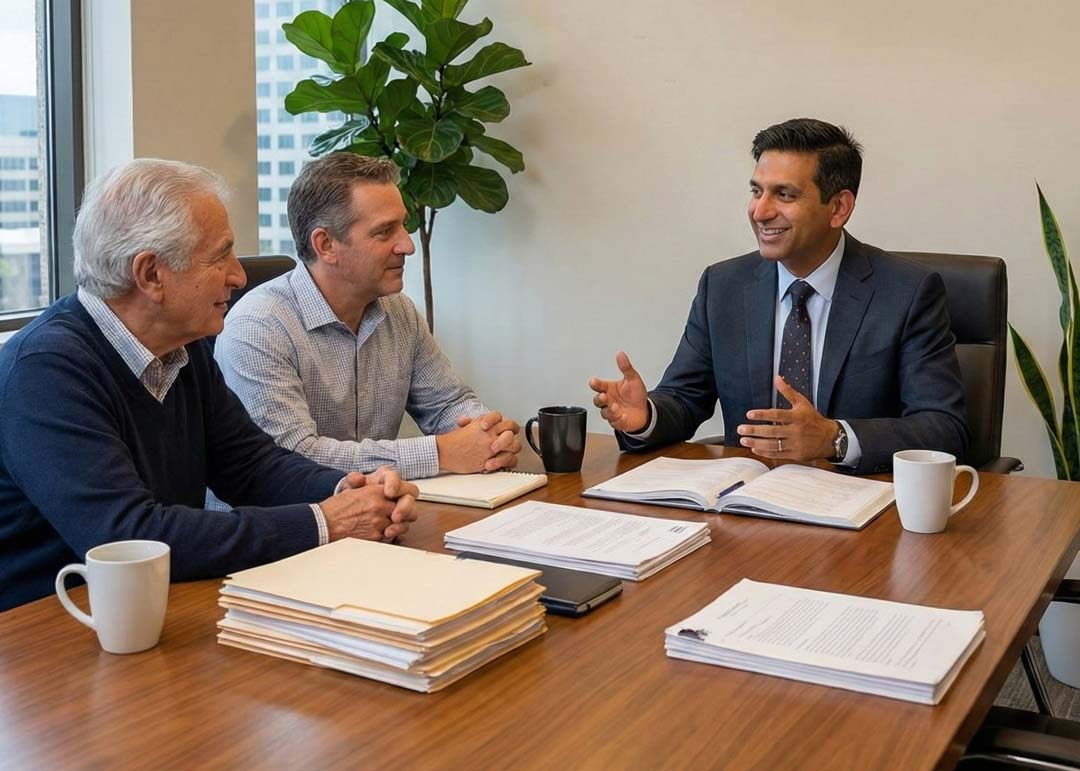
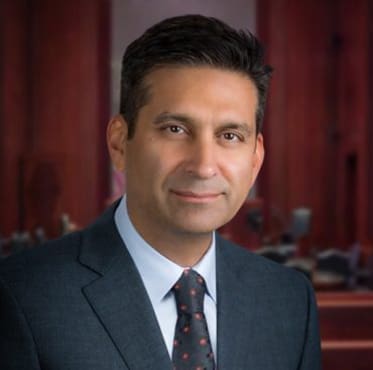
Max Alavi, Attorney at Law in Long Beach is a distinguished law firm with a dedicated focus on Contested Will and Trust matters, as well as comprehensive guidance in probate, trust administration, and estate planning. With a history of excellence dating back to its inception, the firm is led by Max Alavi, whose commitment to professional integrity and strategic advocacy has established the firm as a trusted resource within the community. The team’s collective legal acumen is matched by an approachable, compassionate manner, ensuring every client receives personalized and attentive service whether facing complex legal battles or seeking proactive legal solutions.
Situated in the vibrant city of Long Beach, Max Alavi, Attorney at Law distinguishes itself through a philosophy rooted in transparency, honesty, and unwavering support throughout the legal process. The firm’s expertise in Contested Will and Trust cases is complemented by a broad knowledge of ancillary estate and trust issues, helping families navigate sensitive transitions with confidence and peace of mind. From the first consultation, clients benefit from a collaborative, client-first approach that places their futures at the forefront. It’s this enduring dedication and unique blend of experience and empathy that make Max Alavi, Attorney at Law a leader in the Long Beach legal community.
An Interesting Fact About Contested Will and Trust in Long Beach, California
In Long Beach, California, a lesser-known but significant aspect of contested will and trust cases is the application of the “no-contest” clause. California Probate Code allows these clauses, which state that beneficiaries who unsuccessfully challenge a will or trust risk losing their inheritance. However, recent legal reforms limit their enforceability—beneficiaries can often contest a will or trust on legitimate grounds, such as fraud or undue influence, without triggering disinheritance, depending on their evidence and the specific circumstances.
Overview of Contested Will and Trust Laws in Long Beach
Contested will and trust cases in Long Beach are primarily governed by California Probate Code, which sets forth the legal standards for challenging the validity of a will or trust. Max Alavi, Attorney at Law, as detailed on the provided webpage, underscores that grounds for contesting a will or trust may include lack of capacity, undue influence, fraud, or improper execution. Local regulations and the probate court process require strict adherence to filing deadlines and evidentiary standards. The process often involves submitting a formal petition, attending court hearings, gathering supporting documentation, and potentially engaging in mediation or litigation. Understanding these local legal nuances is essential for successfully navigating a contested estate matter in Long Beach.
- Challenges must generally be filed soon after the will or trust is admitted to probate.
- The burden of proof lies on the individual contesting the document, necessitating strong supporting evidence.
- Potential resolutions include negotiated settlements, court rulings on the validity of the document, or alternative dispute resolution mechanisms.
Contesting a will or trust involves not only following specific legal procedures but also understanding how California law and Long Beach's probate court requirements can impact the process and outcome. – Max Alavi, Attorney at Law
Drawing on deep regional expertise, Max Alavi, Attorney at Law provides critical guidance for clients facing contested will and trust matters in Long Beach. Their team’s familiarity with local court practices and the intricacies of California estate law allows them to anticipate common challenges and develop tailored strategies for each case. Clients can expect comprehensive support through each phase, from the initial evaluation and evidence collection to court appearances and negotiations. By leveraging their insights into the unique aspects of Long Beach’s legal system, the firm strives to optimize outcomes—whether by securing a favorable settlement, achieving a court victory, or pursuing other effective resolutions for their clients.
Other Services Available
Trust Litigation |
https://www.octrustslawyer.com/trust-litigation |
Contested Will and Trust |
https://www.octrustslawyer.com/trust-will-contests/ |
Beneficiary Representation |
https://www.octrustslawyer.com/beneficiary-representation/ |
Trustee Removal |
https://www.octrustslawyer.com/trustee-removal-surcharge-actions/ |
Expert Guidance for Contested Will and Trust Cases from Max Alavi, Attorney at Law
If you are involved in a contested will or trust dispute, you need experienced legal support to protect your interests and secure your loved one’s legacy. At Max Alavi, Attorney at Law, our dedicated attorneys will thoroughly evaluate every detail of your case to build a strong defense on your behalf. Take the first step toward resolution by scheduling a free, 30-60 minute initial consultation—call us today at (949) 706-1919. We are here to help you through every step with professionalism and care.
Long Beach Demographics
Long Beach, California, is a major city within Los Angeles County with a population estimated at approximately 456,000 residents as of the mid-2020s. Its demographic profile reflects a complex, dynamic urban environment characterized by growth, cultural diversity, and varied socioeconomic indicators.
- Population Size & Growth: With more than 450,000 residents, Long Beach is among the largest cities in California, maintaining steady population figures over recent census periods.
- Age Distribution: The median age in Long Beach is around 35, indicating a mixed-age population. Approximately 23% of residents are under 18, while adults aged 25-44 constitute one of the largest cohorts, complemented by a significant population of seniors aged 65 and over.
- Diversity: Long Beach is recognized for its cultural and ethnic diversity:
- Hispanic or Latino: ~45%
- White (Non-Hispanic): ~27%
- Black or African American: ~12%
- Asian: ~13%
- Other races and multiracial populations are also present in smaller proportions.
- Socioeconomic Indicators:
- Median household income: Approximately $72,000–$77,000 per year, below the Los Angeles County median but reflective of the city’s wide socioeconomic range.
- Poverty rate: Approximately 15–17%, higher than some suburban communities but typical for large California cities.
- Cost of living: Elevated, driven by high housing costs; the median home price generally exceeds $700,000.
- Notable Trends:
- Increasing ethnic and linguistic diversity, with many foreign-born residents and multi-generational households.
- Significant urban renewal efforts and ongoing population shifts in neighborhoods near the waterfront and downtown core.
Long Beach Probate Court System
Probate and trust matters for Long Beach residents are handled by the Superior Court of California, County of Los Angeles. The court’s probate division oversees a variety of case types relevant to individuals and families facing estate and trust issues. Legal clients in Long Beach can expect the following structure and jurisdiction:
- Key Court Location for Probate:
- Probate cases from Long Beach are generally heard at the Stanley Mosk Courthouse in Downtown Los Angeles, which houses the dedicated Probate Division for the county.
- Certain filings and preliminary court services (document drop-off, self-help, status checks) may also be accessed at the Governor George Deukmejian Courthouse in Long Beach, particularly for ancillary matters.
- Case Types Handled:
- Will contests and trust disputes
- Probate of decedents’ estates
- Trust administration matters
- Guardianships and conservatorships
- Elder and dependent adult protections
- Minor’s compromise hearings, creditor claims, and other estate-related disputes
- Unique Features Relevant to Legal Clients:
- High-Volume Docket: Los Angeles County’s probate system is among the largest in the nation. Contested will and trust cases are heard by experienced probate judges with extensive expertise in complex, disputed matters.
- Case Management: The Probate Division utilizes an electronic filing system (eFiling) for many probate pleadings, and parties can access case information, calendaring, and filings online.
- Specialized Procedures: Contested cases—such as will challenges, trust contests, and fiduciary disputes—are governed by strict California Probate Code requirements and local court rules. These matters often involve mandatory settlement conferences, mediation requirements, and evidentiary hearings.
- Language & Self-Help Resources: Given the area’s diversity, the court offers interpreter services and self-help assistance for probate and trust matters.
Family Demographics in Long Beach
Long Beach’s household and family structure reflect metropolitan patterns, with a blend of family units, single-person households, and multiple generations under one roof. These factors have direct implications for estate planning and legal challenges in will or trust disputes.
- Family vs. Single Households:
- Of approximately 165,000 households, about 59% are family households, while the remaining 41% are non-family (single or unrelated individuals).
- One-person households account for nearly a third of all households, reflecting the city’s substantial single and senior populations.
- Average Family Size: About 3.5 persons per family household; average overall household size is around 2.7.
- Divorce Rates:
- Los Angeles County has a divorce rate in the range of 7–9 per 1,000 married individuals annually, broadly reflecting urban trends; Long Beach follows similar patterns, with a moderate frequency of dissolutions and remarriages.
- Family Income & Per Capita Income:
- Median family income: Approximately $85,000–$95,000 per year.
- Per capita income: Around $37,000 annually.
- While dual-income families are common, income inequality and cost-of-living pressures persist for many households.
- School Systems:
- The Long Beach Unified School District (LBUSD) serves most of the city, with well-regarded elementary, middle, and high schools. LBUSD is one of California’s largest districts and is recognized for its educational innovation and diverse student population.
- Numerous private and parochial schools are also available.
- Social Programs:
- Long Beach families have access to a broad range of city and county social support programs, including family services, senior assistance, youth enrichment, and community health initiatives.
- Popular programs include after-school care, subsidized childcare, family legal aid, and senior centers.
Trust Litigation
Areas We Serve
At Max Alavi, Attorney at Law, we have decades of experience in dealing with complex trust litigation matters throughout California. When you hire our legal team, you are bringing on the best and toughest litigators around to aggresively fight on your behalf.
What Our Amazing Clients Have To Say


Why Clients Choose Max Alavi, APC
- Super Lawyers recognition based on peer review
- Extensive experience in California probate law
- Millions recovered in trust and probate litigation
- Strategic handling of trust and estate disputes
- Proven advocacy for surviving spouses and heirs
- Clear guidance through complex probate matters
- Outstanding dedication to every one of our clients




Let's Work Together - Tell Us Your Needs
At Max Alavi, Attorney at Law, APC, we understand the complexities of California probate law and are committed to providing solutions for trust and estate disputes. Contact us today to speak with one of our legal staff.