
Lake Forest Trustee Defense Attorney
Top Ranked Trust & Probate Lawyers in California
5-Star Client Rating | Read Our Reviews
Lake Forest Trustee Defense Expertise
At Max Alavi, Attorney at Law, we are proud to be Lake Forest’s trusted leader in Trustee Defense. With years of in-depth experience and a proven track record, our firm is dedicated to protecting trustees’ rights and guiding them through complex legal challenges with clarity and confidence. Clients choose us for our:
- Specialized expertise in all aspects of trustee responsibilities and fiduciary duties
- Personalized attention to every case, ensuring tailored strategies for each client
- Responsive communication and transparent updates throughout each legal process
"At Max Alavi, Attorney at Law, you’re not just another case number – you’re a valued client whose interests come first every step of the way."
Whether you’re facing a dispute, need proactive counsel, or seek knowledgeable representation, Max Alavi, Attorney at Law provides the dedicated support you deserve for Trustee Defense in Lake Forest.
Our Trust Litigation Case Process

1. Case Evaluation
We begin with a full review of the trust, will, financial records, and family history. Our legal team will identify your rights, deadlines, and the best legal path before anything is filed.

2. Court Filings
The case formally begins when a probate petition or trust lawsuit is filed in California probate court, often in Orange County Superior Court. This step sets the legal issues, brings all parties into the case.

3. Discovery and Settlement
Both sides exchange documents, take depositions, and file motions to address disputes. Many trust and probate cases resolve here through settlement discussions or court ordered mediation.

4. Trial and Resolution
If no agreement is reached, the case proceeds to trial before a probate judge. After a ruling, the court orders distributions, removals of fiduciaries, or financial recovery, and we handle enforcement or appeals if needed.
Begin Your Free Case Evaluation Now
Call to schedule a free and confidential consultation with a trust litigation lawyer.


About Max Alavi, Attorney at Law
With a foundation rooted in unwavering integrity and a passion for the law, Max Alavi, Attorney at Law in Lake Forest has grown into a leading legal resource for individuals seeking guidance in complex Trustee Defense and broader estate matters. The firm was established with a clear vision: to blend deep legal knowledge with a client-centered approach that places compassion and responsiveness at the apex of every interaction. Over the years, Max Alavi, Attorney at Law has developed a celebrated reputation throughout the Lake Forest community for a steadfast commitment to excellence in trusts, estate administration, probate, and related fiduciary disputes—delivering practical solutions with personalized care.
What uniquely distinguishes Max Alavi, Attorney at Law is its dedication to fostering meaningful, long-term relationships grounded in transparency and respect. Serving clients from all walks of life in Lake Forest, the firm prioritizes open communication and collaborative strategy, ensuring that each client’s best interests remain front and center. With expertise in Trustee Defense and an expansive background that includes trusts, probate, and estate litigation, Max Alavi, Attorney at Law offers a comprehensive, tailored service experience. Their commitment to ethical advocacy, thorough due diligence, and compassionate representation sets them apart as a beacon of reliability and professionalism within the legal field.
An Interesting Fact About Trustee Defense in Lake Forest, California
A notable yet often overlooked fact about trustee defense in Lake Forest, California is that trustees are entitled to reimbursement from the trust for reasonable legal fees and costs incurred while defending themselves against unfounded claims. California law recognizes the importance of allowing trustees to perform their duties without fear of personal financial loss, thus helping ensure impartial administration. This protection, however, is contingent upon the trustee having acted in good faith within their powers as defined by the trust and state law.
Overview of Trustee Defense Laws in Lake Forest
Trustee defense in Lake Forest is centered on California’s comprehensive trust and estate laws, which govern the duties, responsibilities, and potential liabilities of trustees. As highlighted by Max Alavi, Attorney at Law, trustees are held to high fiduciary standards — they must manage trust assets prudently, act in the best interest of beneficiaries, and strictly adhere to both the terms of the trust and relevant statutes. Local regulations in Lake Forest ensure that any deviation from these duties, such as alleged mismanagement, conflicts of interest, or failure to provide proper accountings, can lead to legal disputes that may result in court intervention. The court process for trustee defense often involves mediation or litigation, where judges examine complex financial and legal matters, and can include the removal of a trustee or the imposition of financial penalties if a breach is found.
- Lake Forest trustees must comply with the California Probate Code and specific terms set forth in the trust instrument.
- Court proceedings may involve petitions for instructions, accounting demands, and claims of breach of fiduciary duty.
- Potential outcomes range from exoneration of the trustee to removal and surcharge for damages.
“Trustee defense often hinges on a clear demonstration of faithful adherence to fiduciary duties and meticulous recordkeeping.” – Insights from Max Alavi, Attorney at Law
With years of experience serving Lake Forest, Max Alavi, Attorney at Law brings valuable insight into defending trustees against legal claims. The firm’s deep familiarity with the local court system and nuanced understanding of California’s trust laws equip them to craft vigorous defenses—whether contesting allegations of misconduct or navigating complex procedural requirements. By guiding clients through every stage of the process, from pre-litigation negotiations to potential trial, Max Alavi and their team offer strategies aimed at resolution, such as mediation or settlement, to avoid drawn-out litigation when possible. Clients benefit from their tailored approach, comprehensive legal knowledge, and commitment to safeguarding the trustee’s interests under the strict framework of Lake Forest’s laws and regulations.
Other Services Available
Probate Litigation |
https://www.octrustslawyer.com/probate-litigation/ |
Trustee Defense |
https://www.octrustslawyer.com/trustee-defense/ |
Inheritance Disputes |
https://www.octrustslawyer.com/inheritance-disputes/ |
Probate And Trust Administration |
https://www.octrustslawyer.com/probate-trust-administration/ |
Conservatorship |
https://www.octrustslawyer.com/conservatorships/ |
Surviving Spouse Rights |
https://www.octrustslawyer.com/surviving-spouse-rights/ |
Skilled Trustee Defense from a Trustee Protection Attorney at Max Alavi, Attorney at Law
If you are a trustee facing legal challenges or accusations, trust Max Alavi, Attorney at Law to defend your rights and reputation. Our attorneys will thoroughly evaluate every detail of your case to build a strong defense and guide you through every step with professionalism and care. Take the first step to protecting yourself—contact us for a free 30-60 minute consultation at (949) 706-1919 today.
Lake Forest Demographics
Lake Forest, located in Orange County, California, is a suburban city experiencing steady residential and commercial growth. According to the most recent U.S. Census Bureau estimates, Lake Forest has a population of approximately 87,000 to 88,000 residents. The city features a balanced demographic profile:
- Age Distribution: The median age in Lake Forest is about 39 years, with approximately one-quarter of residents under 18 and a sizable working-age segment between 25 and 54 years.
- Ethnic and Racial Diversity: Lake Forest is home to a diverse population:
- White (non-Hispanic): ~50%
- Hispanic or Latino: ~25%
- Asian: ~15%
- African American, Pacific Islander, and multiracial: smaller percentages
- Socioeconomic Indicators:
- Median household income: Approximately $108,000–$115,000, above both state and national averages.
- Per capita income: Roughly $44,000–$47,000.
- Poverty rate: Lower than statewide average, estimated at around 6–7%.
- Trends: Lake Forest has seen consistent population growth and rising diversity, supported by ongoing residential developments and increasing economic opportunities, especially in technology, healthcare, and professional sectors.
Lake Forest Probate Court System
Lake Forest residents access probate and trust legal matters through the Superior Court of California, County of Orange. The Orange County Superior Court, with jurisdiction over all cities in the county, handles comprehensive probate and trust matters from its centralized locations:
- Key Court: Probate and trust cases are adjudicated primarily at the Central Justice Center in Santa Ana.
- Types of Cases Handled:
- Estate administration
- Probate of wills
- Trust administration and disputes (including trustee defense cases)
- Guardianships and conservatorships
- Powers of attorney, elder abuse restraining orders, and related matters
- Case Features:
- Dedicated probate division staffed by specialized judicial officers and clerks
- Mandatory filing requirements, notice procedures, and hearings as governed by the California Probate Code and local rules
- Online case access, calendar information, and public docket search to track proceedings
- Alternative dispute resolution (ADR) options in selected disputes
- Unique Considerations:
- All probate and trust disputes for Lake Forest, including trustee defense cases, are subject to Orange County local rules and judicial assignment at the Santa Ana courthouse.
- Clerical and self-help services available for general public and legal professionals
Family Demographics in Lake Forest
Lake Forest is characterized by an emphasis on families and stable residential communities. Key family demographic data include:
- Household Composition:
- Family households constitute over 70% of all households in the city, illustrating a robust family orientation.
- Average household size is approximately 2.9 persons; family households frequently include two or more children.
- Single-person or non-family households make up less than one-third of local households.
- Divorce Rates: While city-specific divorce rates are not published, Orange County overall reports moderate divorce activity, reflecting both settlement and litigation-based dissolutions, consistent with suburban Southern California trends.
- Family and Per Capita Income:
- Median family incomes exceed $120,000, reflecting dual-earner and professional household prevalence.
- Per capita income in Lake Forest aligns with upper Orange County benchmarks.
- Education and School Systems:
- Lake Forest is primarily served by the Saddleback Valley Unified School District and the El Toro Unified School District, offering well-regarded elementary, middle, and high schools.
- High graduation rates and strong academic performance are notable features.
- Social Programs and Community Services:
- Lake Forest families benefit from a variety of city-sponsored recreational programs, after-school activities, youth sports, and senior support services.
- Community centers provide legal aid, mental health counseling, and financial planning services in collaboration with county and nonprofit agencies.
- Resources are available for families navigating divorce, guardianships, and other legal challenges, offered through local public and private initiatives.
Trust Litigation
Areas We Serve
At Max Alavi, Attorney at Law, we have decades of experience in dealing with complex trust litigation matters throughout California. When you hire our legal team, you are bringing on the best and toughest litigators around to aggresively fight on your behalf.
What Our Amazing Clients Have To Say
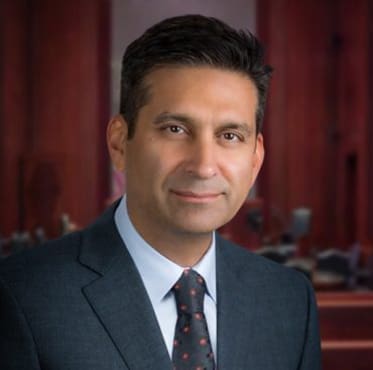


Why Clients Choose Max Alavi, APC
- Super Lawyers recognition based on peer review
- Extensive experience in California probate law
- Millions recovered in trust and probate litigation
- Strategic handling of trust and estate disputes
- Proven advocacy for surviving spouses and heirs
- Clear guidance through complex probate matters
- Outstanding dedication to every one of our clients




Let's Work Together - Tell Us Your Needs
At Max Alavi, Attorney at Law, APC, we understand the complexities of California probate law and are committed to providing solutions for trust and estate disputes. Contact us today to speak with one of our legal staff.