
Lake Forest Surviving Spouse Rights Attorney
Top Ranked Trust & Probate Lawyers in California
5-Star Client Rating | Read Our Reviews
Lake Forest Surviving Spouse Rights Attorneys
At Max Alavi, Attorney at Law, we provide compassionate and expert legal guidance for clients dealing with Surviving Spouse Rights in Lake Forest. Our firm stands apart thanks to our deep knowledge of California probate laws, dedication to personalized service, and proven track record protecting the rights of surviving spouses. We understand the complexities and emotional sensitivity surrounding these matters, ensuring that you receive not only skilled legal representation but also unwavering support every step of the way.
Let our experience and care safeguard your interests, assets, and peace of mind after the loss of a loved one.
- Decades of experience in Surviving Spouse Rights cases
- Local knowledge and strong community ties in Lake Forest
- Personalized and responsive service tailored to each client’s needs
Choosing Max Alavi, Attorney at Law means partnering with a team that truly values your well-being and works tirelessly for the best possible outcome. Trust us to advocate for your rights with integrity and commitment in every aspect of your Surviving Spouse Rights case in Lake Forest.
Our Trust Litigation Case Process

1. Case Evaluation
We begin with a full review of the trust, will, financial records, and family history. Our legal team will identify your rights, deadlines, and the best legal path before anything is filed.

2. Court Filings
The case formally begins when a probate petition or trust lawsuit is filed in California probate court, often in Orange County Superior Court. This step sets the legal issues, brings all parties into the case.

3. Discovery and Settlement
Both sides exchange documents, take depositions, and file motions to address disputes. Many trust and probate cases resolve here through settlement discussions or court ordered mediation.

4. Trial and Resolution
If no agreement is reached, the case proceeds to trial before a probate judge. After a ruling, the court orders distributions, removals of fiduciaries, or financial recovery, and we handle enforcement or appeals if needed.
Begin Your Free Case Evaluation Now
Call to schedule a free and confidential consultation with a trust litigation lawyer.


About Max Alavi, Attorney at Law
Max Alavi, Attorney at Law in Lake Forest is a distinguished law firm led by Max Alavi, who brings decades of experience addressing vital legal needs with precision and compassion. While the firm is especially recognized for its proficiency in Surviving Spouse Rights, its breadth of practice encompasses comprehensive trust and estate-related matters, ensuring clients receive holistic solutions tailored to their unique family and financial circumstances. Established with a mission to provide responsive and trustworthy counsel, Max Alavi, Attorney at Law has proudly built a legacy marked by successful courtroom advocacy and meticulous estate planning, honoring the goals and values of every individual and family it serves.
Serving the Lake Forest community and the greater region, Max Alavi, Attorney at Law distinguishes itself through its steadfast client-centered philosophy, approachable legal guidance, and unwavering ethical standards. The firm’s distinct commitment to accessibility means clients always benefit from clear, direct communication throughout every stage of their case—whether navigating Surviving Spouse Rights issues or broader estate administration concerns. By leveraging a blend of deep legal expertise and genuine care, Max Alavi, Attorney at Law continues to earn the trust of clients, providing reliable advocacy and peace of mind when safeguarding their most important interests.
An Interesting Fact About Surviving Spouse Rights in California
In California, a surviving spouse may have the right to assert a “probate homestead,” which allows them to remain in the couple’s primary residence even if the home is subject to probate or creditor claims. This lesser-known provision ensures that the spouse has stable housing during estate administration. Notably, this right is distinct from community property laws and can provide valuable security, especially when there is uncertainty about estate distribution or potential disputes among heirs.
Overview of Surviving Spouse Rights in Lake Forest
Surviving spouse rights in Lake Forest are governed by a robust framework of California state laws, designed to protect spouses upon the death of a partner. According to insights from Max Alavi, Attorney at Law, these rights often include automatic entitlements such as community property claims, protection from disinheritance, and allowances for a family residence and support. Local regulations in Lake Forest, in line with California statutes, ensure that a surviving spouse may claim their share of the estate, even if the decedent’s will or trust attempts to limit their inheritance. Understanding the nuances of how probate and estate administration work in local courts is critical for surviving spouses seeking to safeguard their rights, especially when navigating the complexities of spousal property petitions or possible disputes.
- Surviving spouses may have claims to all community property and a portion of separate property, regardless of the will’s content.
- The court process may involve probate or trust administration, where the surviving spouse’s rights are formally determined and enforced.
- Potential penalties for contesting a will without grounds could include bearing court costs or even losing certain entitlements, making skilled legal guidance essential.
"Early intervention and guidance from experienced estate attorneys can make a significant difference in outcomes for surviving spouses, especially when family dynamics or ambiguous estate documents create uncertainty." – Max Alavi, Attorney at Law
Drawing upon deep experience with estate planning in Lake Forest, Max Alavi, Attorney at Law offers clients a thorough understanding of both the protections and processes surrounding surviving spouse rights. The firm’s expertise spans navigating local probate courts, filing spousal property petitions, and negotiating settlements when conflicts arise between heirs. Their insights on local procedures and potential resolutions—whether involving litigation, mediation, or amicable agreements—enable surviving spouses to make informed decisions and secure their legal entitlements with confidence. By leveraging a detailed grasp of both statutory protections and practical court protocols, Max Alavi, Attorney at Law, supports clients as they pursue favorable outcomes during challenging times.
Other Services Available
Probate Litigation |
https://www.octrustslawyer.com/probate-litigation/ |
Trustee Defense |
https://www.octrustslawyer.com/trustee-defense/ |
Inheritance Disputes |
https://www.octrustslawyer.com/inheritance-disputes/ |
Probate And Trust Administration |
https://www.octrustslawyer.com/probate-trust-administration/ |
Conservatorship |
https://www.octrustslawyer.com/conservatorships/ |
Surviving Spouse Rights |
https://www.octrustslawyer.com/surviving-spouse-rights/ |
Compassionate Support with Surviving Spouse Rights from Max Alavi, Attorney at Law
If you are facing challenges regarding your rights as a surviving spouse, turn to the experienced team at Max Alavi, Attorney at Law for the guidance you deserve. Our attorneys will thoroughly evaluate every detail of your situation and work diligently to protect your interests. Schedule a free 30–60 minute consultation to discuss your options and find peace of mind during this important time. For compassionate and skilled legal support, call us now at (949) 706-1919.
Lake Forest Demographics
Lake Forest, California, is a thriving city located in the heart of Orange County, with an estimated population of approximately 86,000 as of the mid-2020s, according to U.S. Census Bureau data. The city's population has steadily increased over the past decade, primarily due to ongoing residential and commercial development. Key demographic features of Lake Forest include:
- Age Distribution: The median age in Lake Forest is approximately 39 years. The city exhibits a balanced profile:
- Roughly 22% of residents are under the age of 18
- About 13% are aged 65 or older
- The majority fall within the working-age bracket (25–64 years)
- Diversity: Lake Forest is ethnically and culturally diverse:
- White (Non-Hispanic): ~48%
- Hispanic or Latino: ~25%
- Asian: ~20%
- Other races and multiracial individuals: the remainder
- Socioeconomic Indicators:
- Median household income is estimated around $113,000, well above both the state and national averages
- Per capita income is over $47,000
- Poverty rate stands at approximately 7%–8%, lower than state-wide figures
- Home ownership rate remains high, at close to 70%
- Notable Trends:
- Continued population growth driven by new housing developments
- Increasing diversity among residents
- Consistent economic strength and low unemployment rates
Lake Forest Probate Court System
Probate and trust matters for residents of Lake Forest are handled through the Superior Court of California, County of Orange. This court system has jurisdiction over all probate, trust, and related cases in Orange County. The major features of the probate system relevant to Lake Forest residents include:
- Key Locations:
- Probate cases are generally managed at the Central Justice Center, located in Santa Ana. Some related mental health or conservatorship matters may be assigned to the appropriate division of the court.
- Clerk's offices, case filings, and public access to probate records are available in-person and through online services.
- Case Types Handled:
- Decedent’s estates: Probate of wills, intestate succession, and estate administration
- Trust proceedings: Interpretation and enforcement of trusts, appointment and removal of trustees, and trust accountings
- Guardianships & Conservatorships: Appointments, annual accountings, termination, and monitoring
- Other matters: Elder or dependent adult protections, approval of minor’s compromises, and related fiduciary actions
- Unique Features:
- The Orange County Probate Court offers an online case access system to track filings and hearing dates
- Specific rules and timeframes apply under the California Probate Code and local court rules
- Lake Forest residents are subject to county-wide procedures and benefit from access to experienced probate judges and staff familiar with a high volume of complex cases
- Surviving spouse rights, including spousal property petitions, community property claims, and elective share disputes, are routinely handled at this court
Family Demographics in Lake Forest
Lake Forest exhibits a strong family orientation, with household and community profiles reflecting a stable and prosperous population base.
- Household Composition:
- Total households: ~29,000
- Family households: approximately 73% of all households
- Non-family (single-person or unrelated adults): roughly 27%
- Family Size:
- Average household size: 2.9 persons
- Average family size: approximately 3.3 persons
- Divorce Rates:
- Divorce filings track closely with Orange County averages, where the annual dissolution rate remains above the state average
- Many residents utilize the Orange County Family Law Court for divorce, child custody, and support matters
- Family Income & Per Capita Income:
- Median family income exceeds $120,000 annually, reflecting the area’s skilled workforce and professional sectors
- Per capita income is similarly high at over $47,000, supporting high standards of living for most families
- School Systems & Social Programs:
- Lake Forest is served predominantly by the well-regarded Saddleback Valley Unified School District, which operates multiple elementary, intermediate, and high schools with a reputation for strong academic performance.
- The city supports access to a wide range of parks, recreation centers, and family-focused programming through the Lake Forest Community Services Department.
- Multiple nonprofit and government agencies offer social services, including after-school care, youth sports, parenting classes, and resource centers for family support.
Trust Litigation
Areas We Serve
At Max Alavi, Attorney at Law, we have decades of experience in dealing with complex trust litigation matters throughout California. When you hire our legal team, you are bringing on the best and toughest litigators around to aggresively fight on your behalf.
What Our Amazing Clients Have To Say
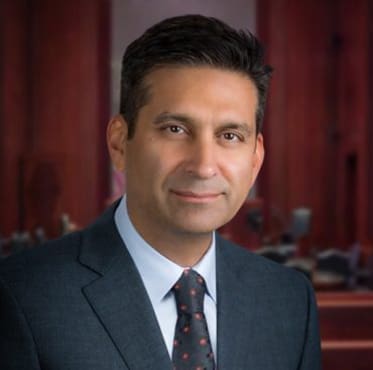


Why Clients Choose Max Alavi, APC
- Super Lawyers recognition based on peer review
- Extensive experience in California probate law
- Millions recovered in trust and probate litigation
- Strategic handling of trust and estate disputes
- Proven advocacy for surviving spouses and heirs
- Clear guidance through complex probate matters
- Outstanding dedication to every one of our clients




Let's Work Together - Tell Us Your Needs
At Max Alavi, Attorney at Law, APC, we understand the complexities of California probate law and are committed to providing solutions for trust and estate disputes. Contact us today to speak with one of our legal staff.