
Lake Forest Inheritance Disputes Attorney
Top Ranked Trust & Probate Lawyers in California
5-Star Client Rating | Read Our Reviews
Lake Forest Inheritance Disputes Attorneys
At Max Alavi, Attorney at Law, we understand the complexities and sensitivities that often arise in inheritance disputes. Serving the Lake Forest community, our team is renowned for its in-depth knowledge of inheritance law and a compassionate, client-centered approach. Whether you are contesting a will, facing trust litigation, or navigating the administration of an estate, our firm provides clear guidance and relentless advocacy every step of the way.
“Our years of experience and commitment to personalized service make us the trusted choice for inheritance dispute resolution in Lake Forest.”
- Extensive expertise in all types of inheritance disputes
- Proven success in both mediation and courtroom litigation
- Clear, communicative, and supportive client service
- Deep roots and understanding of Lake Forest’s legal landscape
Our Trust Litigation Case Process

1. Case Evaluation
We begin with a full review of the trust, will, financial records, and family history. Our legal team will identify your rights, deadlines, and the best legal path before anything is filed.

2. Court Filings
The case formally begins when a probate petition or trust lawsuit is filed in California probate court, often in Orange County Superior Court. This step sets the legal issues, brings all parties into the case.

3. Discovery and Settlement
Both sides exchange documents, take depositions, and file motions to address disputes. Many trust and probate cases resolve here through settlement discussions or court ordered mediation.

4. Trial and Resolution
If no agreement is reached, the case proceeds to trial before a probate judge. After a ruling, the court orders distributions, removals of fiduciaries, or financial recovery, and we handle enforcement or appeals if needed.
Begin Your Free Case Evaluation Now
Call to schedule a free and confidential consultation with a trust litigation lawyer.


About Max Alavi, Attorney at Law
Max Alavi, Attorney at Law in Lake Forest is distinguished by its commitment to excellence and a robust reputation in the legal sphere, particularly in the realm of Inheritance Disputes. Since its establishment, the firm has played a significant role in supporting clients with complex trust and probate matters, wills, and comprehensive estate planning. At the core of its practice is an unwavering dedication to integrity, transparency, and client advocacy—values that are deeply embedded in the firm's culture and daily operations. The seasoned attorneys at Max Alavi, Attorney at Law utilize a meticulous, strategic approach, leveraging decades of combined experience to deliver results-driven solutions for every client.
Operating from Lake Forest, Max Alavi, Attorney at Law is committed to guiding clients through sensitive legal matters with compassion and personalized care. The firm’s legacy is rooted in strong ethical standards and a unique, holistic perspective that places an emphasis on both legal expertise and genuine client support. Whether handling straightforward estate administration or fiercely contested Inheritance Disputes, Max Alavi, Attorney at Law consistently upholds a tradition of providing trusted legal counsel and attentive service. This dedication to effective representation and enduring client relationships continues to set the firm apart in Southern California’s legal community.
An Interesting Fact About Inheritance Disputes in Lake Forest, California
A lesser-known but important aspect of inheritance disputes in Lake Forest, California is the existence of “no-contest clauses” in wills and trusts. While many believe these clauses always prevent beneficiaries from challenging an estate plan, California law allows certain exceptions. If someone contests a will or trust based on probable cause—such as allegations of forgery or undue influence—the no-contest clause may not be enforced. This provides a safeguard for contesting genuinely questionable estate documents.
Overview of Inheritance Dispute Laws in Lake Forest
Inheritance disputes in Lake Forest are governed by California’s Probate Code, which outlines the rules and procedures for resolving disagreements over wills, trusts, and estate distributions. According to insights from Max Alavi, Attorney at Law, these disputes often arise from conflicting interpretations of testamentary intent, contested validity of estate documents, or suspected undue influence over the decedent. Lake Forest courts follow a structured process for these cases, typically beginning with a petition in probate court, followed by discovery, hearings, mediation efforts, and, if necessary, trial. Key local regulations mandate strict deadlines, and parties must file contest petitions within prescribed timeframes to preserve their claims. The expertise of a seasoned legal advocate is crucial for navigating these requirements and ensuring that each procedural step is properly handled.
- Common grounds for inheritance disputes include allegations of fraud, lack of capacity, and ambiguous trust or will provisions.
- Potential penalties or consequences may include the invalidation of a testamentary document or the reallocation of estate assets among beneficiaries.
- Court-ordered mediation is frequently used in Lake Forest to encourage amicable resolutions before a full trial is necessary.
"Successful resolution of inheritance disputes in Lake Forest often depends on strategic advocacy and a comprehensive understanding of court procedures and local law." – Insights from Max Alavi, Attorney at Law
With extensive experience in both estate planning and litigation, Max Alavi, Attorney at Law brings deep insight to inheritance disputes in Lake Forest. The firm emphasizes a proactive and detail-oriented approach, carefully reviewing the validity of estate documents and aggressively addressing any signs of undue influence or procedural errors that could jeopardize a client’s rightful inheritance. Clients benefit from the firm’s command of negotiation and litigation strategies tailored to the nuances of Lake Forest’s legal landscape, ensuring that all avenues—from settlement and mediation to trial—are thoroughly explored. The attorneys at Max Alavi’s office are dedicated to achieving the most favorable outcome possible, whether through compromise or determined courtroom representation.
Other Services Available
Probate Litigation |
https://www.octrustslawyer.com/probate-litigation/ |
Trustee Defense |
https://www.octrustslawyer.com/trustee-defense/ |
Inheritance Disputes |
https://www.octrustslawyer.com/inheritance-disputes/ |
Probate And Trust Administration |
https://www.octrustslawyer.com/probate-trust-administration/ |
Conservatorship |
https://www.octrustslawyer.com/conservatorships/ |
Surviving Spouse Rights |
https://www.octrustslawyer.com/surviving-spouse-rights/ |
Expert Guidance in Inheritance Disputes from Max Alavi, Attorney at Law
If you’re involved in an inheritance dispute, you don’t have to face it alone—our team at Max Alavi, Attorney at Law is here to support you every step of the way. We offer a free, 30-60 minute initial consultation and will thoroughly evaluate all aspects of your case to build a strong defense. Let us help you navigate these challenging situations confidently and protect your rights. Contact us at (949) 706-1919 to schedule your complimentary consultation today.
Lake Forest Demographics
Lake Forest, California is a suburban city located in the heart of South Orange County, with a mid-2020s estimated population of approximately 86,000–88,000 residents. Over the past decade, the city has experienced steady, moderate growth linked to new residential developments and an appealing quality of life. The median age of Lake Forest residents is in the late 30s, just above the Orange County average, reflecting a balanced mix of young professionals, families with children, and older adults. Key demographic features include:
- Age Distribution: Approximately 23% under 18, 60% between 18 and 64, and 17% over 65.
- Ethnic and Racial Diversity: The population is diverse, with approximately 57% White (non-Hispanic), 23% Hispanic or Latino, 14% Asian, and a blend of other backgrounds, demonstrating the city’s multicultural environment.
- Socioeconomic Indicators: Lake Forest boasts a median household income of roughly $110,000–$120,000, which is higher than national averages but broadly in line with Orange County suburbs. Per capita income is estimated at $47,000–$50,000, with poverty rates under 7%.
- Trends: Continued residential development, a growing professional workforce, and stable economic conditions contribute to sustained growth and diversity.
Lake Forest Probate Court System
Lake Forest is served by the Superior Court of California, County of Orange, which holds jurisdiction over probate and trust matters for all county residents, including those in Lake Forest. The centralized nature of Orange County’s court system means that residents interact with the county-level probate courts rather than a local city-based venue. Key details of the probate court system relevant to Lake Forest include:
- Primary Court: Probate cases are heard primarily at the Orange County Superior Court’s Central Justice Center in Santa Ana and, for some matters, the Probate/Mental Health Division at the Costa Mesa Justice Complex.
- Case Types Handled:
- Decedents’ estates (with or without wills)
- Trust administration disputes
- Conservatorships and guardianships
- Minor’s compromise hearings
- Elder and dependent adult protective proceedings
- Unique Features:
- Dedicated probate clerks and examiners assist with filings and case review.
- Electronic case filing and online case access are available for greater convenience.
- Probate notes, calendars, and tentative rulings are accessible online, supporting parties and their legal counsel.
- Inheritance Disputes: Disputes over wills, trusts, fiduciary duties, and beneficiary rights are managed under the probate court's statutory and local rules. Many cases settle via mediation or alternative dispute resolution before trial.
Lake Forest clients should be aware that probate and inheritance litigation involves adherence to specific procedural timelines and local court rules established by the Orange County Superior Court and governed by the California Probate Code.
Family Demographics in Lake Forest
Lake Forest’s community profile reflects substantial family orientation and residential stability, influenced by its suburban character and family-friendly amenities. Noteworthy features of family demographics include:
- Household Composition:
- Approximately 71% of households are family households.
- About 40% of households include children under 18.
- Average household size is 2.9 persons; average family size is about 3.3.
- Marital Status and Divorce:
- Lake Forest has a high proportion of married-couple households.
- Divorce rates are consistent with those of Orange County; thousands of dissolution cases are filed countywide annually, with many Lake Forest residents accessing the court’s family law services.
- Income Overview:
- Median family income exceeds $120,000, with many dual-income households.
- Per capita income remains above both state and national averages.
- Education and Social Programs:
- Lake Forest is served by the Saddleback Valley Unified School District and El Toro Unified School District, each known for high graduation rates and strong academic reputation.
- The city supports a range of social and recreational programs for families, including Lake Forest Family Resource Center, senior services, youth camps, and local non-profits addressing family health, safety, and wellness.
Collectively, these attributes make Lake Forest an attractive setting for families seeking stability, quality education, and supportive community programs. Understanding family demographic trends is especially relevant for individuals pursuing inheritance, probate, or family-related legal matters within the region.
Trust Litigation
Areas We Serve
At Max Alavi, Attorney at Law, we have decades of experience in dealing with complex trust litigation matters throughout California. When you hire our legal team, you are bringing on the best and toughest litigators around to aggresively fight on your behalf.
What Our Amazing Clients Have To Say
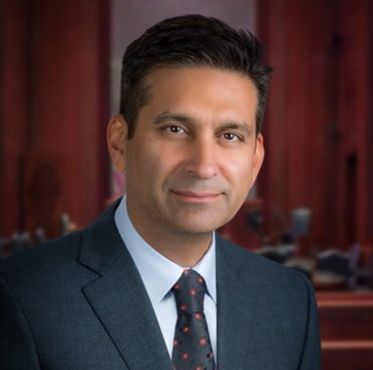


Why Clients Choose Max Alavi, APC
- Super Lawyers recognition based on peer review
- Extensive experience in California probate law
- Millions recovered in trust and probate litigation
- Strategic handling of trust and estate disputes
- Proven advocacy for surviving spouses and heirs
- Clear guidance through complex probate matters
- Outstanding dedication to every one of our clients




Let's Work Together - Tell Us Your Needs
At Max Alavi, Attorney at Law, APC, we understand the complexities of California probate law and are committed to providing solutions for trust and estate disputes. Contact us today to speak with one of our legal staff.