
Lake Forest Contested Will and Trust Attorney
Top Ranked Trust & Probate Lawyers in California
5-Star Client Rating | Read Our Reviews
Lake Forest Contested Will and Trust Attorneys
At Max Alavi, Attorney at Law, we are dedicated exclusively to helping clients in Lake Forest navigate the complexities of Contested Will and Trust cases. With years of specialized experience, our team provides strategic counsel, meticulous attention to detail, and a compassionate approach that eases the legal journey for families during challenging times. Whether you are contesting a will or trust, or defending against a contest, our commitment ensures your interests are protected every step of the way.
Why Choose Max Alavi, Attorney at Law?
- Proven success in complex Contested Will and Trust matters in Lake Forest
- Personalized strategies tailored to your unique circumstances
- Dedicated communication and exceptional client service
Our Trust Litigation Case Process

1. Case Evaluation
We begin with a full review of the trust, will, financial records, and family history. Our legal team will identify your rights, deadlines, and the best legal path before anything is filed.

2. Court Filings
The case formally begins when a probate petition or trust lawsuit is filed in California probate court, often in Orange County Superior Court. This step sets the legal issues, brings all parties into the case.

3. Discovery and Settlement
Both sides exchange documents, take depositions, and file motions to address disputes. Many trust and probate cases resolve here through settlement discussions or court ordered mediation.

4. Trial and Resolution
If no agreement is reached, the case proceeds to trial before a probate judge. After a ruling, the court orders distributions, removals of fiduciaries, or financial recovery, and we handle enforcement or appeals if needed.
Begin Your Free Case Evaluation Now
Call to schedule a free and confidential consultation with a trust litigation lawyer.


About Max Alavi, Attorney at Law
With a proud heritage of legal excellence, Max Alavi, Attorney at Law in Lake Forest has become known for its integrity, compassion, and results-oriented approach to client advocacy. The firm, while recognized for its extensive expertise in Contested Will and Trust matters, offers a comprehensive suite of estate law services including probate, estate administration, and litigation. Since its establishment, Max Alavi, Attorney at Law has remained steadfast in championing clients' interests, guided by thorough attention to detail and a passionate commitment to protecting families and their legacies.
Located in the vibrant community of Lake Forest, Max Alavi, Attorney at Law distinguishes itself through a client-first philosophy rooted in trust, transparency, and ethical advocacy. The firm leverages years of specialized experience in Contested Will and Trust cases, combined with a modern understanding of California trust and probate laws. Every client is met with individualized strategies and clear communication, demonstrating the firm’s unique dedication to integrity and responsiveness. By blending legal knowledge with genuine care, Max Alavi, Attorney at Law continues to build lasting relationships and deliver peace of mind for those facing even the most challenging estate disputes.
An Interesting Fact About Contested Will and Trust in Lake Forest, California
A lesser-known but significant aspect of contested will and trust cases in Lake Forest, California, is the strict statute of limitations that applies. California law generally allows beneficiaries or interested parties only 120 days from receiving notice of probate to contest a will and a similarly short window to challenge a trust. Missing this deadline often permanently bars claims, regardless of their merit, making timely action essential for anyone involved in California will or trust disputes.
Overview of Contested Will and Trust Laws in Lake Forest
Contesting a will or trust in Lake Forest is governed by California Probate Code, which outlines specific grounds and procedures for individuals who believe they have standing to dispute an estate plan. Based on insights from Max Alavi, Attorney at Law, grounds for contest can include undue influence, lack of mental capacity, fraud, and improper execution of the will or trust instrument. Individuals initiating a contest must act within defined statutory deadlines, typically by filing objections during probate proceedings. Local regulations require that contests be supported by admissible evidence, and the burden is often on the contestant to prove their case. The court process in Lake Forest involves formal petitions, hearings before a probate judge, and potentially mediation or settlement conferences if the parties wish to resolve disputes outside of a full trial.
- Probate courts in Lake Forest strictly enforce deadlines for filing will or trust contests.
- Potential penalties for unsuccessful contests can include the loss of inheritance, especially if the will contains a "no contest" clause.
- Resolutions may involve negotiated settlements, court-ordered distribution changes, or the validation or invalidation of challenged estate documents.
"Each case of will or trust contest is unique, and success depends on thorough evaluation of document validity, mental competency of the decedent, and potential evidence of coercion." – Expertise shared by Max Alavi, Attorney at Law
Max Alavi, Attorney at Law, brings substantial knowledge of contested will and trust litigation in the Lake Forest area, effectively guiding clients through complex legal requirements and local court practices. The firm's approach emphasizes careful scrutiny of all aspects involved—from reviewing estate documentation and gathering supporting evidence, to presenting compelling arguments in court or during mediation. With a detailed understanding of local regulations and the probate court’s expectations, Max Alavi, Attorney at Law, is adept at managing not only the technical process but also the emotional and financial stakes involved. Clients can rely on the firm's experience and insight to advocate for favorable outcomes, whether through litigation or alternative dispute resolution.
Other Services Available
Trust Litigation |
https://www.octrustslawyer.com/trust-litigation |
Contested Will and Trust |
https://www.octrustslawyer.com/trust-will-contests/ |
Beneficiary Representation |
https://www.octrustslawyer.com/beneficiary-representation/ |
Trustee Removal |
https://www.octrustslawyer.com/trustee-removal-surcharge-actions/ |
Skilled Representation for Contested Will and Trust Matters with Max Alavi, Attorney at Law
Are you facing a dispute over a will or trust? Our experienced attorneys at Max Alavi, Attorney at Law, are here to help you confidently navigate contested will and trust cases. We offer a free initial consultation (30-60 minutes) to discuss your unique situation and carefully evaluate every detail, ensuring we build the strongest possible defense. For compassionate, professional support, contact us at (949) 706-1919 today.
Lake Forest Demographics
Lake Forest, California is a suburban city situated in the heart of Orange County, with an estimated population of approximately 85,000 to 88,000 residents as of the mid‑2020s. The city continues to see steady growth due to its amenable quality of life, proximity to employment centers, and ongoing housing developments. The median age in Lake Forest hovers in the late 30s, slightly higher than some neighboring cities, reflecting a mature residential base with a substantial proportion of working-age adults and families.
- Population Size: ~85,000–88,000 residents
- Age Distribution:
- Youth (under 18): Approximately 22%
- Adults (18–64): Roughly 63%
- Seniors (65+): About 15%
- Diversity: Lake Forest exhibits notable ethnic and cultural diversity. The majority of residents identify as White or Asian, with significant Hispanic or Latino and smaller African American and multicultural populations, contributing to a rich community fabric.
- Socioeconomic Indicators:
- Median household income: Estimated between $110,000 and $115,000, positioning the city above both California and national averages.
- Per capita income: Above $45,000, indicative of the area's professional workforce.
- Poverty rate: Generally below 7%, reflecting relative economic stability.
- Trends: Recent years have seen moderate population growth, increased housing development (including both single-family homes and multi-unit residences), and continued diversification of the resident base.
Lake Forest Probate Court System
The City of Lake Forest does not maintain its own municipal court system for probate matters. Instead, all probate and trust cases—including those involving contested wills and trusts—are administered by the Superior Court of California, County of Orange. This court holds exclusive jurisdiction over probate proceedings affecting Lake Forest residents.
- Key Court: Orange County Superior Court, primarily at the Central Justice Center in Santa Ana and the Probate/Mental Health Division at the Costa Mesa Justice Complex.
- Case Types Handled:
- Contested and uncontested probate of wills and estate administration
- Disputes and administration involving trusts
- Guardianships and conservatorships
- Minor’s compromise hearings
- Protection for elder or dependent adults
- Unique Features:
- All filings, petitions, and hearings concerning contested wills and trusts from Lake Forest are processed under county-wide Orange County rules and procedures.
- Public access to online dockets, filing calendars, and case information is available to attorneys and parties, supporting efficient case tracking.
- Mandatory local forms, noticing requirements, and case management procedures are enforced as per the Orange County Superior Court’s local rules and the California Probate Code.
- For contested matters—such as will challenges, trust disputes, and fiduciary litigation—personal appearances may be required, and many proceedings are subject to mandatory settlement processes or mediation at the court’s discretion.
Lake Forest parties seeking legal assistance with contested wills and trusts must file and appear in the designated Orange County probate venues, and should be mindful of local court rules, statutory timelines, and evidentiary requirements governing these complex matters.
Family Demographics in Lake Forest
Lake Forest is recognized for its strong family orientation, with household and income characteristics reflecting a stable, predominantly residential community.
- Household Composition:
- Approximately 70% of households are family households
- About 30% are non-family households or single occupants
- Average household size: approximately 2.9 persons
- Higher proportion of married-couple families and households with children under 18
- Family Size: Average family size is approximately 3.2 persons.
- Divorce Rate: Divorce rates for Lake Forest are consistent with regional Orange County figures. The city sees thousands of dissolutions and family court proceedings each year, with rates mirroring statewide averages for mid-sized California suburbs.
- Income:
- Median family income is typically higher than the overall city median, with dual-income households common.
- Per capita income remains above nationwide benchmarks due to the concentration of professional, technical, and managerial professions.
- School Systems & Programs:
- Lake Forest is primarily served by the Saddleback Valley Unified School District and the El Toro Unified School District, both of which provide access to highly rated elementary, middle, and high schools.
- The area includes several award-winning public and private schools, with high graduation rates and advanced academic programs.
- The city supports a range of social services and youth-oriented programs, including after-school programs, community recreation, and family support initiatives administered through Lake Forest Community Services and allied agencies.
Trust Litigation
Areas We Serve
At Max Alavi, Attorney at Law, we have decades of experience in dealing with complex trust litigation matters throughout California. When you hire our legal team, you are bringing on the best and toughest litigators around to aggresively fight on your behalf.
What Our Amazing Clients Have To Say
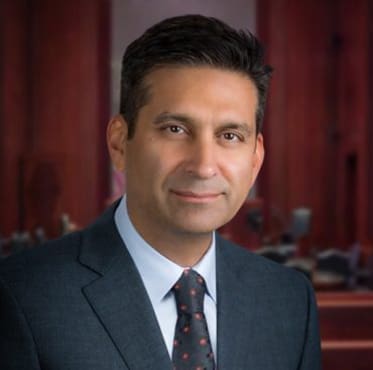


Why Clients Choose Max Alavi, APC
- Super Lawyers recognition based on peer review
- Extensive experience in California probate law
- Millions recovered in trust and probate litigation
- Strategic handling of trust and estate disputes
- Proven advocacy for surviving spouses and heirs
- Clear guidance through complex probate matters
- Outstanding dedication to every one of our clients




Let's Work Together - Tell Us Your Needs
At Max Alavi, Attorney at Law, APC, we understand the complexities of California probate law and are committed to providing solutions for trust and estate disputes. Contact us today to speak with one of our legal staff.