
Lake Forest Beneficiary Representation Attorney
Top Ranked Trust & Probate Lawyers in California
5-Star Client Rating | Read Our Reviews
Lake Forest Beneficiary Representation Services
At Max Alavi, Attorney at Law in Lake Forest, we provide exceptional Beneficiary Representation with a personalized, client-focused approach. Our seasoned legal team understands the unique complexities beneficiaries face, and we are dedicated to protecting your rights and advancing your interests with clarity and compassion. Clients choose us for our years of hands-on experience, in-depth knowledge of trust and estate law, and our unwavering commitment to responsive support throughout every stage of the process.
Why trust Max Alavi, Attorney at Law for Beneficiary Representation in Lake Forest?
- Proven experience handling complex beneficiary disputes and claims
- Direct communication and transparency at every phase
- Tailored strategies that prioritize your financial well-being and peace of mind
When you need a skilled partner to navigate beneficiary matters in Lake Forest, Max Alavi, Attorney at Law is here to advocate for your best interests and deliver the results you deserve.
Our Trust Litigation Case Process

1. Case Evaluation
We begin with a full review of the trust, will, financial records, and family history. Our legal team will identify your rights, deadlines, and the best legal path before anything is filed.

2. Court Filings
The case formally begins when a probate petition or trust lawsuit is filed in California probate court, often in Orange County Superior Court. This step sets the legal issues, brings all parties into the case.

3. Discovery and Settlement
Both sides exchange documents, take depositions, and file motions to address disputes. Many trust and probate cases resolve here through settlement discussions or court ordered mediation.

4. Trial and Resolution
If no agreement is reached, the case proceeds to trial before a probate judge. After a ruling, the court orders distributions, removals of fiduciaries, or financial recovery, and we handle enforcement or appeals if needed.
Begin Your Free Case Evaluation Now
Call to schedule a free and confidential consultation with a trust litigation lawyer.


About Max Alavi, Attorney at Law
Max Alavi, Attorney at Law, based in Lake Forest, has established itself as a premier destination for effective and compassionate legal counsel. With a distinguished specialization in Beneficiary Representation, the firm draws on substantial experience across a broad spectrum of trust and estate matters. Since its founding, Max Alavi, Attorney at Law has upheld a tradition of integrity, personalized attention, and measured legal guidance—qualities that have enabled the firm to protect family legacies and ensure peace of mind for clients navigating complex legal concerns. The firm’s history is built on a steadfast commitment to ethical standards and the belief that each client deserves focused, expert advocacy.
Rooted in the vibrant community of Lake Forest, Max Alavi, Attorney at Law is defined by its client-centered philosophy and dedication to achieving optimal outcomes. The firm excels in Beneficiary Representation, but its services extend to all facets of trust and probate law. Unique among area firms, Max Alavi, Attorney at Law emphasizes clear communication, unwavering respect for client values, and transparency throughout the legal process. Their team ensures each client receives tailored strategies, practical solutions, and robust representation, reflecting the steadfast core values that continue to distinguish their practice in the region.
An Interesting Fact About Beneficiary Representation in Lake Forest
A lesser-known aspect of beneficiary representation under California law, particularly relevant in Lake Forest, is that beneficiaries have the right to demand a full and detailed accounting from trustees managing trusts or estates. California Probate Code requires trustees to provide this comprehensive financial report, ensuring transparency. If the trustee fails, beneficiaries can petition the local Lake Forest court to compel compliance, which reinforces their power to protect their interests and keep the estate’s administration transparent and accountable.
Overview of Beneficiary Representation Laws in Lake Forest
Beneficiary representation in Lake Forest is shaped by complex California estate planning laws, which aim to protect the interests of those entitled to inherit from a trust or estate. According to Max Alavi, Attorney at Law, beneficiaries often face legal challenges related to trust administration, disputes over asset distribution, and the interpretation of will and trust documents. The local statutes require trustees and executors to fulfill fiduciary duties, acting in good faith and with transparency. Court processes in Lake Forest begin when there is a dispute, typically involving filing petitions, presenting claims in probate court, and, if necessary, participating in hearings or mediations to resolve issues around the management and distribution of assets.
- California law mandates trustees provide regular accountings to beneficiaries and maintain open communication regarding estate status.
- Common conflicts involve questions about trust validity, perceived mismanagement by a trustee, or disagreements over asset valuation and allocation.
- Potential court resolutions range from negotiated settlements and mediation agreements to judicial removal of trustees or modification of trust terms.
"Beneficiaries are entitled to enforce their rights and demand accountability, and experienced legal counsel can be crucial in holding trustees or administrators responsible.” – Insights from Max Alavi, Attorney at Law
With a deep familiarity with Lake Forest estate law, Max Alavi, Attorney at Law provides skilled guidance for beneficiaries navigating the legal landscape. Their expertise encompasses evaluating trustees’ compliance, initiating or defending against legal actions, and ensuring clients receive their rightful inheritance within the bounds of local regulations. By leveraging a sophisticated understanding of both court procedures and the nuances of California estate law, the firm works to resolve disputes efficiently, whether through advocacy in court or negotiation outside of it. Clients benefit from their proactive strategies, which focus on protecting beneficiary rights and achieving equitable resolutions tailored to each unique situation.
Other Services Available
Trust Litigation |
https://www.octrustslawyer.com/trust-litigation |
Contested Will and Trust |
https://www.octrustslawyer.com/trust-will-contests/ |
Beneficiary Representation |
https://www.octrustslawyer.com/beneficiary-representation/ |
Trustee Removal |
https://www.octrustslawyer.com/trustee-removal-surcharge-actions/ |
Dedicated Beneficiary Representation from Orange County Trust Attorneys at Max Alavi, Attorney at Law
If you are a beneficiary facing disputes over a trust or estate, our experienced legal team is here to fiercely protect your interests. The attorneys at Max Alavi, Attorney at Law will thoroughly evaluate every detail of your situation to build a strong, strategic defense on your behalf. We understand what’s at stake and are committed to providing the supportive, expert guidance you deserve. Contact us today for a free, 30-60 minute consultation by calling (949) 706-1919.
Lake Forest Demographics
Lake Forest, California is a suburban city situated in South Orange County with an estimated population of approximately 85,000–87,000 residents by the mid-2020s. The city has experienced steady population growth in recent decades due to ongoing residential development and its appeal as a family-oriented community. Key features of the city’s demographics include:
- Population Size: Approximately 85,000–87,000 residents according to recent U.S. Census Bureau data.
- Age Distribution: The median age in Lake Forest is in the mid- to late-30s, reflecting a balanced mix of young families, working-age adults, and a sizable segment of older residents.
- Diversity: Lake Forest exhibits considerable ethnic diversity. Major racial and ethnic groups include White, Hispanic or Latino, and Asian populations, with smaller representations from African American, Native American, and multiracial groups.
- Socioeconomic Indicators:
- Median household income is notably higher than the national average, estimated between $110,000–$120,000 annually.
- Per capita income levels exceed $45,000.
- Poverty rates remain significantly below both state and national averages, indicative of overall economic stability among residents.
- Notable Trends: The city continues to attract young professionals and growing families, with strong local employment in sectors such as education, healthcare, technology, and retail. Ongoing new housing and public infrastructure projects support Lake Forest’s positive growth trajectory.
Lake Forest Probate Court System
Probate and trust proceedings for Lake Forest residents are managed by the Superior Court of California, County of Orange. The court exercises exclusive jurisdiction over all probate-related legal matters within Orange County, including Lake Forest. Essential aspects of the probate court system include:
- Primary Court Facility: Probate cases are heard at the Central Justice Center, located in Santa Ana, which serves as the hub for probate filings, hearings, and case management.
- Jurisdiction and Scope:
- Administration of decedents’ estates (testate and intestate)
- Trust proceedings, including trust contests and accountings
- Will contests and validation
- Guardianship and conservatorships of minors and incapacitated adults
- Elder or dependent adult protective proceedings
- Minor’s compromises and settlement approvals
- Unique Features:
- Lake Forest residents may access electronic filing for probate matters and review case dockets online via the Orange County Superior Court website.
- Probate notes and tentative rulings are published online for greater transparency and client convenience.
- Cases are governed by the California Probate Code alongside Orange County Superior Court local rules, which structure procedures, timelines, notices, and evidentiary requirements for all filings.
- Relevant for Legal Clients: Individuals and families seeking legal assistance for probate, trust administration, estate planning, and beneficiary representation reside within this jurisdiction and may require experienced counsel familiar with Orange County probate procedures and practices.
The Family Law Division of the Superior Court also serves Lake Forest residents for matters such as divorce, child custody, and support. The Lamoreaux Justice Center in Orange is the primary venue for family law and related filings.
Family Demographics in Lake Forest
Lake Forest is characterized by its family-centric residential environment, supported by robust local infrastructure and school systems. Key family demographic data and relevant indicators include:
- Household Types:
- Family households comprise approximately 70–75% of all households.
- The average family size ranges from 3 to 3.4 persons, with many homes including children under 18.
- Owner-occupied housing rates are high, reflecting residential stability, while a notable share of the population resides in rental units.
- Marital Status and Divorce:
- Married-couple families represent a significant portion of total households.
- Divorce filings for Lake Forest are processed within the Orange County court system. Regional data suggest divorce rates are modest and similar to other affluent suburban areas in Orange County.
- Income and Economic Characteristics:
- Median family income exceeds $120,000, with dual-income households common.
- Per capita income is consistently above national averages, and family poverty rates remain low.
- Education and School Systems:
- Lake Forest is primarily served by the Saddleback Valley Unified School District (SVUSD), recognized for high academic performance and varied extracurricular offerings.
- Numerous elementary, intermediate, and high schools serve local families, contributing to high graduation rates and favorable educational outcomes.
- Social Programs:
- The city supports families through local community centers, recreation programs, youth sports leagues, and family-focused social services, as well as access to county and nonprofit resources for health, welfare, and development.
- Lake Forest also offers a variety of senior, wellness, and after-school programming in partnership with county agencies.
The combination of a high proportion of family households, strong schools, and access to quality social programs makes Lake Forest an attractive location for families seeking stability and community engagement, and for individuals seeking legal guidance in family, estate, and probate matters.
Trust Litigation
Areas We Serve
At Max Alavi, Attorney at Law, we have decades of experience in dealing with complex trust litigation matters throughout California. When you hire our legal team, you are bringing on the best and toughest litigators around to aggresively fight on your behalf.
What Our Amazing Clients Have To Say
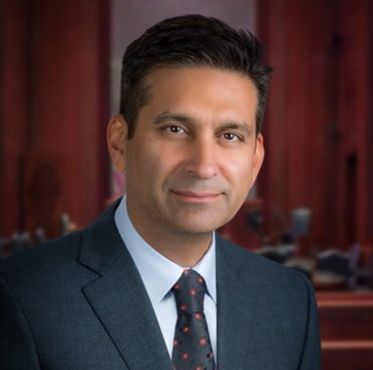


Why Clients Choose Max Alavi, APC
- Super Lawyers recognition based on peer review
- Extensive experience in California probate law
- Millions recovered in trust and probate litigation
- Strategic handling of trust and estate disputes
- Proven advocacy for surviving spouses and heirs
- Clear guidance through complex probate matters
- Outstanding dedication to every one of our clients




Let's Work Together - Tell Us Your Needs
At Max Alavi, Attorney at Law, APC, we understand the complexities of California probate law and are committed to providing solutions for trust and estate disputes. Contact us today to speak with one of our legal staff.