
Laguna Woods Surviving Spouse Rights Attorney
Top Ranked Trust & Probate Lawyers in California
5-Star Client Rating | Read Our Reviews
Laguna Woods Surviving Spouse Rights Expertise
At Max Alavi, Attorney at Law, we proudly serve Laguna Woods with unwavering dedication to Surviving Spouse Rights. Our seasoned team combines years of specialized experience with a client-centered approach, ensuring every client receives clear guidance and robust advocacy during challenging times. We stand out for our personalized strategies, in-depth knowledge of California estate law, and prompt responsiveness to your needs. Whether you're navigating complex probate issues or need help understanding your entitlements as a surviving spouse, we are here to support and protect your interests.
- Comprehensive understanding of Surviving Spouse Rights in Laguna Woods
- Empathetic and individualized representation for every client
- Strong track record of achieving favorable outcomes
“At Max Alavi, Attorney at Law, your peace of mind and legal security are our top priorities.”
Our Trust Litigation Case Process

1. Case Evaluation
We begin with a full review of the trust, will, financial records, and family history. Our legal team will identify your rights, deadlines, and the best legal path before anything is filed.

2. Court Filings
The case formally begins when a probate petition or trust lawsuit is filed in California probate court, often in Orange County Superior Court. This step sets the legal issues, brings all parties into the case.

3. Discovery and Settlement
Both sides exchange documents, take depositions, and file motions to address disputes. Many trust and probate cases resolve here through settlement discussions or court ordered mediation.

4. Trial and Resolution
If no agreement is reached, the case proceeds to trial before a probate judge. After a ruling, the court orders distributions, removals of fiduciaries, or financial recovery, and we handle enforcement or appeals if needed.
Begin Your Free Case Evaluation Now
Call to schedule a free and confidential consultation with a trust litigation lawyer.


About Max Alavi, Attorney at Law
Max Alavi, Attorney at Law, proudly based in Laguna Woods, offers compassionate and expert guidance in the field of Surviving Spouse Rights—while also serving a broad spectrum of estate planning, trust, and probate needs. The firm’s founder, Max Alavi, brings years of specialized knowledge and a genuine dedication to protecting clients’ assets and legacies. Since its inception, Max Alavi, Attorney at Law has established a robust tradition of individualized attention, clear communication, and tireless advocacy, ensuring that every client receives the knowledge, respect, and support they need during significant life transitions. The team’s unwavering commitment to excellence has made the firm a trusted resource for families and individuals seeking peace of mind and strong legal representation in Laguna Woods.
At the core of Max Alavi, Attorney at Law is a set of deeply held values: integrity, compassion, and a client-first approach. Max Alavi and his dedicated team are known for their exceptional ability to navigate complex legal landscapes, particularly within the specialized area of Surviving Spouse Rights. They take pride in fostering long-term relationships with clients by offering candid counsel and personalized service that reflects the unique needs of each case. From their office in Laguna Woods, Max Alavi, Attorney at Law continues to set itself apart by blending thorough legal expertise with a sincere commitment to securing the best possible outcomes for every client they serve.
An Interesting Fact About Surviving Spouse Rights in Laguna Woods
In California, including Laguna Woods, a lesser-known but important aspect of surviving spouse rights involves the state’s “omitted spouse” rule. If a deceased spouse’s will or trust was drafted before the marriage and not updated thereafter, California law often entitles the surviving spouse to a share of the estate, regardless of the will’s terms. This provision helps protect newly married spouses who may have been unintentionally excluded from estate planning documents.
Overview of Surviving Spouse Rights Laws in Laguna Woods
Surviving spouse rights in Laguna Woods are defined by a combination of California state statutes and local court practices that aim to protect the interests of spouses after the loss of their partner. According to detailed guidance from Max Alavi, Attorney at Law, estate planning laws in Laguna Woods provide specific entitlements for surviving spouses, such as the right to a fair share of the deceased partner’s estate, regardless of what may be stated in certain wills or trust documents. Key aspects include community property rights, spousal allowances, and the option to contest a trust or will if the surviving spouse believes their legal share is being undermined. The court process typically involves the submission of required documents, possible probate proceedings, and, in some cases, litigation if disputes arise over distribution or validity of documents.
- California’s community property laws grant surviving spouses a claim to half of all marital assets acquired during the marriage.
- Surviving spouses may pursue a spousal property petition for expedited transfer of assets outside of full probate.
- The right to contest a will or trust is protected if the surviving spouse suspects undue influence, fraud, or omissions.
"An experienced estate planning attorney can guide Laguna Woods residents through the complexities of spousal rights, helping to secure rightful inheritances and navigate local probate courts." – Insights from Max Alavi, Attorney at Law
With extensive experience assisting families in Laguna Woods, Max Alavi, Attorney at Law provides nuanced expertise on how local regulations and court procedures affect surviving spouse rights. The firm’s approach involves a detailed review of estate documents, identification of all legally mandated entitlements, and the development of case strategies tailored to the unique circumstances in Orange County courts. Clients benefit from the firm’s strong negotiation skills, familiarity with potential court-imposed solutions, and dedication to ensuring that every spouse’s rights are fully protected under the law. Whether seeking expedited asset transfers or contesting unfair provisions, their comprehensive understanding of both state and local legal frameworks equips clients to achieve favorable resolutions in estate and probate matters.
Other Services Available
Probate Litigation |
https://www.octrustslawyer.com/probate-litigation/ |
Trustee Defense |
https://www.octrustslawyer.com/trustee-defense/ |
Inheritance Disputes |
https://www.octrustslawyer.com/inheritance-disputes/ |
Probate And Trust Administration |
https://www.octrustslawyer.com/probate-trust-administration/ |
Conservatorship |
https://www.octrustslawyer.com/conservatorships/ |
Surviving Spouse Rights |
https://www.octrustslawyer.com/surviving-spouse-rights/ |
Protect Your Rights with an Orange County Surviving Spouse Rights Attorney at Max Alavi, Attorney at Law
If you are concerned about your legal rights as a surviving spouse, Max Alavi, Attorney at Law, is here to help. Our attorneys will thoroughly evaluate every detail of your situation to build a strong defense that protects what matters most to you. Take the first step by scheduling your free 30-60 minute initial consultation—call us today at (949) 706-1919. We are committed to providing compassionate, attentive legal guidance every step of the way.
Laguna Woods Demographics
Laguna Woods, California, is a unique city in Orange County, renowned for its large retirement community and distinct demographic profile. As of the mid-2020s, Laguna Woods has an estimated population of approximately 16,500 residents. The most notable aspect of the population is its age distribution: the median age in Laguna Woods is among the highest in the nation, often reported near 77 years, with the overwhelming majority of residents aged 55 years or older. This age pattern reflects the city’s origin as a planned retirement community, primarily comprised of the Laguna Woods Village senior living complex.
- Population: ~16,500
- Median Age: ~77 years
- Age Distribution: Over 85% of residents are age 65 and older
- Diversity: The community is predominantly White (non-Hispanic), but there is increasing representation of Asian American, Hispanic/Latino, and other groups
- Socioeconomic Indicators:
- Median household income is lower than the county average, reflecting retiree fixed incomes
- Poverty rate is below national averages
- The majority of units are owner-occupied, with a large share in cooperative or condominium arrangements
- Trends: Laguna Woods maintains a stable population, with little influx of younger families, and continues to prioritize services for seniors and retirees.
Laguna Woods Probate Court System
Probate and trust matters for Laguna Woods residents fall under the jurisdiction of the Superior Court of California, County of Orange. Specifically, these issues are managed by the Probate/Mental Health Division, which addresses all legal matters relating to estates, trusts, conservatorships, and guardianships.
- Main Court: Orange County Superior Court – Probate/Mental Health Division (located at the Central Justice Center, Santa Ana)
- Case Types Addressed:
- Probate administration of decedents' estates
- Trust administration and disputes
- Will contests
- Guardianships and conservatorships (including matters related to incapacity and elder care)
- Surviving spouse’s rights, spousal property petitions, and related marital estate transfers
- Advance health care directives, powers of attorney for health care/finances
- Unique Local Features:
- Laguna Woods' aging population increases the prevalence of probate, trust, and elder law cases, often with considerations for surviving spouse estate claims and capacity disputes
- The court provides resources for self-represented parties, but complex or contested matters (especially those involving surviving spouses) benefit from experienced legal representation
- Most probate filings are initiated electronically or at the Central Justice Center; hearings may be set in person or via remote appearance
- The Probate Court maintains online access to case dockets, calendars, and filings for attorneys and parties
- Local rules of the Orange County Superior Court, together with the California Probate Code, govern all procedures
Family Demographics in Laguna Woods
Laguna Woods’ community structure is markedly different from most other Orange County cities, due to its primary function as a retirement destination. Family demographic data is characterized by:
- Households:
- Most households are one or two-person, reflecting single seniors and older couples
- Family households with minors are virtually nonexistent
- The city consists primarily of single-adult and married-couple households (almost entirely without children)
- Divorce/Marriage:
- Divorce and widowhood rates are higher than average: Many residents are widowed or divorced, reflecting the age profile and life stage of the community
- Remarriage, especially among seniors, is a recognized trend but occurs at a modest rate
- Household and Family Income:
- Median household income is estimated in the range of $40,000–$50,000/year, below the Orange County average but consistent with a retirement population
- Per capita income is similarly modest, often supplemented by retirement funds, pensions, and Social Security
- Wealth from home equity and retirement savings is significant for many long-term residents
- School Systems:
- Laguna Woods is not served by its own elementary or secondary public schools, as the permanent population of children is extremely small
- Nearby schools in the Saddleback Valley Unified School District serve adjacent communities, but are not a focal point for Laguna Woods’ residents
- Popular Social Programs:
- Extensive senior-centered programming, including wellness checks, recreational events, transportation assistance, and meal delivery through city and Orange County agencies
- Active community associations, clubs, and support services dedicated to elder well-being
- Access to senior legal aid, estate and capacity planning services, care management programs, and local chapter support groups for families and surviving spouses
Trust Litigation
Areas We Serve
At Max Alavi, Attorney at Law, we have decades of experience in dealing with complex trust litigation matters throughout California. When you hire our legal team, you are bringing on the best and toughest litigators around to aggresively fight on your behalf.
What Our Amazing Clients Have To Say
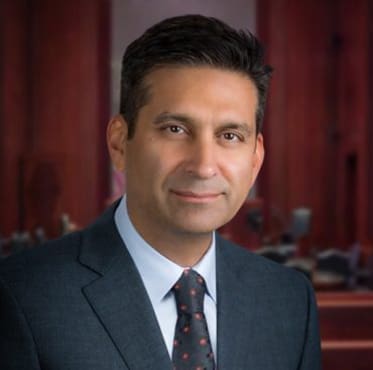


Why Clients Choose Max Alavi, APC
- Super Lawyers recognition based on peer review
- Extensive experience in California probate law
- Millions recovered in trust and probate litigation
- Strategic handling of trust and estate disputes
- Proven advocacy for surviving spouses and heirs
- Clear guidance through complex probate matters
- Outstanding dedication to every one of our clients




Let's Work Together - Tell Us Your Needs
At Max Alavi, Attorney at Law, APC, we understand the complexities of California probate law and are committed to providing solutions for trust and estate disputes. Contact us today to speak with one of our legal staff.