
Laguna Woods Beneficiary Representation Attorney
Top Ranked Trust & Probate Lawyers in California
5-Star Client Rating | Read Our Reviews
Beneficiary Representation in Laguna Woods
At Max Alavi, Attorney at Law, we are dedicated to providing top-tier Beneficiary Representation services to individuals and families in Laguna Woods. Our team brings decades of experience advocating for beneficiaries’ rights, ensuring that our clients receive the inheritance and protection they deserve. We pride ourselves on our personalized approach, transparent communication, and unwavering commitment to securing favorable outcomes.
- Extensive expertise in Beneficiary Representation
- Proven track record of results in Laguna Woods and surrounding areas
- Compassionate, client-focused service at every stage
“At Max Alavi, Attorney at Law, your peace of mind and interests are our priority. Let us guide and protect you through every step of your beneficiary journey.”
Our Trust Litigation Case Process

1. Case Evaluation
We begin with a full review of the trust, will, financial records, and family history. Our legal team will identify your rights, deadlines, and the best legal path before anything is filed.

2. Court Filings
The case formally begins when a probate petition or trust lawsuit is filed in California probate court, often in Orange County Superior Court. This step sets the legal issues, brings all parties into the case.

3. Discovery and Settlement
Both sides exchange documents, take depositions, and file motions to address disputes. Many trust and probate cases resolve here through settlement discussions or court ordered mediation.

4. Trial and Resolution
If no agreement is reached, the case proceeds to trial before a probate judge. After a ruling, the court orders distributions, removals of fiduciaries, or financial recovery, and we handle enforcement or appeals if needed.
Begin Your Free Case Evaluation Now
Call to schedule a free and confidential consultation with a trust litigation lawyer.


About Max Alavi, Attorney at Law
Max Alavi, Attorney at Law is a leading law firm based in Laguna Woods, renowned for its robust expertise in Beneficiary Representation and a comprehensive suite of trust, probate, and estate planning services. Established by attorney Max Alavi, the firm has a distinguished history of counseling clients through complex trust disputes and ensuring that beneficiary rights are protected with vigorous advocacy. Throughout the years, the firm has built its reputation on a foundation of integrity, dedication, and respect, blending seasoned legal knowledge with a personalized approach to each client’s unique needs. Max Alavi, Attorney at Law continually upholds its commitment to transparent communication and thorough case preparation, ensuring clients in Laguna Woods always feel informed and supported.
What sets Max Alavi, Attorney at Law apart in the Laguna Woods community is its unwavering client-first philosophy and its deep respect for the trust inherent in Beneficiary Representation matters. The team’s expansive legal insight, paired with a genuine dedication to achieving fair and just outcomes, means clients benefit not only from profound technical skill but also from compassionate guidance through the legal process. Relying on innovative strategies and a collaborative approach, Max Alavi, Attorney at Law places client dignity and success at the heart of its mission—helping individuals and families navigate their most important decisions with confidence and clarity.
An Interesting Fact About Beneficiary Representation in Laguna Woods
In California, including Laguna Woods, beneficiary representation in probate and trust matters extends beyond simply advocating for heirs in court. A lesser-known but important aspect is that California law allows multiple beneficiaries to collectively retain a single legal representative if their interests are aligned, which can streamline the process and reduce costs. However, this option requires careful conflict-of-interest checks to ensure no adversarial interests exist among the represented parties.
Overview of Beneficiary Representation Laws in Laguna Woods
Beneficiary representation in Laguna Woods is shaped by California’s complex trust and estate laws, which are designed to ensure that the rights and interests of beneficiaries are properly protected during the estate administration process. According to Max Alavi, Attorney at Law, beneficiaries are often entitled to receive timely information about the trust or estate, review accountings, and enforce their rights through the probate court if necessary. The local regulations require trustees and executors to act in accordance with their fiduciary duties—meaning they must administer the estate with loyalty, skill, and impartiality. The legal process in Laguna Woods typically involves initial notification to beneficiaries, detailed accountings, and, if disputes arise, representation before the Orange County Superior Court. Legal experts at Max Alavi’s office emphasize the importance of informed advocacy, as mismanagement or breaches of duty by fiduciaries can lead to significant financial losses for beneficiaries.
- Beneficiaries are entitled to clear and regular reporting from trustees or executors regarding estate assets and distributions.
- Disputes may include contested wills, undue influence, construction of trust terms, or mishandling of assets.
- The court process can involve formal objections, settlement negotiations, and litigation to safeguard beneficiary interests.
"Effective beneficiary representation hinges on a deep understanding of local procedures and proactive legal intervention to ensure beneficiaries’ rights are fully honored." – Insights from Max Alavi, Attorney at Law
With a strong foundation in Laguna Woods estate planning and administration, Max Alavi, Attorney at Law provides skilled representation aimed at both preventing and resolving conflicts among beneficiaries and fiduciaries. The firm’s expertise in interpreting trust documents and navigating the nuances of California probate law allows clients to address issues of delayed or improper distribution, trustee misconduct, or ambiguous estate plan terms. By offering both negotiation and litigation services, they help clients reach efficient resolutions—whether through mediated settlements or assertive courtroom advocacy—to preserve assets and secure rightful inheritances. The team’s bespoke strategies are tailored to the specifics of Laguna Woods’ court procedures and local expectations, ensuring clients have a clear path to effective outcomes when dealing with beneficiary representation matters.
Other Services Available
Trust Litigation |
https://www.octrustslawyer.com/trust-litigation |
Contested Will and Trust |
https://www.octrustslawyer.com/trust-will-contests/ |
Beneficiary Representation |
https://www.octrustslawyer.com/beneficiary-representation/ |
Trustee Removal |
https://www.octrustslawyer.com/trustee-removal-surcharge-actions/ |
Protect Your Rights with Experienced Beneficiary Representation from Max Alavi, Attorney at Law
If you are a beneficiary facing uncertainty or disputes regarding your inheritance, you deserve strong advocacy and clear guidance. Max Alavi, Attorney at Law provides dedicated beneficiary representation, ensuring your interests are safeguarded throughout every step of the legal process. Our skilled attorneys will thoroughly evaluate every detail of your case to build a robust defense on your behalf. Call (949) 706-1919 today for a free initial consultation lasting 30-60 minutes, and get the support you need with confidence.
Laguna Woods Demographics
Laguna Woods, California is a distinctive city in Orange County noted for its unique demographic profile, characterized by a predominantly senior population. As of the mid-2020s, the estimated population of Laguna Woods is approximately 17,000–18,000 residents. The city is internationally recognized as a retirement community, with a significant majority of the population aged 65 and older. According to U.S. Census Bureau data, the median age in Laguna Woods is approximately 76 years, one of the highest median ages in the nation. Fewer than 5% of residents are under the age of 65, and families with children are exceptionally rare.
- Population Size: Roughly 17,000–18,000 residents
- Age Distribution: More than 80% aged 65+, with a median age near 76
- Ethnic Diversity: Predominantly White (non-Hispanic), with notable Asian and smaller Hispanic or Latino communities
- Socioeconomic Indicators: Many residents are retired on fixed incomes; median household income is modest relative to the region, with most income sources deriving from Social Security, pensions, and retirement investments
- Population Trends: Slight population decline over the past decade, reflecting an aging-in-place trend; the city remains a popular residence for retirees seeking age-restricted amenities and services
Laguna Woods features a largely homogeneous, senior-centric population with specialized community resources tailored to the needs of older adults.
Laguna Woods Probate Court System
Probate and trust matters for Laguna Woods residents fall under the jurisdiction of the Superior Court of California, County of Orange. These matters are primarily handled through the Probate/Mental Health Division. Probate courts manage issues such as the administration of decedents' estates, trust proceedings, wills, guardianships, and conservatorships—of particular significance in an older adult community like Laguna Woods.
- Key Court: Superior Court of California, County of Orange – Probate/Mental Health Division (primary location in Costa Mesa with online and in-person services)
- Case Types:
- Decedent estate administration (with or without a will)
- Trust administration and litigation
- Will and trust contests
- Conservatorship proceedings for adults lacking capacity
- Guardianships (rare in Laguna Woods due to population age structure)
- Elder or dependent adult protection petitions
- Unique Features for Legal Clients:
- High volume of probate and trust administration due to the senior population
- Frequent conservatorship appointments and capacity hearings
- Streamlined electronic filing and public access to case dockets via the court’s online portal
- Probate mediation and settlement conference options available to resolve disputes efficiently
- Specialized court resources and local rules applicable within Orange County
Family law matters, such as divorce and support, are handled by the Family Law Division of the Orange County Superior Court (typically at the Lamoreaux Justice Center). However, these cases are much less common within Laguna Woods due to the demographic composition.
Family Demographics in Laguna Woods
Laguna Woods is characterized by an overwhelming predominance of single-occupant and senior households. According to recent census data:
- Family vs. Single Households: Less than 10% of households are classified as family households, with more than 90% being single-person or non-family units—one of the highest rates of single-occupant dwellings in California
- Average Household Size: Approximately 1.3 persons per household, reflecting the senior and predominantly single-resident structure
- Divorce Rates: Divorce rates in Laguna Woods are lower than state averages, in part because many residents are widowed or have been long-married; remarriage and new marriage rates are also low
- Family Income: Median family income hovers around $50,000–$60,000, largely based on retirement income and fixed sources such as Social Security and pensions
- Per Capita Income: Estimated at $40,000–$45,000
There are no public K–12 schools within city boundaries, as eligibility for residency in Laguna Woods Village—accounting for the vast majority of housing—requires that at least one household member be 55 years or older. Public school services are provided by surrounding districts for rare exceptions.
Popular social programs and community resources in Laguna Woods include:
- Extensive senior wellness, recreation, and support services sponsored by the city and Laguna Woods Village associations
- Health advocacy, transportation services, and outreach programs tailored to older adults
- Specialized legal clinics and workshops focused on elder law, Medicare/Medicaid issues, advance healthcare directives, and estate planning
In summary, Laguna Woods offers a tightly focused community environment centered on the needs and interests of seniors, with unique family and household dynamics and corresponding legal and social support systems.
Trust Litigation
Areas We Serve
At Max Alavi, Attorney at Law, we have decades of experience in dealing with complex trust litigation matters throughout California. When you hire our legal team, you are bringing on the best and toughest litigators around to aggresively fight on your behalf.
What Our Amazing Clients Have To Say
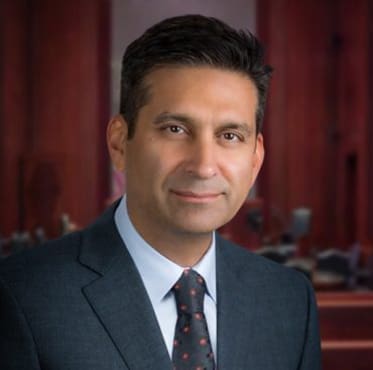


Why Clients Choose Max Alavi, APC
- Super Lawyers recognition based on peer review
- Extensive experience in California probate law
- Millions recovered in trust and probate litigation
- Strategic handling of trust and estate disputes
- Proven advocacy for surviving spouses and heirs
- Clear guidance through complex probate matters
- Outstanding dedication to every one of our clients




Let's Work Together - Tell Us Your Needs
At Max Alavi, Attorney at Law, APC, we understand the complexities of California probate law and are committed to providing solutions for trust and estate disputes. Contact us today to speak with one of our legal staff.