
Laguna Niguel Contested Will and Trust Attorney
Top Ranked Trust & Probate Lawyers in California
5-Star Client Rating | Read Our Reviews
Laguna Niguel Contested Will and Trust Legal Services
At Max Alavi, Attorney at Law, we understand that navigating contested will and trust matters in Laguna Niguel can feel overwhelming. Our firm brings decades of specialized experience to clients facing complex inheritance disputes, will contests, or trust challenges. We pride ourselves on offering compassionate guidance combined with aggressive advocacy, ensuring your voice is heard and your interests are protected every step of the way.
Whether you are contesting a will, defending a trust, or seeking resolution in probate, our team delivers personalized strategies to meet your unique needs.
- Extensive experience in contested will and trust cases
- Deep familiarity with Laguna Niguel courts and procedures
- Personal, attentive service for every client
- Proven track record of reaching favorable outcomes
Entrust your case to Max Alavi, Attorney at Law—the dedicated Laguna Niguel legal team focused on contested will and trust matters, where your peace of mind is always our top priority.
Our Trust Litigation Case Process

1. Case Evaluation
We begin with a full review of the trust, will, financial records, and family history. Our legal team will identify your rights, deadlines, and the best legal path before anything is filed.

2. Court Filings
The case formally begins when a probate petition or trust lawsuit is filed in California probate court, often in Orange County Superior Court. This step sets the legal issues, brings all parties into the case.

3. Discovery and Settlement
Both sides exchange documents, take depositions, and file motions to address disputes. Many trust and probate cases resolve here through settlement discussions or court ordered mediation.

4. Trial and Resolution
If no agreement is reached, the case proceeds to trial before a probate judge. After a ruling, the court orders distributions, removals of fiduciaries, or financial recovery, and we handle enforcement or appeals if needed.
Begin Your Free Case Evaluation Now
Call to schedule a free and confidential consultation with a trust litigation lawyer.


About Max Alavi, Attorney at Law
Max Alavi, Attorney at Law in Laguna Niguel is distinguished by its firm commitment to guiding clients through the complexities of Contested Will and Trust disputes and broader estate matters. Established on the principles of integrity, transparent communication, and personalized legal strategy, the firm’s roots are grounded in Max Alavi’s vision for a boutique practice that emphasizes efficiency, care, and outstanding results. Drawing from years of focused experience, the firm assists individuals and families in navigating trust and estate challenges, advocating both in and out of court with remarkable proficiency. Clients turn to Max Alavi, Attorney at Law for trusted representation, accessing deep insight into trust and probate law and a genuine dedication to protecting what matters most—family legacies and financial security.
At the heart of Laguna Niguel’s community, Max Alavi, Attorney at Law upholds values of respect, responsiveness, and accountability, ensuring that each client receives tailored attention and compassionate guidance, particularly in sensitive Contested Will and Trust disputes. The firm's distinctive approach is rooted in its commitment to direct attorney involvement, clear explanations, and unwavering advocacy, helping clients make informed decisions throughout every phase of litigation or negotiation. With a track record of resolving complex estate controversies and a philosophy anchored in client empowerment, Max Alavi, Attorney at Law remains a pillar of trust and excellence in the legal landscape of Laguna Niguel.
An Interesting Fact About Contested Wills and Trusts in California
A lesser-known but important fact about contested wills and trusts in California is the “no-contest” clause's limited power. While these clauses are meant to discourage beneficiaries from challenging a will or trust, California law only enforces them under specific circumstances. The Probate Code allows contesting parties to bring actions based on probable cause without the automatic risk of disinheritance, helping to protect beneficiaries who have legitimate concerns about undue influence or fraud in Laguna Niguel and throughout the state.
Overview of Contested Will and Trust Laws in Laguna Niguel
Contested will and trust matters in Laguna Niguel are governed by California state law, which sets specific grounds and procedures for challenging the legality or validity of estate documents. As highlighted by Max Alavi, Attorney at Law, disputes often arise from concerns over undue influence, lack of capacity, or improper execution of documents. Local regulations require anyone contesting a will or trust to follow strict timelines and evidentiary rules. Those involved may need to participate in court-supervised processes, including mandatory settlement conferences and formal hearings, to resolve their disputes.
- California Probate Code establishes the legal standards for will and trust contests, focusing on areas like mental capacity, fraud, and coercion.
- Potential penalties for unsuccessful contests include losing the right to inherit under a “no-contest” clause if present in the instrument.
- Resolutions may involve mediation, negotiated settlements, or, if necessary, court judgment after a trial.
"Understanding local procedures and adhering to California's strict legal requirements is crucial for anyone facing a contested will or trust. A misstep in filing or argument can severely impact the outcome." – Guidance from Max Alavi, Attorney at Law
With deep experience in Laguna Niguel probate and estate litigation, Max Alavi, Attorney at Law offers tailored strategies to navigate these intricate disputes. The firm’s approach combines knowledge of local court expectations with a careful analysis of each client’s unique circumstances, maximizing opportunities for favorable resolutions such as early settlement or effective representation in court. Their insight into California’s statutes, case law, and judicial protocols ensures that clients receive not only comprehensive legal advocacy but also guidance on potential consequences and pathways to resolution in contested will and trust cases.
Other Services Available
Trust Litigation |
https://www.octrustslawyer.com/trust-litigation |
Contested Will and Trust |
https://www.octrustslawyer.com/trust-will-contests/ |
Beneficiary Representation |
https://www.octrustslawyer.com/beneficiary-representation/ |
Trustee Removal |
https://www.octrustslawyer.com/trustee-removal-surcharge-actions/ |
Experienced Guidance for Contested Will and Trust Cases from Orange County Estate Attorneys at Max Alavi, Attorney at Law
If you're facing a disputed will or trust, Max Alavi, Attorney at Law, is here to help protect your interests and your loved ones' legacy. Our team will thoroughly evaluate every aspect of your case, ensuring no detail is overlooked in building a strong defense. We offer a free, 30-60 minute initial consultation to discuss your options and answer your questions in a reassuring and professional environment. Take the first step towards resolving your contested will or trust matter by calling us at (949) 706-1919 today.
Laguna Niguel Demographics
Laguna Niguel, located in southern Orange County, California, is a suburban city with an estimated population of approximately 65,000 residents as of the mid-2020s. The population growth rate has remained relatively stable, reflecting the city’s mature residential development and high desirability as a family-friendly enclave. The median age in Laguna Niguel is around 45, notably higher than many other Orange County communities, indicating a sizable population of middle-aged adults and retirees. Age distribution highlights a strong representation in the 35–64 age bracket, with a significant proportion of seniors aged 65 and older. Children and teens make up a modest percentage of the total population, with a smaller segment of residents under 18 compared to the county average.
Laguna Niguel is predominantly White, though the city’s diversity has gradually increased. Residents of Asian, Hispanic/Latino, and other racial backgrounds have grown as a proportion of the population in recent years. Socioeconomic indicators reflect a high standard of living:
- Median household income: Approximately $120,000–$130,000 per year (well above California state average)
- Per capita income: Significantly exceeds both county and state averages
- Poverty rate: Considerably below state and national benchmarks, highlighting broad economic stability
Laguna Niguel’s demographic trends reveal a steady, affluent, and increasingly diverse community, drawing both established families and professionals seeking high living standards and quality amenities.
Laguna Niguel Probate Court System
Legal matters related to probate, trusts, and contested estate issues for Laguna Niguel residents are overseen by the Superior Court of California, County of Orange. Probate proceedings—including contested wills and trust litigation—fall under the jurisdiction of the Probate/Mental Health Division, which centrally manages estate administration, trust disputes, guardianships, conservatorships, and related fiduciary matters for all of Orange County.
- Key Court Location: The central probate division, typically operated from the Central Justice Center in Santa Ana, is responsible for all Laguna Niguel filings.
- Case Types Handled:
- Contested will and trust cases
- Probate of decedents' estates
- Disputes regarding estate administration and fiduciary management
- Guardianships and conservatorships
- Other trust and elder law matters
- Unique Features:
- Electronic access to case dockets and documents for both public and legal professionals
- Specialized probate courtrooms and judicial officers experienced in inheritance disputes, trust contests, and fiduciary litigation
- Mandatory settlement conferences and mediation requirements in certain contested matters to encourage early resolution
For clients in Laguna Niguel, all probate and trust disputes—including highly complex or contested will and trust cases—are processed under the unified procedures of the Orange County Superior Court. Local court rules and the California Probate Code govern all filings, deadlines, hearings, and evidentiary requirements. Litigants commonly interact with court clerks and attorneys at the Central Justice Center for document filings, hearings, and dispute resolution conferences.
Family Demographics in Laguna Niguel
Laguna Niguel’s residential community is characterized by a large proportion of family households, reflecting its reputation as an attractive locale for established families and professionals. According to census figures and local estimation:
- Family households make up nearly 70% of all households in the city, with married-couple families representing a particularly strong segment.
- Average household size: approximately 2.6–2.8 persons.
- Single-person households and non-family arrangements comprise the remaining 30%, including both young adults and seniors.
Additional family demographic indicators:
- Divorce rate: Laguna Niguel’s divorce filings follow broader Orange County trends, with a moderate rate relative to state figures; the city reports a stable mix of married and formerly married adults.
- Family income: Median family income exceeds $135,000 annually, with dual-income households contributing to the city’s economic stability.
- Per capita income: Among the highest in the region.
- Education: The city is served by the Capistrano Unified School District, consistently rated among the top in Orange County. Schools in Laguna Niguel exhibit high graduation and college-readiness rates.
Residents benefit from robust social programs, including youth recreation programs, after-school enrichment, and family wellness initiatives. Community centers, local nonprofit organizations, and faith-based groups offer additional support services tailored to senior citizens, children, and families facing economic or health challenges.
Trust Litigation
Areas We Serve
At Max Alavi, Attorney at Law, we have decades of experience in dealing with complex trust litigation matters throughout California. When you hire our legal team, you are bringing on the best and toughest litigators around to aggresively fight on your behalf.
What Our Amazing Clients Have To Say
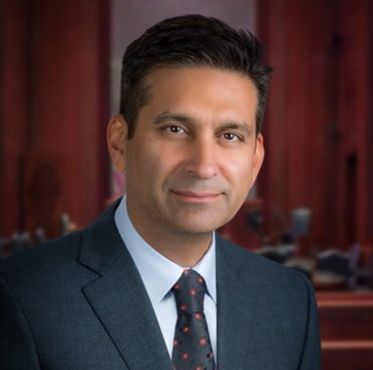


Why Clients Choose Max Alavi, APC
- Super Lawyers recognition based on peer review
- Extensive experience in California probate law
- Millions recovered in trust and probate litigation
- Strategic handling of trust and estate disputes
- Proven advocacy for surviving spouses and heirs
- Clear guidance through complex probate matters
- Outstanding dedication to every one of our clients




Let's Work Together - Tell Us Your Needs
At Max Alavi, Attorney at Law, APC, we understand the complexities of California probate law and are committed to providing solutions for trust and estate disputes. Contact us today to speak with one of our legal staff.