
Laguna Hills Probate Litigation Attorney
Top Ranked Trust & Probate Lawyers in California
5-Star Client Rating | Read Our Reviews
Laguna Hills Probate Litigation Experts
At Max Alavi, Attorney at Law, we bring exceptional expertise and personalized care to clients facing probate litigation in Laguna Hills. Our firm is renowned for blending deep legal knowledge with unwavering dedication in every probate matter, ensuring that each client receives tailored guidance during some of life's most challenging transitions. We take pride in:
- Resolving complex probate disputes with efficiency and skill
- Providing clear communication and compassionate support
- Protecting our clients’ interests at every step of the process
“From contested wills to trust disputes, Max Alavi, Attorney at Law is committed to delivering results-driven representation for your probate litigation needs in Laguna Hills.”Trust Max Alavi, Attorney at Law to combine experience, integrity, and a client-first approach that stands out among Laguna Hills law firms. Whether you’re an executor, beneficiary, or concerned family member, our team ensures your voice is heard and your interests are protected throughout the probate litigation process.
Our Trust Litigation Case Process

1. Case Evaluation
We begin with a full review of the trust, will, financial records, and family history. Our legal team will identify your rights, deadlines, and the best legal path before anything is filed.

2. Court Filings
The case formally begins when a probate petition or trust lawsuit is filed in California probate court, often in Orange County Superior Court. This step sets the legal issues, brings all parties into the case.

3. Discovery and Settlement
Both sides exchange documents, take depositions, and file motions to address disputes. Many trust and probate cases resolve here through settlement discussions or court ordered mediation.

4. Trial and Resolution
If no agreement is reached, the case proceeds to trial before a probate judge. After a ruling, the court orders distributions, removals of fiduciaries, or financial recovery, and we handle enforcement or appeals if needed.
Begin Your Free Case Evaluation Now
Call to schedule a free and confidential consultation with a trust litigation lawyer.


About Max Alavi, Attorney at Law
Max Alavi, Attorney at Law in Laguna Hills is distinguished by a longstanding commitment to excellence in the field of Probate Litigation and a wide range of estate law services. Established as a results-driven practice, the firm is led by Max Alavi, whose decades of legal experience form the backbone of its success. With a proven record of skillfully resolving complex probate disputes, Max Alavi, Attorney at Law is known for combining legal mastery with an unwavering ethical foundation. The firm’s storied history is marked by client-centered advocacy and a holistic approach to client needs, both in and beyond the courtroom.
What sets Max Alavi, Attorney at Law apart in Laguna Hills is a personalized, hands-on approach to every Probate Litigation case and any matters in its diverse practice portfolio. The firm’s core values—accessibility, transparency, and integrity—ensure each client receives honest guidance and consistent communication throughout their legal journey. Max Alavi and his team emphasize education and empowerment, ensuring clients understand each stage of their case. This unique blend of compassion and legal acumen has earned Max Alavi, Attorney at Law the trust of individuals, families, and businesses alike, making the firm a pillar of the Orange County legal community.
An Interesting Fact About Probate Litigation in Laguna Hills
Many people are surprised to learn that California probate litigation in Laguna Hills can involve “no-contest clauses,” which are designed to discourage heirs from contesting a will or trust. However, under California law, such clauses are not automatically enforceable. The court will only uphold a no-contest clause under specific circumstances, such as when a contest is brought without probable cause. This nuanced rule often affects the strategy and outcomes in Laguna Hills probate cases.
Key Laws Related to Probate Litigation in Laguna Hills
Probate litigation in Laguna Hills is governed by California Probate Code, which outlines the rules and procedures for resolving disputes regarding wills, trusts, estate administration, and guardianships. As noted by Max Alavi, Attorney at Law, local probate cases may involve contesting the validity of a will or trust, addressing breaches of fiduciary duty, or resolving disagreements among beneficiaries and heirs. The Laguna Hills probate court oversees these matters, applying state-specific standards for notice requirements, documentation, and court hearings. Key aspects of California probate litigation include the requirement for clear evidence in cases of undue influence or incapacity and timely compliance with court-mandated deadlines and filings. Understanding how local statutes interact with family dynamics and asset structures is essential, particularly in a region with complicated estate holdings.
- California law allows for the contesting of wills and trusts on grounds such as lack of capacity, fraud, or undue influence.
- Laguna Hills probate courts require strict adherence to procedural steps, including notice to interested parties and submission of supporting evidence.
- Potential outcomes range from settlement agreements to formal trial and court intervention when conflicts cannot be resolved amicably.
"Probate litigation can be complex, and the guidance of a knowledgeable attorney is critical for navigating local rules and achieving favorable outcomes." – Insights from Max Alavi, Attorney at Law
Drawing on years of focused experience in Laguna Hills probate litigation, Max Alavi, Attorney at Law provides clients with crucial insight into local court processes and effective dispute resolution strategies. The firm is adept at handling contentious probate matters, from comprehensive case preparation to aggressive courtroom advocacy. With an extensive understanding of local regulations and court tendencies, they work to minimize delays, mitigate penalties, and pursue resolutions such as compromise agreements, mediation, or, if necessary, decisive litigation. Clients benefit from the firm's careful attention to detail, proactive communication, and commitment to safeguarding beneficiaries’ interests throughout every stage of the probate process.
Other Services Available
Probate Litigation |
https://www.octrustslawyer.com/probate-litigation/ |
Trustee Defense |
https://www.octrustslawyer.com/trustee-defense/ |
Inheritance Disputes |
https://www.octrustslawyer.com/inheritance-disputes/ |
Probate And Trust Administration |
https://www.octrustslawyer.com/probate-trust-administration/ |
Conservatorship |
https://www.octrustslawyer.com/conservatorships/ |
Surviving Spouse Rights |
https://www.octrustslawyer.com/surviving-spouse-rights/ |
Trusted Representation from an Orange County Probate Litigation Attorney at Max Alavi, Attorney at Law
Are you facing a probate dispute or conflict? Protect your rights and your loved one’s legacy—contact Max Alavi, Attorney at Law for knowledgeable probate litigation support. Our experienced attorneys will evaluate every detail of your case to build the strongest possible defense on your behalf. Take the first step by scheduling a free, 30-60 minute consultation—call us today at (949) 706-1919.
Laguna Hills Demographics
Laguna Hills, California, is an incorporated city located in southern Orange County. As of the most recent U.S. Census Bureau estimates, the city’s population is approximately 31,000 residents. Demographically, Laguna Hills exhibits the following characteristics:
- Population Size & Age Distribution: The median age is in the early-to-mid 40s, which is slightly older than the state median. The city has a balanced mix of families with children, working-age adults, and a notable percentage of residents aged 65 or older, reflecting the presence of retirement communities nearby.
- Diversity: Laguna Hills is predominantly White (Non-Hispanic), but features a diverse community, including Hispanic or Latino, Asian, and other ethnic groups. The city’s population includes both long-term residents and newcomers attracted by strong schools and a suburban lifestyle.
- Socioeconomic Indicators:
- Median household income is estimated between $100,000 and $110,000—above the California average.
- Poverty rates are lower than Orange County and state averages.
- Most residents own their homes, with a smaller but stable rental market.
- Notable Trends:
- Stable population growth due to limited new housing development.
- Gradual increases in diversity and multi-generational households.
Laguna Hills Probate Court System
Probate and trust litigation services for Laguna Hills residents fall under the jurisdiction of the Superior Court of California, County of Orange. The specific probate matters are managed primarily at the Central Justice Center in Santa Ana, where the Probate/Mental Health Division operates. Key features of the system include:
- Court Jurisdiction: All probate, trust, and related matters for Laguna Hills are handled by the Orange County Superior Court.
- Types of Cases Processed:
- Decedents’ estate administration
- Trust litigation and administration
- Will contests and validity challenges
- Guardianships and conservatorships
- Minor’s compromise hearings
- Protective proceedings for elders and dependent adults
- Court Locations:
- Probate/Mental Health Division at Central Justice Center – Santa Ana (main probate venue for all Orange County cities including Laguna Hills)
- Unique Features:
- Online filing, hearing calendars, and case access available via the court’s website
- Dedicated probate examiners and resources for both self-represented and represented parties
- Local rules and procedures govern probate petitions, notifications, and deadlines as per California Probate Code and county rules
- For Family Law Matters: Related proceedings (such as divorce, custody, and support) are handled by the Family Law Division at the Lamoreaux Justice Center in Orange.
Family Demographics in Laguna Hills
Laguna Hills is characterized by an established and diverse family community. Family and household structures impact the types of probate and family law needs in the region. Key data points include:
- Household Composition:
- A majority of households (over 65%) are classified as family households.
- Average household size is approximately 2.8 persons.
- Significant number of married-couple families, with some single-parent and multi-generational households.
- Approximately one-third of households include children under age 18.
- Divorce & Marital Trends:
- Divorce rates for Laguna Hills align with broader Orange County averages, with several hundred new filings annually in the county.
- A steady proportion of both married and single-adult households, reflecting changes in family structures and long-term trends in Southern California.
- Family Income & Economic Indicators:
- Median family income is estimated between $110,000–$130,000 annually.
- Per capita income exceeds $50,000, reflecting the area’s relative affluence.
- Family poverty levels are low, and economic stability supports access to private legal and financial services.
- Schools and Social Programs:
- Served by the Saddleback Valley Unified School District, known for high academic standards and a range of elementary, intermediate, and high schools.
- Access to private and charter schools, after-school care, and enrichment programs for youth and families.
- Social and recreational programs provided through the City of Laguna Hills and Orange County, addressing family well-being, youth engagement, and senior services.
Trust Litigation
Areas We Serve
At Max Alavi, Attorney at Law, we have decades of experience in dealing with complex trust litigation matters throughout California. When you hire our legal team, you are bringing on the best and toughest litigators around to aggresively fight on your behalf.
What Our Amazing Clients Have To Say
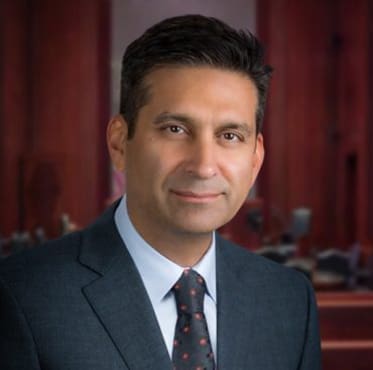


Why Clients Choose Max Alavi, APC
- Super Lawyers recognition based on peer review
- Extensive experience in California probate law
- Millions recovered in trust and probate litigation
- Strategic handling of trust and estate disputes
- Proven advocacy for surviving spouses and heirs
- Clear guidance through complex probate matters
- Outstanding dedication to every one of our clients




Let's Work Together - Tell Us Your Needs
At Max Alavi, Attorney at Law, APC, we understand the complexities of California probate law and are committed to providing solutions for trust and estate disputes. Contact us today to speak with one of our legal staff.