
Laguna Beach Trustee Defense Attorney
Top Ranked Trust & Probate Lawyers in California
5-Star Client Rating | Read Our Reviews
Laguna Beach Trustee Defense Services
At Max Alavi, Attorney at Law, we provide comprehensive Trustee Defense legal services in Laguna Beach, combining exceptional expertise with a steadfast commitment to our clients. Our firm is distinguished by years of hands-on experience and a deep understanding of California trust law, ensuring that trustees are effectively guided and vigorously represented through every stage of their legal matters. Clients consistently choose us for our:
- Proven Success: Successful outcomes in complex trustee defense cases throughout Laguna Beach
- Personalized Approach: Legal strategies tailored to each client’s unique situation and needs
- Responsive Communication: Prompt responses and clear updates during each phase of your case
With Max Alavi, Attorney at Law, trustee clients in Laguna Beach benefit from knowledgeable advocacy and dedicated support, giving them confidence and peace of mind throughout their legal journey.
Our Trust Litigation Case Process

1. Case Evaluation
We begin with a full review of the trust, will, financial records, and family history. Our legal team will identify your rights, deadlines, and the best legal path before anything is filed.

2. Court Filings
The case formally begins when a probate petition or trust lawsuit is filed in California probate court, often in Orange County Superior Court. This step sets the legal issues, brings all parties into the case.

3. Discovery and Settlement
Both sides exchange documents, take depositions, and file motions to address disputes. Many trust and probate cases resolve here through settlement discussions or court ordered mediation.

4. Trial and Resolution
If no agreement is reached, the case proceeds to trial before a probate judge. After a ruling, the court orders distributions, removals of fiduciaries, or financial recovery, and we handle enforcement or appeals if needed.
Begin Your Free Case Evaluation Now
Call to schedule a free and confidential consultation with a trust litigation lawyer.


About Max Alavi, Attorney at Law
Max Alavi, Attorney at Law, based in Laguna Beach, has a distinguished history of providing exceptional legal services with a primary focus on Trustee Defense. Established by Max Alavi, the firm has become a cornerstone for individuals seeking thorough and reliable legal guidance in trust, estate, and probate matters. Drawing on decades of collective experience, Max Alavi, Attorney at Law pairs legal acumen with a compassionate approach that recognizes the sensitive nature of trust disputes and fiduciary concerns. The firm’s legacy is built upon a foundation of integrity, careful stewardship, and an unwavering dedication to achieving client objectives, making it a trusted partner during complex legal challenges.
Operating from the vibrant community of Laguna Beach, Max Alavi, Attorney at Law distinguishes itself by combining in-depth knowledge of Trustee Defense with personalized service for every client. The legal team values clear communication, practical solutions, and a sincere commitment to preserving clients’ rights and interests. With a guiding philosophy that puts integrity and respect at the forefront, Max Alavi, Attorney at Law offers tailored strategies that reflect both the intricacies of California trust law and the unique circumstances of each case. Clients benefit from a collaborative approach that emphasizes education, transparency, and advocacy—hallmarks that have positioned the firm as a leader in trust and estate law throughout the region.
An Interesting Fact About Trustee Defense in Laguna Beach
In California, trustees in Laguna Beach facing litigation can invoke the "safe harbor" provision under Probate Code section 850, which allows trustees to petition the court for instructions before taking contested actions. This process not only protects trustees from personal liability if they act according to the court's guidance but also helps clarify ambiguous trust terms. Utilizing this mechanism is an often-overlooked, yet effective, strategy in trustee defense within California’s trust administration landscape.
Overview of Trustee Defense Laws in Laguna Beach
Trustee defense in Laguna Beach is governed by a combination of California probate code and local regulations that delineate the responsibilities and liabilities of trustees administering estate plans and trusts. As outlined by Max Alavi, Attorney at Law, trustees must act in accordance with strict fiduciary duties, which include proper administration of assets, transparent communication with beneficiaries, and rigorous record-keeping. Laguna Beach courts handle trustee disputes in accordance with these legal standards, placing emphasis on whether the trustee acted in good faith and adhered to the decedent’s intentions as documented in the trust instrument. The legal process can involve petitions to remove or replace trustees, defend against allegations of breach of duty, or resolve ambiguities regarding distribution and management of estate assets.
- Trustees may face legal challenges ranging from allegations of mismanagement, conflicts of interest, or failure to provide proper accounting.
- Potential resolutions often include negotiation, mediation, or, if necessary, court intervention to clarify the trustee’s authority or actions.
- Penalties can include removal from the position, financial restitution, and—if misconduct is proven—personal liability for losses incurred by the trust.
"A proactive, well-prepared trustee defense is essential to protect both the trust’s assets and the trustee’s own reputation and financial wellbeing." – Insights from Max Alavi, Attorney at Law
With in-depth expertise in Laguna Beach trustee defense cases, Max Alavi, Attorney at Law offers tailored legal strategies to safeguard trustees’ interests and address complex disputes. The firm’s approach draws on the nuances of local court processes, recognizing the importance of timely filings, comprehensive documentation, and clear communication to beneficiaries. By focusing on mediation and alternative dispute resolution, where possible, Max Alavi’s team aims to resolve conflicts efficiently, while being fully prepared to litigate when necessary. Their comprehensive knowledge of California estate law and Laguna Beach judicial procedures ensures that every trustee receives meticulous representation—reducing exposure to penalties and facilitating effective, lasting resolutions.
Other Services Available
Probate Litigation |
https://www.octrustslawyer.com/probate-litigation/ |
Trustee Defense |
https://www.octrustslawyer.com/trustee-defense/ |
Inheritance Disputes |
https://www.octrustslawyer.com/inheritance-disputes/ |
Probate And Trust Administration |
https://www.octrustslawyer.com/probate-trust-administration/ |
Conservatorship |
https://www.octrustslawyer.com/conservatorships/ |
Surviving Spouse Rights |
https://www.octrustslawyer.com/surviving-spouse-rights/ |
Protect Your Role as Trustee with Help from Max Alavi, Attorney at Law
If you’re facing challenges or claims as a trustee, the experienced attorneys at Max Alavi, Attorney at Law are here to help you with skilled Trustee Defense services. Our team will thoroughly evaluate every detail of your case and build a strong, thoughtful defense—helping you protect your interests and fulfill your legal duties. Contact us at (949) 706-1919 to schedule a free initial consultation, which lasts 30-60 minutes. Let us provide the guidance and peace of mind you deserve with your trustee defense matter.
Laguna Beach Demographics
Laguna Beach is a coastal city in southern Orange County, California, renowned for its scenic beauty, artistic heritage, and distinctive residential character. According to the U.S. Census Bureau, Laguna Beach has an estimated population of approximately 22,850 residents as of the mid-2020s. The city’s population reflects a mature demographic profile with a median age of roughly 53 years, notably above California’s statewide median. The age distribution is characterized by:
- A significant proportion of residents aged 45 and older
- Fewer young adults and families with children compared to larger cities in Orange County
The city is predominantly White, with smaller but growing communities of Hispanic/Latino, Asian, and multiracial residents, illustrating gradual diversification over recent decades. Socioeconomic indicators for Laguna Beach show a relatively affluent and well-educated population:
- Median household income is substantially above the California average, estimated at around $140,000–$150,000
- Per capita income surpasses state and regional averages
- Poverty rates are low, though the local cost of living and housing costs are among the highest in Orange County
Notable trends include stable or modestly increasing population numbers, an ongoing emphasis on preserving community character, and high rates of homeownership among residents. The local economy is supported by sectors such as arts, tourism, hospitality, and professional services.
Laguna Beach Probate Court System
As part of Orange County, Laguna Beach’s probate and trust matters are administered through the Superior Court of California, County of Orange. The probate court is responsible for overseeing legal processes involving decedent estates, trusts, conservatorships, and related matters. Key structural points include:
- Venue: Probate cases are heard at the Central Justice Center in Santa Ana, which serves all Orange County cities, including Laguna Beach.
- Address: Central Justice Center, 700 Civic Center Drive West, Santa Ana, CA 92701
- Case Types:
- Decedents’ estate administration (with and without a will)
- Trust proceedings, including trustee defense, interpretation of trusts, and trust accountings
- Guardianships and conservatorships
- Minor’s compromises and elder adult legal protections
- Unique Features:
- The Probate and Mental Health Division maintains specialized rules for petition filings, accountings, and hearing schedules
- Online case access portals allow parties and attorneys to review filings, court dates, and case status
- Trustee defense matters—such as allegations of breach of fiduciary duty or beneficiary disputes—are adjudicated in the probate division, following county-wide procedures and California Probate Code requirements
For Laguna Beach residents seeking legal assistance with trusteeships, estates, or defense of fiduciaries, all litigation and administration is handled under Orange County procedures with hearings and filings processed in central Santa Ana. Local counsel are familiar with county-specific deadlines, notice requirements, and the nuances of defending trustees and personal representatives before this court.
Family Demographics in Laguna Beach
Laguna Beach’s household and family structure reflect the city’s mature and affluent disposition. Based on recent census data and city reports:
- Approximately 55% of local households are classified as family households (at least two members related by birth, marriage, or adoption)
- The remaining households are single-person or non-family arrangements, a proportion notably higher than many neighboring cities
- Average household size is approximately 2.1 persons, with many smaller households reflecting empty nesters and retirees
Marriage rates are steady, but the percentage of households with children under 18 is lower than Orange County-wide averages. Divorce rates are consistent with broader county rates, though fluctuations occur annually. Important family income metrics include:
- Median family income estimated at $175,000 or above
- Per capita income among the highest in Orange County
- Family and childhood poverty rates are very low
Laguna Beach Unified School District operates award-winning public schools with high academic performance and college readiness rates, contributing to the city’s appeal for families. The district encompasses:
- Laguna Beach High School
- Thurston Middle School
- Elementary campuses (Top of the World Elementary and El Morro Elementary)
Community social programs emphasize enrichment in the arts, wellness, and child development, including support from the Boys & Girls Club of Laguna Beach, city-run recreation programs, and senior services. Local family assistance programs and educational enrichment initiatives contribute to community well-being and support for children and families in need.
Trust Litigation
Areas We Serve
At Max Alavi, Attorney at Law, we have decades of experience in dealing with complex trust litigation matters throughout California. When you hire our legal team, you are bringing on the best and toughest litigators around to aggresively fight on your behalf.
What Our Amazing Clients Have To Say
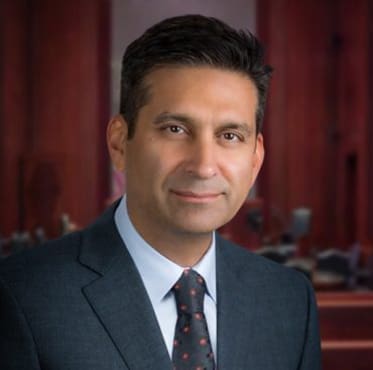


Why Clients Choose Max Alavi, APC
- Super Lawyers recognition based on peer review
- Extensive experience in California probate law
- Millions recovered in trust and probate litigation
- Strategic handling of trust and estate disputes
- Proven advocacy for surviving spouses and heirs
- Clear guidance through complex probate matters
- Outstanding dedication to every one of our clients




Let's Work Together - Tell Us Your Needs
At Max Alavi, Attorney at Law, APC, we understand the complexities of California probate law and are committed to providing solutions for trust and estate disputes. Contact us today to speak with one of our legal staff.