
Laguna Beach Surviving Spouse Rights Attorney
Top Ranked Trust & Probate Lawyers in California
5-Star Client Rating | Read Our Reviews
Laguna Beach Surviving Spouse Rights Legal Guidance
At Max Alavi, Attorney at Law, we are dedicated to protecting the Surviving Spouse Rights of our Laguna Beach community with compassion and diligence. Our firm understands the unique challenges that can arise after the loss of a loved one, and we strive to make complex legal matters clear and manageable. Clients turn to us for our deep knowledge in California inheritance and estate law, as well as our unwavering commitment to personal attention and custom strategies.
"We believe every surviving spouse deserves respectful representation, clear communication, and a vigilant advocate."
- Extensive experience navigating spousal rights and probate law in Laguna Beach
- Personalized guidance for every stage of estate administration and inheritance disputes
- Reputation for integrity and client-focused solutions
Our Trust Litigation Case Process

1. Case Evaluation
We begin with a full review of the trust, will, financial records, and family history. Our legal team will identify your rights, deadlines, and the best legal path before anything is filed.

2. Court Filings
The case formally begins when a probate petition or trust lawsuit is filed in California probate court, often in Orange County Superior Court. This step sets the legal issues, brings all parties into the case.
3. Discovery and Settlement
Both sides exchange documents, take depositions, and file motions to address disputes. Many trust and probate cases resolve here through settlement discussions or court ordered mediation.

4. Trial and Resolution
If no agreement is reached, the case proceeds to trial before a probate judge. After a ruling, the court orders distributions, removals of fiduciaries, or financial recovery, and we handle enforcement or appeals if needed.
Begin Your Free Case Evaluation Now
Call to schedule a free and confidential consultation with a trust litigation lawyer.


About Max Alavi, Attorney at Law
Located in beautiful Laguna Beach, Max Alavi, Attorney at Law is distinguished for its unwavering dedication to providing exceptional legal services in Surviving Spouse Rights and a broad spectrum of estate planning and probate matters. Founded by Max Alavi, the firm traces its roots to a commitment to guiding clients with compassion and clarity through often complex legal landscapes. With years of experience, Max Alavi, Attorney at Law has cultivated a reputation built on trust, transparency, and an unparalleled mastery of law. The legal team prides itself on a personalized approach, working closely with each client to ensure solutions are tailored to their unique needs and long-term goals.
Max Alavi, Attorney at Law in Laguna Beach operates on core values of integrity, responsiveness, and excellence, values that are evident in every Surviving Spouse Rights case handled by the firm. The practice is defined by its proactive communication, detailed attention to client concerns, and a steadfast commitment to ethical advocacy. Max Alavi and his team understand the sensitivities involved in estate and probate matters, offering compassionate legal counsel while maintaining rigorous professionalism. Clients who choose Max Alavi, Attorney at Law benefit not only from the firm’s legal insight but also from its dedication to providing peace of mind and securing the future for families throughout the Laguna Beach community.
An Interesting Fact About Surviving Spouse Rights in Laguna Beach
Many Laguna Beach residents are surprised to learn that under California law, surviving spouses may claim up to half of the deceased spouse’s community property—even if there is no will or the will states otherwise. This right is rooted in California's community property system, giving spouses significant protection. Additionally, in Laguna Beach and throughout California, the "spousal property petition" can help surviving spouses transfer property quickly, bypassing lengthy probate in many cases.
Overview of Surviving Spouse Rights Laws in Laguna Beach
Surviving spouse rights in Laguna Beach are primarily governed by California state law, which provides specific protections and entitlements for spouses upon the death of their partner. According to Max Alavi, Attorney at Law, these rights often include claims to a share of the decedent’s estate, elective share rights, and access to assets that may not have been specifically addressed in a will or trust. Local regulations dictate that unless otherwise waived by a valid prenuptial or postnuptial agreement, a surviving spouse may have rights to community property, certain pensions or retirement benefits, and in some cases even social security or insurance proceeds. The firm explains that navigating the court process typically involves probate proceedings, where the rights of surviving spouses must be recognized and adjudicated in line with both statutory rules and any existing estate plans.
- California’s community property laws usually guarantee a surviving spouse at least half of all jointly acquired assets.
- If a decedent’s will excludes a spouse without valid waiver, the spouse may still claim a share as an “omitted spouse.”
- Potential penalties for improper estate administration can include removal of executors, personal liability, or court sanctions.
"Max Alavi, Attorney at Law, emphasizes that each case can involve unique estate complexities, making local, tailored legal insight essential for effective resolution.”
With deep expertise in Laguna Beach estate law, Max Alavi, Attorney at Law assists clients in understanding how local court processes and regulations impact their rights as surviving spouses. Their team is adept at handling contested probate matters, asserting spouse-specific entitlements, and negotiating settlements to protect their clients’ financial interests. Drawing on a comprehensive knowledge of California estate statutes, the firm guides clients through the necessary legal actions—whether initiating probate claims or countering challenges—to ensure just and lawful outcomes. Potential resolutions for clients may include negotiated settlements, court-ordered distributions, or mediation, all supported by the firm’s careful attention to procedural accuracy and judicial standards.
Other Services Available
Probate Litigation |
https://www.octrustslawyer.com/probate-litigation/ |
Trustee Defense |
https://www.octrustslawyer.com/trustee-defense/ |
Inheritance Disputes |
https://www.octrustslawyer.com/inheritance-disputes/ |
Probate And Trust Administration |
https://www.octrustslawyer.com/probate-trust-administration/ |
Conservatorship |
https://www.octrustslawyer.com/conservatorships/ |
Surviving Spouse Rights |
https://www.octrustslawyer.com/surviving-spouse-rights/ |
Protect Your Future with an Orange County Surviving Spouse Rights Attorney at Max Alavi, Attorney at Law
If you have concerns about your rights as a surviving spouse—such as inheritance, property, or legal protections—Max Alavi, Attorney at Law is here to help. Our experienced attorneys will thoroughly evaluate every detail of your unique situation to build a strong defense and safeguard your interests. Take the first step toward peace of mind by contacting us for a free 30-60 minute consultation at (949) 706-1919. We’re ready to provide clear guidance and support, ensuring you understand all your legal options.
Laguna Beach Demographics
Laguna Beach, California, is a scenic coastal community in southern Orange County known for its vibrant arts scene, affluent population, and picturesque landscape. As of the mid-2020s, the residential population is estimated to be just over 22,600. The city has experienced relatively stable population numbers over recent years, with only modest growth due to limited land availability and a focus on preserving the city’s character and environment.
Demographic indicators for Laguna Beach reveal the following:
- Age Distribution: The median age in Laguna Beach is approximately 50 years, making it one of the older communities in Orange County. About 20% of residents are aged 65 or older, while around 15% are under the age of 18. The city has a substantial population of retirees and middle-aged adults, with fewer young adult residents than neighboring communities.
- Diversity: Laguna Beach is predominantly White (about 86%), with Hispanic or Latino (around 9%), Asian (about 4%), and smaller percentages of other racial backgrounds contributing to the city’s diversity.
- Socioeconomic Indicators: The city is recognized for its high standard of living:
- Median household income is approximately $137,000 annually, well above state and national averages.
- Per capita income exceeds $97,000.
- The poverty rate is significantly lower than broader Orange County, at roughly 5%.
- Trends: Laguna Beach’s population is characterized by high educational attainment, with a large proportion of adults holding bachelor’s or advanced degrees. The city’s housing market consists predominantly of owner-occupied single-family homes, with elevated median home values reflecting strong demand and coastal location.
Laguna Beach Probate Court System
Probate proceedings for Laguna Beach are handled by the Superior Court of California, County of Orange. The probate court is responsible for managing cases involving decedents’ estates, trusts, guardianships, conservatorships, and the legal rights of surviving spouses. Residents of Laguna Beach typically interface with the Probate/Mental Health Division, which is based at the Central Justice Center in Santa Ana. Key features of the probate court system include:
- Main Court: Orange County Superior Court – Probate/Mental Health Division (Central Justice Center, Santa Ana)
- Case Types:
- Administration of estates (with or without a will)
- Trust matters and trust administration
- Conservatorships and guardianships
- Determination of validity and interpretation of wills/trusts
- Protection of the rights of surviving spouses, including claims to community property, probate homestead, and family allowance
- Creditor claims and disputes among heirs or beneficiaries
- Unique Features:
- The probate court maintains a dedicated staff and online resources for accessing dockets, case filings, and status updates.
- Surviving spouse rights are addressed through specific probate procedures, including spousal property petitions and set-aside matters pursuant to California law.
- Legal practitioners must adhere to both statewide probate regulations and local Orange County court rules.
Laguna Beach residents navigating probate or trust matters work within the broader Orange County system, with access to support services, legal aid, and an online portal for case management and updates. Family law matters (divorce, support, custody) are processed separately at designated family law divisions within the Orange County Superior Court system.
Family Demographics in Laguna Beach
Laguna Beach’s household structure and family demographics reflect its unique community profile. The city is characterized by a higher-than-average proportion of non-family and single-person households when compared to broader regional averages:
- Family versus Single Households: Approximately 47% of households in Laguna Beach are family households, while about 53% are non-family households, including a substantial proportion of individuals living alone.
- Family Size: Average family size is about 2.8 persons, and average household size is approximately 2.1, lower than state norms, indicating a prevalence of small families and individual residents.
- Divorce Rates: While detailed city-specific divorce rates are not published, Orange County’s divorce rate is generally consistent with California averages, with thousands of new dissolution proceedings annually. Mature population demographics in Laguna Beach suggest a higher proportion of widowed and divorced individuals compared to some neighboring cities.
- Income:
- Median family income: About $183,000 (2022 estimates).
- Per capita income: Approx. $97,000, reflective of affluent households and high property values.
- Schools and Social Programs:
- The Laguna Beach Unified School District operates four public schools, known for academic excellence:
- El Morro Elementary
- Top of the World Elementary
- Thurston Middle School
- Laguna Beach High School
- Graduation rates and college readiness indicators remain well above state averages.
- Popular social programs include city-sponsored senior services, enrichment for youth, and community outreach initiatives supporting families and residents with special needs.
The combination of high household income, educated population, and robust public services contributes to the well-being and stability of Laguna Beach families. Legal clients may benefit from understanding the city’s demographic profile when planning for probate, estate matters, or the rights of surviving spouses.
Trust Litigation
Areas We Serve
At Max Alavi, Attorney at Law, we have decades of experience in dealing with complex trust litigation matters throughout California. When you hire our legal team, you are bringing on the best and toughest litigators around to aggresively fight on your behalf.
What Our Amazing Clients Have To Say
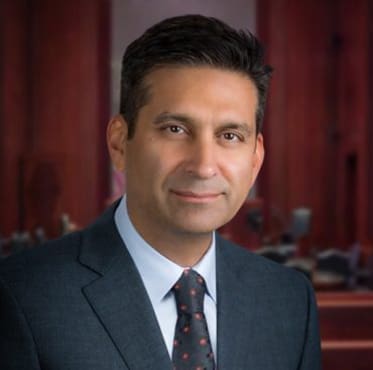


Why Clients Choose Max Alavi, APC
- Super Lawyers recognition based on peer review
- Extensive experience in California probate law
- Millions recovered in trust and probate litigation
- Strategic handling of trust and estate disputes
- Proven advocacy for surviving spouses and heirs
- Clear guidance through complex probate matters
- Outstanding dedication to every one of our clients




Let's Work Together - Tell Us Your Needs
At Max Alavi, Attorney at Law, APC, we understand the complexities of California probate law and are committed to providing solutions for trust and estate disputes. Contact us today to speak with one of our legal staff.